Why Zebras Have Stripes: Nature's Mystery Solved in 2026
TL;DR
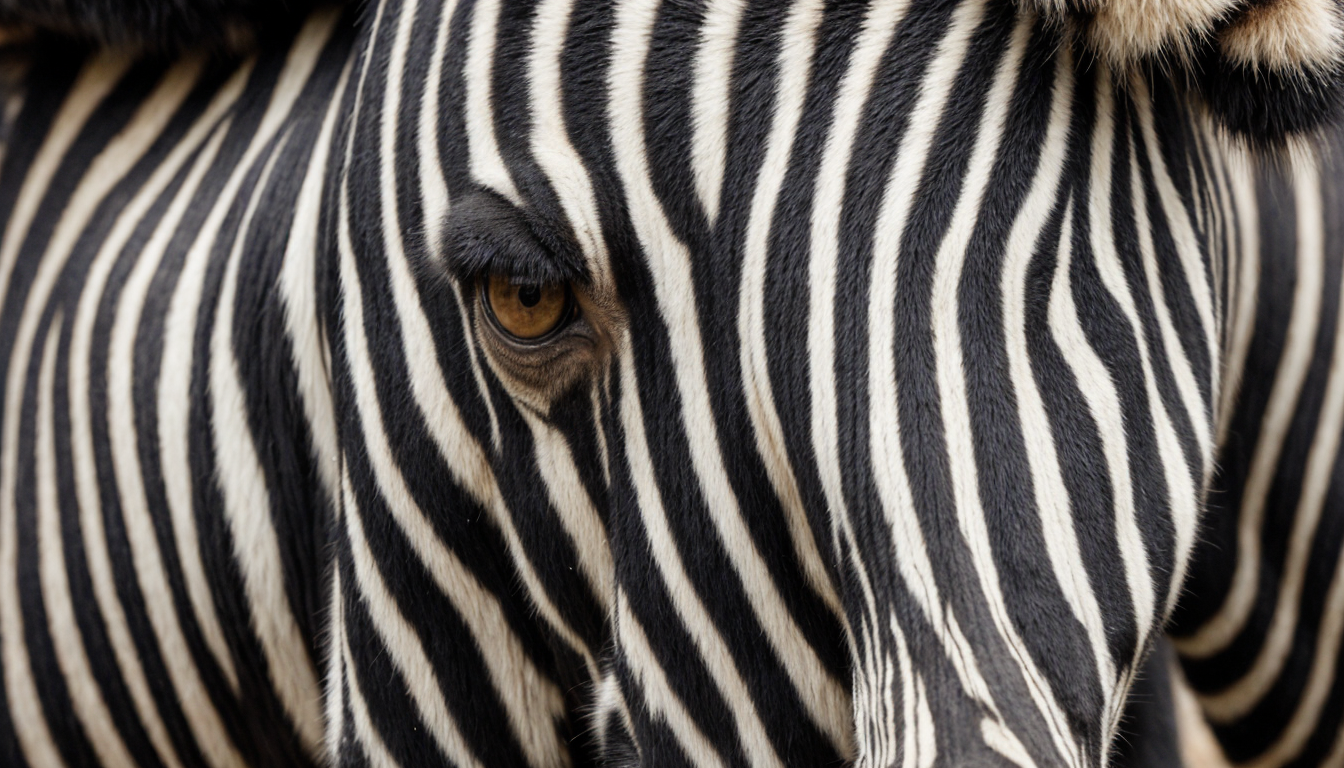
- Zebra stripes primarily serve as a form of camouflage against predators.
- The patterns reduce the attractiveness to biting flies and may have thermoregulatory benefits.
- Recent genetic studies reveal that zebra stripe patterns are controlled by specific genes.
- Zebras use their unique markings for social recognition within their herd.
Introduction
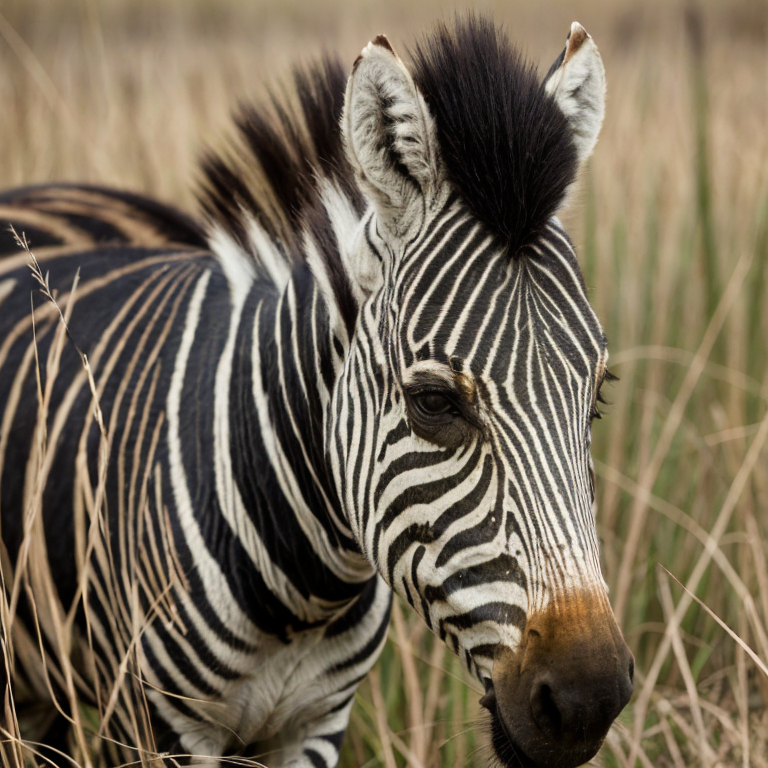
For centuries, scientists and naturalists have been intrigued by the distinctive black-and-white stripes of zebras. These iconic patterns have puzzled researchers due to their complexity and apparent contradiction with conventional camouflage theories. In 2026, advancements in genetic research and ecological studies finally shed light on why these animals developed such unique markings.
Adaptive Advantages of Zebra Stripes
Camouflage Against Predators
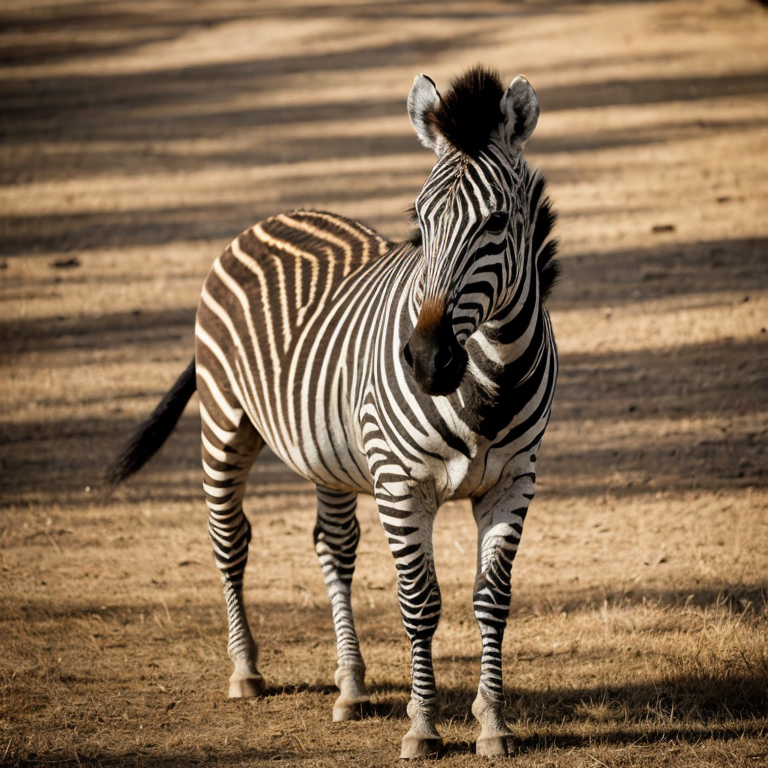
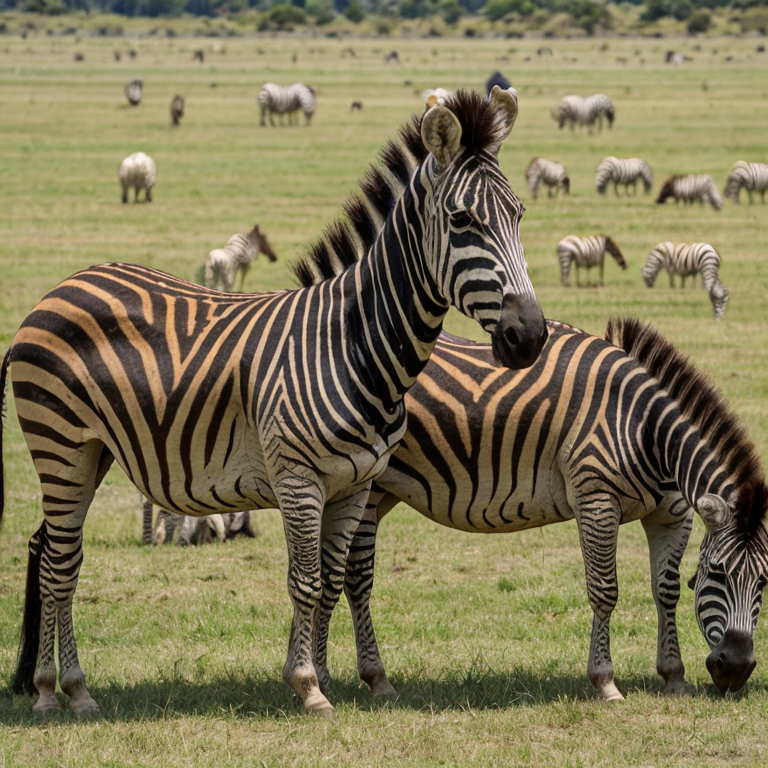
One of the primary hypotheses for zebra stripes is that they serve as a form of disruptive coloration to confuse predators. Unlike traditional camouflage that blends an animal into its background, disruptive patterns are designed to break up the outline and shape of an organism. This theory suggests that when zebras gather in large groups, their stripes create a visual illusion that makes it difficult for predators like lions to single out individual animals.
Repellent Against Biting Flies
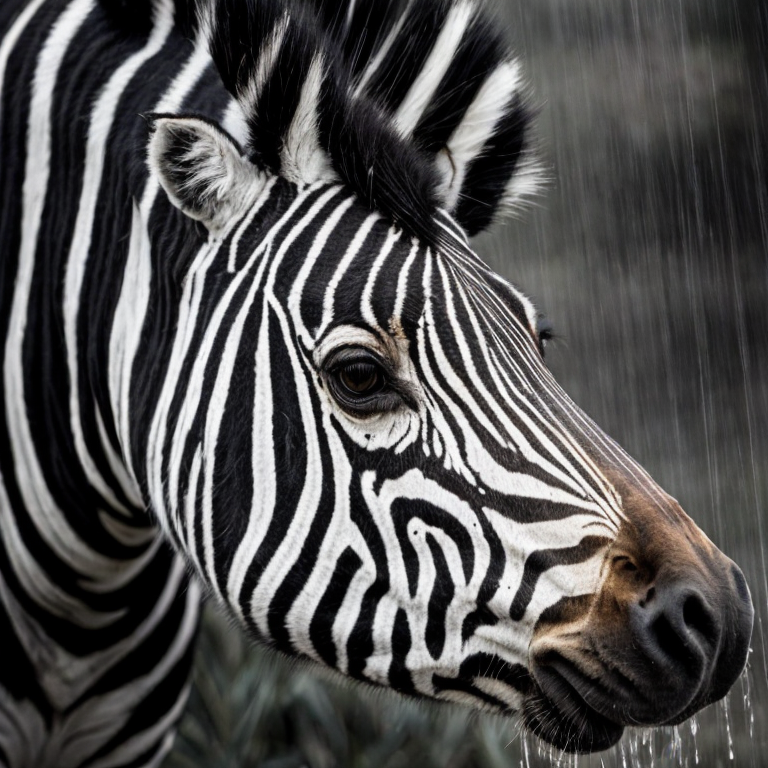
Recent studies have shown that zebra stripes may also function as a deterrent against biting flies. Experiments conducted on horses and cattle, which are frequently targeted by these pests, revealed that black-and-white striped patterns significantly reduce fly landing rates compared to solid-colored coats. This could explain why zebras remain relatively unaffected by the annoyance and potential disease transmission from blood-sucking insects.
Thermoregulation Benefits
Another proposed benefit of zebra stripes is their role in thermoregulation. The alternating dark and light bands can create microclimates on a zebra's body, causing air currents to flow differently over each section due to differences in heat absorption between black (absorbs more heat) and white (reflects more heat) fur. This could help zebras maintain optimal body temperature during hot African days.
Genetic Basis of Zebra Stripes
Understanding the genetic mechanisms behind zebra stripes has been a significant breakthrough in recent years. Researchers have identified specific genes involved in pigmentation that determine how these distinctive patterns develop. One key gene, known as ASIP (Agouti Signaling Protein), regulates melanin production and plays a crucial role in creating the contrast necessary for zebra stripes.
Evolutionary Perspective
From an evolutionary standpoint, the development of striped coats likely provided zebras with several survival advantages over time. As their ancestors migrated across diverse landscapes filled with predators and biting insects, those individuals carrying genes for more effective camouflage or fly-repellent patterns would have had higher chances of surviving to reproduce. Over generations, these traits became increasingly common among zebra populations.
Historical Context
The fascination with zebra stripes dates back to early naturalists who first encountered these animals during African explorations. Charles Darwin himself pondered the origin of such unique markings in his seminal work On the Origin of Species. Since then, numerous scientists have attempted to unravel this mystery through various disciplines including biology, ecology, and genetics.
Cultural Significance
Beyond scientific interest, zebra stripes hold cultural significance around the world. They appear in art, literature, and popular media as symbols of Africa's wildlife heritage or even abstract representations of unity and diversity. The patterns' appeal extends beyond their functional roles to inspire human creativity and imagination.
Misconceptions About Zebra Stripes
Despite growing knowledge about zebra stripes, several misconceptions persist:
-
Camouflage in Dense Forests: Many believe that the primary purpose of stripes is to blend into dense vegetation or forests. However, zebras typically inhabit open grasslands where disruptive coloration offers better protection from predators spotting them against a clear background.
-
Warning Signals for Predators: Some theories suggest that zebra stripes serve as warning signals similar to those seen in venomous snakes or brightly colored insects. There is no evidence supporting this idea; instead, the patterns appear more suited for confusing than alarming potential threats.
Conclusion
In conclusion, while zebras' black-and-white stripes may seem contradictory at first glance, they offer a range of adaptive benefits crucial for survival in their natural habitat. Through advances in genetics and ecological research, scientists have come closer to understanding why these iconic creatures developed such distinctive markings. Far from being mere decoration or evolutionary anomaly, zebra stripes represent an intricate solution shaped by millions of years of adaptation—a testament to nature's ingenuity.