How Old is Earth's Oldest Tree? Shocking Truth Revealed
TL;DR:
- The world’s oldest known tree is a Great Basin bristlecone pine named Methuselah in the White Mountains of California.
- Methuselah is over 4,800 years old and was born around 2832 BCE, predating ancient Egyptian civilization.
- Ancient trees like Methuselah provide insights into long-term climate patterns and ecological changes.
- The Great Basin bristlecone pine species has adapted to harsh conditions through genetic traits that promote longevity.
Introduction
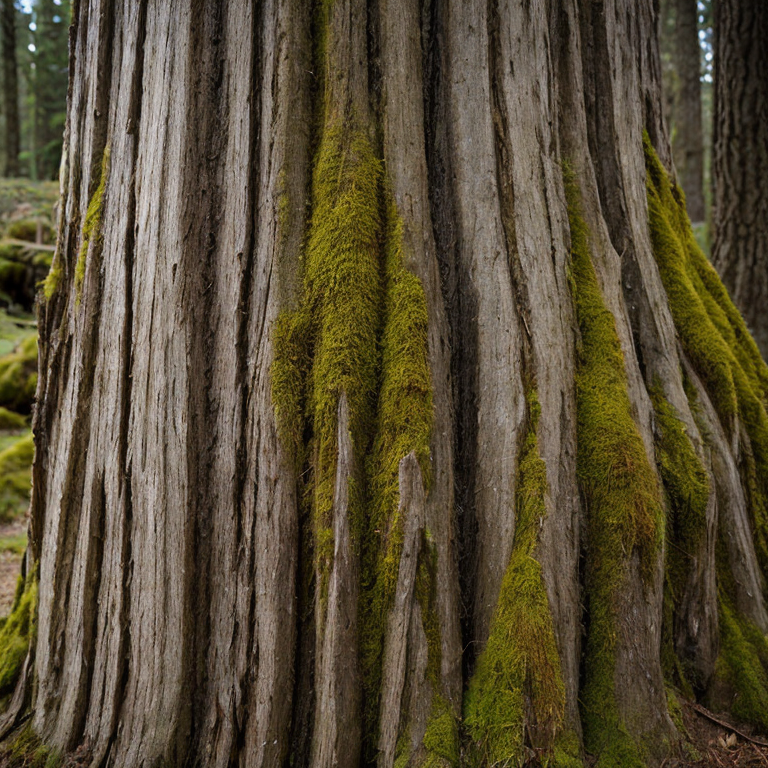
The world’s oldest known tree is a Great Basin bristlecone pine named Methuselah, located in the White Mountains of California. This ancient organism has lived for over 4,800 years and offers unique insights into environmental history and biological adaptation. Understanding Methuselah's age and characteristics helps scientists study long-term ecological changes and climate patterns.
The Science Behind Tree Age Determination
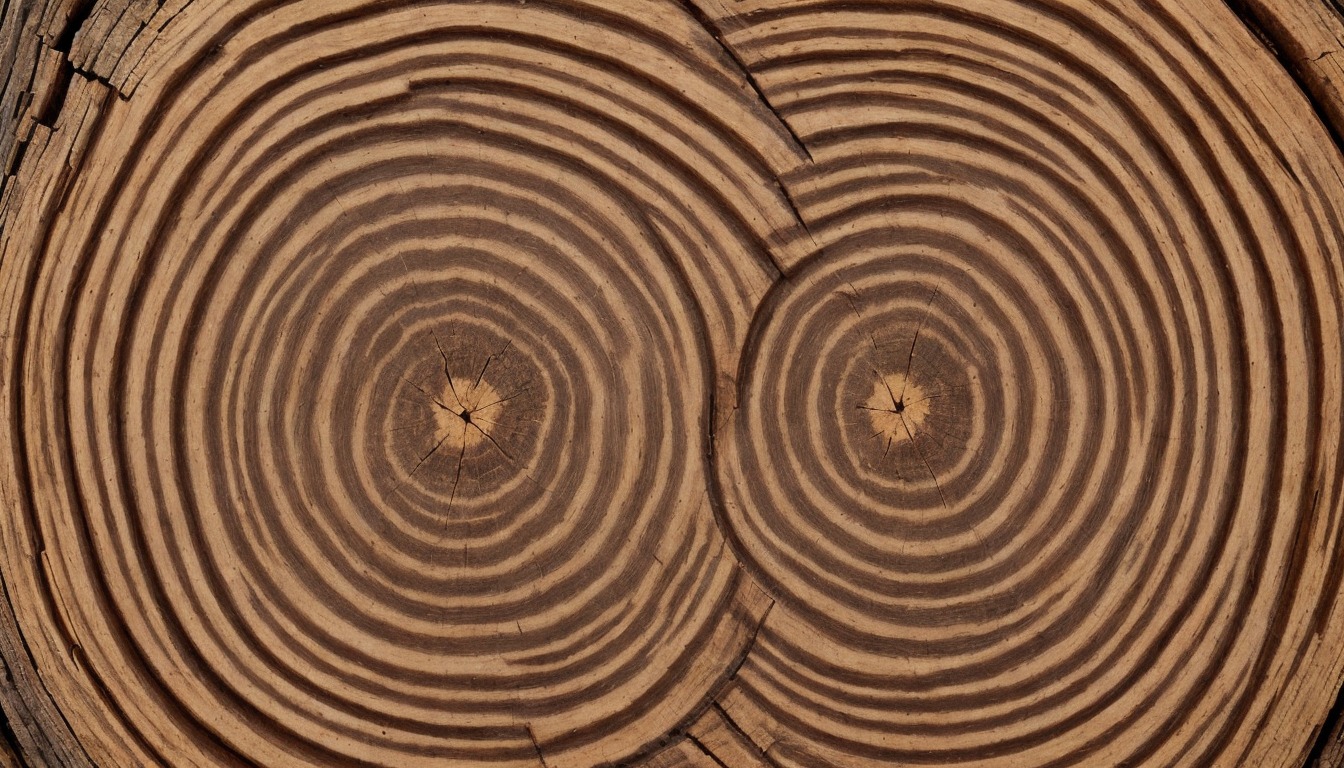
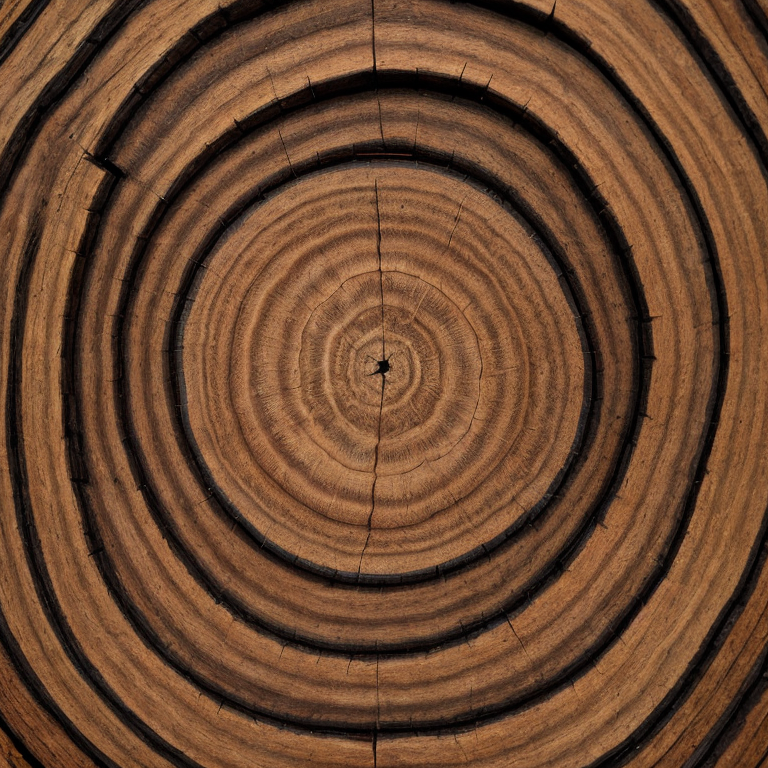
Determining a tree’s age involves analyzing its growth rings, which are visible in cross-sections of the trunk or branches. Each ring represents one year of growth, making it possible to count them and estimate the tree's age accurately. This method is known as dendrochronology.
Dendrochronological Techniques
Dendrochronologists use specialized tools like increment borers to extract small core samples from living trees without causing significant damage. These cores are then analyzed under a microscope, where each ring can be counted and measured for width. The pattern of wide and narrow rings reflects variations in environmental conditions such as temperature, precipitation, and soil quality.
Methuselah's Age
Methuselah’s exact age is determined by examining its growth rings. When the tree was first discovered in 1953, researchers found that it had around 4,600 rings. Since then, additional studies have refined this estimate to over 4,800 years. Methuselah's birth date is estimated to be around 2832 BCE, making it one of the oldest living organisms on Earth.
Historical Context
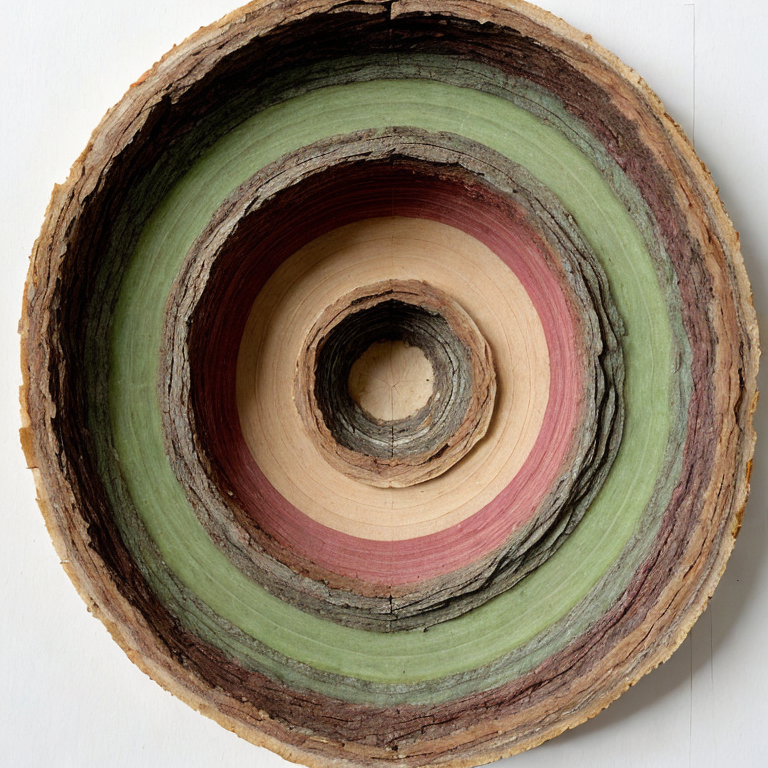
The Great Basin bristlecone pine (Pinus longaeva) has a rich history dating back thousands of years. These trees are found in high-elevation areas with harsh conditions, which contribute to their longevity and unique characteristics.
Discovery of Methuselah
Methuselah was discovered by Edmund Schulman, an American dendrochronologist, during his research on the age and growth patterns of bristlecone pines. In 1953, Schulman identified Methuselah as one of the oldest known living trees based on its extensive ring count.
Significance in Environmental History
Ancient trees like Methuselah provide valuable information about past environmental conditions. By studying the tree rings, scientists can reconstruct historical climate patterns and understand how these changes influenced ecosystems over millennia. This data is crucial for developing models to predict future environmental trends and impacts of global warming.
Etymology and Naming
The term "bristlecone pine" refers to the species’ distinctive needles that are long and sharp like bristles. The specific name Pinus longaeva emphasizes the tree's longevity, derived from Latin words meaning “long-lived” or “ageless.”
Origin of Methuselah’s Name
Methuselah is named after a biblical figure known for his exceptionally long life. According to Genesis in the Bible, Methuselah lived 969 years before dying. The similarity between the tree's extraordinary age and the biblical character inspired its name.
Cultural Significance
Ancient trees like Methuselah hold cultural importance beyond their scientific value. They are symbols of endurance, wisdom, and the interconnectedness of life on Earth.
Artistic Inspiration
Methuselah has been a subject of artistic inspiration for many photographers, painters, and writers who seek to capture its grandeur and historical significance. These works often highlight the tree's resilience in harsh environments and evoke a sense of awe at nature’s enduring power.
Spiritual and Philosophical Reflections
The longevity of Methuselah also invites spiritual and philosophical contemplation about time, mortality, and our place within the natural world. Many people find solace and inspiration in visiting these ancient trees, reflecting on their own lives and the broader context of human history.
Misconceptions About Ancient Trees
Myth: Bristlecone Pines Are Immortal
One common misconception is that bristlecone pines are immortal due to their extreme longevity. While they can live for several millennia, they are still subject to natural processes such as disease and environmental stressors that eventually lead to death.
Fact: Methuselah Is Not the Oldest Living Organism
Another misconception is that Methuselah is the oldest living organism on Earth. Although it holds this distinction among trees, there are other organisms, like certain types of clonal colonies and marine bacteria, which have been alive for longer periods.
Conclusion
Earth's oldest known tree, Methuselah, stands as a testament to nature’s resilience and adaptability in challenging environments. Its remarkable age provides valuable insights into long-term ecological changes and climate patterns. While it holds cultural significance and inspires awe among many people, the scientific study of ancient trees like Methuselah remains crucial for understanding our planet's history and future.