Understanding Glacier Formation: A Fascinating Process
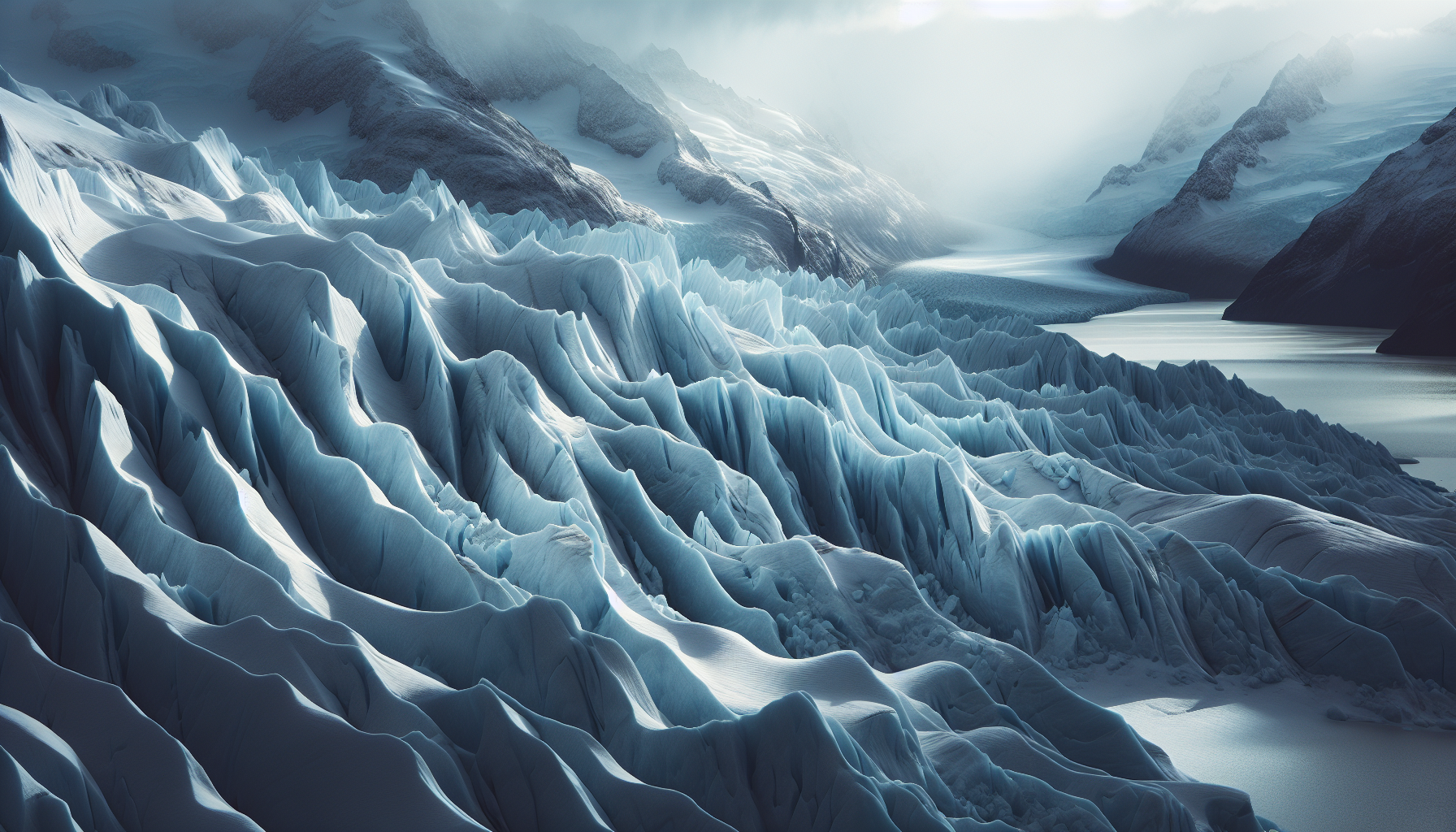
Glaciers, majestic and imposing, are not merely remnants of the Ice Age but dynamic and ever-changing components of Earth's cryosphere. These massive bodies of compacted ice and snow form over centuries, sculpting the landscape and influencing global climate patterns. Understanding how glaciers form provides insight into their crucial role in Earth's geological and hydrological systems.
TL;DR
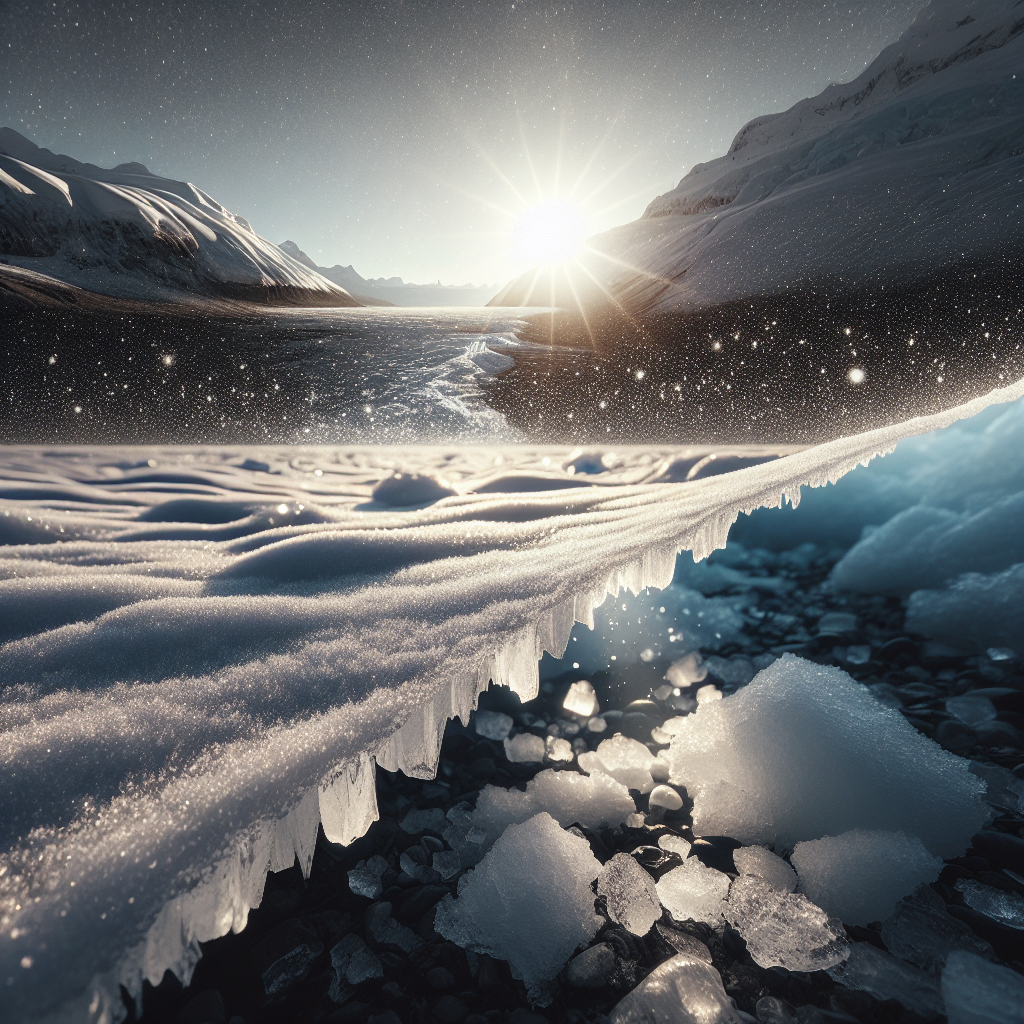
- Glaciers form through the accumulation, compaction, and recrystallization of snow over many years.
- Key factors in glacier formation include sufficient snowfall, cool temperatures, and gradual snow transformation into denser ice.
- Glaciers can be categorized into two main types: alpine and continental glaciers.
- The movement of glaciers is slow and driven by gravity, internal deformation, and basal sliding.
- Glaciers play a significant role in shaping landscapes through processes like erosion and deposition.
- Climate change is impacting glacier size and distribution globally, affecting water resources and sea levels.
The Science of Glacier Formation
Accumulation and Compaction
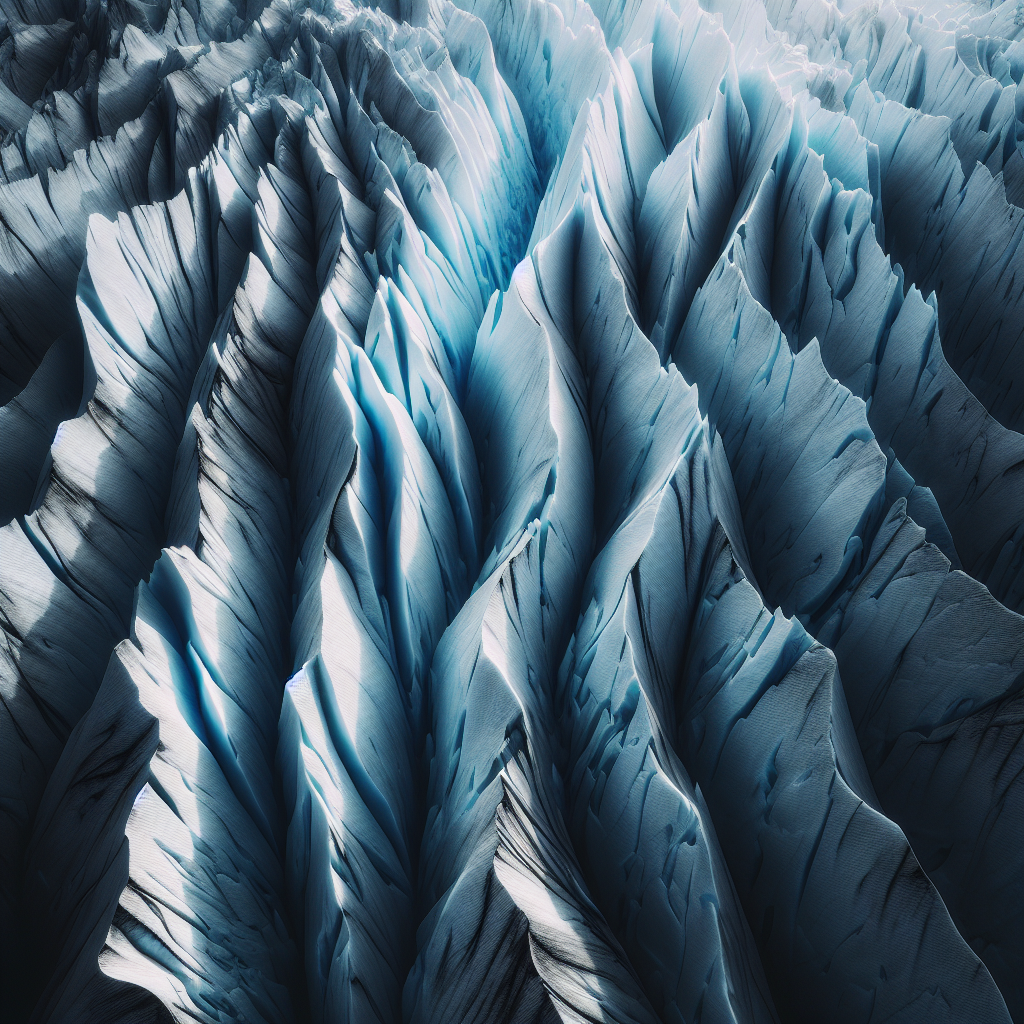
Glacier formation begins with snowfall. When an area receives more snow in the winter than melts in the summer, the surplus snow accumulates. Over time, the weight of new snow layers compresses the underlying layers. This process turns snow into firn—an intermediate state between snow and ice. Firn is granular and more compact than fresh snow but less dense than glacial ice.
Transformation into Ice
As more layers accumulate, the pressure increases, and the firn slowly transforms into solid ice. This transformation involves the recrystallization of ice grains. The grains grow larger and the air pockets between them decrease, making the ice denser and more transparent. This process can take decades or even centuries, depending on environmental conditions.
Movement and Flow
Once formed, glaciers do not remain static. They flow outward and downward due to gravity. This movement can occur through internal deformation of the ice itself and basal sliding, where the glacier slides over the ground beneath it. The rate of flow varies depending on the ice temperature, slope of the land, and the presence of water at the glacier's base, which can act as a lubricant.
Types of Glaciers
Alpine Glaciers
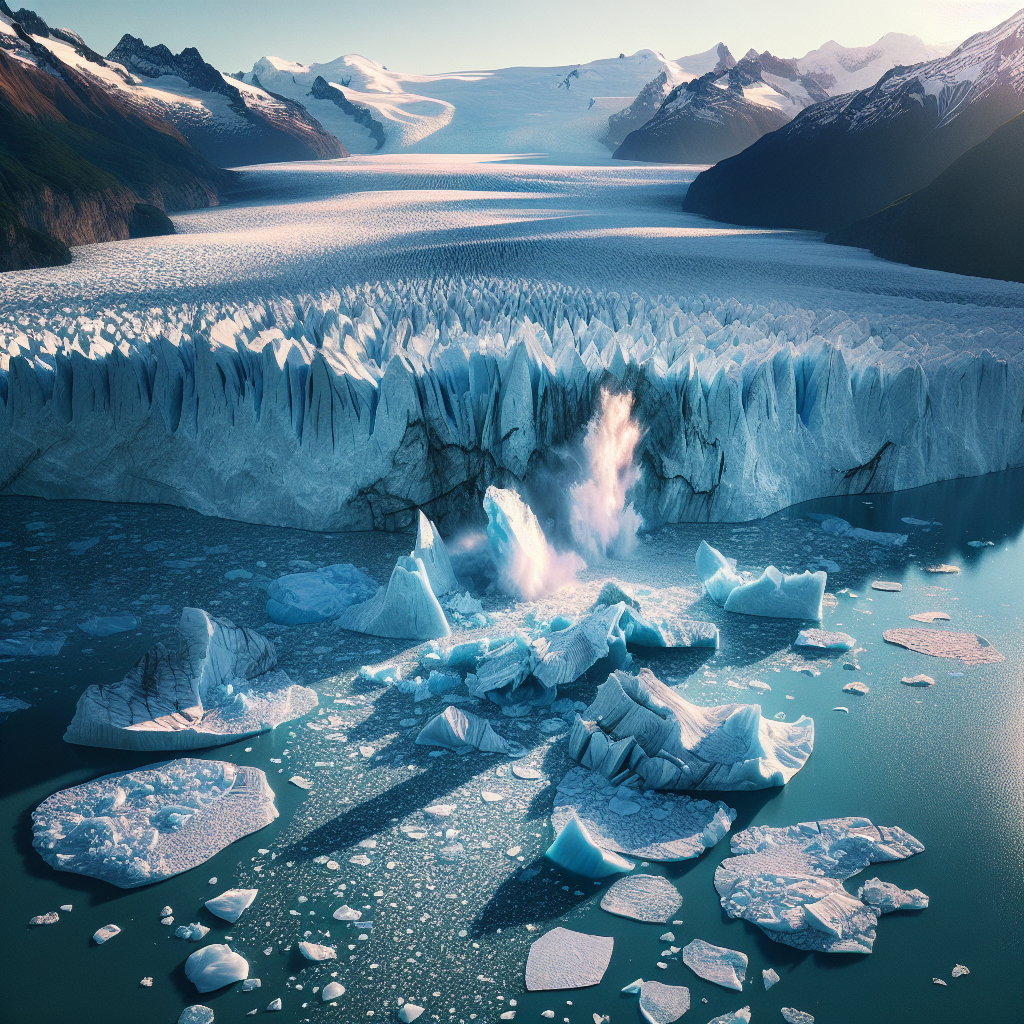
Alpine, or mountain glaciers, form on mountainsides and move down through valleys. They are usually found in high mountain ranges such as the Himalayas, the Alps, and the Rockies. These glaciers are important sources of freshwater and have significant impacts on mountain landscapes.
Continental Glaciers
Larger than alpine glaciers, continental glaciers cover vast areas of land in polar regions, including Greenland and Antarctica. These ice sheets contain the majority of the world's fresh water. Their immense weight and slow movement have a profound effect on the Earth's crust.
Factors Influencing Glacier Growth
Climate Conditions
Temperature and precipitation are critical in glacier formation and stability. Cooler temperatures reduce the amount of melting in the summer, while increased snowfall ensures more material is available to form ice. Conversely, warmer temperatures and reduced snowfall can lead to glacier retreat.
Topography
The shape and elevation of the landscape also play a role in glacier development. Steep slopes may encourage faster movement and more dynamic glaciers, while flatter areas may support the formation of larger, slower-moving ice sheets.
Geological Factors
The presence of certain rock types can affect how glaciers move and erode the landscape. Softer rocks are more easily eroded by glacial action, leading to more pronounced glacial valleys and fjords.
Impact of Climate Change on Glaciers
The current global trend of warming temperatures has led to widespread glacier retreat. This not only affects sea level rise due to the addition of more water from melting glaciers but also impacts freshwater resources for millions of people. Additionally, the retreat of glaciers can lead to natural hazards like glacial lake outburst floods.
Conclusion
Glaciers are not static relics of the past but dynamic natural entities that play a vital role in Earth's environmental system. The formation of glaciers through the accumulation and compaction of snow, followed by their slow but impactful movement, highlights their role in shaping our planet's landscape and influencing the global climate. As climate change continues to threaten these magnificent ice masses, understanding their formation and function becomes ever more crucial in efforts to mitigate and adapt to environmental changes.