Exploring the Phases of the Moon: What Causes Them?
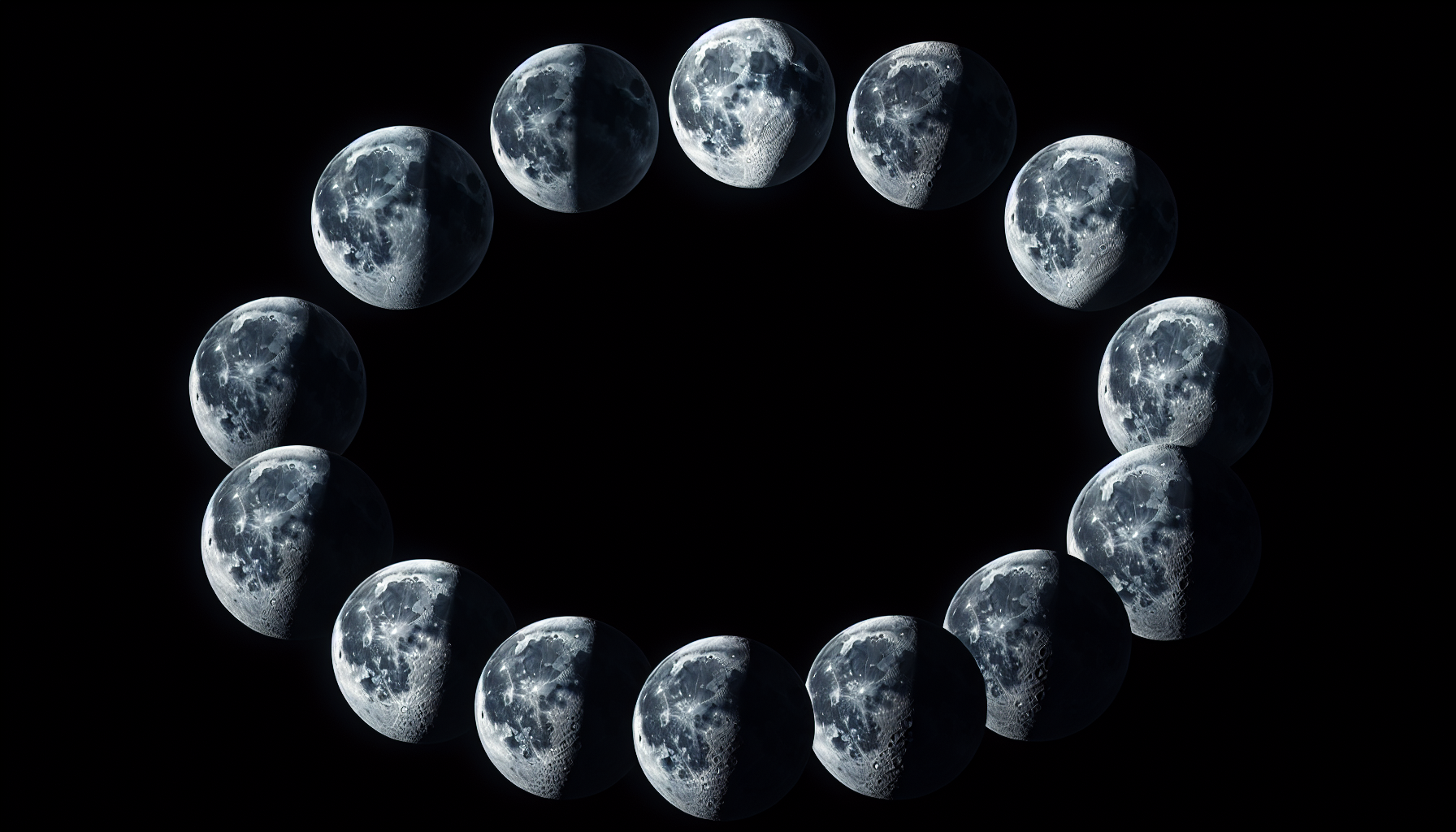
The moon's phases are a captivating celestial phenomenon, visible from Earth as it travels through its monthly cycle. These phases provide not just a basis for the lunar calendar but also influence various cultural and scientific practices. Understanding why we see these changes in the moon's appearance helps us appreciate the dynamics of our planet-moon system.
TL;DR
- Moon Phases Occur: Due to the moon's orbit around the Earth and the changing angles of sunlight it receives.
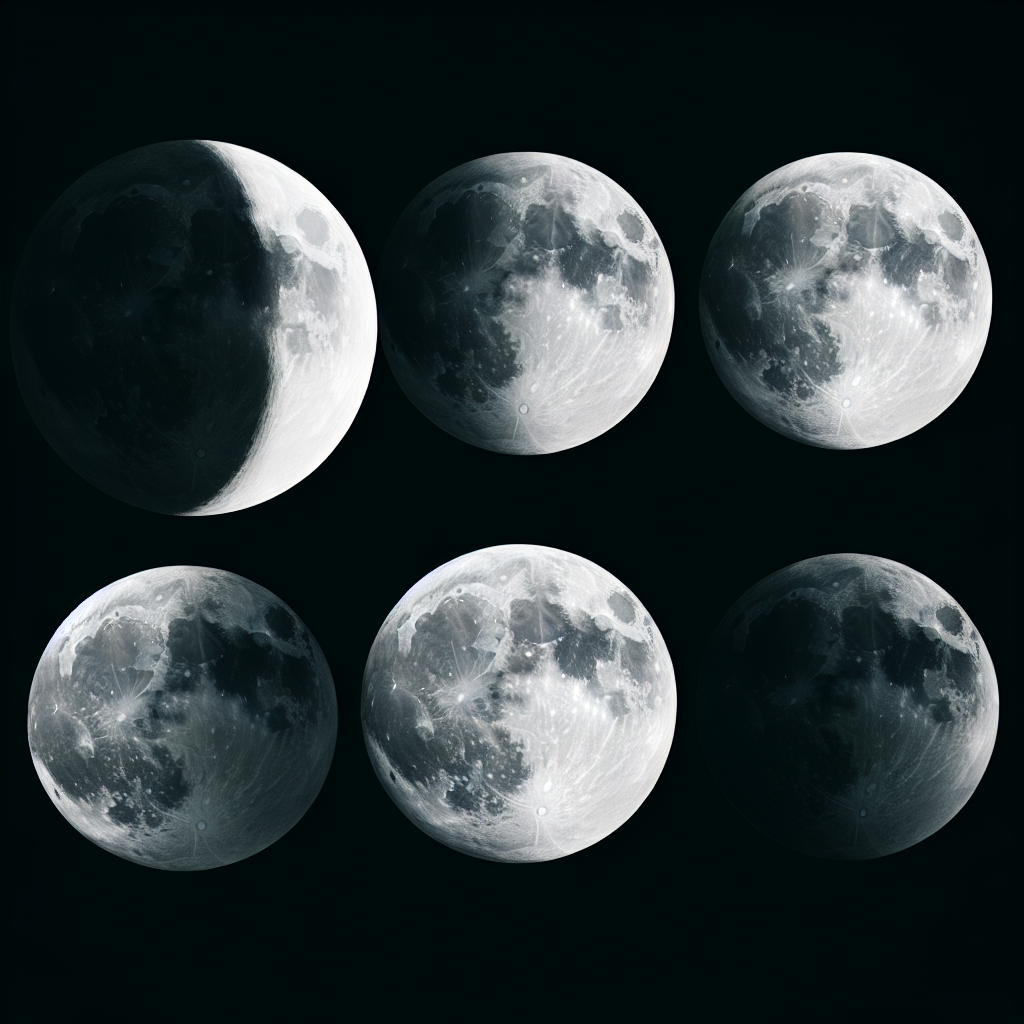
- Key Phases: Include new moon, waxing crescent, first quarter, waxing gibbous, full moon, waning gibbous, third quarter, and waning crescent.
- Sunlight and Shadow: Phases result from our view of the moon's sunlit half and the shadowed half.
- Monthly Cycle: Takes about 29.5 days for the moon to complete its phases cycle, known as a lunar month.
- Observational Variety: The appearance of phases can vary slightly based on the observer’s location on Earth.
- Impact on Earth: Influences tides and, historically, guided agricultural and social activities.
The Science Behind Moon Phases
How Moon Phases Work
The moon orbits Earth approximately every 27.3 days, but the cycle from one new moon to the next takes about 29.5 days—this discrepancy is due to the Earth's simultaneous orbit around the sun. As the moon travels around Earth, the angle at which sunlight hits it changes. These varying angles result in different portions of the moon being illuminated as seen from Earth, creating the phases.
Sun-Earth-Moon Geometry
The key to understanding moon phases lies in the geometric arrangement of the sun, Earth, and moon. This arrangement determines how much of the moon's surface appears lit to an observer on Earth. For instance:
- New Moon: The moon is between the sun and Earth, with its sunlit side facing away from us.
- Full Moon: Earth is between the sun and the moon, with the moon's sunlit side fully visible.
- Quarter Phases: Occur when the moon is at a 90-degree angle with respect to the Earth and sun, showing us exactly half of its sunlit side.
Observing the Moon's Phases
To observe the moon's phases, one can simply look up at the sky over the course of a month. Each phase has its own typical time for visibility:
- New Moon: Best just before sunrise.
- Full Moon: Rises at sunset and sets at sunrise.
- Crescents and Gibbous Phases: Visible in the hours just after sunset or before sunrise, respectively.
Historical Context of Moon Phases
Early Observations and Records
Historically, many cultures recognized the importance of moon phases. Ancient civilizations such as the Babylonians and the Maya meticulously recorded lunar cycles and used them to guide agricultural practices, religious ceremonies, and even constructed lunar calendars.
The Lunar Calendar
Lunar calendars, unlike solar calendars, are based on the cycle of the moon phases rather than the sun's position. These calendars have been essential for various cultures worldwide, including the Islamic calendar, which is still in use today.
Etymology of Moon Phases
Origin of the Names
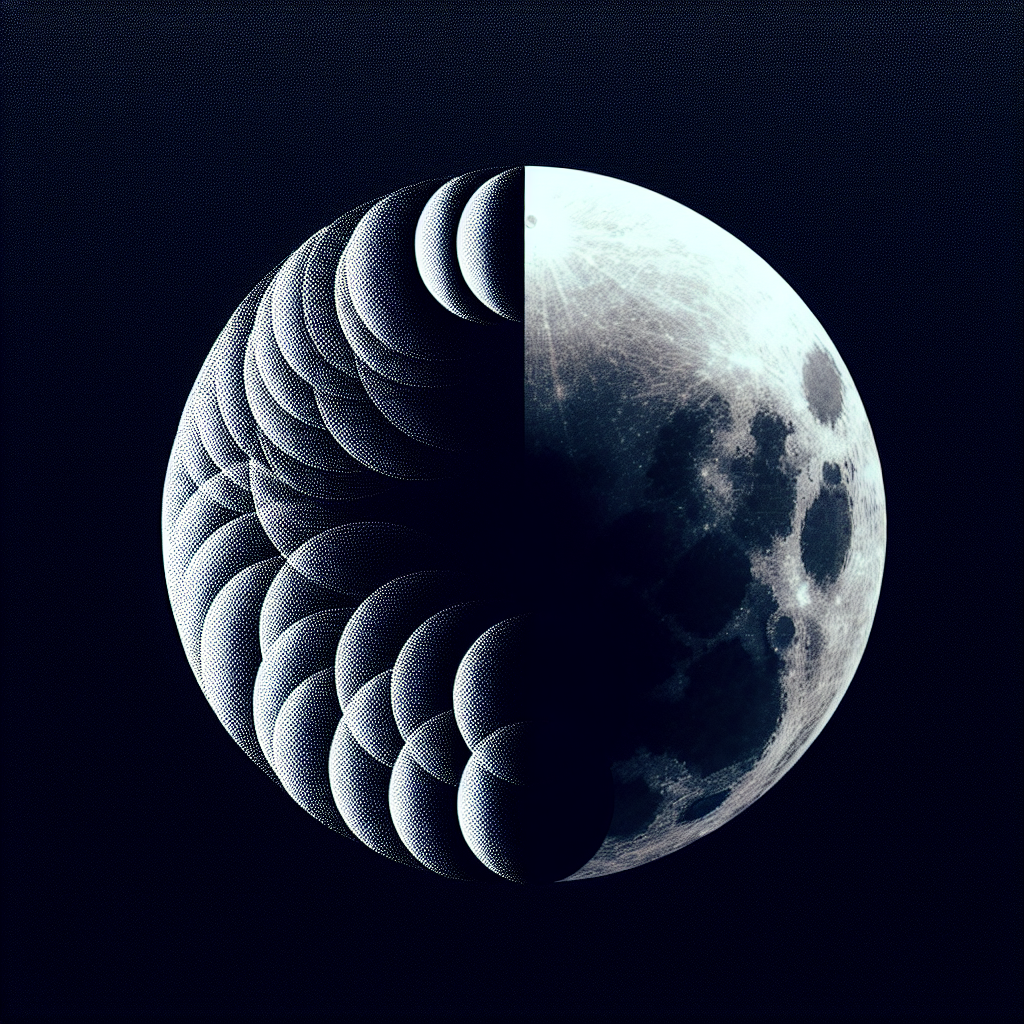
The terminology used to describe moon phases comes from a mix of Old English and Latin:
- Crescent: From the Latin 'crescere', meaning to grow.
- Gibbous: From the Latin 'gibbus', meaning humpbacked.
These names reflect the shapes and stages of the moon as it waxes (increases) or wanes (decreases) in visibility.
Cultural Significance
Moon Phases in Rituals and Beliefs
In many cultures, moon phases hold significant spiritual and practical importance. For example, in some Native American tribes, the full moon is a time to gather and perform ceremonial dances. In agriculture, phases of the moon are considered when planting and harvesting crops, a practice still followed by some today.
Misconceptions and Clarifications
Common Myths
A prevalent myth is that moon phases affect human behavior, leading to higher rates of crime or madness during the full moon, often referred to as the "lunar effect". Scientific studies have found no reliable evidence supporting these claims.
The Dark Side of the Moon
Another common misunderstanding is the term "dark side" of the moon, which implies perpetual darkness. In reality, all parts of the moon experience day and night just like Earth, with each lunar day lasting about 29.5 Earth days.
Conclusion
The phases of the moon are a result of the interplay between the positions of the moon, Earth, and the sun. This celestial phenomenon has not only facilitated the development of calendars and guided agricultural practices but also holds a place in various cultural beliefs and rituals around the world. While modern science has clarified many misconceptions about the moon phases, they continue to captivate the imagination and contribute to our understanding of the natural world. Observing these phases can provide a deeper appreciation for the intricate and beautiful mechanics of our solar system.