
Why Eating Chilies Can Make You Tired
TL;DR:
- Spicy foods like chili peppers can cause a temporary increase in body temperature and heart rate.
- The active compound capsaicin may lead to the release of stress hormones, which can induce fatigue.
- Digesting spicy food requires more energy than digesting bland food.
- Some individuals experience post-meal lethargy due to the vasodilating effects of chili peppers.
- There is a correlation between eating spicy foods and increased sleepiness in some people.
The Science Behind Feeling Sleepy After Eating Chilies
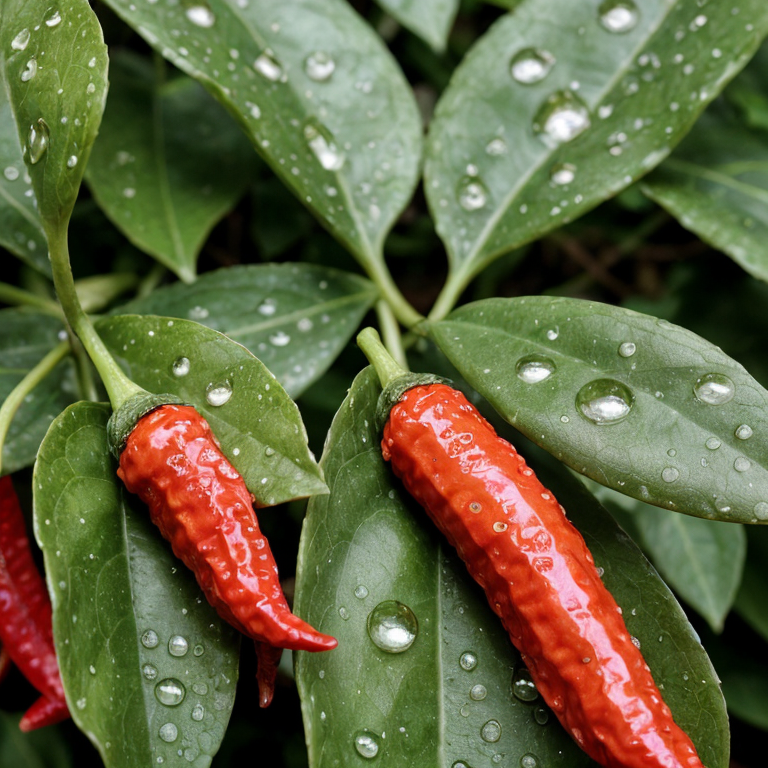
Chili peppers, known for their pungent heat and culinary versatility, contain an active compound called capsaicin. Capsaicin is responsible for the burning sensation felt when consuming chili peppers and can affect various physiological processes within the body. One notable effect is that some individuals report feeling sleepy or lethargic after eating spicy meals.
How Capsaicin Affects the Body
Capsaicin triggers a response in the nervous system, causing the release of neurotransmitters such as serotonin and norepinephrine. These chemicals are often associated with stress responses and can lead to an increase in heart rate and body temperature. The body's attempt to regulate these changes can result in fatigue.
Energy Expenditure During Digestion
Digesting spicy foods like chili peppers requires more energy than digesting bland food due to the increased metabolic activity needed to process capsaicin. This heightened metabolic demand can lead to a temporary depletion of energy reserves, contributing to feelings of tiredness after eating.
Historical and Cultural Context of Spicy Foods

The use of chili peppers in cuisine dates back thousands of years, with origins in Central and South America. Ancient cultures recognized the medicinal properties of these plants, using them not only as flavor enhancers but also for their perceived health benefits. Over time, spicy foods became integral to many global culinary traditions.
Cultural Perceptions of Spicy Foods
In some cultures, eating spicy food is seen as a rite of passage or a sign of toughness and endurance. However, the perception that spicy meals can induce fatigue has been documented across various societies where chili peppers are commonly consumed. This phenomenon is often attributed to the body's natural response to the heat-inducing effects of capsaicin.
The Etymology and Evolution of Spicy Cuisine

The term "chili" itself comes from the Nahuatl word "chil," which was adopted into Spanish as "chile." Over centuries, chili peppers have spread across continents, adapting to different climates and culinary practices. This global dispersal has led to a diverse array of spicy dishes that reflect local tastes and traditions.
Modern Popularity and Research
In recent years, there has been growing interest in the health benefits associated with capsaicin and other compounds found in chili peppers. Studies have explored potential links between eating spicy foods and weight management, cardiovascular health, and pain relief. However, these investigations also highlight the need to understand the full spectrum of effects that spicy meals can have on individuals.
Misconceptions About Spicy Food and Sleepiness

One common misconception is that feeling sleepy after eating chili peppers is solely due to comfort food associations. While psychological factors such as the sense of satisfaction from a hearty meal can contribute to post-meal lethargy, the physiological effects of capsaicin play a significant role.
Debunking Myths
Another myth is that spicy foods cause dehydration and subsequent fatigue. Although chili peppers do not inherently dehydrate individuals, they may lead to increased sweating as part of the body's thermoregulatory response to the heat produced by capsaicin. This can contribute to feelings of tiredness without necessarily leading to actual dehydration.
Conclusion
Feeling sleepy after eating chili peppers is a complex phenomenon influenced by both physiological and cultural factors. The active compound capsaicin triggers various bodily responses that can lead to temporary fatigue, while the energy demands of digesting spicy foods also play a role. Understanding these mechanisms helps clarify why some people experience post-meal lethargy despite the widespread enjoyment and health benefits associated with spicy cuisine.
In summary, while eating chili peppers offers numerous culinary and potential health advantages, it is important for individuals to be aware of their body's unique response to these pungent ingredients.