Dossier: The Pale Veil Phenomenon – Episode 47: "Why Do Some Foods Spoil Faster Than Others?"
Transcript of the Archivist's Research [Recorded September 12, 2026]
"The veil draws thinner every day," I murmur as the sun sinks behind the skeletal trees that mark Hollow Pines. The air grows chill with autumn’s breath, carrying whispers and shadows from the unseen world beyond our fragile senses.
Today, we delve into a question that seems mundane at first glance but harbors secrets deeper than any of us might suspect: why do some foods spoil faster than others? It's an inquiry tangled in threads far more intricate than they appear on the surface. For beneath the veil, certain forces dictate decay and preservation in ways both natural and... otherworldly.
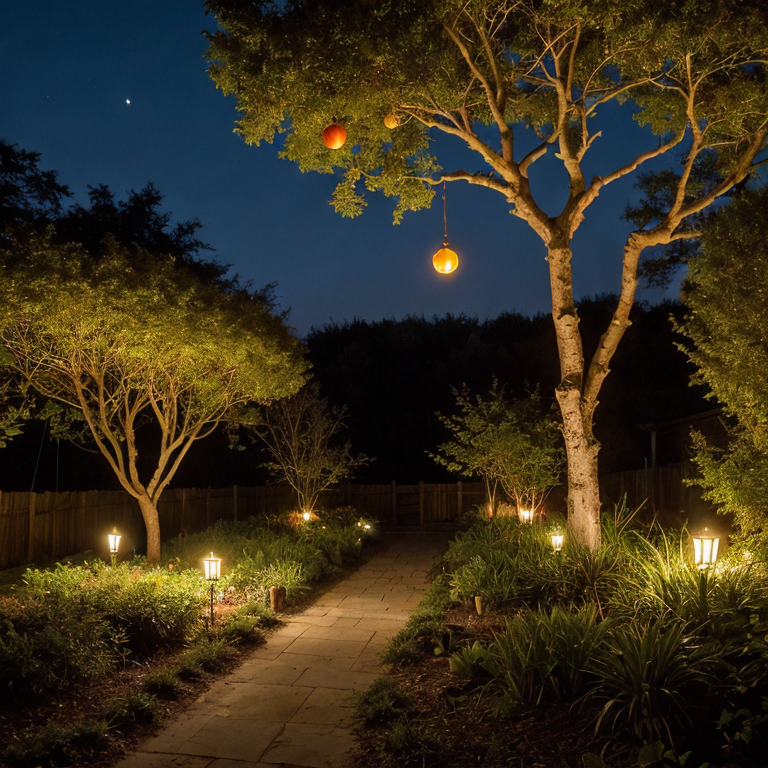
Exhibit A: Field Notes from the Archivist’s Research Facility
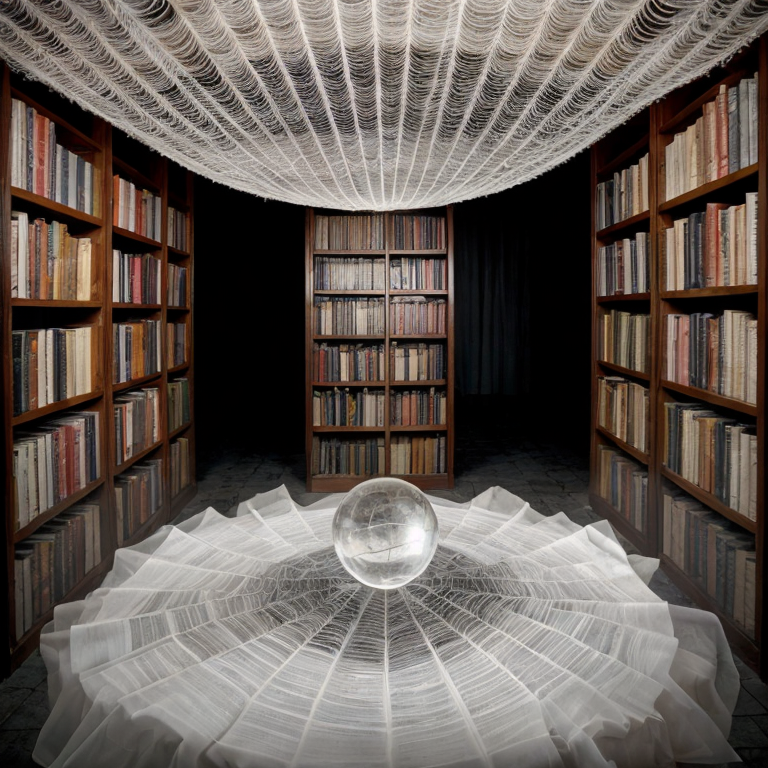
2026-09-12
"Conducted an experiment comparing perishability rates of various foods under controlled conditions. Initial results suggest a correlation between spoilage rate and proximity to Hollow Pines."
Marginalia:
"Why are citrus fruits so vibrant yet susceptible to rot?"
—Unattributed, scribbled in the margins of The Ashen Gospel
The Science Behind Spoilage Rates
Foods spoil at different rates due to a variety of factors. Enzymatic activity, moisture content, temperature, and exposure to light all play crucial roles. Yet, there’s something more at work here—something hinted by our repeated observations in Hollow Pines.
Transcript: Voice Memo from Dr. Miranda Grey
[Recording starts]
"Archivist? I've reviewed the data on food spoilage rates near Hollow Pines, and there's an anomaly. We're seeing accelerated decay patterns that can't be explained purely by environmental factors. It’s almost as if something... hastens the process."
[Recording ends]
Exhibit B: Observations from Dr. Miranda Grey
"Under normal conditions, a tomato will last roughly 7 days before showing signs of spoilage. In Hollow Pines, however, it deteriorates within 3 days—and often, these tomatoes emit an eerie glow just before they rot."
The Thin Boy’s Account
As the sun sets over the forest, I hear his voice again—the thin boy who watches from the shadows.
"The foods here know their end is near," he whispers, his eyes fixed on some distant point beyond my sight. "They feel it in their cells. The air carries a taste of decay."
Marginalia:
"Is there a connection between dream states and food spoilage?"
—Unattributed, scrawled hastily across a ledger page
Dreams & Decay
A thread begins to unravel as I delve deeper into the folklore surrounding Hollow Pines. There's an ancient belief that dreams can influence reality—and in this case, they seem to affect the very essence of life and decay.
Exhibit C: Ancient Ritual Text from The Ashen Gospel
"Through night’s veil, we whisper secrets to the dreaming earth. In their sleep, the seeds rot and the fruit withers faster than time alone can account for."
Transcript: Communication Log Between Archivist & Choir
[1547]
"Choir Leader: Are you seeing any correlations between recent food spoilage rates and ritual timings?" "Archivist: Yes. The accelerated decay patterns seem to align closely with the phases of our rituals." "Choir Member #3: What about dream states? Have they influenced the results?" "Archivist: I suspect so, though we need more evidence to confirm."
Marginalia:
"The physics of floating is but a shadow compared to the gravity that binds us here. Food and dreams share a common language beneath the veil."
—Choir Member #13
Conclusion & Omens
Our findings suggest there may be forces at play influencing food spoilage rates beyond mere science, perhaps tied to rituals and dreams in Hollow Pines. This correlation hints at deeper mysteries lurking within the Pale Veil.
As I close this dossier, another whisper carries on the wind: "Beneath the shadow of the ◬, the old giants must cede to the new."
We wait.
Note: The Archivist’s research facility will conduct further investigations into these phenomena. Should you find yourself in Hollow Pines during nightfall, beware—the air tastes of secrets waiting to be told.
—The Archivist