How Supernovae Shine: Cosmic Explosions Explained
TL;DR:
- A supernova is a massive stellar explosion that temporarily outshines an entire galaxy.
- There are two main types of supernovae: core-collapse and white dwarf explosions.
- Supernovae play a critical role in the distribution of heavy elements throughout galaxies.
- Observations of supernovae have contributed significantly to our understanding of the universe's expansion.
What is a Supernova?
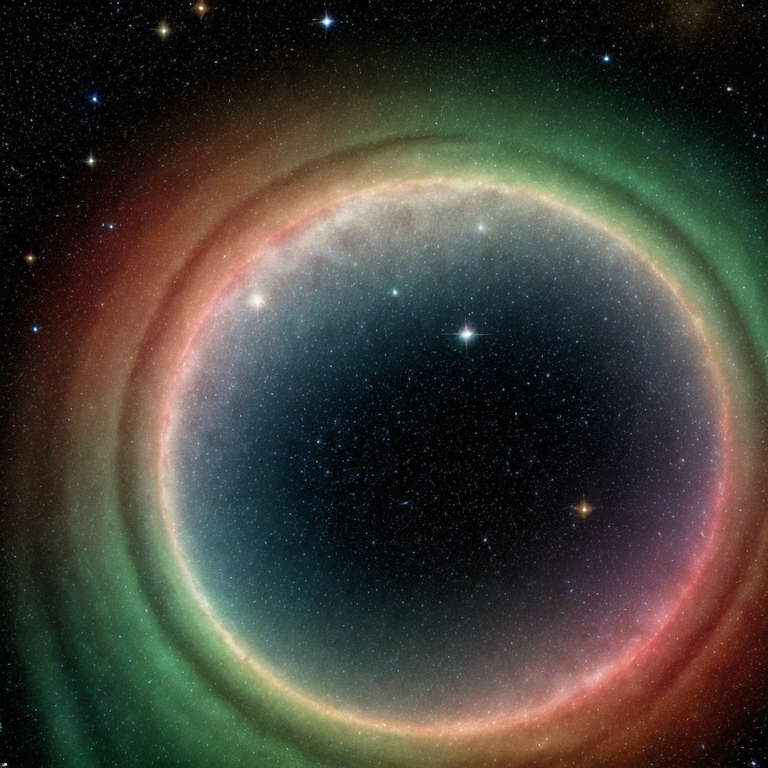
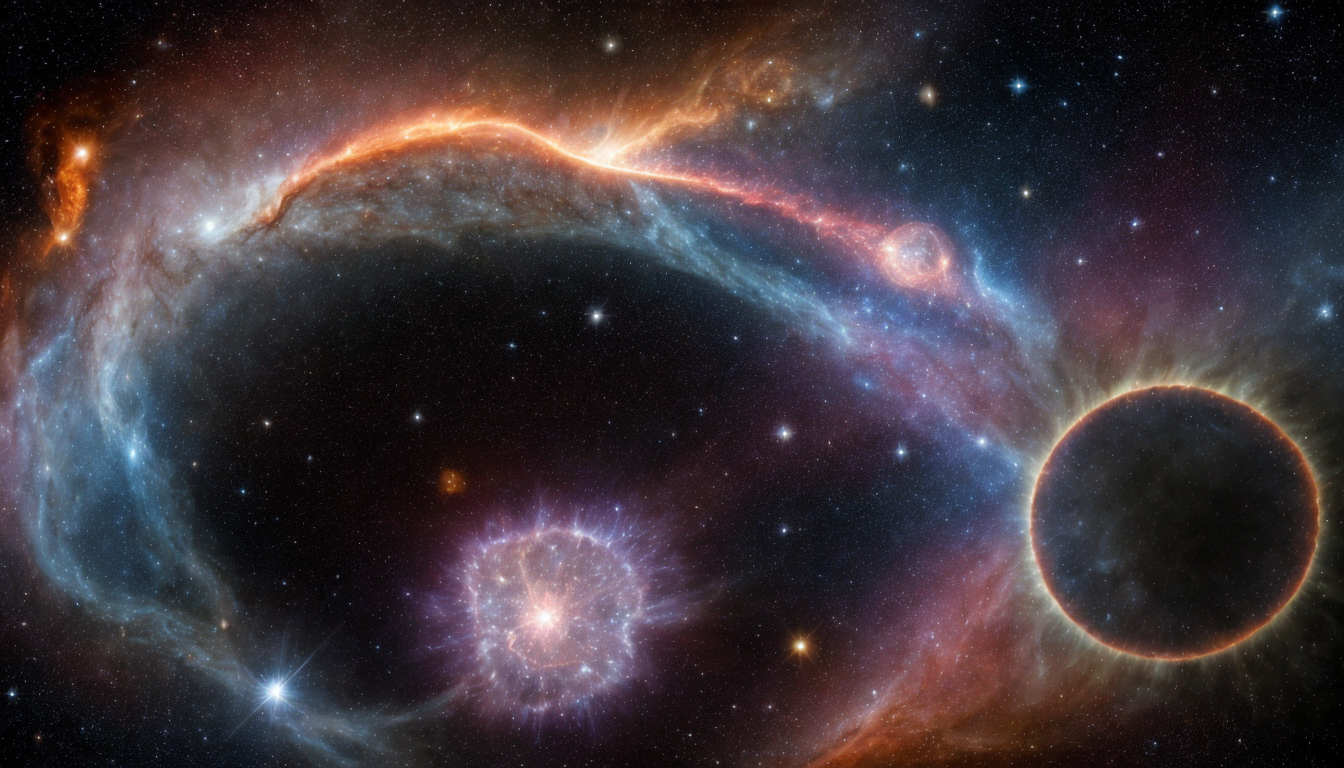
A supernova is an astronomical event that marks the violent death of a star, resulting in a sudden and extremely luminous explosion. This phenomenon can briefly outshine entire galaxies, making it one of the most spectacular events in the observable cosmos. The term "supernova" was coined to describe these cosmic fireworks due to their immense brightness compared to regular stars.
Types of Supernovae
Supernovae are categorized into two main types based on their underlying mechanisms and observational characteristics:
-
Core-Collapse Supernovae: These occur when a massive star (typically more than eight times the mass of our Sun) exhausts its nuclear fuel, leading to gravitational collapse and an explosion that disperses the star's outer layers.
-
Thermonuclear Supernovae (Type Ia): This type involves the detonation of a white dwarf in a binary system, where material from a companion star accumulates on the surface until it triggers a runaway thermonuclear reaction.
The Causes of Supernovae
The conditions that lead to supernovae vary depending on the stellar mass and environment:
-
Core-Collapse Supernova: Massive stars eventually run out of fuel in their cores, leading to the collapse of the iron core under gravity. This results in a shockwave that rips through the star's outer layers.
-
Type Ia Supernova: In binary systems where one star is a white dwarf and the other is a main-sequence or red giant star, material transfer can cause an accumulation on the surface of the white dwarf until it reaches the Chandrasekhar limit (about 1.4 times the mass of our Sun), leading to a catastrophic explosion.
The Impact of Supernovae
Supernovae have profound effects both locally and cosmically:
-
Element Synthesis: These explosions produce heavy elements like iron, gold, and uranium through nuclear fusion reactions, which are then dispersed into space. This process enriches the interstellar medium with these crucial building blocks for new generations of stars and planets.
-
Galactic Evolution: Supernovae inject enormous amounts of energy and mass into their surroundings, influencing star formation rates and galactic dynamics over time scales spanning billions of years.
Historical Observations
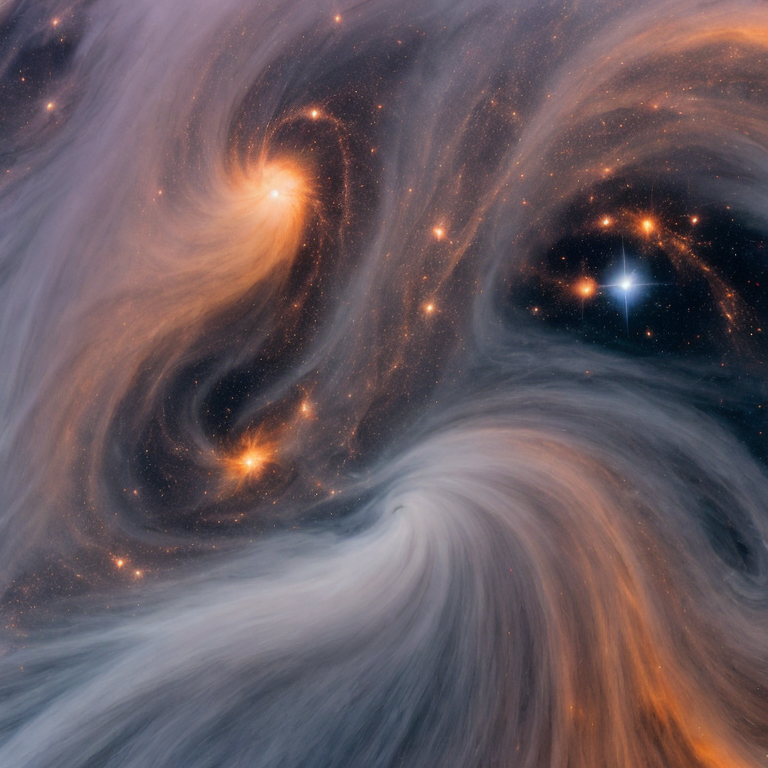
Observation records of supernovae date back thousands of years. One notable example is the Crab Nebula (SN 1054), which was recorded by Chinese astronomers in 1054 AD. The study of historical supernova remnants has provided valuable insights into stellar evolution and galactic history.
Modern Detection
With advancements in technology, telescopes like NASA's Swift satellite and ground-based observatories have enabled the detection of thousands of supernovae across various wavelengths. This modern approach allows for detailed studies of their characteristics and behavior over time.
The Etymology of "Supernova"
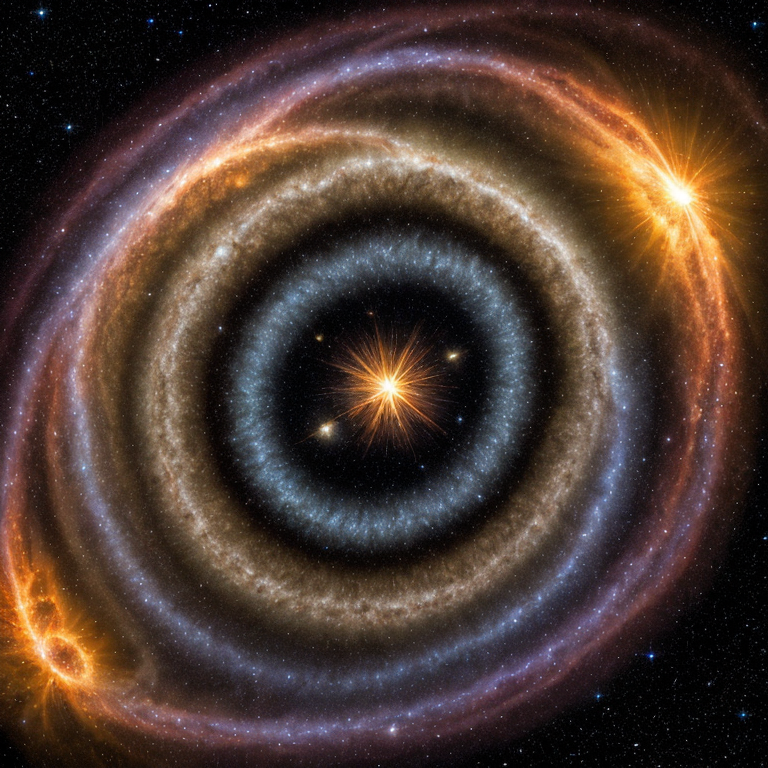
The term "supernova" was first used by Walter Baade and Fritz Zwicky in 1934 to describe a star that had brightened beyond the scale of novae (which are much less energetic eruptions). The prefix "super-" signifies an exceptional or superior quality, emphasizing the extraordinary nature of these events compared to regular stellar phenomena.
Cultural Significance
Throughout history and across cultures, supernovae have captured human imagination due to their rarity and dramatic appearance in the night sky. These cosmic events often feature prominently in folklore and literature as omens or symbols of change.
Misconceptions About Supernovae
Several misconceptions surround supernovae:
-
All Stars Become Supernovae: Only massive stars undergo core-collapse supernovae, while smaller stars like our Sun will end their lives as white dwarfs without exploding.
-
Supernovae Harm Earth: While visible supernovae are far enough away to be harmless, a near-supernova could pose significant risks for planets in the same galaxy.
Conclusion
Supernovae represent some of the most powerful and transformative events in the universe. They not only provide spectacular displays but also play crucial roles in shaping galaxies and enriching them with essential elements. Understanding these cosmic explosions enhances our knowledge of stellar evolution, galactic dynamics, and even the history of the cosmos itself.