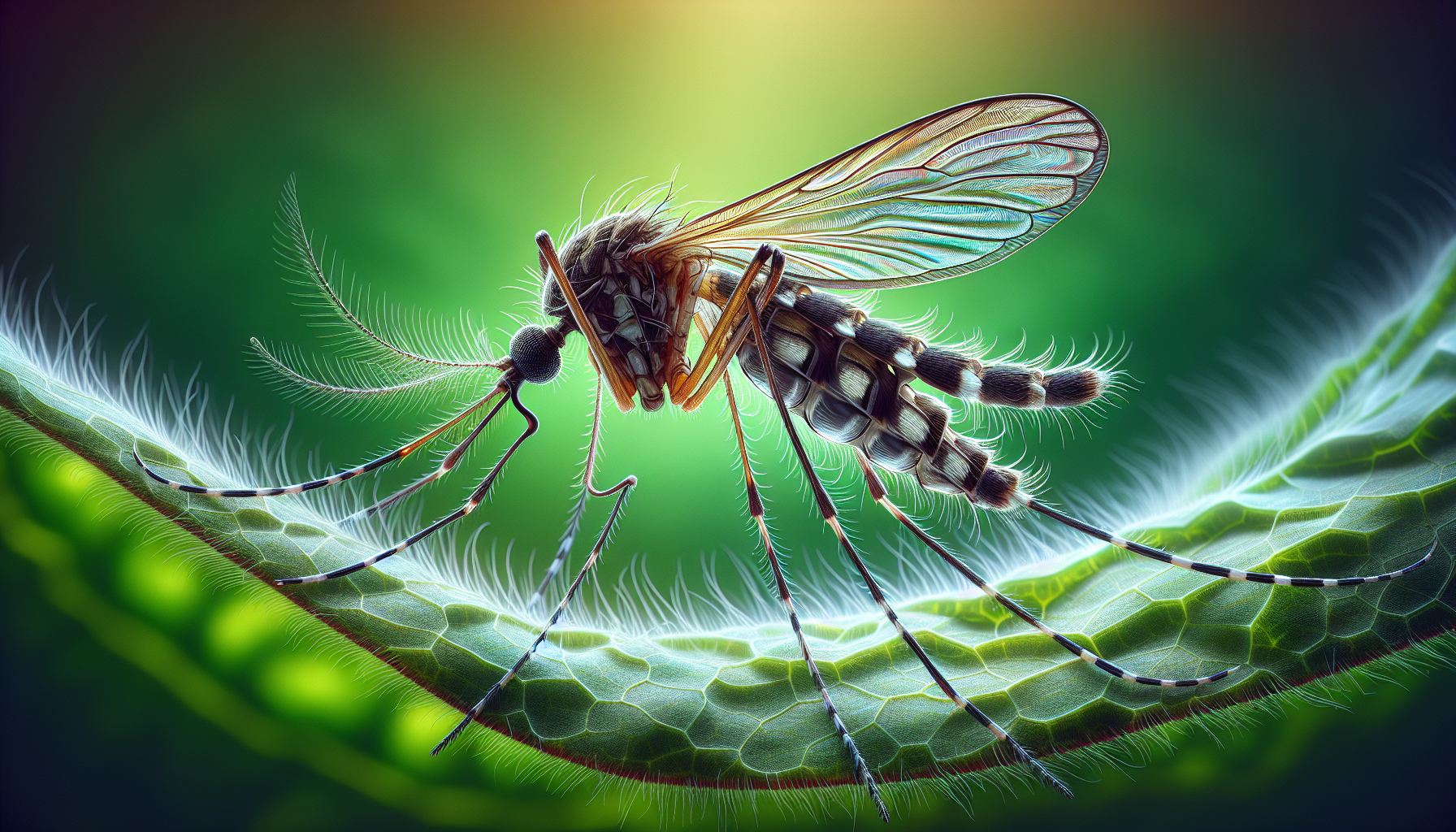
Unveiling the Mystery: Why Do Mosquitoes Bite?
Mosquitoes are more than just unwelcome guests at summer picnics. These tiny insects are driven by a complex set of biological and environmental factors when they decide to bite humans and other animals. Understanding why mosquitoes bite can help us better protect ourselves and reduce the spread of the diseases they often carry.
TL;DR
- Biological Need: Female mosquitoes bite to obtain blood, which provides the proteins and iron necessary for egg production.
- Sensory Cues: Mosquitoes are attracted to carbon dioxide, body heat, and certain body odors.
- Genetic and Environmental Factors: Individual attractiveness to mosquitoes can vary based on genetics and environmental conditions.
- Disease Transmission: Mosquito bites can transmit diseases like malaria, dengue, and Zika virus.
- Preventive Measures: Understanding attraction factors can lead to more effective mosquito repellents and control strategies.
- Ecological Role: Mosquitoes play roles in ecosystems, such as pollination and as a food source for other wildlife.
Biological Imperatives Behind Mosquito Bites
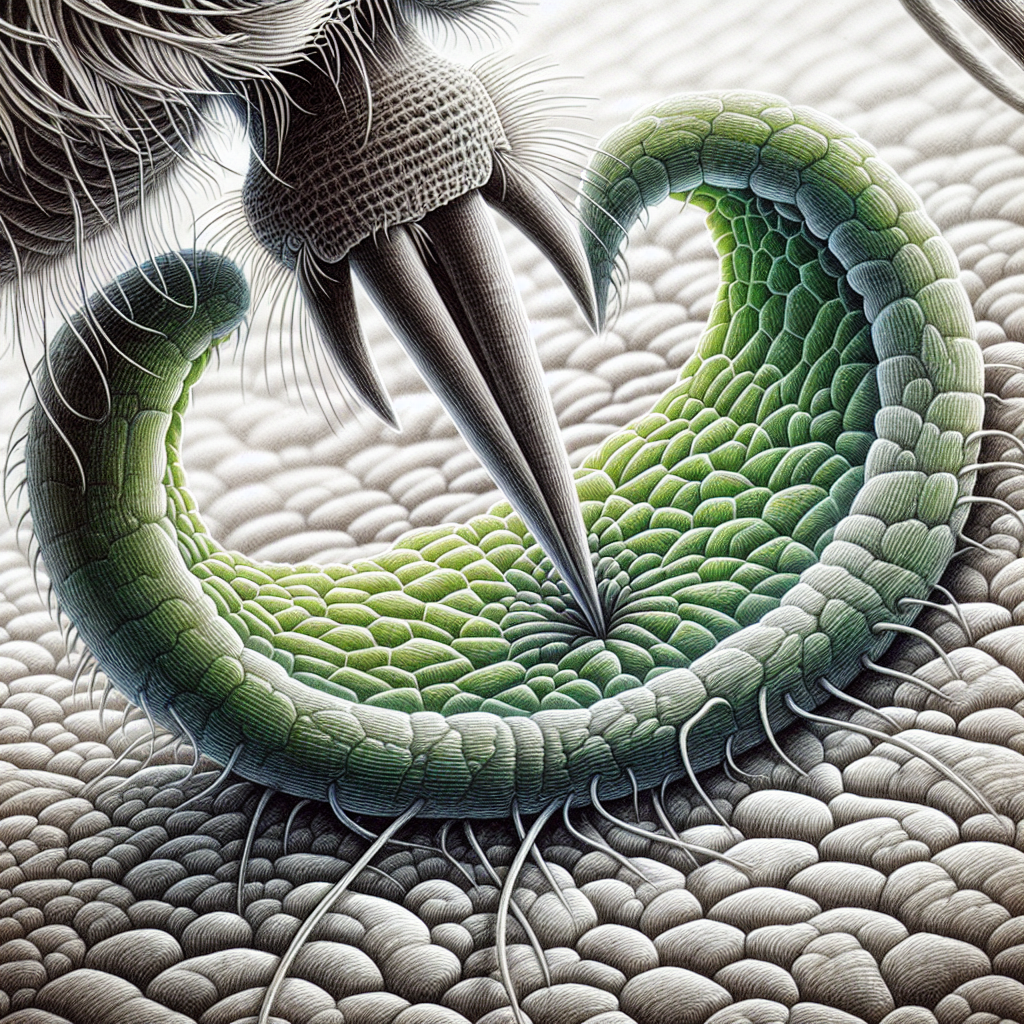
The Role of Female Mosquitoes
Only female mosquitoes bite humans and animals. They use the proteins and iron found in blood to develop their eggs. Unlike males, which feed on nectar, females require this blood meal for reproductive purposes. This biological demand drives much of the behavior associated with mosquito bites.
How Mosquitoes Choose Their Targets
Mosquitoes use a variety of sensory information to locate their next meal. They detect carbon dioxide released from breathing as well as body heat. Once close to a potential host, other cues such as body odor, which is influenced by genetics, bacteria on the skin, and substances like lactic acid, come into play.
Sensory Mechanisms in Mosquitoes

Carbon Dioxide Detection
Mosquitoes have specialized organs called maxillary palps, which are sensitive to the carbon dioxide (CO2) exhaled by animals and humans. This capability allows them to detect potential hosts from a distance of up to 50 meters.
Heat and Odor Sensing
In addition to CO2, mosquitoes are attracted to body heat and specific odors. They possess thermal receptors to locate warmth, which helps them pinpoint blood vessels close to the skin. Compounds such as ammonia, lactic acid, and other substances emitted through sweat can also attract mosquitoes.
Genetic and Environmental Influence on Mosquito Attraction
Genetic Factors
Research indicates that certain genetic factors may make some individuals more attractive to mosquitoes than others. For example, blood type can influence mosquito preference, with some studies suggesting that people with Type O blood are more frequently bitten than those with Type A.
Environmental Influences
The surrounding environment can also affect how often individuals are bitten. High humidity and warmer temperatures increase mosquito activity and breeding, leading to higher bite rates. Clothing color and the presence of water bodies, where mosquitoes breed, can also play roles.
Diseases Transmitted by Mosquito Bites
Overview of Mosquito-Borne Diseases
Mosquito bites are notorious for transmitting diseases. Some of the most common and serious include malaria, dengue fever, Zika virus, West Nile virus, and chikungunya. These diseases can have devastating health impacts and are primarily spread through the bites of infected mosquitoes.
Mechanism of Disease Transmission
When a mosquito bites an infected host, it can pick up a virus, parasite, or bacteria. If this mosquito bites another host, it can transmit the disease to them. The process varies slightly depending on the pathogen but generally involves the mosquito injecting its saliva, which contains anticoagulants along with the pathogen, into the bloodstream of its next victim.
Prevention and Control of Mosquito Bites
Personal Protective Measures
Using insect repellent containing DEET, covering the skin with clothing, and using mosquito nets can significantly reduce the risk of being bitten. Managing the environment by eliminating standing water can also decrease mosquito breeding sites.
Community and Global Efforts
Larger scale efforts such as insecticide spraying, introducing natural predators to mosquito populations, and public health campaigns play crucial roles in controlling mosquito populations and reducing the incidence of mosquito-borne diseases.
Conclusion
Mosquito bites are influenced by a complex interplay of biological, genetic, and environmental factors. While the primary reason for bites is related to the reproductive needs of female mosquitoes, factors like body chemistry, CO2 emissions, heat, and even the color of clothing can influence mosquito behavior. Understanding these factors can help in developing strategies to protect individuals and communities from bites and the diseases they can spread. Moreover, acknowledging the role of mosquitoes in ecosystems is crucial as we seek to control their populations in a way that minimally impacts the environment.