Exploring the Purpose of the Moon: Essential Insights
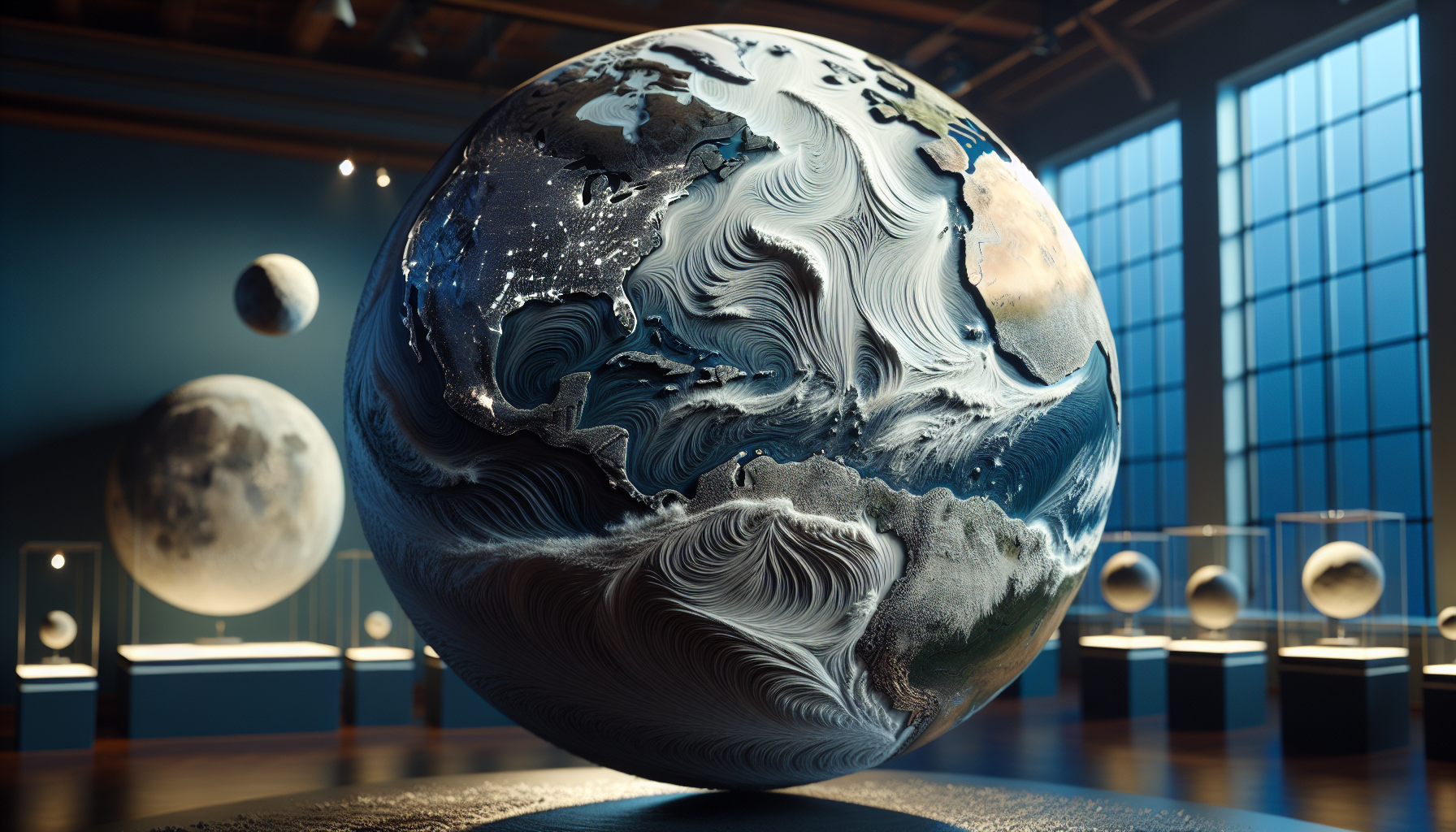
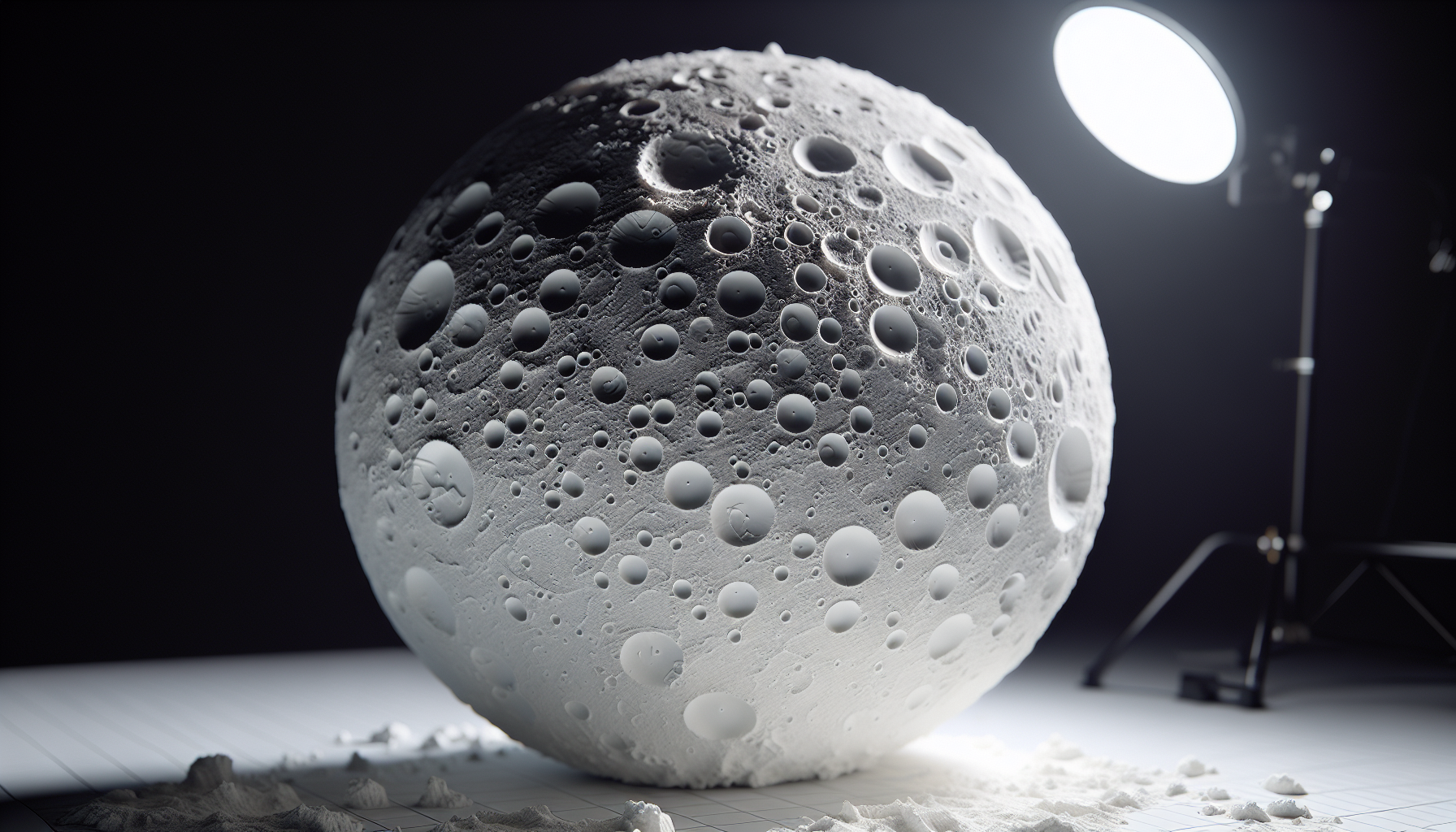
The moon, Earth’s only natural satellite, has captivated human interest for millennia. Beyond its luminous presence in the night sky, the moon holds profound influence over Earth, affecting everything from ocean tides to the stability of our planet’s rotation. Understanding the moon’s roles helps us appreciate not just its scientific importance but also its impact on life on Earth.
TL;DR
- Tidal Regulation: The moon's gravitational pull is primarily responsible for the oceanic tides on Earth.
- Earth's Stability: The moon helps stabilize Earth’s axial tilt, maintaining a relatively stable climate.
- Biological Influence: Lunar cycles influence various biological activities, including animal behaviors and plant growth.
- Cultural Impact: The moon has played a significant role in shaping human culture, calendars, and mythology.
- Scientific Exploration: Lunar missions have advanced our understanding of the solar system's history and Earth’s geology.
- Future Potential: The moon is considered a key stepping stone for further space exploration and potential resource utilization.
The Moon's Role in Earth's Natural Systems
Gravitational Pull and Tidal Influence
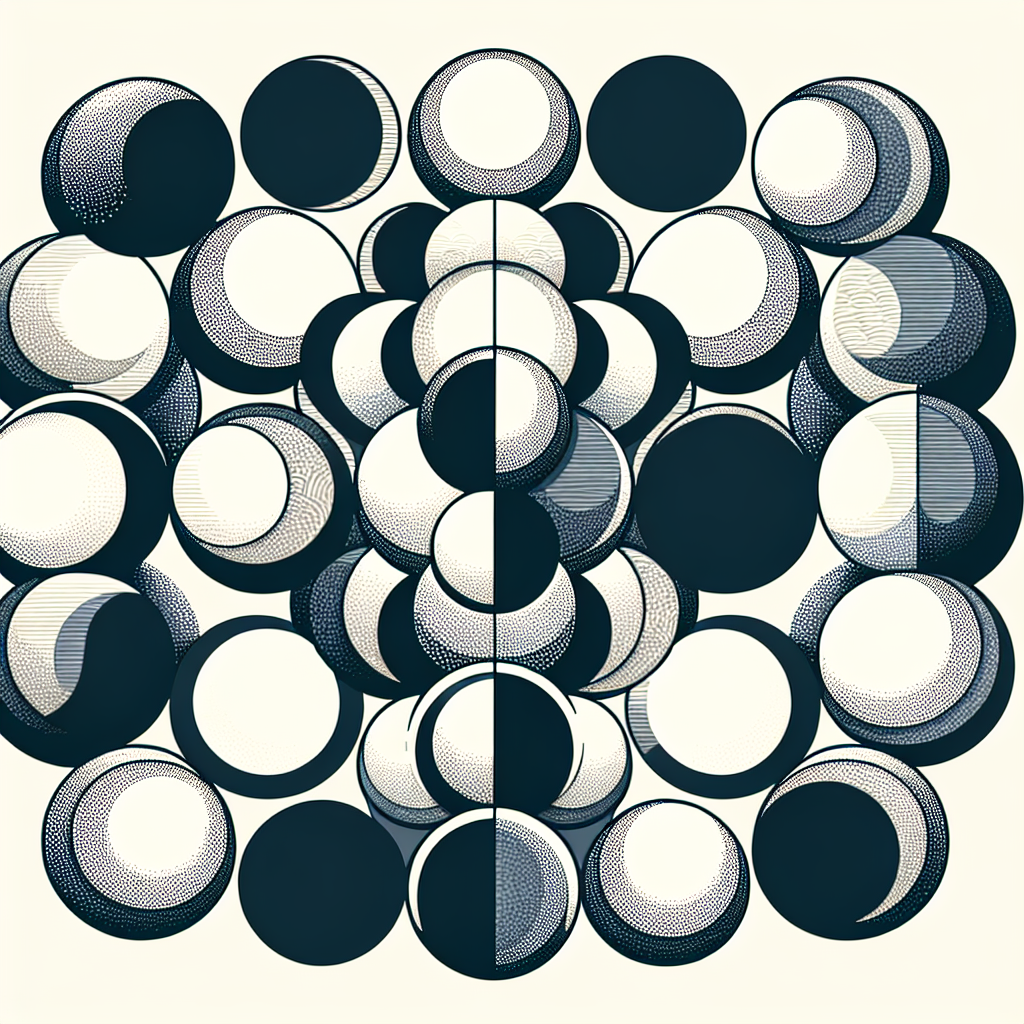
The most immediately apparent impact of the moon on Earth is its effect on the ocean's tides. The gravitational pull of the moon creates bulges in the Earth’s oceans, leading to high and low tides. This tidal movement is crucial for the ecological health of coastal areas, promoting nutrient mixing and affecting various marine life cycles.
Stabilizing Earth’s Axis
The moon also plays a critical role in stabilizing the tilt of Earth’s rotational axis. Without the moon, Earth might experience chaotic changes in its tilt, leading to dramatic shifts in climate and possibly making the planet less habitable. The current axial tilt, maintained partly by the moon’s presence, ensures a stable climate that has been crucial in the development and sustenance of life on Earth.
Historical and Cultural Significance
Ancient Observations and Beliefs
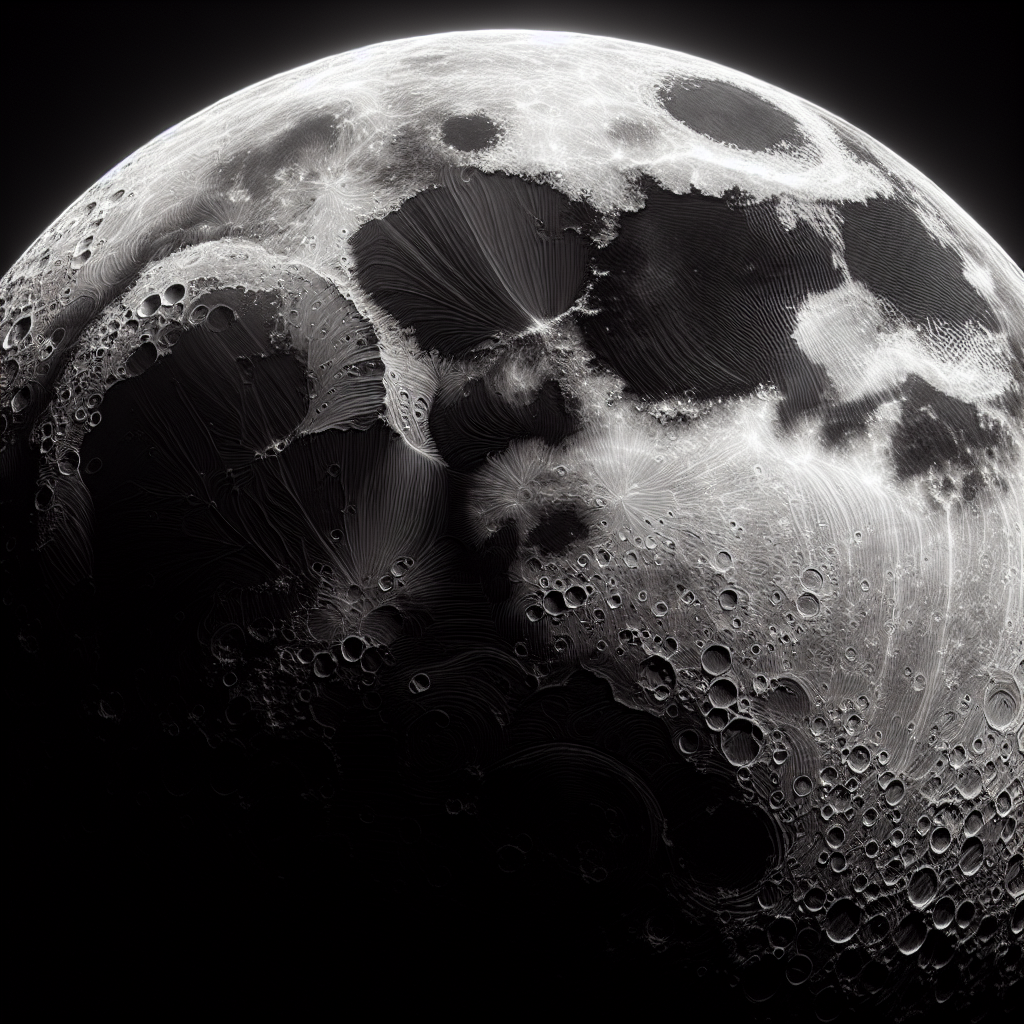
Historically, the moon has been a source of intrigue and mystery. Ancient civilizations often associated the moon with gods and goddesses, and lunar phases were used to guide agricultural practices and timekeeping. For example, many ancient calendars, including the Hebrew and Islamic calendars, are based on the lunar cycle.
The Moon in Mythology
In mythology, the moon has been a symbol of many deities, such as the Roman goddess Luna and the Greek goddess Selene. Lunar deities were often associated with fertility, hunting, and wisdom, reflecting the moon’s perceived influence on life on Earth.
Scientific Insights and Lunar Exploration
Understanding the Moon’s Formation
The leading theory about the moon’s formation suggests that it resulted from a colossal impact between Earth and a Mars-sized body, early in the solar system's history. This event likely played a significant role in shaping the geological and atmospheric evolution of Earth.
Contributions to Planetary Science
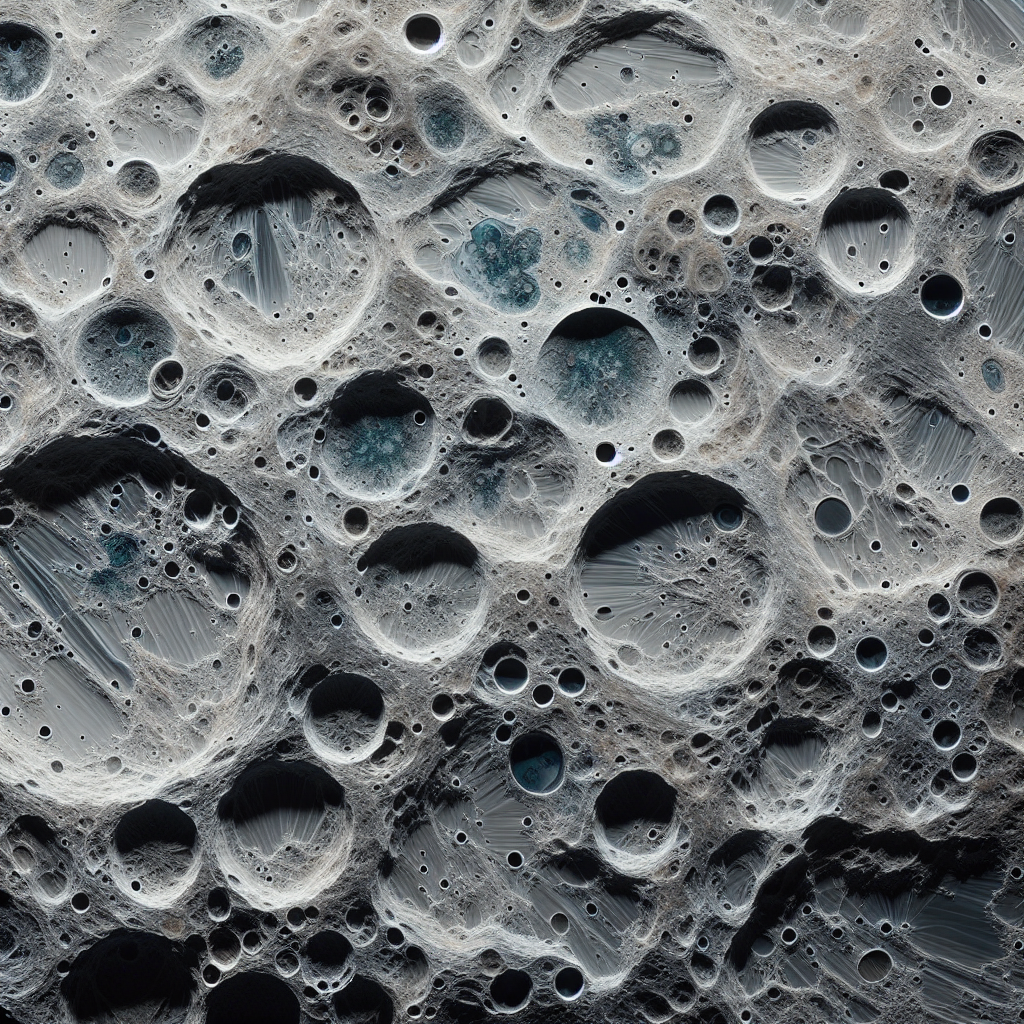
Lunar exploration, notably the Apollo missions of the 1960s and 1970s, revolutionized our understanding of the moon and provided insights into the broader processes that govern the solar system. Studies of lunar rocks have allowed scientists to better understand the age and composition of the solar system.
Misconceptions About the Moon
The Dark Side of the Moon
A common misconception is that the moon has a "dark side" that is perpetually night. In reality, all parts of the moon experience day and night just like Earth. The confusion arises because the moon is tidally locked to Earth, presenting only one face to us.
Lunar Effects on Human Behavior
Despite popular beliefs, scientific studies have consistently shown no direct correlation between the moon’s phases and human behavior. While the moon does influence the behavior of some animals, its effect on humans is more cultural and psychological than physiological.
The Moon’s Future Role in Space Exploration
Looking forward, the moon is seen as a critical step in the expansion of human activity in space. Plans for building lunar bases and using the moon as a launching point for missions to Mars and beyond highlight its continued relevance. Additionally, the moon might serve as a valuable resource for essential materials needed for space travel, such as water ice and minerals.
Conclusion
The moon is far more than just a celestial companion in the night sky. Its influence permeates various aspects of life on Earth, from environmental and biological systems to cultural and scientific endeavors. As we continue to explore and understand the moon, its significance in both natural and human contexts becomes increasingly apparent. The moon not only helps stabilize our planet’s environment but also offers opportunities for future space exploration, making it an indispensable component of our solar system.