Unveiling Lunar Influence: How Does the Moon Affect Earth?
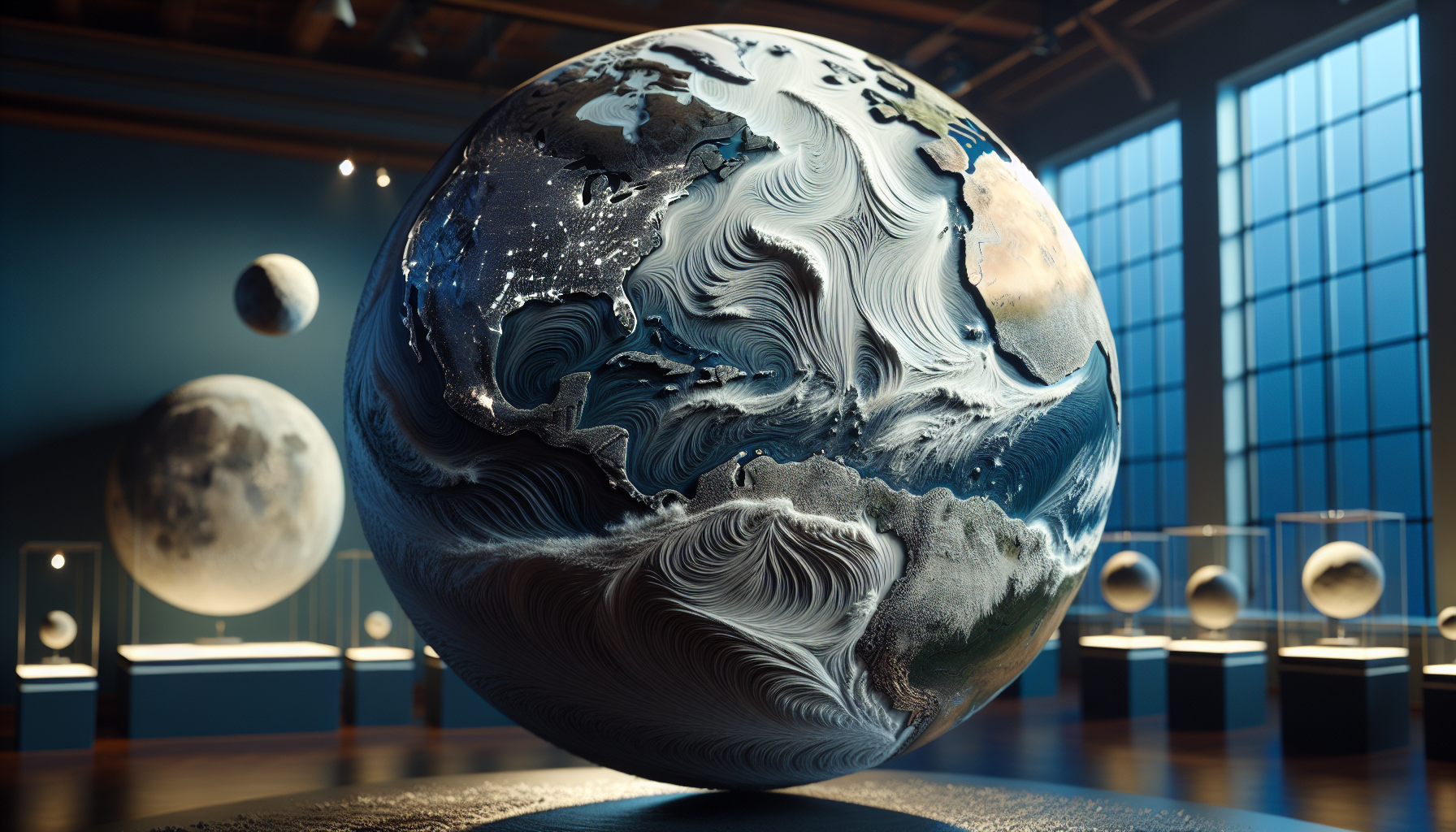
The moon, Earth's only natural satellite, plays a critical role in shaping our planet's environment and affecting life in various subtle yet profound ways. From influencing ocean tides to impacting biological rhythms, the moon's gravitational pull extends its effects far beyond just lighting up our night sky.
TL;DR
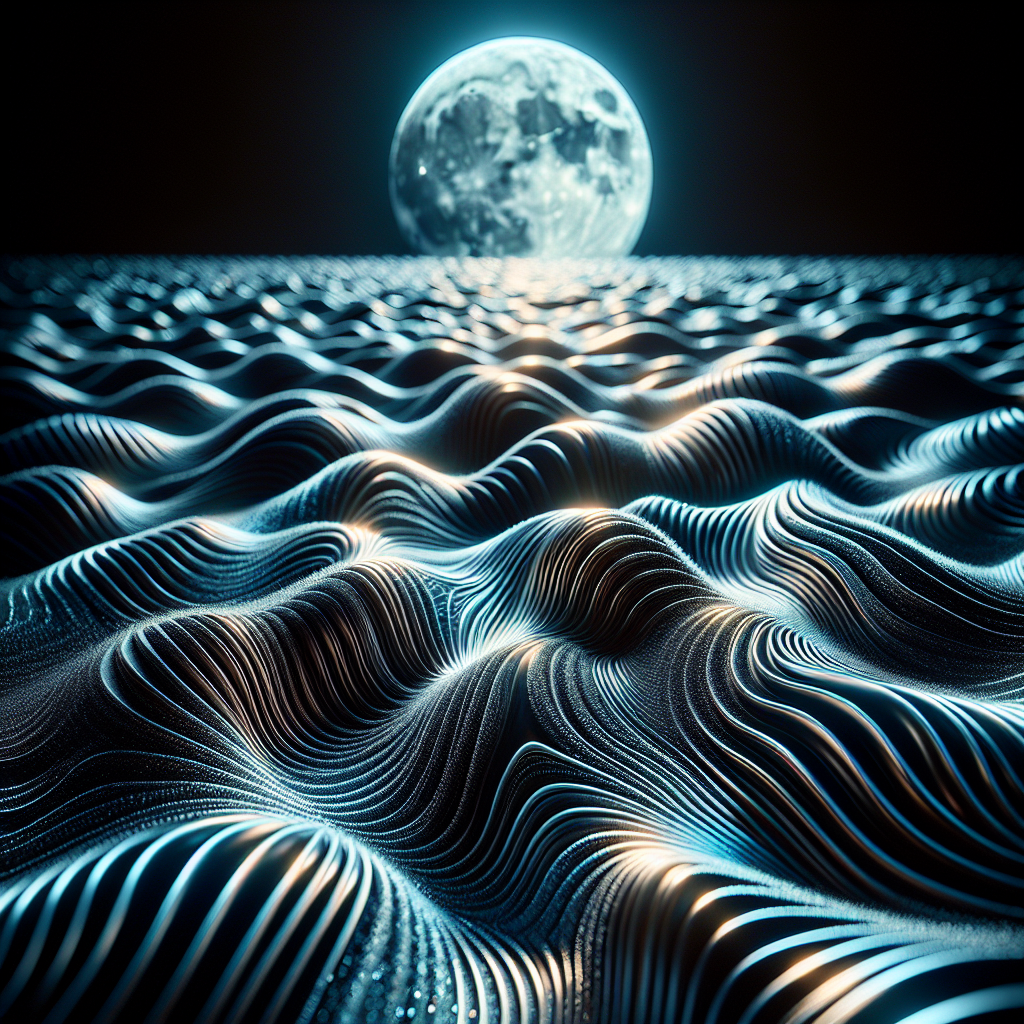
- Tidal Forces: The moon's gravitational pull is primarily responsible for the creation of tides in Earth's oceans.
- Biological Impacts: Lunar cycles influence the behavior and reproductive patterns of numerous marine and terrestrial species.
- Stabilization of Earth's Axis: The moon helps stabilize Earth's axial tilt, which contributes to a relatively stable climate.
- Cultural Influence: Throughout history, the moon has held significant cultural, spiritual, and symbolic importance in various societies.
- Eclipses: The moon plays a key role in solar and lunar eclipses, phenomena that have captivated humans for millennia.
- Scientific Research: Ongoing research continues to explore the extent of the moon’s impact on Earth, including its influence on weather and geological processes.
The Science of Moon's Gravitational Pull
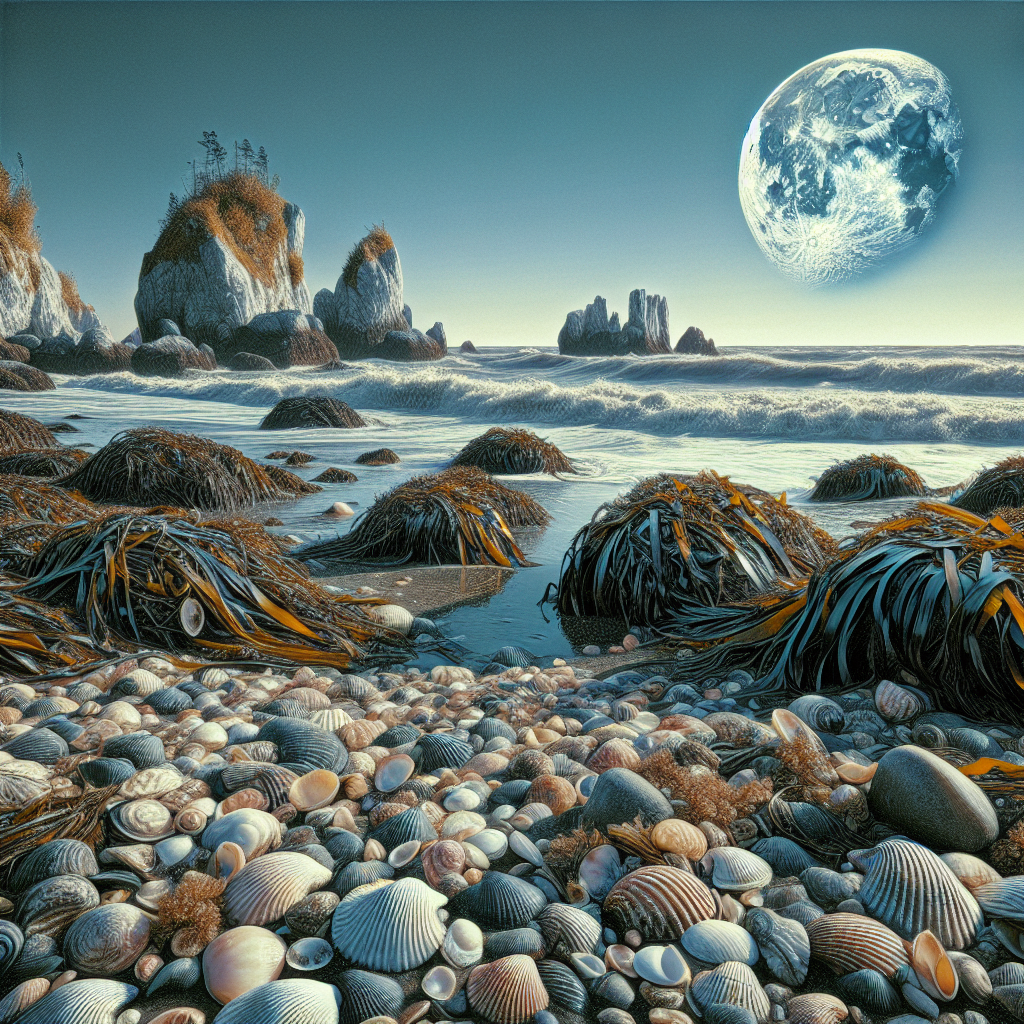
Gravitational Effects and Tides
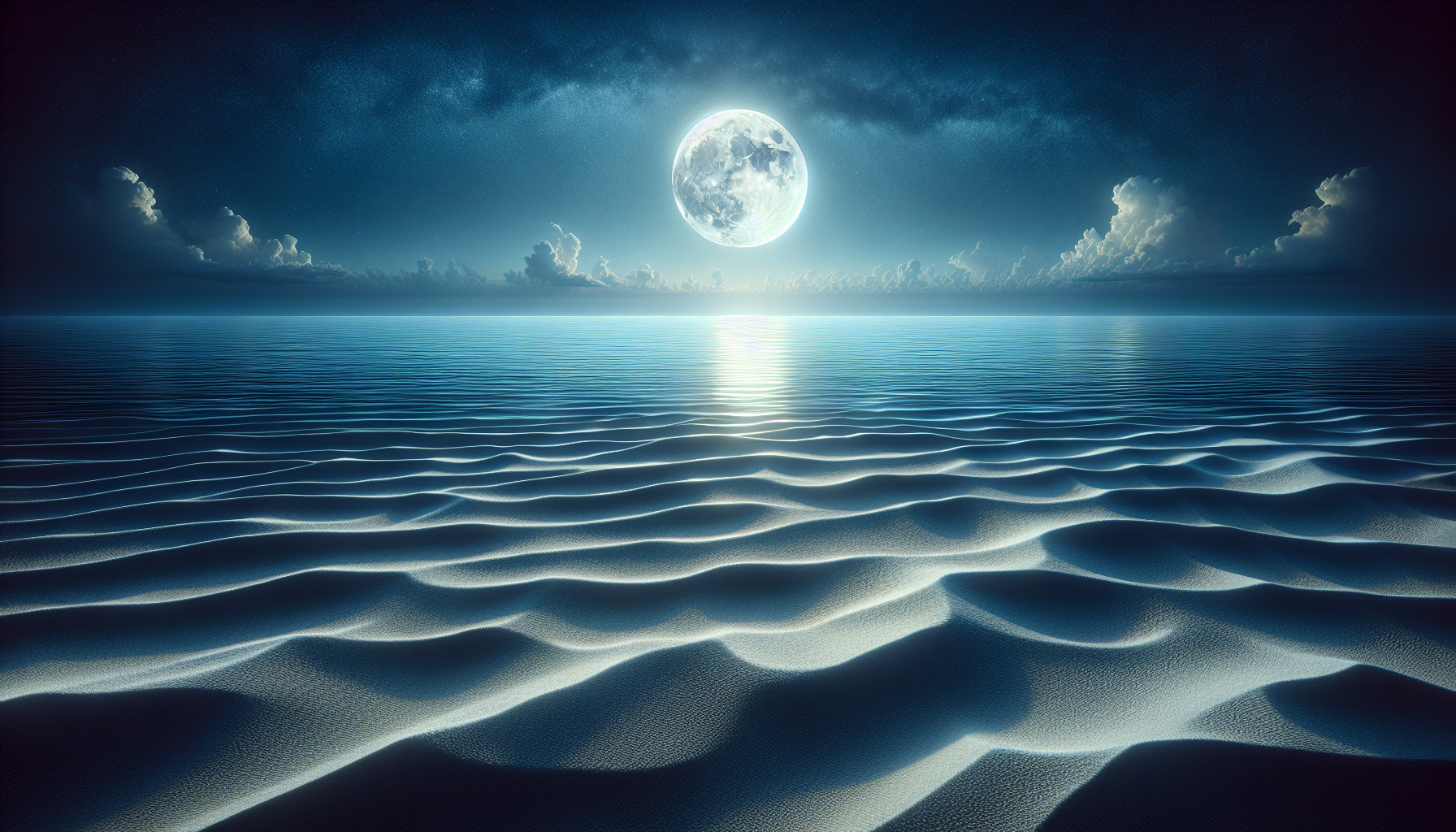
The most visible effect of the moon on Earth is the tide. Tides are the rise and fall of sea levels caused by the combined effects of the gravitational forces exerted by the moon and the Sun, and the rotation of Earth. The moon's gravitational force pulls on the Earth's oceans, creating high tides on the side of Earth nearest to the moon and on the side farthest from the moon. This phenomenon is known as tidal force, which is more pronounced during new and full moons when the Earth, the moon, and the Sun are aligned.
Lunar Influence on Earth's Stability
The moon also plays a crucial role in maintaining the balance of Earth’s rotation. Earth's axis tilts at an angle of about 23.5 degrees, which is responsible for the seasonal changes. Without the moon, it is hypothesized that Earth's tilt could vary wildly, causing dramatic variations in climate over relatively short periods.
Historical and Cultural Significance

Ancient Lunar Observations
Historically, the moon has been a central feature in the night sky and human life. Ancient civilizations often aligned their calendars with the phases of the moon and used these cycles to guide agricultural practices. For example, the Babylonians and the Maya developed sophisticated lunar calendars based on meticulous observations of the moon’s cycles.
Symbolism and Mythology
In many cultures, the moon has been revered as a deity or a central character in mythology. It has symbolized various aspects of life such as fertility, eternity, and the hidden powers of nature. Cultural festivals around the world, such as the Mid-Autumn Festival in China and Diwali in India, still celebrate the moon’s significance.
Biological and Ecological Impacts
Lunar Rhythms in Wildlife
The natural world teems with examples of species that synchronize their behaviors with the lunar cycle. For instance, the reproductive activities of corals are tightly linked to lunar phases, particularly for spawning, which often occurs just after a full moon. Similarly, many bird species use the light of the full moon to aid in nocturnal migration.
Influence on Human Behavior
Although often debated, some studies suggest subtle effects of the lunar cycle on human sleep patterns and behavior. While definitive scientific consensus has yet to be reached, anecdotal evidence and some research findings propose that the full moon could correlate with sleep disturbances.
Misconceptions and Scientific Clarifications
Lunar Effect Myths
Despite popular beliefs, scientific studies have largely debunked the idea that the moon has significant effects on human behavior, such as increases in crime or psychiatric disturbances. These beliefs, often amplified by media and folklore, have been subjected to empirical scrutiny and found to be lacking robust evidence.
The Moon and Earthquakes
Another common misconception is that the moon's gravitational pull can trigger earthquakes. Current scientific understanding indicates that while tidal forces do affect the Earth's crust, they are not powerful enough to cause earthquakes by themselves.
Future Directions in Lunar Research
Scientific interest in the moon continues to grow with advancements in technology and space exploration. Future missions to the moon may focus on detailed studies of its influence on Earth's magnetosphere, climate systems, and potentially unexplored ecological impacts. Understanding these dynamics not only enriches our knowledge of Earth and its natural satellite but also prepares humanity for future endeavors in space travel and extraterrestrial colonization.
Conclusion
The moon’s influence on Earth encompasses a broad spectrum of physical, biological, and cultural aspects. While the most pronounced effects such as tidal movements are well understood, many complex interactions remain areas of active research and discovery. As humanity looks to the stars, the moon remains not only a symbol of curiosity and exploration but also a pivotal element in understanding our own planet's past, present, and future. This celestial neighbor, quietly yet persistently, continues to shape life and environment on Earth in myriad ways.