How Volcanoes Erupt: Explained
Understanding the process of a volcanic eruption involves delving into the complex interplay between Earth's geological forces and the behavior of magma. From the movement of tectonic plates to the buildup and release of pressure within a volcano, this article provides an in-depth look at how volcanoes erupt.
TL;DR
- Magma Movement: Magma rises through cracks and weaknesses in the crust due to buoyancy.
- Pressure Buildup: Pressure builds up as magma accumulates in chambers beneath the surface.
- Eruption Types: Different types of eruptions include explosive, effusive, and phreatic.
- Lava Flow Dynamics: Lava flows can vary greatly depending on its composition and viscosity.
- Monitoring Tools: Scientists use seismometers and gas detectors to predict eruptions.
The Process of Magma Movement
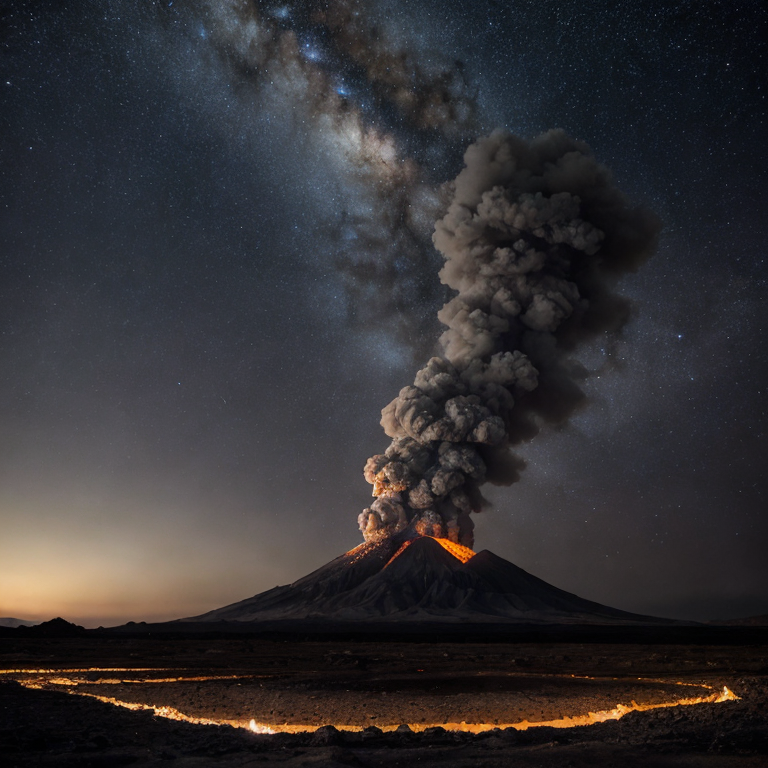
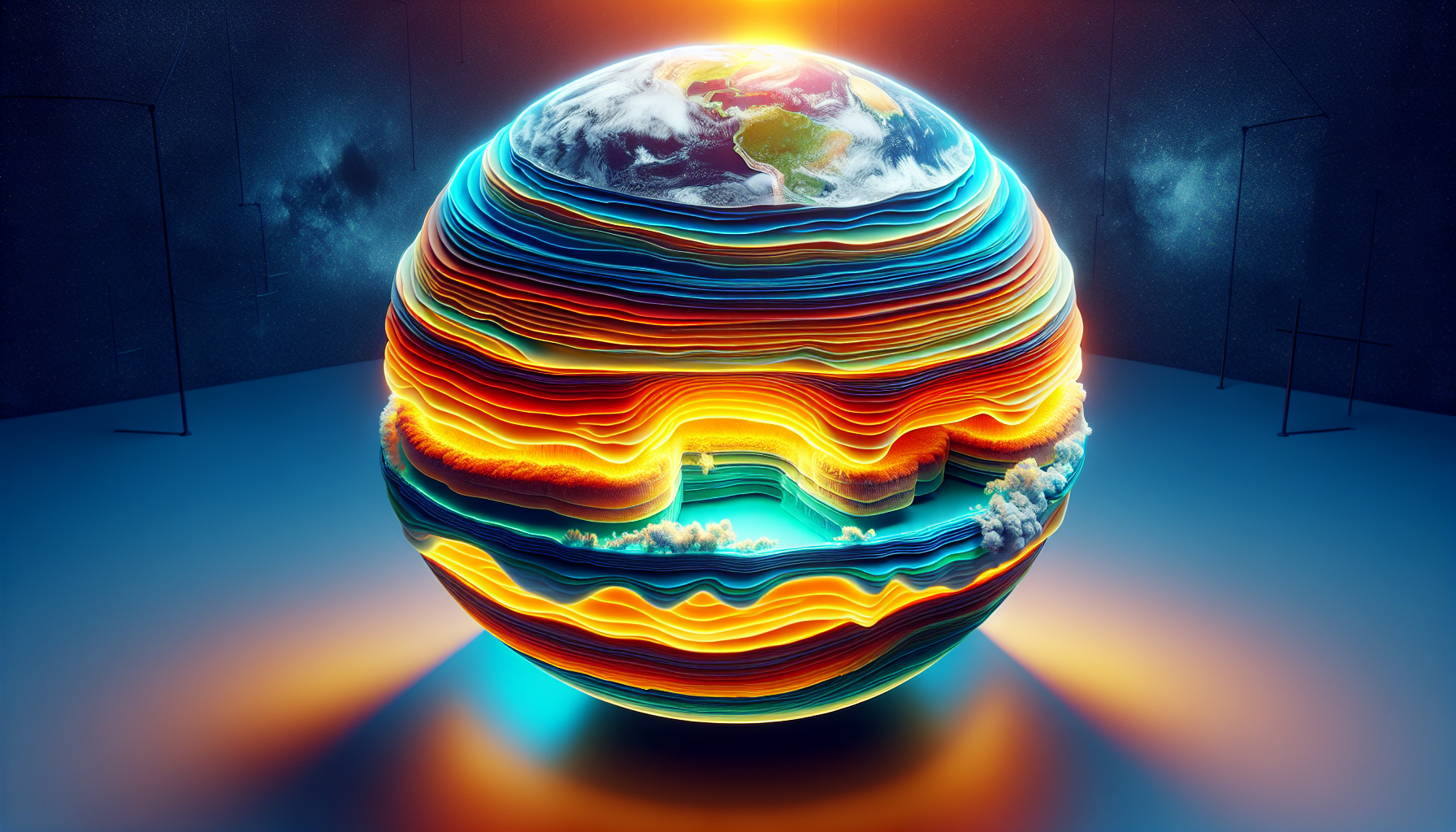
Magma is a mixture of molten rock, crystals, dissolved gases, and solid fragments that forms in the upper mantle or crust. It rises due to buoyancy caused by its lower density compared to surrounding rocks. As magma ascends, it often follows weaknesses such as faults and fractures in the Earth’s crust.
Magma Composition
- Silica Content: The amount of silica (SiO₂) determines the viscosity and explosive potential of magma.
- High silica content leads to high viscosity and potentially explosive eruptions.
- Low silica content results in more fluid, less explosive lava flows.
Tectonic Setting
Magma generation is closely tied to tectonic settings:
- Divergent Boundaries: Where two plates move apart, allowing magma to rise from the mantle.
- Convergent Boundaries: At subduction zones, where one plate slides under another, causing melting and magma formation.
Magma Chambers
Magma accumulates in chambers beneath volcanoes. These chambers can be several kilometers wide and extend deep into Earth's crust or upper mantle. The growth of these chambers is driven by the continuous influx of new magma from below.
Pressure Buildup and Release
As magma rises, it often encounters resistance from overlying rocks, leading to a buildup of pressure within the volcanic system. This pressure can be released in several ways:
Volcanic Gases
- Gas Content: Magma contains dissolved gases such as water vapor (H₂O), carbon dioxide (CO₂), and sulfur dioxide (SO₂).
- Decompression: As magma rises, these gases start to come out of solution, forming bubbles that increase the pressure within the system.
Pressure Release Mechanisms
- Explosive Eruptions: When gas pressure exceeds the strength of overlying rock, an explosive eruption occurs.
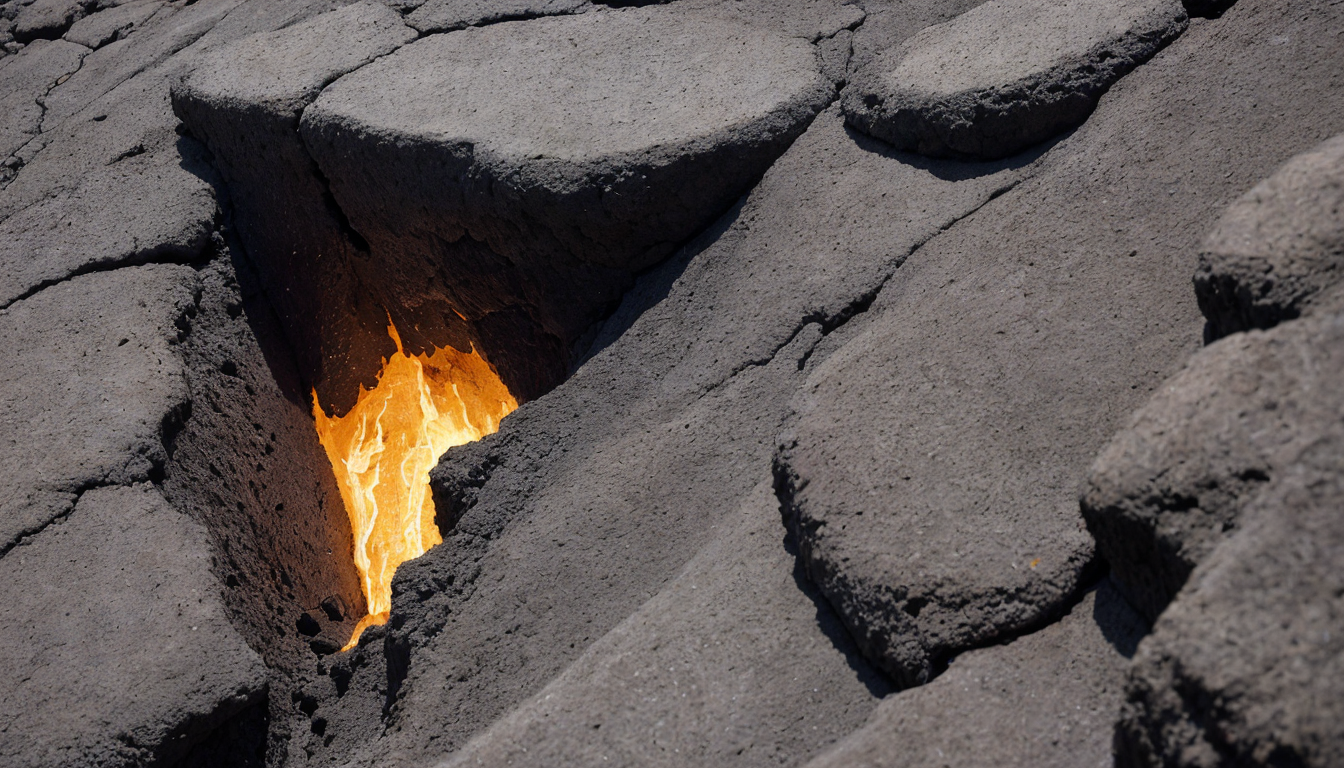
- Effusive Eruptions: In less viscous magma systems, lava can flow smoothly to the surface without significant explosions.
- Phreatic Eruptions: Steam-driven eruptions occur when water beneath the volcano is heated and vaporized by hot rocks or magma.
Types of Volcanic Eruptions
Volcanic eruptions vary widely in their characteristics, depending on factors such as magma composition, gas content, and eruption dynamics.
Explosive Eruptions
Explosive eruptions are characterized by violent ejections of ash, lava fragments, and volcanic gases:
- Pyroclastic Flows: Fast-moving clouds of hot gas and rock debris that can travel downslope.
- Plinian Eruptions: High-altitude columns of ash and gas that can extend tens of kilometers into the atmosphere.
Effusive Eruptions
Effusive eruptions involve relatively smooth lava flows:
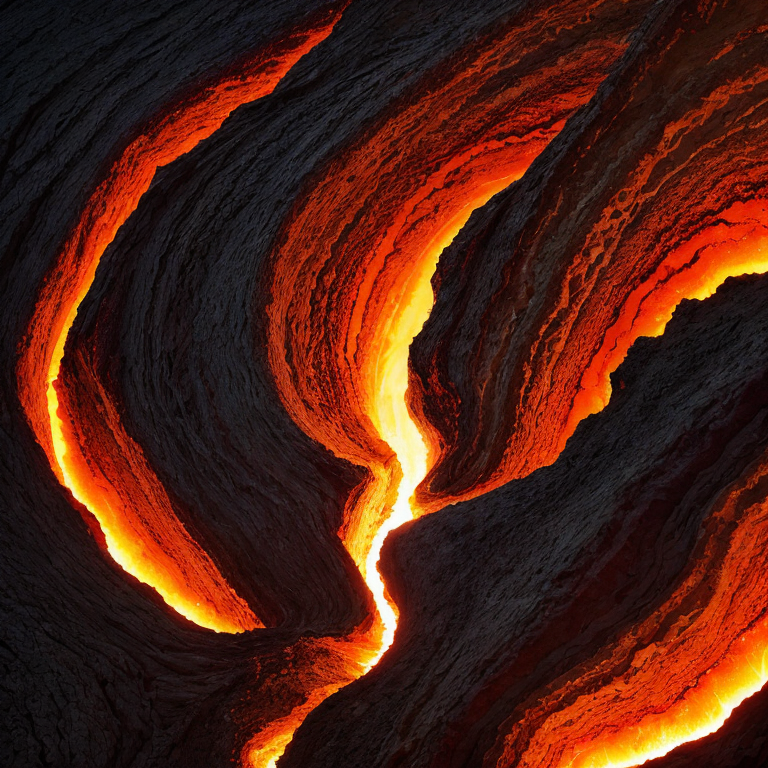
- Pahoehoe Lava Flows: Smooth, ropy lava typical of low-viscosity basaltic magmas.
- Aa Lava Flows: Rough, blocky lava flows that are more difficult to traverse.
Phreatic Eruptions
Phreatic eruptions occur when water beneath the volcano is heated and vaporized:
- Steam Explosions: Short-lived but violent explosions of steam and rock debris from existing volcanic vents.
- Hydrothermal Activity: Continuous release of hot gases, steam, and fluids from geothermal systems.
Lava Flow Dynamics
Lava flows are a common feature in effusive eruptions. The behavior of lava is influenced by its composition, temperature, and viscosity:
- Basaltic Lava: Typically forms smooth pahoehoe flows due to low silica content.
- Rhyolitic Lava: High silica content makes rhyolite highly viscous and prone to forming blocky aa flows.
Cooling and Crystallization
As lava cools, it begins to crystallize:
- Crust Formation: A solid crust forms on the surface of a lava flow.
- Domes and Lava Tubes: Thick, slowly moving lava can form domes or hollow tubes as it moves downslope.
Monitoring Volcanic Activity
Predicting volcanic eruptions is crucial for mitigating their impacts. Scientists use various tools and methods to monitor volcanoes:
Seismic Activity
Seismometers detect earthquakes caused by magma movement:
- Harmonic Tremor: Continuous seismic activity indicating fluid motion within the volcano.
- Volcano-Tectonic Earthquakes: Indicate fracturing of rocks as magma moves through them.
Gas Monitoring
Gas detectors measure changes in volcanic gases:
- Sulfur Dioxide (SO₂): High levels can indicate increased magmatic activity.
- Carbon Dioxide (CO₂): Elevated CO₂ emissions suggest degassing from a shallow magma reservoir.
Deformation Studies
GPS and InSAR (Interferometric Synthetic Aperture Radar) measure ground deformation:
- Inflation: Ground swelling indicating magma accumulation in chambers beneath the volcano.
- Deflation: Sinking of the surface as magma is withdrawn for an eruption.
Historical Context and Cultural Significance
Notable Eruptions
Historically significant eruptions have had profound impacts on human societies:
- Mount Vesuvius (79 AD): The eruption buried Pompeii and Herculaneum, providing valuable archaeological insights.
- Krakatoa (1883): One of the most catastrophic volcanic events in recorded history, causing global climate effects.
Cultural Impact
Volcanoes have played significant roles in mythology and folklore:
- Hawaiian Mythology: Pele is revered as the goddess of volcanoes.
- Roman Religion: Vulcan was worshipped as the god of fire and metalworking.
Conclusion
Understanding how volcanoes erupt involves comprehending the intricate dynamics of magma movement, pressure buildup, and eruption mechanisms. From the tectonic settings that generate magma to the various types of eruptions observed across different regions, volcanic activity is a fascinating yet complex natural phenomenon. By monitoring seismic activity, gas emissions, and ground deformation, scientists can better predict and mitigate the impacts of these powerful geological events.