Why Does Coffee Taste Bitter Sometimes?
Coffee aficionados know that a perfectly brewed cup of coffee should have a balanced flavor profile with notes of sweetness and acidity complementing the base bitterness. However, sometimes the bitterness can overpower these other flavors, leading to an unpleasant taste experience. Understanding why coffee tastes bitter at times and how to mitigate this issue is crucial for anyone who enjoys a good brew.
TL;DR
- Coffee bitterness arises from various chemical compounds.
- Over-extraction during brewing increases bitterness.
- Bean quality and roast level impact flavor balance.
- Brewing temperature plays a significant role in taste.
- Proper storage of coffee beans preserves their flavor integrity.
The Science Behind Bitter Coffee
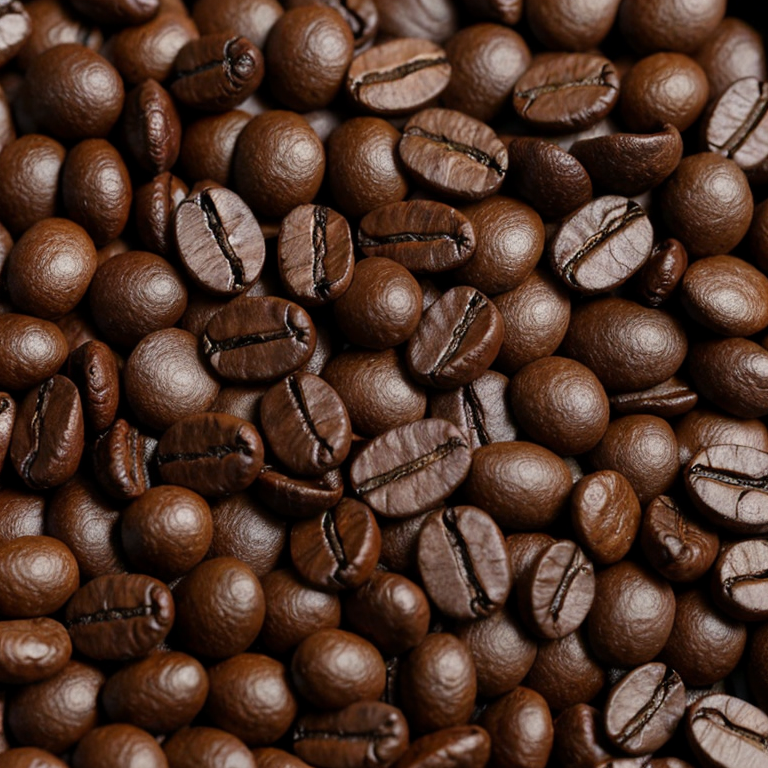
Bitterness in coffee is primarily caused by several chemical components, including caffeine, chlorogenic acid lactones, quinides, tannins, and trigonelline. These compounds are naturally present in coffee beans but become more pronounced when certain brewing conditions or bean characteristics are not optimal.
Chemical Compounds Contributing to Bitterness
- Caffeine: Acts as a bitter compound that can be overpowering if the coffee is over-extracted.
- Chlorogenic Acid Lactones and Quinides: These compounds develop during roasting and contribute significantly to bitterness, especially in dark-roasted coffees.
- Tannins: Found naturally in coffee beans, tannins increase bitterness when extracted in excess.
- Trigonelline: A compound that breaks down into volatile components during roasting, some of which can enhance bitter flavors.
Over-Extraction and Bitterness
Over-extracting coffee means brewing for too long or using an incorrect ratio of water to coffee grounds, leading to excessive extraction of these bitter compounds. This results in a harsh, unbalanced taste profile that overshadows the desired flavors.
Historical Context and Brewing Techniques
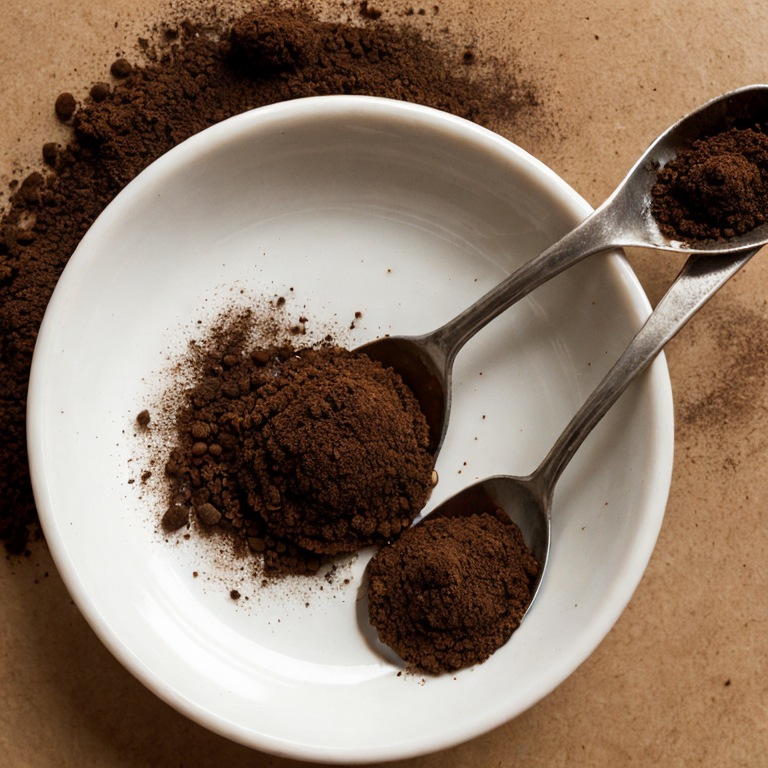
Coffee has been enjoyed worldwide since its discovery centuries ago. Over time, various brewing techniques have evolved to enhance flavor profiles while minimizing unwanted tastes such as bitterness.
Traditional Brewing Methods
Traditional methods like Turkish or French press often result in more bitter coffee due to longer contact times between water and grounds. Modern advancements aim at reducing over-extraction through precise control of variables like grind size, temperature, and brew time.
Contemporary Techniques
Contemporary brewing techniques such as pour-over, aeropress, and cold brew have gained popularity for their ability to produce less bitter coffee by optimizing extraction processes. These methods focus on achieving the right balance between water flow rate, contact time, and temperature to extract flavors efficiently without over-extracting bitterness.
Bean Quality and Roasting Levels
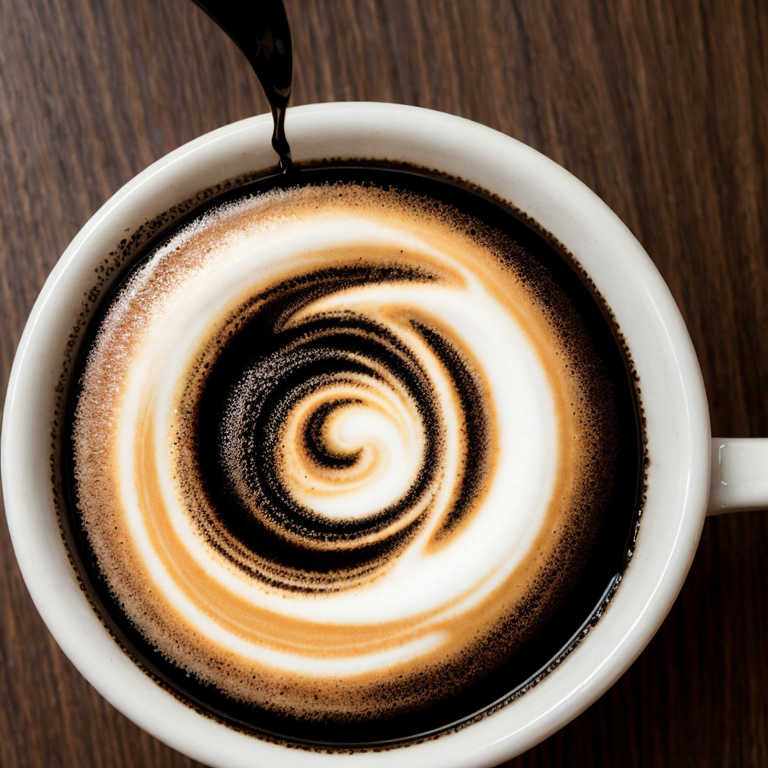
The quality of beans used in brewing significantly impacts taste. Factors such as origin, freshness, and roast level all play a role in determining how bitter your coffee might be.
Freshness Matters
Freshly roasted and ground beans tend to have better flavor profiles because they retain more volatile compounds that contribute to aroma and taste. Older or stale beans can develop off-flavors including bitterness due to oxidation and chemical changes over time.
Roasting Level Differences
The degree of roasting affects the balance between sweetness, acidity, body, and bitterness in coffee. Lighter roasts generally offer brighter acidic flavors with less bitterness, while darker roasts produce stronger bitter notes alongside richer flavors. Balancing these factors is key to achieving a pleasant taste profile.
Brewing Temperature Influences Flavor
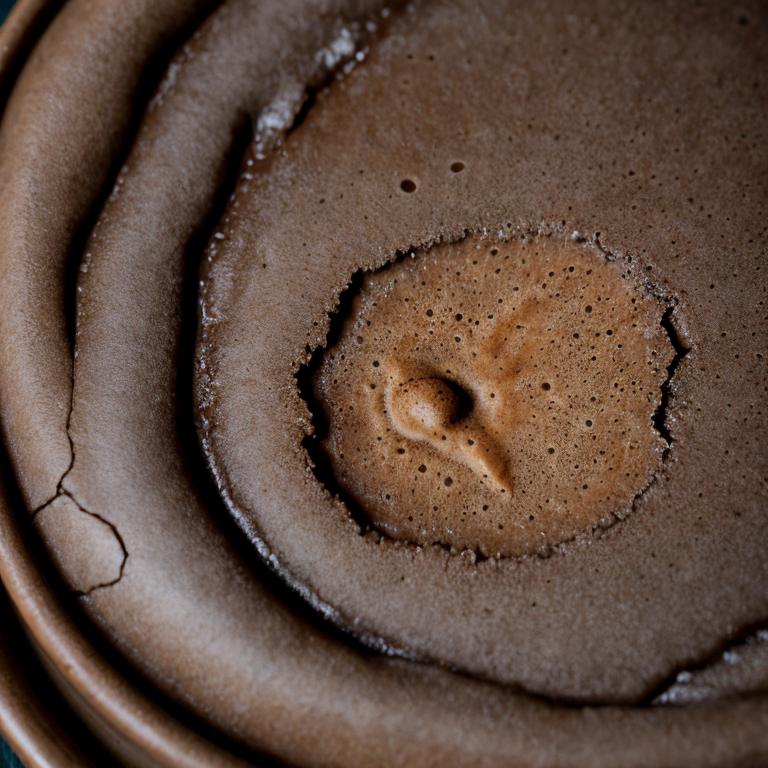
Temperature plays a crucial role during brewing by affecting the solubility of various compounds in water. Incorrect temperatures can lead to over-extraction and increased bitterness.
Ideal Water Temperatures
Optimal brewing temperature ranges from 195°F to 205°F (90°C to 96°C). Lower temperatures may under-extract flavors, while higher temperatures increase the risk of over-extraction and bitter results. Understanding this range helps in achieving a balanced cup every time.
Temperature Stability
Maintaining consistent temperature throughout brewing is essential for controlling extraction rates. Sudden changes can cause uneven flavor development, leading to imbalanced tastes including excessive bitterness.
Storage and Preservation Tips
Proper storage conditions are vital to preserving the quality of coffee beans and preventing them from developing bitter flavors over time.
Proper Storage Conditions
Coffee should be stored in a cool, dark place away from light, heat, moisture, and oxygen. Airtight containers or vacuum-sealed bags help protect against spoilage factors that can degrade bean quality.
Freshness Preservation
Regularly rotating stock ensures consistent access to fresh beans. Using up older supplies first helps prevent waste while maintaining optimal flavor profiles for each brew session.
Debunking Common Myths About Bitter Coffee
Many misconceptions exist about coffee bitterness, often leading people to believe that certain actions or beliefs will reduce unwanted flavors without scientific backing.
Misconception: Decaffeinated Coffee is Less Bitter
Decaf coffee does not inherently taste less bitter than regular coffee. The process of decaffeination can affect the flavor profile but does not guarantee a reduction in bitterness unless balanced correctly through proper brewing techniques and bean selection.
Misconception: Adding Sugar Neutralizes Bitterness
While sugar can mask some bitter notes by altering perceived sweetness, it does not eliminate the underlying cause of bitterness. Addressing extraction methods and bean quality is more effective for long-term flavor improvement.
Conclusion
Understanding why coffee sometimes tastes bitter involves recognizing how chemical compounds interact with brewing conditions and bean characteristics. By optimizing these factors—such as adjusting brew time, temperature, roast level, and storage practices—you can significantly reduce unwanted bitterness in your coffee. Embracing modern brewing techniques alongside traditional wisdom allows for a more enjoyable taste experience every time you prepare a cup of coffee.