Ultimate Guide to Making Compost in 2025
Composting is a practical and eco-friendly method to recycle organic waste, turning it into a rich soil enhancer that nourishes plants and revitalizes the garden soil. As we advance into 2025, new techniques and improved methods make composting more accessible and effective for gardeners and environmental enthusiasts alike.
TL;DR
- Composting Basics: Organic waste is broken down by microorganisms, turning it into nutrient-rich compost.
- Benefits: Compost improves soil health, reduces landfill waste, and lowers carbon footprint.
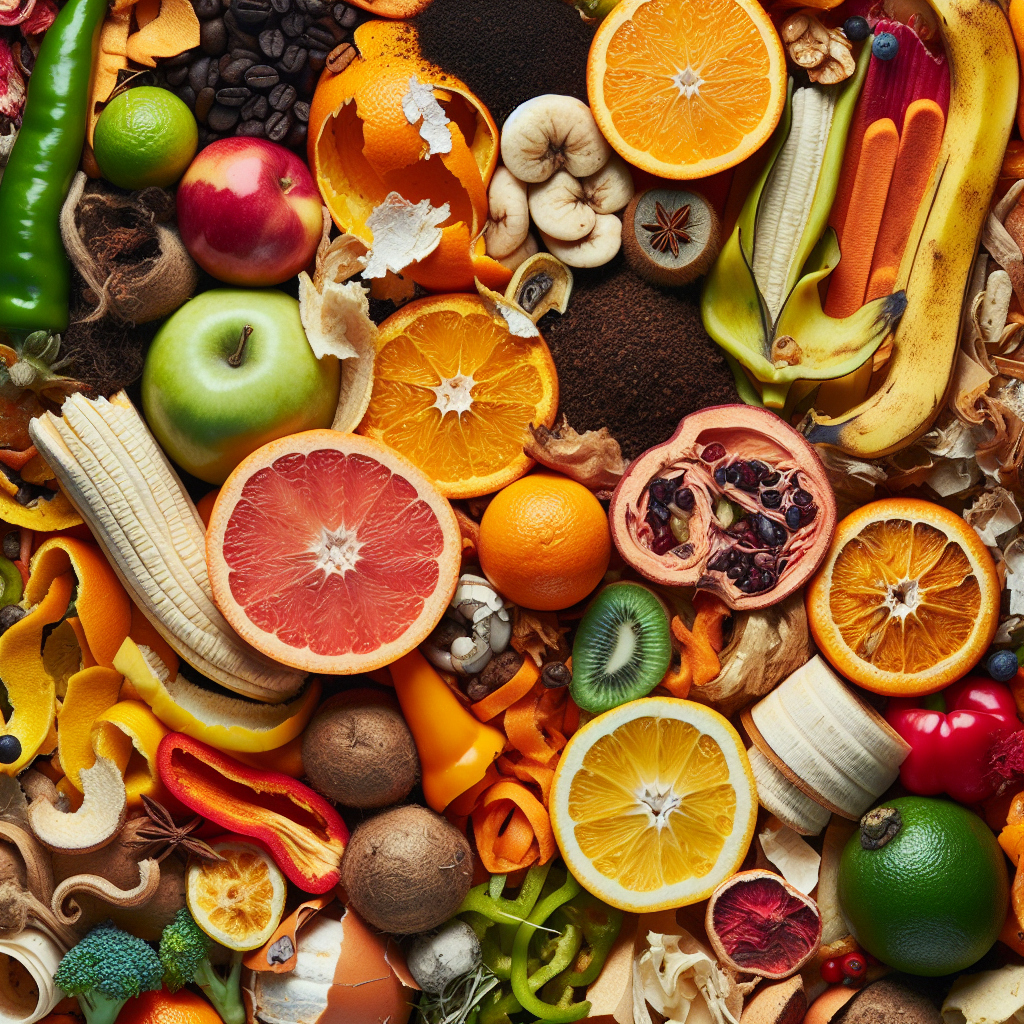
- Materials: Includes fruit scraps, vegetable peels, leaves, and grass clippings, but excludes meats and plastics.
- Methods: Traditional bin composting, vermicomposting, and innovative techniques like Bokashi.
- Usage: Compost can be used to enrich garden soil, support plant growth, and even repair damaged land.
- Trends in 2025: Increased use of smart technology in compost monitoring and community-based composting initiatives.
Understanding Composting Science
The Composting Process
Composting is a biological process involving the decomposition of organic matter by microorganisms under controlled conditions. Key elements required for effective composting include carbon, nitrogen, oxygen, and water. These elements help create an environment that supports the growth of bacteria, fungi, and other decomposing organisms.
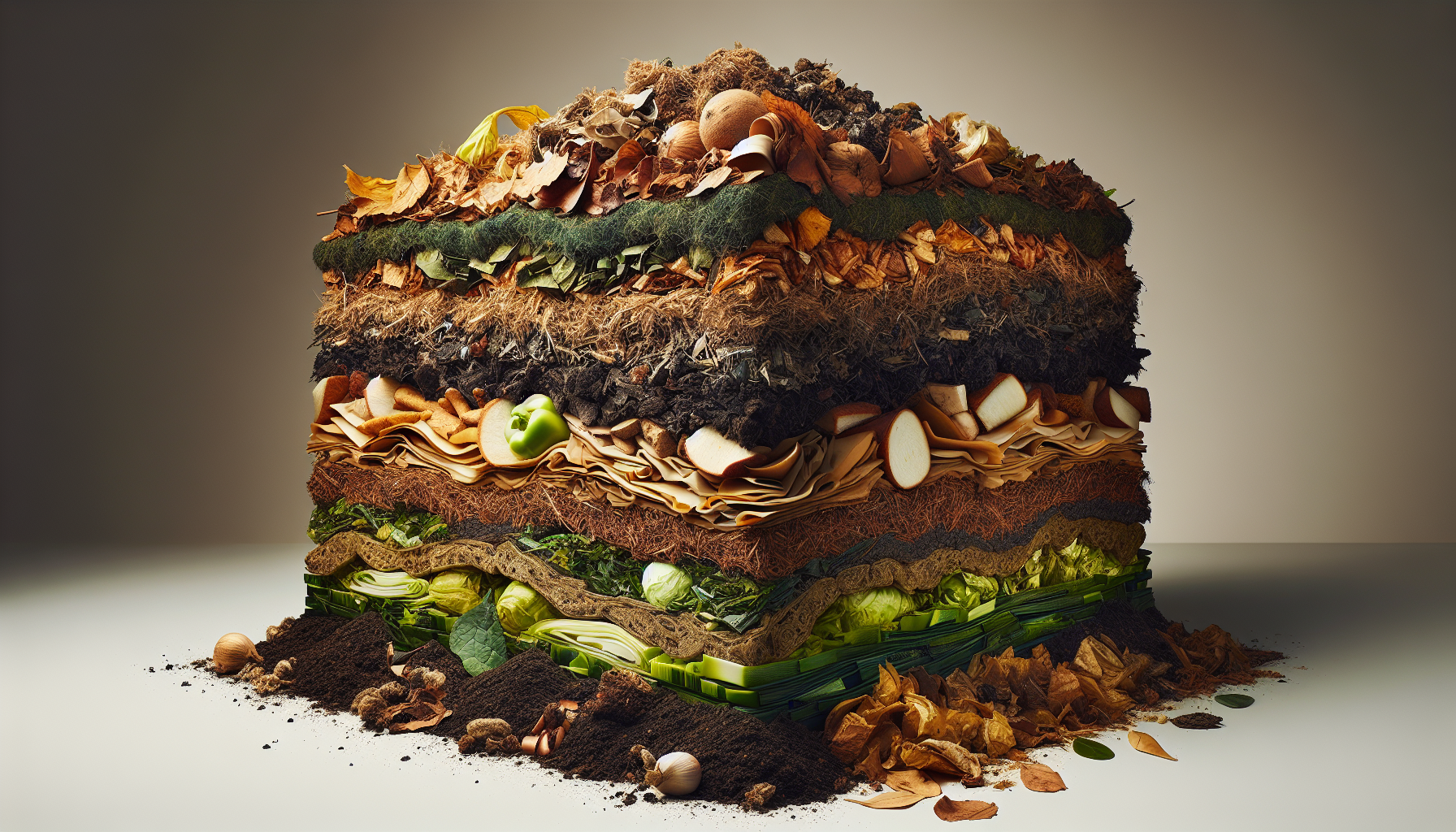
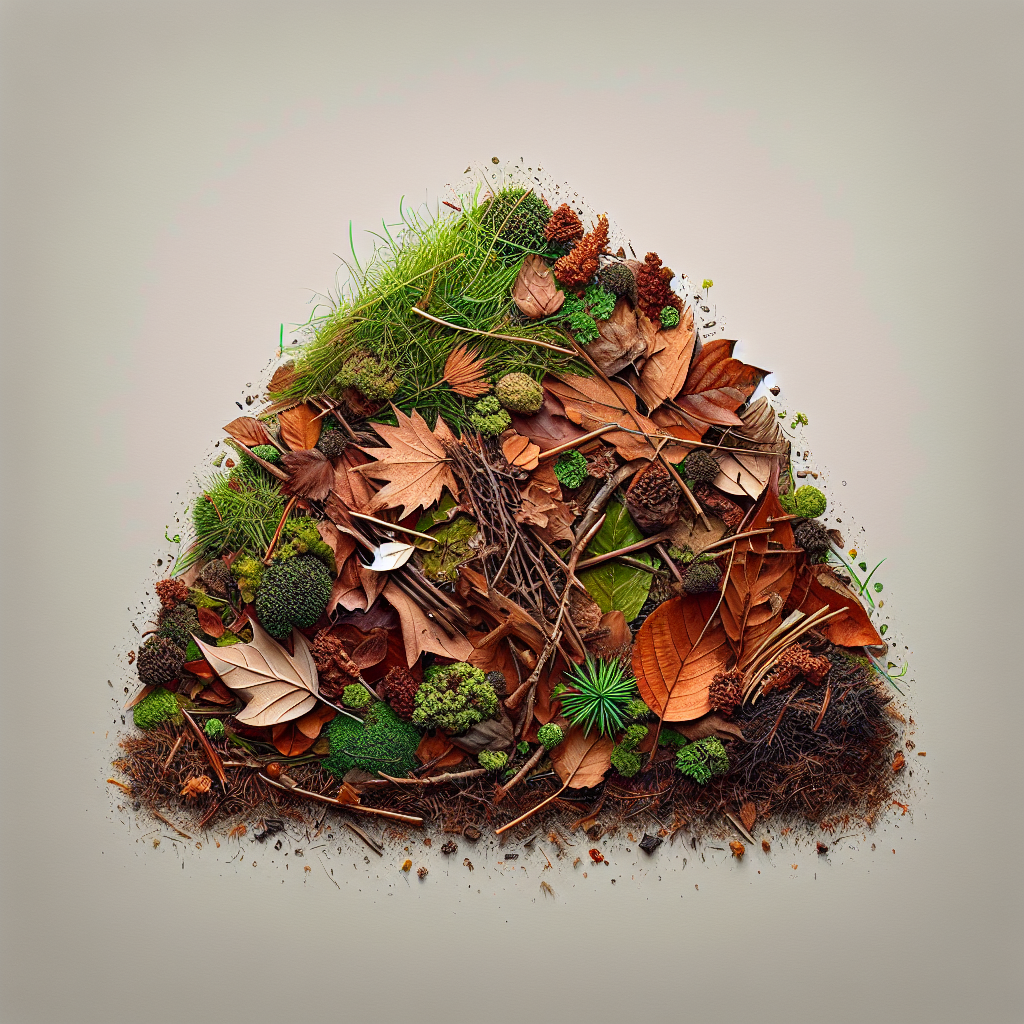
- Carbon and Nitrogen: Carbon-rich materials (browns) include items like dried leaves, branches, and paper. Nitrogen-rich materials (greens) include food scraps, coffee grounds, and grass clippings. The ideal carbon to nitrogen ratio is about 30:1.
- Oxygen and Water: Oxygen is vital for aerobic decomposition, so regular turning of the compost pile is necessary. The moisture content should be monitored to keep the pile damp, but not waterlogged, promoting optimal microbial activity.
Types of Microorganisms Involved
- Bacteria: The most abundant decomposers in a compost pile. They vary from aerobic bacteria, which require oxygen, to anaerobic bacteria, which do not.
- Fungi: Helps break down tough plant materials like cellulose and lignin, making them crucial for decomposing woody debris.
- Actinobacteria: Contribute to the earthy smell of mature compost and break down complex organic materials.
- Protozoa and Nematodes: Feed on bacteria and other microorganisms, helping to regulate microbial communities in the compost.
Historical Insights into Composting
Ancient Practices
Composting practices date back thousands of years. Ancient civilizations such as the Romans, Greeks, and Chinese recognized the value of returning organic wastes back to the soil to improve its fertility. These early practices laid the groundwork for modern composting techniques.
Evolution Over Time
In the 20th century, composting evolved with scientific advancements that enhanced understanding of microbial ecosystems. Sir Albert Howard, a key figure in the organic farming movement, codified traditional composting methods in the early 1900s, promoting the Indore method which balances carbon and nitrogen-rich materials.
Composting Methods for Beginners
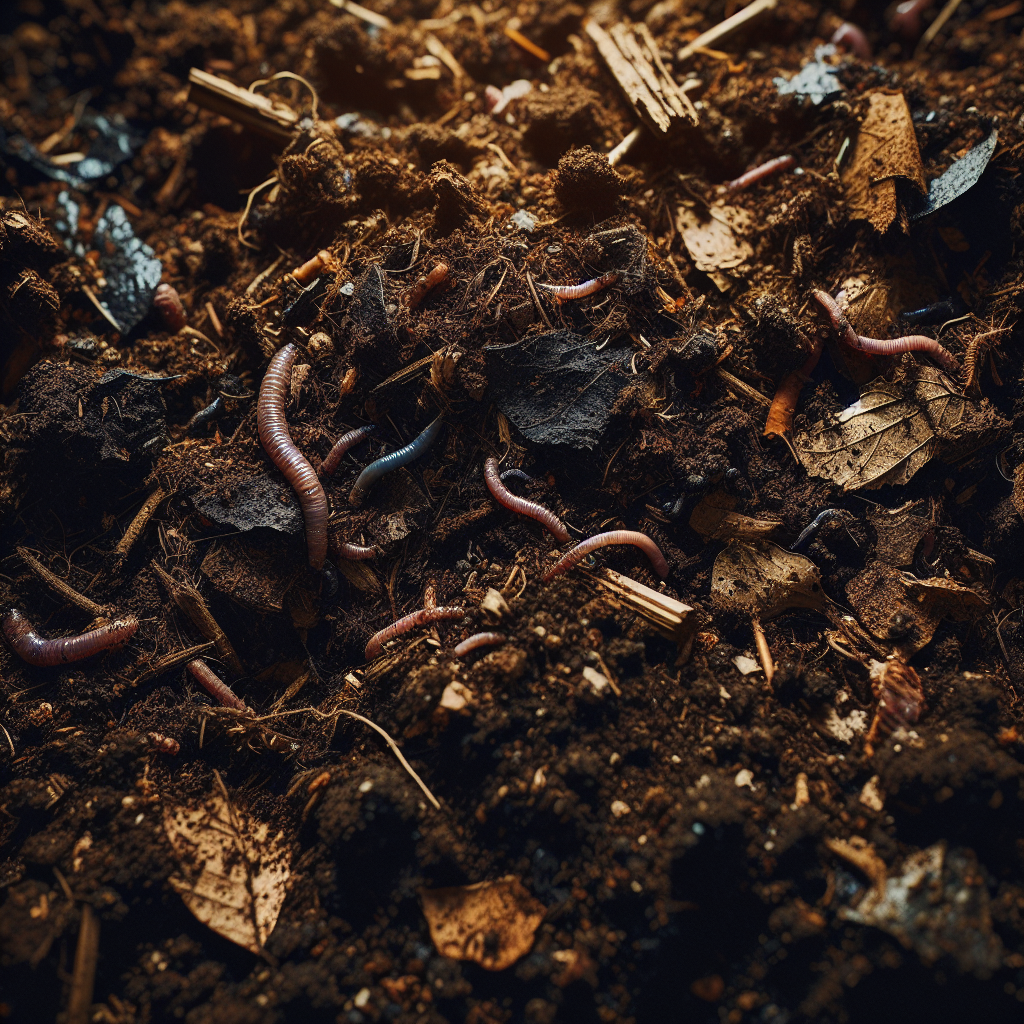
Traditional Bin Composting
This method involves placing organic waste in a bin and regularly turning it to introduce oxygen, which accelerates the decomposition process. It's suitable for most households and can handle a significant amount of waste.
Vermicomposting
Utilizes specific types of earthworms to break down organic materials. This method is faster than traditional composting and produces vermicast, a highly nutritious material for plants.
Bokashi Fermentation
An anaerobic process that uses a specific inoculant to ferment organic material in a sealed container. It's quick, odorless, and can handle types of waste that aren't typically compostable, like cooked foods.
Misconceptions About Composting
"Composting is Too Complicated"
While composting involves science, basic household composting can be straightforward and simple, requiring minimal maintenance.
"Composting Attracts Pests"
Properly managed compost bins do not attract pests. Avoiding meat, dairy, and oily foods in the compost bin can prevent pest issues.
"Composting is Smelly"
A well-maintained compost pile that is properly aerated and balanced does not emit foul odors. The common earthy smell of a compost pile is due to actinobacteria, which are not harmful.
Composting Benefits in 2025
In 2025, composting continues to gain popularity due to its significant environmental benefits. It reduces the amount of organic waste sent to landfills and decreases methane emissions, a potent greenhouse gas. Furthermore, compost improves soil structure, enhances water retention, and reduces the need for chemical fertilizers, promoting sustainable agriculture and gardening.
Technology Integration
Smart composting bins equipped with sensors to monitor temperature, moisture, and decomposition levels are becoming more common, making the composting process more efficient and less labor-intensive.
Community Involvement
Increased community-based composting programs help raise awareness and facilitate waste reduction at a local level. These initiatives are supported by local governments and environmental organizations, fostering a community-oriented approach to waste management.
Conclusion
Composting is an ancient practice that has evolved into a sophisticated yet accessible science by 2025. With advancements in technology and a stronger community focus, composting is more efficient and beneficial than ever. It not only enriches the soil and helps gardens thrive but also plays a crucial role in waste management and environmental conservation. Whether you're a novice gardener or a seasoned horticulturist, composting is a valuable skill that contributes to a healthier planet.