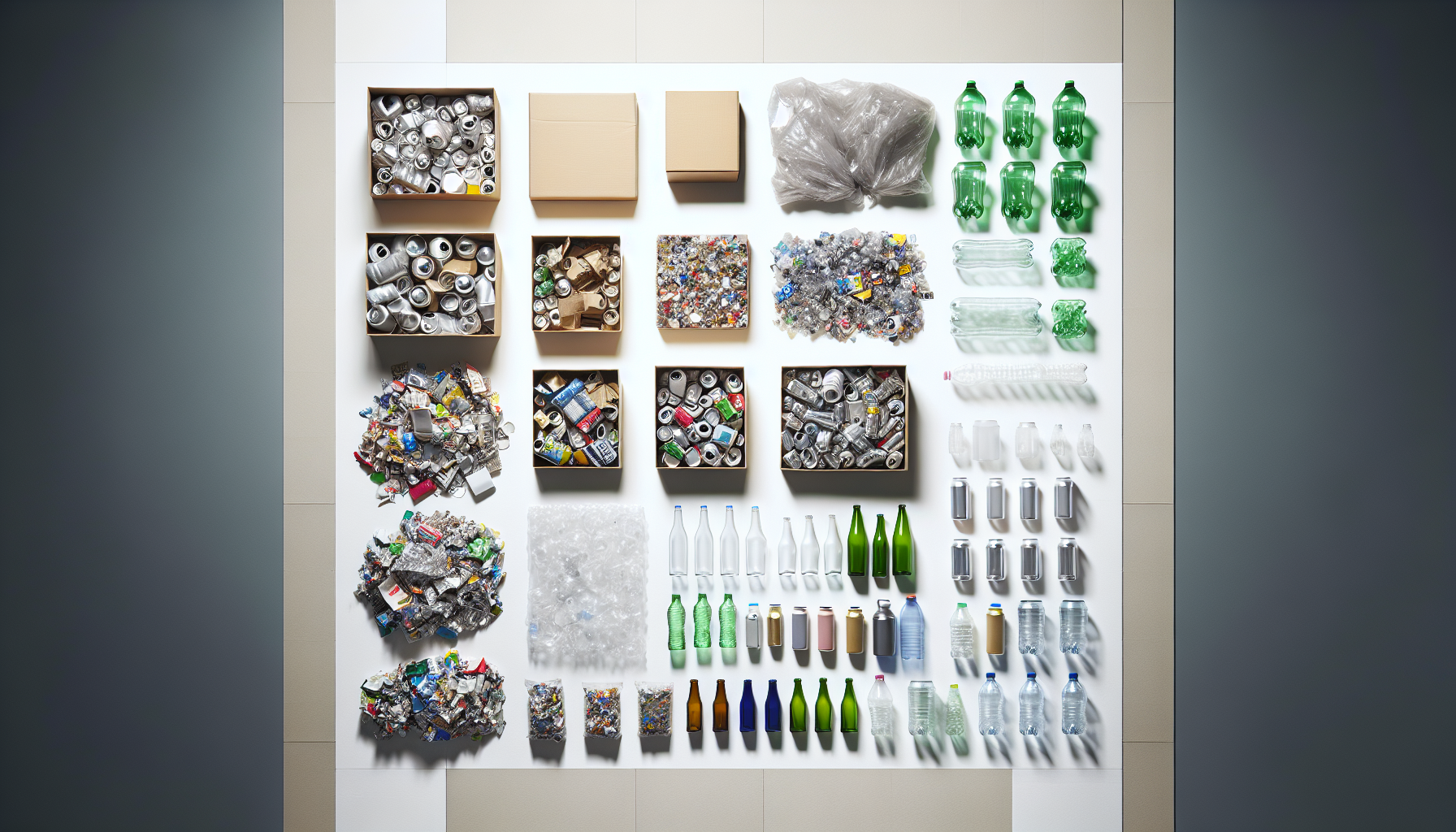
The Impact of Recycling on the Environment in 2025
In 2025, recycling remains a critical component of global efforts to preserve natural resources, reduce waste, and combat climate change. As populations grow and industrial activities increase, the focus on sustainable waste management practices such as recycling has intensified, revealing significant environmental benefits.
TL;DR
- Resource Conservation: Recycling saves valuable raw materials and reduces the need for virgin resource extraction.
- Energy Efficiency: It consumes less energy to process recycled materials than to manufacture new products from scratch.
- Waste Reduction: Recycling helps decrease the volume of waste sent to landfills and incinerators.
- Emission Reduction: By recycling, greenhouse gas emissions associated with production and disposal are significantly lowered.
- Economic Benefits: Recycling creates jobs in waste management and contributes to economic growth in the green sector.
- Biodiversity Protection: Less land is required for waste disposal, helping to preserve habitats and biodiversity.
The Science of Recycling: How It Works
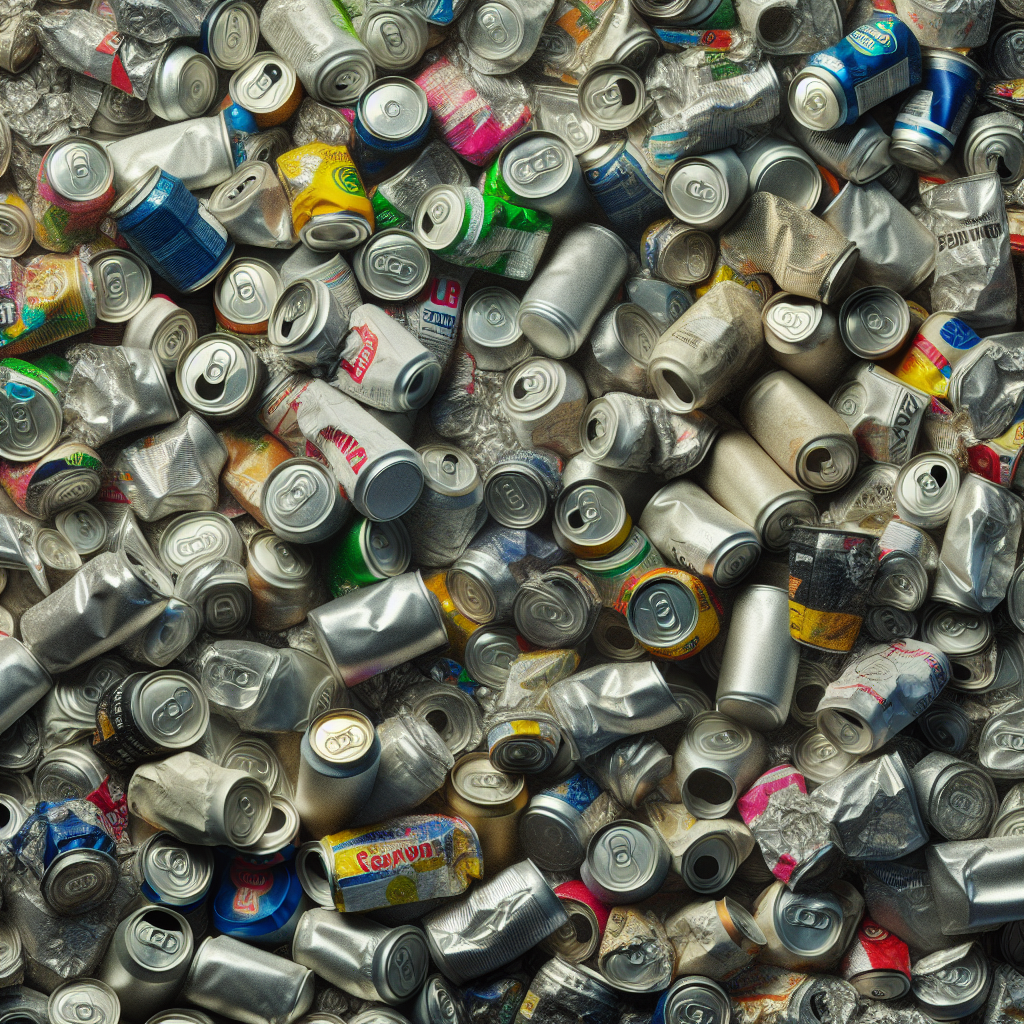
Recycling involves collecting, sorting, and processing materials that would otherwise be thrown away as trash, turning them into new products. This process varies significantly depending on the material in question but typically involves several key steps:
- Collection and Sorting: Materials are collected from households, businesses, and recycling centers and then sorted by type and quality.
- Cleaning and Processing: The sorted materials are cleaned to remove any contaminants. After cleaning, they are broken down and processed to produce raw materials.
- Manufacturing: These raw materials are then used to manufacture new products, ranging from aluminum cans to plastic bottles to recycled paper.
Each step in the recycling process is designed to ensure maximum efficiency and minimal environmental impact, using less energy and producing fewer emissions compared to producing items from virgin materials.
Historical Evolution of Recycling Practices

Recycling isn't a modern invention. Historical records show that throughout human history, civilizations have reused materials. However, the scale and technology applied have evolved dramatically:
- Ancient Times: Archaeological studies suggest that as early as 400 BC, people melted down old metal goods to create new items.
- Industrial Revolution: The late 18th and early 19th centuries saw a rise in scrap metal recycling due to material shortages.
- 20th Century: The environmental movements of the 1960s and 1970s sparked modern recycling initiatives, emphasizing the ecological benefits of reusing materials.
- 21st Century: Technological advancements have refined recycling processes, making them more efficient and less energy-intensive.
The progression from rudimentary reprocessing to sophisticated, technology-driven recycling systems highlights humanity's increasing recognition of resource limits and the need for sustainable waste management solutions.
Recycling's Role in Energy Conservation and Emission Reduction

One of the most significant environmental benefits of recycling is its ability to conserve energy and reduce greenhouse gas emissions:
- Energy Conservation: Producing aluminum cans from recycled aluminum saves 95% of the energy required to make the same cans from raw materials. Similarly, recycling paper saves about 40% of the energy compared to making it from virgin wood fibers.
- Emission Reduction: Recycling helps reduce the emissions from incinerators and landfills. Methane, a potent greenhouse gas released from decomposing waste in landfills, is notably reduced when organic waste is composted or recycled instead.
Economic and Social Impacts of Recycling
Beyond environmental benefits, recycling also contributes to economic and social well-being:
- Job Creation: The recycling industry is labor-intensive, requiring personnel for sorting, processing, and converting recycled materials into new products, thus creating jobs.
- Community Engagement: Many communities around the world participate in local recycling programs, which fosters a sense of responsibility and collective action towards environmental conservation.
Challenges and Future Directions
Despite its benefits, recycling faces several challenges:
- Contamination of Recycling Streams: Non-recyclable materials mixed with recyclable ones can hinder the recycling process, increasing costs and reducing the quality of recycled materials.
- Economic Viability: Fluctuations in the market for recycled materials can impact the financial sustainability of recycling programs.
- Technological Needs: Advancements are needed to efficiently recycle complex products like electronics and certain plastics.
As we look to the future, continuous innovation in recycling technology, public awareness, and supportive government policies will be crucial to overcoming these challenges and enhancing the benefits of recycling.
Conclusion
In 2025, recycling continues to play an essential role in promoting environmental sustainability. By effectively managing waste, conserving natural resources, reducing energy consumption, and minimizing greenhouse gas emissions, recycling helps protect the planet for future generations. While challenges remain, the ongoing commitment to improving recycling technologies and systems is a positive step towards a more sustainable world. The collective effort in recycling not only aids in environmental preservation but also bolsters economic growth and community development, making it a pivotal activity in the quest for sustainable development.