Unveiling the Mystery: How Are Pearls Formed?
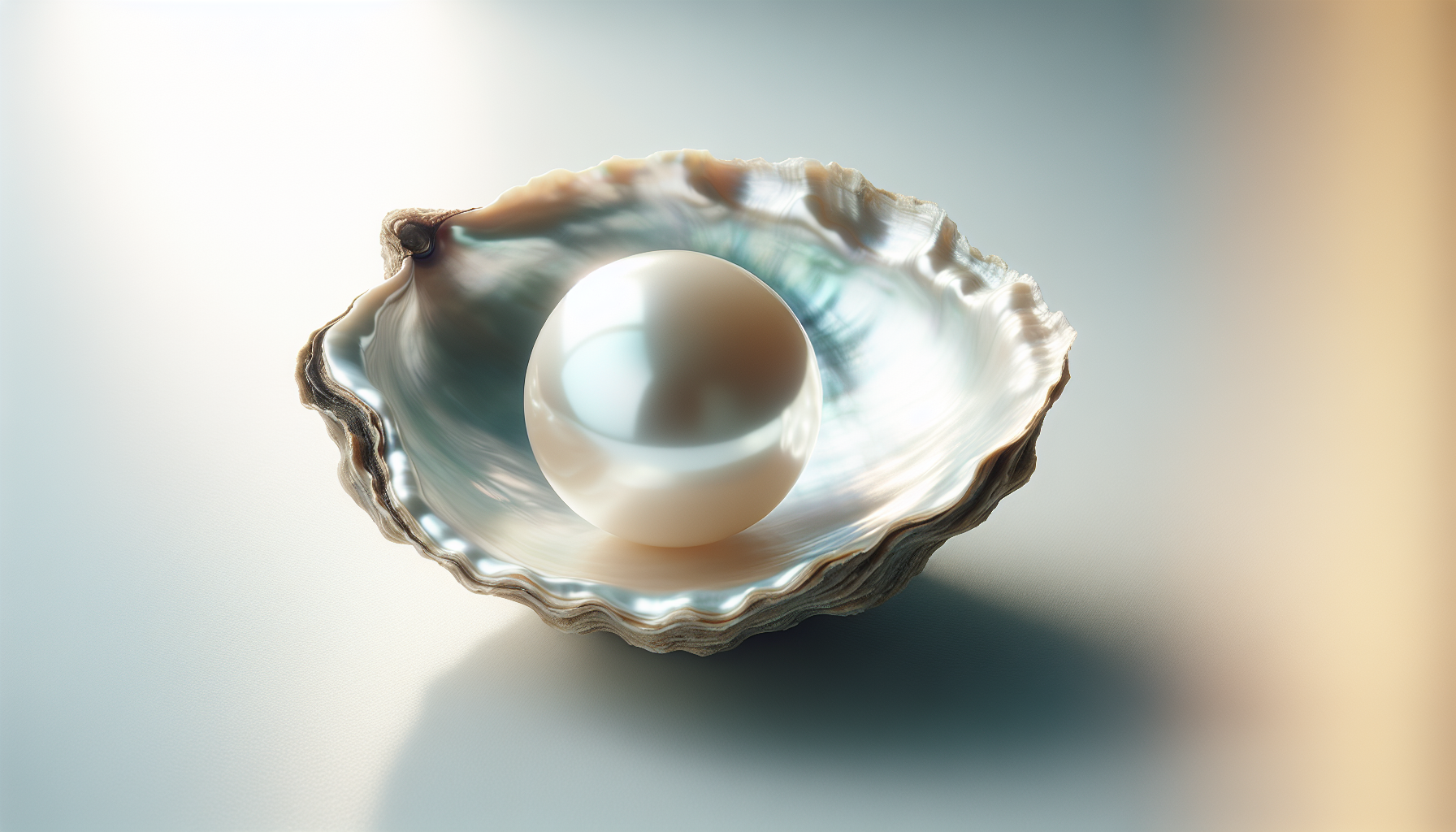
Pearls, with their lustrous allure, have captivated human fascination for millennia. These gemstones, unique in their organic origins, are the result of a natural biological process within oysters and other mollusks. The formation of pearls is as intriguing as it is beautiful, combining elements of biology, chemistry, and serendipity.
TL;DR
- Pearls are formed by oysters and other mollusks as a defense mechanism against foreign substances.
- The process involves the secretion of nacre, or mother-of-pearl, which layers around an irritant inside the mollusk’s shell.
- Natural pearls are rare, with most pearls on the market today being cultivated or farmed.
- There are various types of pearls, differentiated by their origin, color, and luster.
- Cultured pearls are created by artificially introducing an irritant into a mollusk to stimulate nacre production.
- Pearl formation can take several years, depending on environmental conditions and the type of mollusk.
The Science of Pearl Formation
Biomineralization and Nacre Production
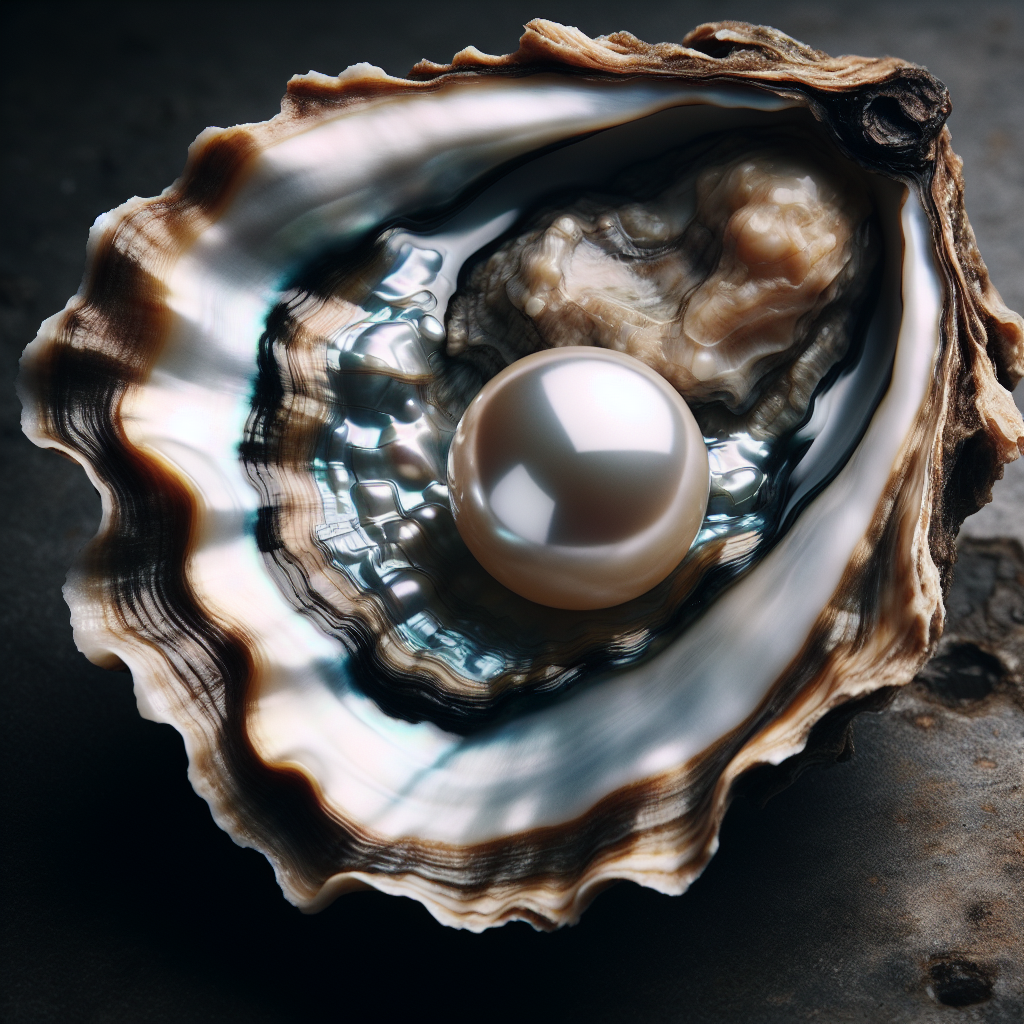
Pearl formation is a fascinating example of biomineralization, the process by which living organisms produce minerals to harden or stiffen existing tissues. In the case of pearls, when a foreign substance such as a sand grain or a parasite enters an oyster, it triggers a defense mechanism where the mollusk secretes layers of nacre. Nacre, composed primarily of aragonite (a form of calcium carbonate) and conchiolin (an organic protein that acts as a form of biological adhesive), is the same substance that lines the inner shell of the mollusk. This continuous layering of nacre around the irritant forms the pearl, which can take from a few months to several years, depending on the mollusk and environmental conditions.
Types of Pearls and Their Formation
There are several types of pearls, each with unique characteristics and formation processes:
- Natural pearls: Formed without human intervention when an irritant naturally enters a mollusk.
- Cultured pearls: Created by deliberately inserting an irritant into the mollusk to stimulate nacre production.
- Freshwater pearls: Typically produced in mussels in rivers, lakes, and ponds.
- Saltwater pearls: Such as the Akoya, Tahitian, and South Sea pearls, are produced in specific species of oysters in oceanic environments.
Historical Context
Early Pearl Discovery and Use
Pearls have been revered since ancient times, both for their beauty and their rarity. The earliest records of pearls being used as precious items come from ancient China, dated to around 2300 BCE. Throughout history, pearls have been associated with wealth and prestige, famously adorned by royalties and nobilities around the world. The ancient Greeks valued pearls so highly they believed they were tears of the gods.
Cultural Significance

Pearls in Fashion and Symbolism
In many cultures, pearls symbolize purity, wisdom, and wealth. They have been a staple in fashion, particularly noted in the Renaissance portraits of nobles wearing pearl necklaces and crowns. In modern times, pearls remain a classic adornment in jewelry, with notable public figures often seen wearing them.
Misconceptions about Pearls
Common Myths Debunked
- Pearls are not formed from sand: Contrary to popular belief, most pearls do not start as grains of sand. More commonly, they form around organic materials or parasites.
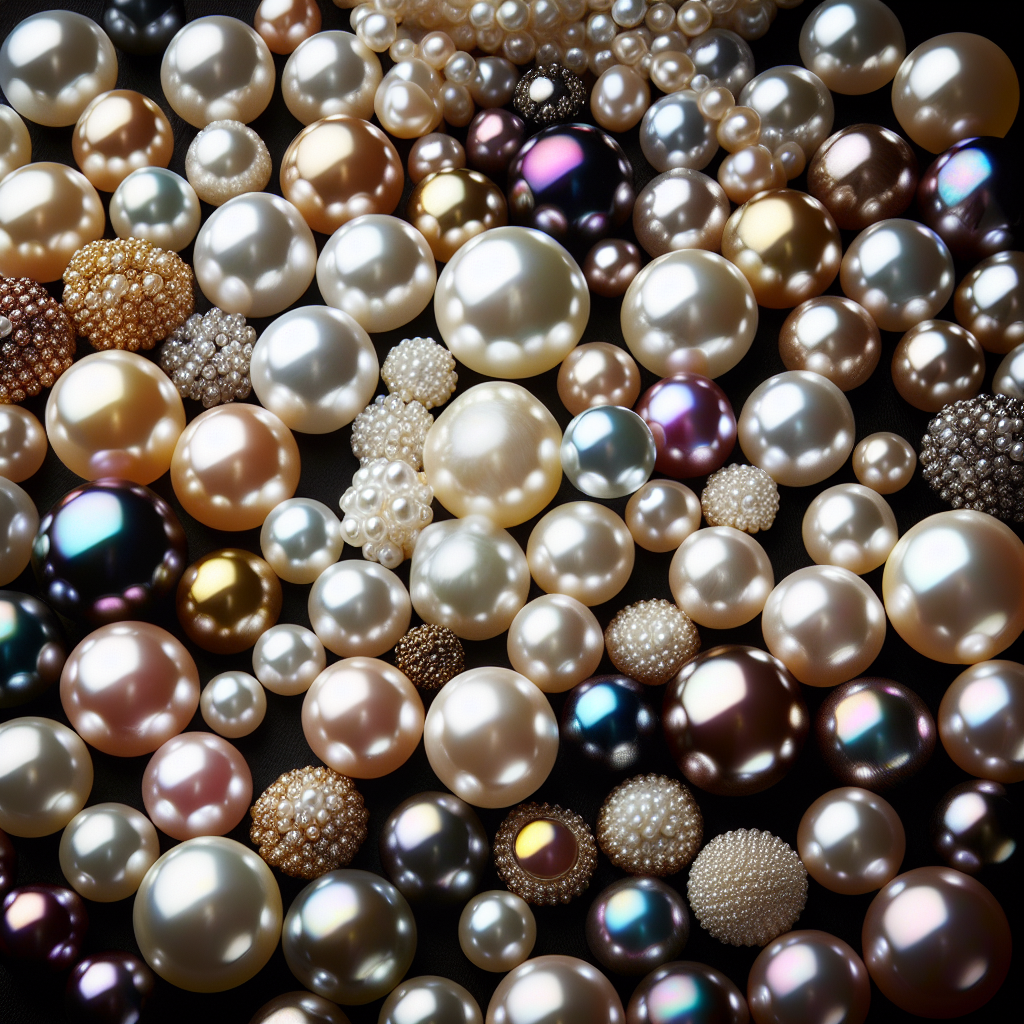
- Pearls are not always white: They come in a variety of colors, including pink, blue, green, and black, depending on the type of mollusk and the environment.
- Larger pearls are not necessarily older: The size of a pearl is influenced by several factors, including the type of mollusk, the thickness of nacre layers, and the time it was allowed to develop.
Future of the Pearl Industry
Sustainability and Cultivation Advances
With natural pearls becoming increasingly rare, the future of pearls lies in sustainable cultivation practices. Advances in aquaculture technology and increased awareness of environmental impacts are helping to ensure that pearl cultivation is sustainable and environmentally responsible. This includes managing water quality and mollusk health to prevent diseases that can decimate pearl-producing populations.
Conclusion
The formation of pearls is a beautiful testament to nature's ability to turn adversity into beauty. Through a combination of biological processes and environmental factors, oysters and other mollusks produce one of the most cherished gemstones in the world. Understanding the science and history behind pearls not only enhances our appreciation for these gems but also highlights the importance of sustainable practices in preserving their future. As we continue to admire and wear pearls, let us also commit to supporting the health of the marine environments that nurture these precious resources.