
Why is the Ocean Salty? Unveiling the Science Behind Seawater
Have you ever sipped seawater and recoiled at its saltiness? This universal characteristic of our oceans raises a straightforward yet intriguing question: Why are the oceans salty? Understanding the saltiness of the ocean not only demystifies a basic natural phenomenon but also enhances our comprehension of marine ecosystems and their global significance.
TL;DR
- Ocean salinity results from the dissolution of mineral salts, primarily sodium chloride, which are washed away from land by rivers and deposited into the seas.
- Hydrothermal vents on the ocean floor also contribute to salinity by releasing minerals into the ocean.
- The concentration of salt in seawater has been relatively stable due to a balance between salt inputs and outputs.
- Evaporation and the formation of sea ice can locally and temporarily increase seawater salinity.
- Historical theories regarding ocean salinity have evolved significantly, from early notions of salt originating from river beds to a more complex understanding of geological and hydrological processes.
- Ocean salinity plays a crucial role in global climate regulation by influencing ocean circulation patterns.
The Science of Ocean Salinity
Sources of Salt in the Ocean
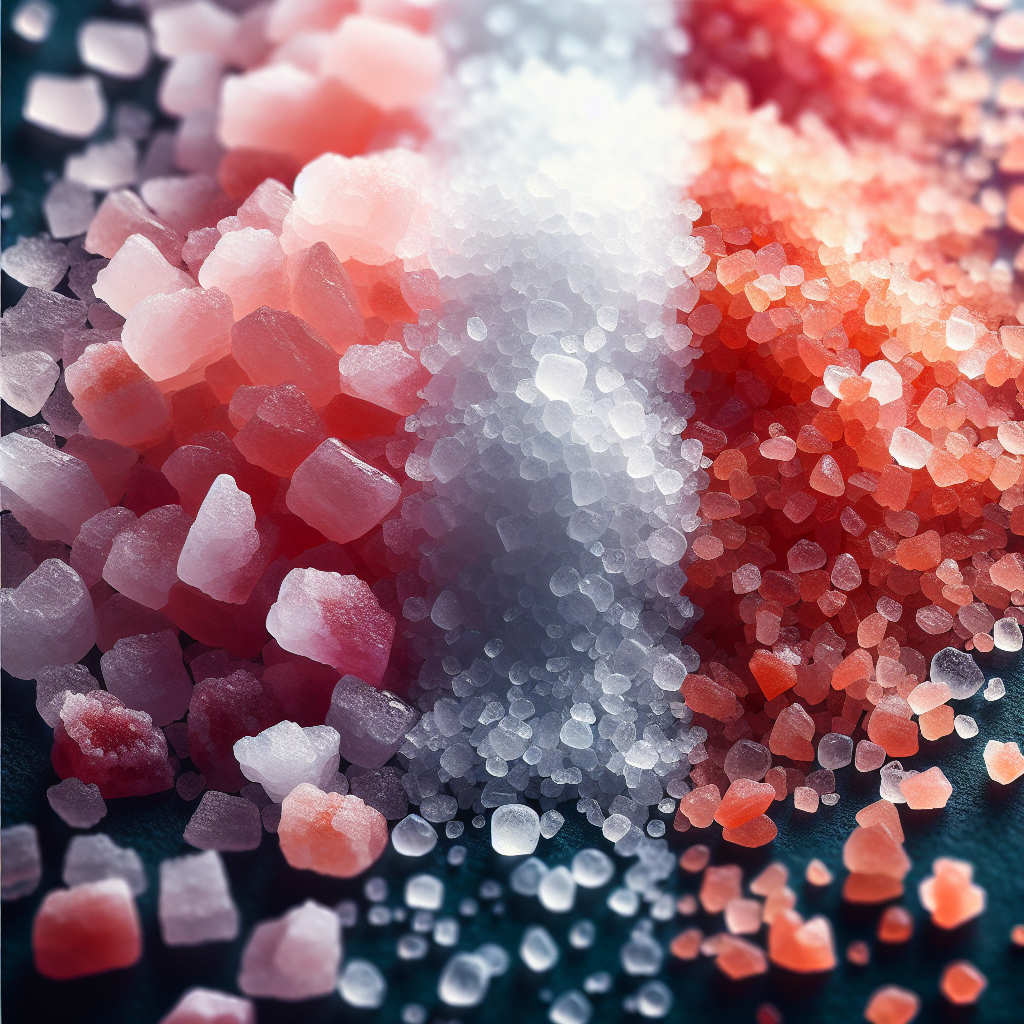
The salinity of ocean water is primarily due to the presence of dissolved salts, with sodium chloride (table salt) being the most prevalent. These salts originate from several sources:
- Riverine Input: Rivers are the major carriers of dissolved ions from eroded rocks on land. As rivers flow towards the oceans, they erode minerals containing the ionic components of salts, such as sodium (Na+) and chloride (Cl-), which are then carried into the oceans.
- Volcanic Eruptions: Volcanic activity contributes salts to the oceans both through atmospheric deposition and through underwater volcanic vents.
- Hydrothermal Vents: These underwater geysers, found along mid-ocean ridges, eject massive amounts of mineral-rich water into the ocean, which includes various salts.
- Atmospheric Deposition: Salts can also be introduced into the ocean through dust carried by wind. Dust particles often contain minerals that have been picked up from dry land surfaces.
Processes Affecting Salinity
The concentration of these salts can be affected by several processes:
- Evaporation: Increases salinity as water evaporates from the ocean surface, leaving salts behind.
- Precipitation: Decreases salinity by diluting seawater with fresh water.
- Ice Formation and Melting: Sea ice formation excludes salts and increases salinity in the surrounding water, whereas melting dilutes seawater and reduces salinity.
- River Discharge: Introduces fresh water, reducing salinity in estuarine areas.
Salinity Variations
Salinity is not uniform across all parts of the ocean. Factors such as location, depth, and proximity to freshwater inputs influence variations. For example, salinity is generally higher in the mid-latitudes due to high evaporation rates and lower near the equator and poles owing to higher precipitation and ice melting processes.
Historical Understanding of Ocean Salinity
Early Theories
Historically, the reasons behind ocean salinity were a subject of speculation and myth. Ancient civilizations often attributed the saltiness to the inherent properties of seawater or to mystical explanations.
Scientific Advancements
By the 19th century, scientists began to understand more about the hydrological cycle and the role of rivers in transporting dissolved ions into the oceans. This period marked a significant shift from mythological explanations to more scientific approaches.
The Role of Rivers in Ocean Salinity
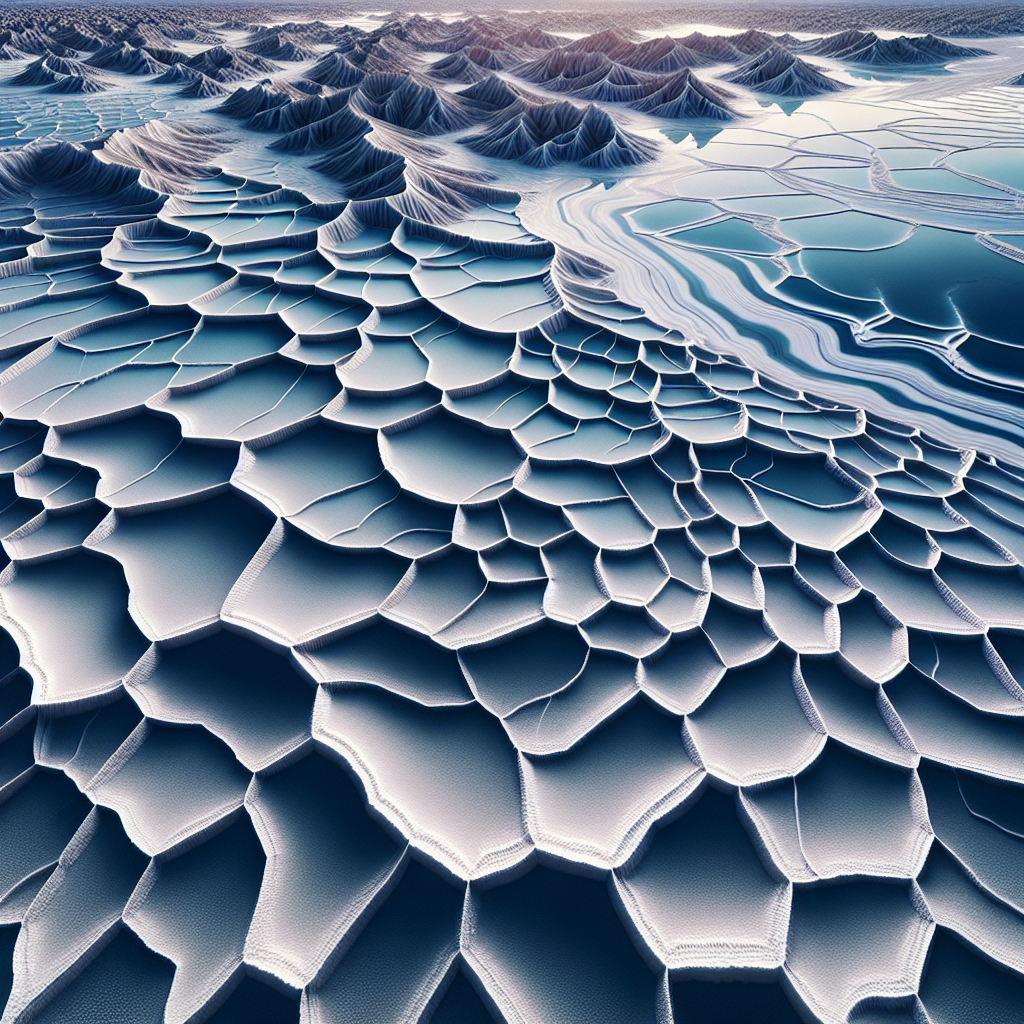
Rivers play an indispensable role in shaping ocean salinity by continuously supplying salts from terrestrial environments. This process involves the weathering of rocks, a natural form of erosion that releases mineral salts into river waters. These salts are then transported to the oceans, contributing to their salinity.
Impact of Ocean Salinity on Marine Life and Climate
Marine Life
Salinity is a critical factor in the marine environment. It influences the biological processes of marine organisms, including osmoregulation—the process by which organisms maintain fluid balance and concentrations of salts.
Climate Regulation
Ocean salinity influences global climate patterns by affecting the density of seawater, which in turn impacts oceanic circulation. This circulation plays a crucial role in distributing heat across the planet, regulating weather and climate systems.
Misconceptions About Ocean Salinity
A common misconception is that all parts of the ocean have the same salinity. In reality, salinity varies widely due to local and regional climatic conditions, geographical factors, and seasonal variations.
Conclusion
The salinity of the ocean is a dynamic characteristic resulting from a complex interplay of geological, hydrological, and atmospheric processes. Understanding why the ocean is salty not only satisfies a common curiosity but also highlights the intricate connections within our planet's environmental systems. As we continue to study and learn about ocean salinity, we gain valuable insights into climate change, marine ecology, and even the history of Earth itself.