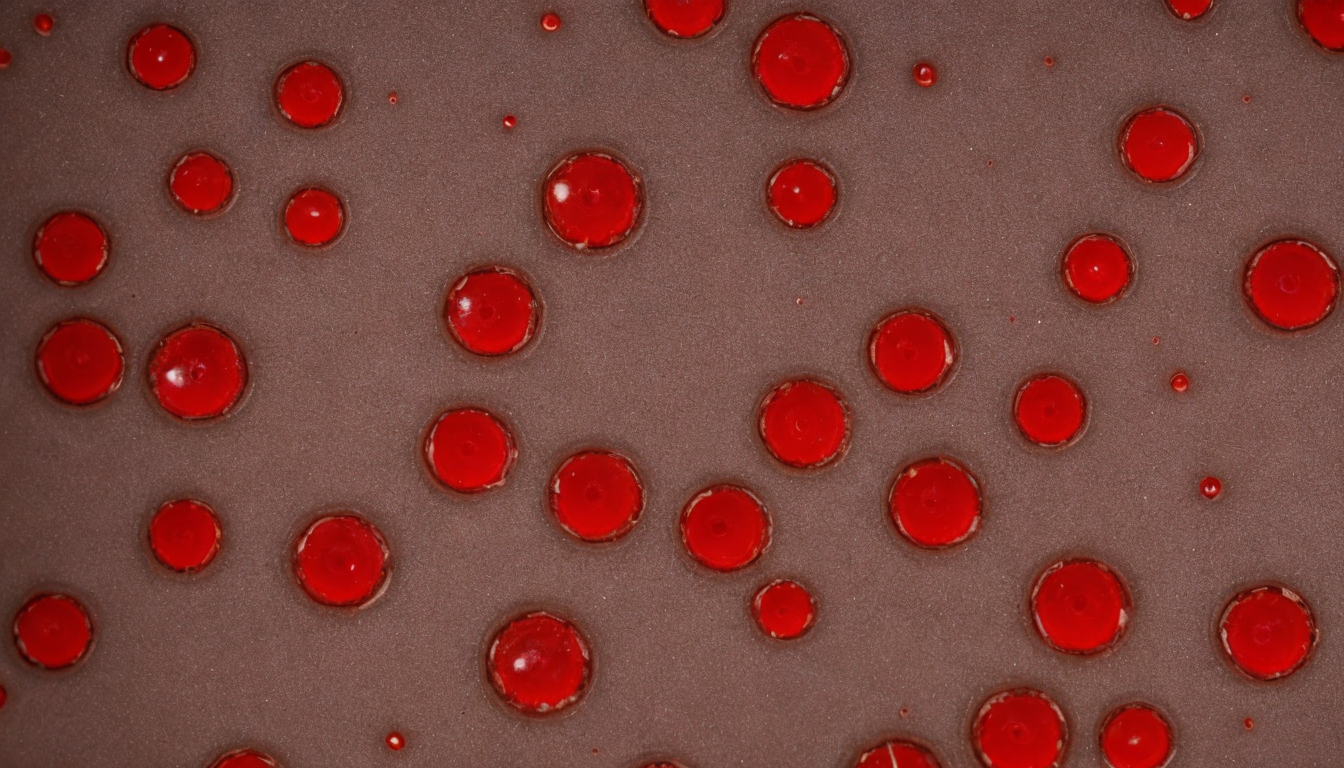
Why Is Blood Red? Unpacking Its Color
TL;DR
- Hemoglobin: The primary protein in red blood cells that binds to oxygen and gives blood its distinctive color.
- Iron Content: Hemoglobin contains iron, which is essential for binding with oxygen and contributing to the red hue of blood.
- Oxygen Saturation Levels: Blood appears brighter red when fully saturated with oxygen (oxyhemoglobin) compared to darker shades when deoxygenated (deoxyhemoglobin).
- Evolutionary Advantage: The efficiency of hemoglobin in transporting oxygen is crucial for human survival and adaptation.
- Medical Significance: Changes in blood color can indicate various health conditions, making it a critical diagnostic tool.
Understanding the Science Behind Blood Color
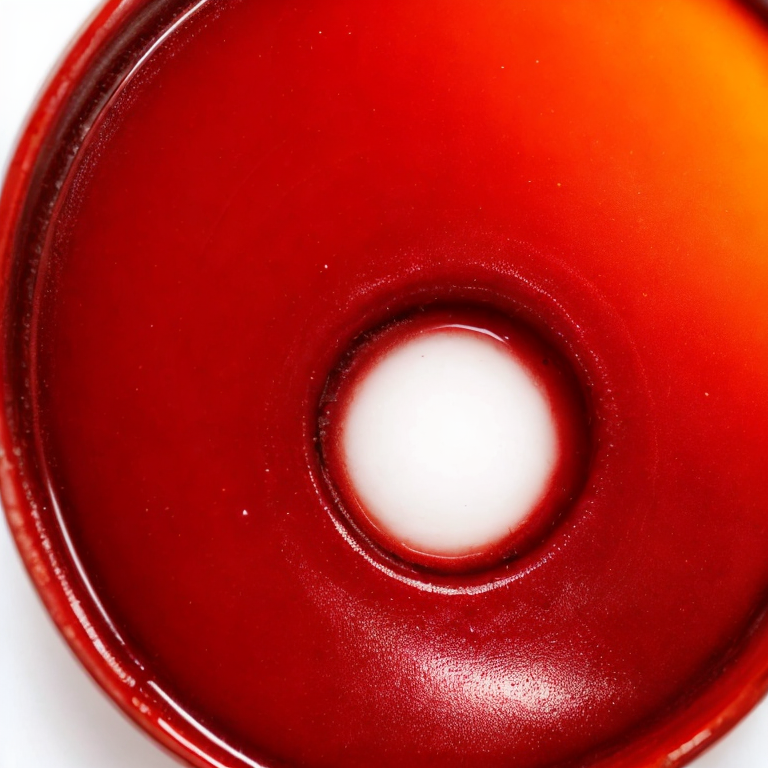
Blood's red hue is primarily due to the presence of hemoglobin, a protein found within red blood cells. Hemoglobin contains iron atoms that bind with oxygen molecules and give blood its characteristic color. This binding process occurs in two states: when bound (oxyhemoglobin) and when unbound (deoxyhemoglobin). Oxyhemoglobin appears bright red because it reflects more light at wavelengths corresponding to the visible spectrum of red, whereas deoxyhemoglobin is darker and sometimes appears maroon.
Hemoglobin Function
Hemoglobin's primary function is to transport oxygen from the lungs to tissues throughout the body. It does this by binding with oxygen molecules in the lungs where the concentration of oxygen is high, then releasing them as it circulates through other parts of the body where oxygen levels are lower. The iron atoms within hemoglobin play a crucial role in this process because they can reversibly bind to and release oxygen.
Iron's Role
Iron is central to the structure and function of hemoglobin. Each molecule of hemoglobin contains four heme groups, each with an iron atom at its center. These iron atoms are what enable hemoglobin to carry oxygen effectively. When bound to oxygen, the iron in hemoglobin changes from a ferric (Fe3+) state to a ferrous (Fe2+) state, which is responsible for the red coloration.
Oxygen Saturation and Blood Color
The degree of saturation with oxygen affects how blood appears visually. Fully saturated oxyhemoglobin tends to have a bright cherry-red appearance, whereas deoxyhemoglobin has a darker maroon or almost purple shade. This variation in color can be observed when comparing arterial blood (highly oxygenated) to venous blood (less oxygenated).
Historical and Cultural Context
The observation of blood's redness dates back to ancient times, where early physicians noted the correlation between blood coloration and health status. In medieval Europe, the concept of "humors" was prevalent; blood was one of four vital fluids believed to influence personality traits and physical well-being.
Medical History
Early medical practitioners used observations about blood color as part of their diagnostic methods. For instance, if a person's skin appeared pale or blue-tinged, it could indicate respiratory issues affecting oxygen levels in the blood. Over time, more precise measurements and technological advancements have refined our understanding of how blood composition and function relate to health.
Cultural Significance
Blood has played significant roles in various cultures beyond medicine. In many religious traditions, it symbolizes life and sacrifice. For example, rituals involving blood sacrifices were common practices in ancient civilizations as a means of honoring deities or seeking divine favor.
Etymology and Language Evolution
The term "blood" comes from Old English "blōd," which itself is derived from Proto-Germanic roots related to the concept of fluid that circulates through living beings. The word has remained relatively unchanged over centuries, reflecting its enduring importance in language and culture.
Scientific Terminology
In scientific contexts, terms such as "hemoglobin" (from Greek words meaning "blood" and "stomach") and "erythrocyte" (meaning "red cell") are used to describe components of blood. These terminologies underscore the specialized nature of blood's functions within biological systems.
Misconceptions About Blood Color

Several misconceptions exist regarding why blood appears red. One common myth is that blood would be blue if not for its oxygen content, which is incorrect because blood does not naturally appear blue; it only seems so under certain lighting conditions or when viewed through skin layers.
Scientific Clarification
Blood's red color is due to the chemical properties of hemoglobin rather than being influenced by external factors like light exposure. The iron in heme groups reflects specific wavelengths that correspond to red hues, making blood visually distinct.
Medical Importance and Diagnostic Applications
Understanding why blood is red has practical implications for medical diagnostics. Changes in blood color can indicate various health conditions:
- Bright Red Blood: Indicates high oxygen saturation, often seen in arterial blood.
- Dark Maroon Blood: Suggests lower oxygen levels, characteristic of venous blood.
- Abnormal Colors: May signal issues like anemia or other circulatory disorders.
Diagnostic Tools
Modern medical practices utilize precise measurements and imaging techniques to assess blood composition accurately. These tools help healthcare providers diagnose conditions ranging from cardiovascular diseases to respiratory ailments based on detailed analysis of blood samples.
Conclusion
The coloration of human blood is fundamentally linked to the presence of hemoglobin, a protein rich in iron that facilitates oxygen transport within the body. This characteristic red hue not only reflects biological necessity but also carries historical and cultural significance across different societies. Understanding why blood appears red enhances our appreciation for its vital role in sustaining life and informs medical diagnostics crucial for maintaining health.
By exploring both scientific explanations and broader contextual aspects, we gain a comprehensive view of this essential bodily fluid and its enduring importance in human biology and beyond.