Why Cats Freak Out When They See Cucumbers?
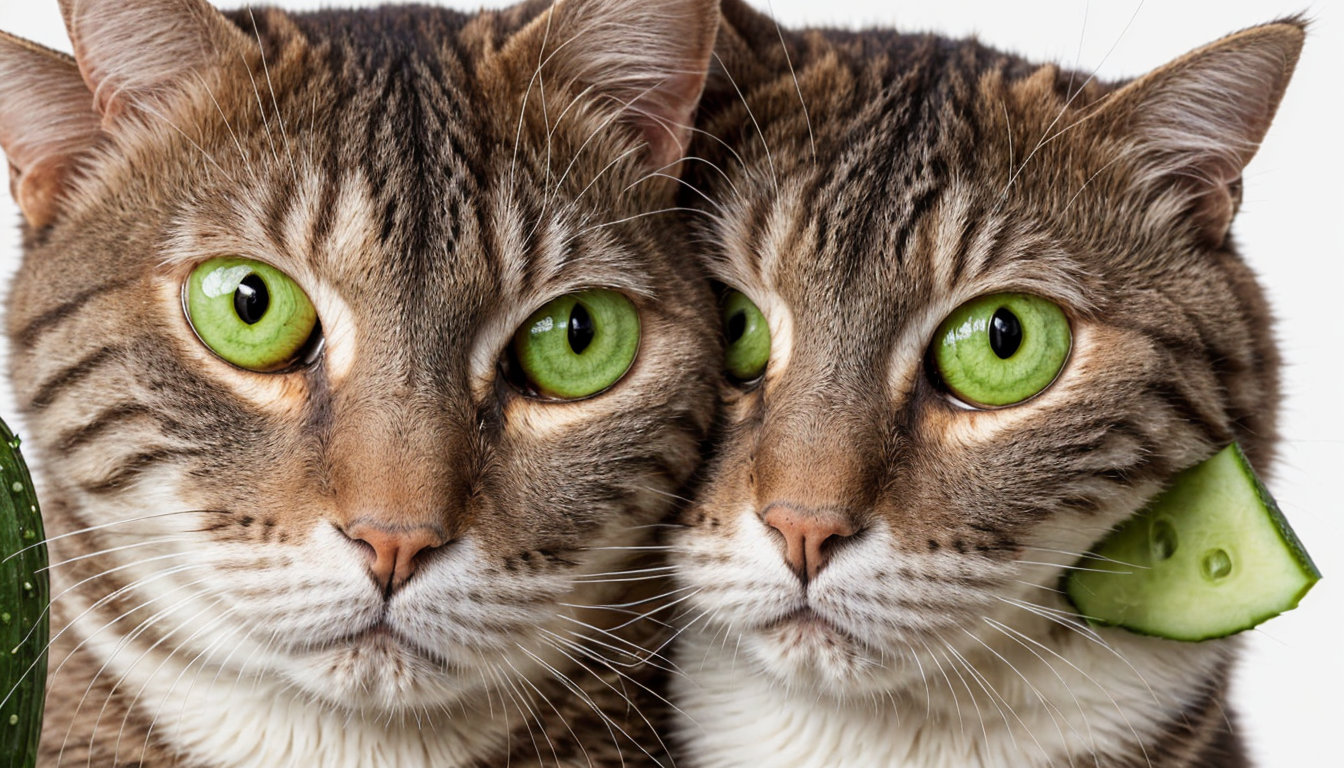
Cats are known for their curious and often unpredictable behavior. One of the most surprising phenomena in recent years is the widespread video footage showing cats reacting fearfully to cucumbers placed behind them. This article delves into the scientific, historical, and cultural reasons why cats might exhibit such a strong aversion to an otherwise harmless vegetable.
TL;DR
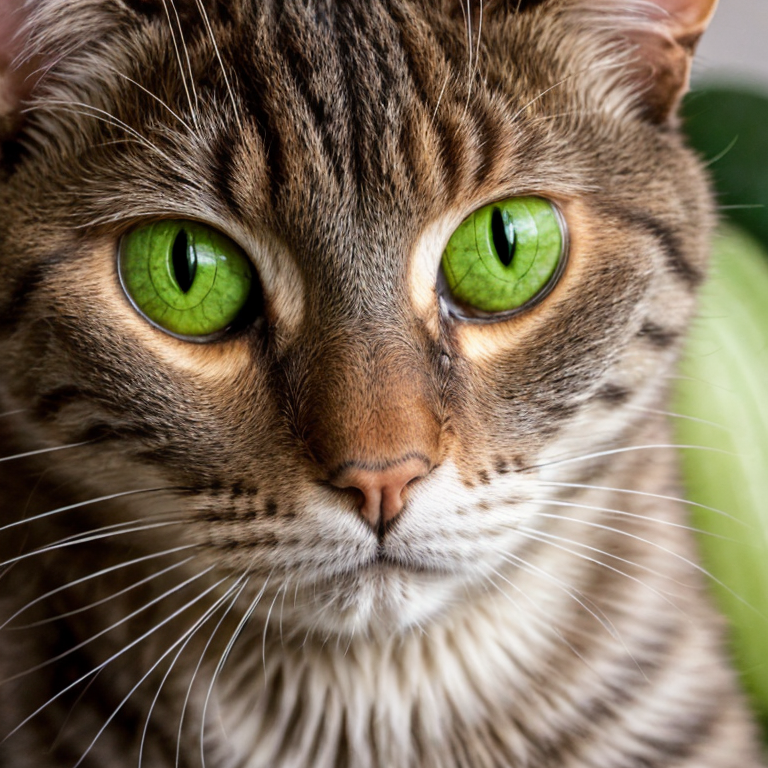
- Cats may react fearfully when they see cucumbers due to their sudden appearance.
- Cucumbers are not naturally part of a cat's environment or diet.
- The reaction is often exaggerated in videos and does not reflect typical cat behavior.
- Understanding the reasons behind this behavior can help pet owners better care for their cats.
Scientific Explanations
Sudden Appearance as a Startle Reflex
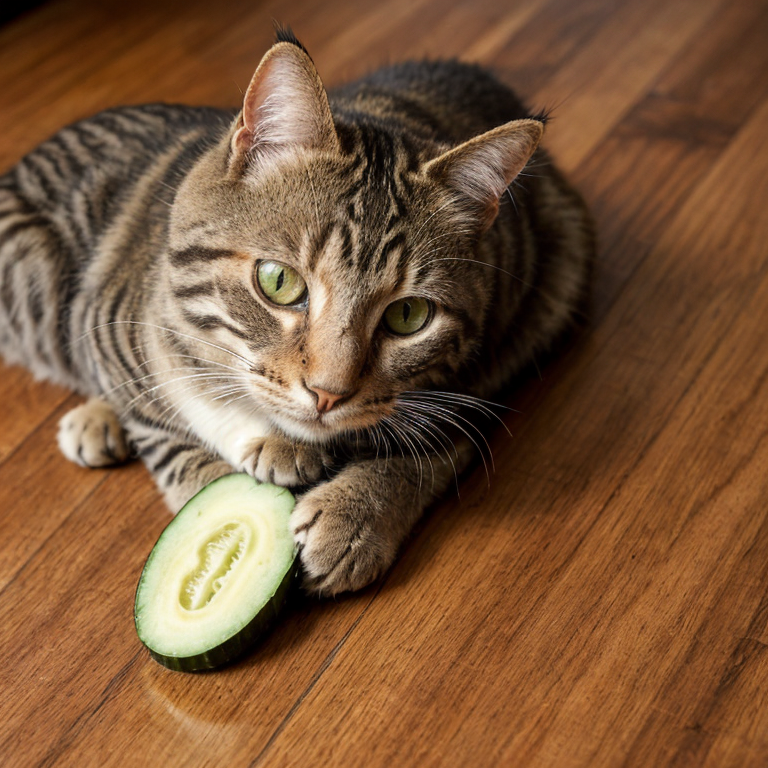
One of the primary reasons why cats react fearfully to cucumbers placed unexpectedly behind them is due to the sudden appearance and change in visual stimuli. Cats have an acute sense of vision, which they use to detect potential threats or changes in their environment.
When a cat suddenly sees something large and unfamiliar like a cucumber, it triggers the startle reflex—a natural response designed to alert the animal to danger. This reflex causes a quick burst of adrenaline, leading to sudden movements such as running away, jumping, or vocalizing.
Novelty and Unfamiliarity
Cucumbers are not part of a cat's typical diet or environment. Cats are obligate carnivores, meaning they naturally hunt small prey like mice and birds. The presence of an unusual object like a cucumber can trigger curiosity mixed with caution, leading to a heightened state of alertness.
Visual Cues and Shape
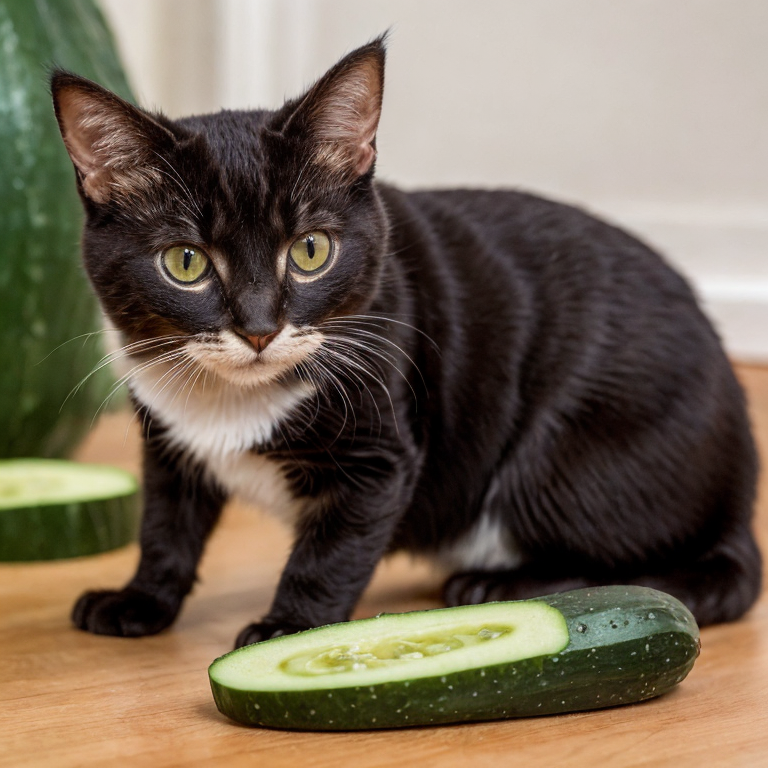
The shape and size of cucumbers can also contribute to the fear response in cats. Cats are sensitive to changes in their environment that might indicate potential threats such as snakes or other predators. The elongated shape of a cucumber can resemble a snake, which is known to be a natural predator for many small animals, including cats.
Historical and Cultural Context
Emergence of "Cucumber Shock Challenge"
The phenomenon gained widespread attention with the advent of social media platforms, particularly YouTube and TikTok. Videos showing cats' reactions to cucumbers went viral in 2018, leading to what is often referred to as the "cucumber shock challenge."
This trend sparked discussions about cat behavior and prompted many pet owners to experiment with similar setups. However, it's important to note that these videos are often staged for entertainment purposes and do not reflect typical or healthy interactions between cats and their environment.
Misconceptions About Cat Behavior
The viral nature of the cucumber shock challenge has led to several misconceptions about cat behavior:
- Cats hate cucumbers: While many cats show fear when presented with a sudden appearance of a cucumber, this does not mean they inherently dislike cucumbers.
- All cats react the same way: Individual cat personalities and experiences vary. Some cats might be curious or indifferent, while others may exhibit fear or aggression.
- Cucumbers are dangerous to cats: Cucumbers themselves are harmless when handled properly. However, sudden appearances can cause unnecessary stress.
Etymology and Cultural Impact
Origins of the Term "Shock Challenge"
The term "shock challenge" originated from various online communities where users would share videos showcasing unexpected reactions in animals, including cats. The idea is to capture a moment that elicits an exaggerated response for entertainment purposes.
Role of Social Media
Social media platforms have played a significant role in popularizing and spreading the cucumber shock challenge. These platforms allow users to easily upload and share content, making it possible for trends to spread rapidly across different regions and cultures.
Misconceptions Addressed
Health Risks
There are no inherent health risks associated with cucumbers themselves when handled correctly. However, sudden appearances can cause stress in cats, which might lead to short-term behavioral changes such as increased anxiety or aggression.
Natural Diet Considerations
While cucumbers do not pose a direct threat to cats, it's essential for pet owners to understand that they should not be included in a cat’s diet due to their high water content and low nutritional value. Cats require balanced diets rich in protein from meat sources.
Conclusion
The viral sensation of cats reacting fearfully to cucumbers provides an interesting glimpse into feline behavior but also underscores the importance of understanding natural instincts and environmental triggers. While it's entertaining to see these reactions, responsible pet owners should prioritize their cat’s mental well-being by avoiding stress-inducing situations and maintaining a safe environment.
Understanding why cats react this way can help in creating better living conditions for them, ensuring they remain healthy and happy pets.