Why Does the Moon Change Shape? Unveiling Lunar Mysteries
The moon, Earth's only natural satellite, presents a captivating celestial phenomenon as it seemingly changes shape throughout the month. These changes, known as lunar phases, are not due to alterations in the moon itself but result from the moon's orbital dynamics around Earth and the varying angles of sunlight that reach it. Understanding why the moon changes shape enhances our grasp of fundamental astronomical principles and the natural rhythms that influence Earth.
TL;DR
- Lunar phases: The moon changes shape due to its phases, which are determined by the moon's position relative to Earth and the sun.
- Sunlight and shadow: These shapes result from how sunlight illuminates part of the moon while the other part remains in shadow.
- Orbital dynamics: The moon's orbit around Earth causes different portions of its sunlit part to be visible from Earth.
- Waxing and waning: Phases range from new moon to full moon, and back, known as waxing (growing) and waning (shrinking).
- Monthly cycle: The entire lunar phase cycle lasts about 29.5 days, aligning closely with one month.
- Visibility effects: The visibility of the moon’s phases can influence tidal patterns and nocturnal wildlife behavior.
Understanding Lunar Phases

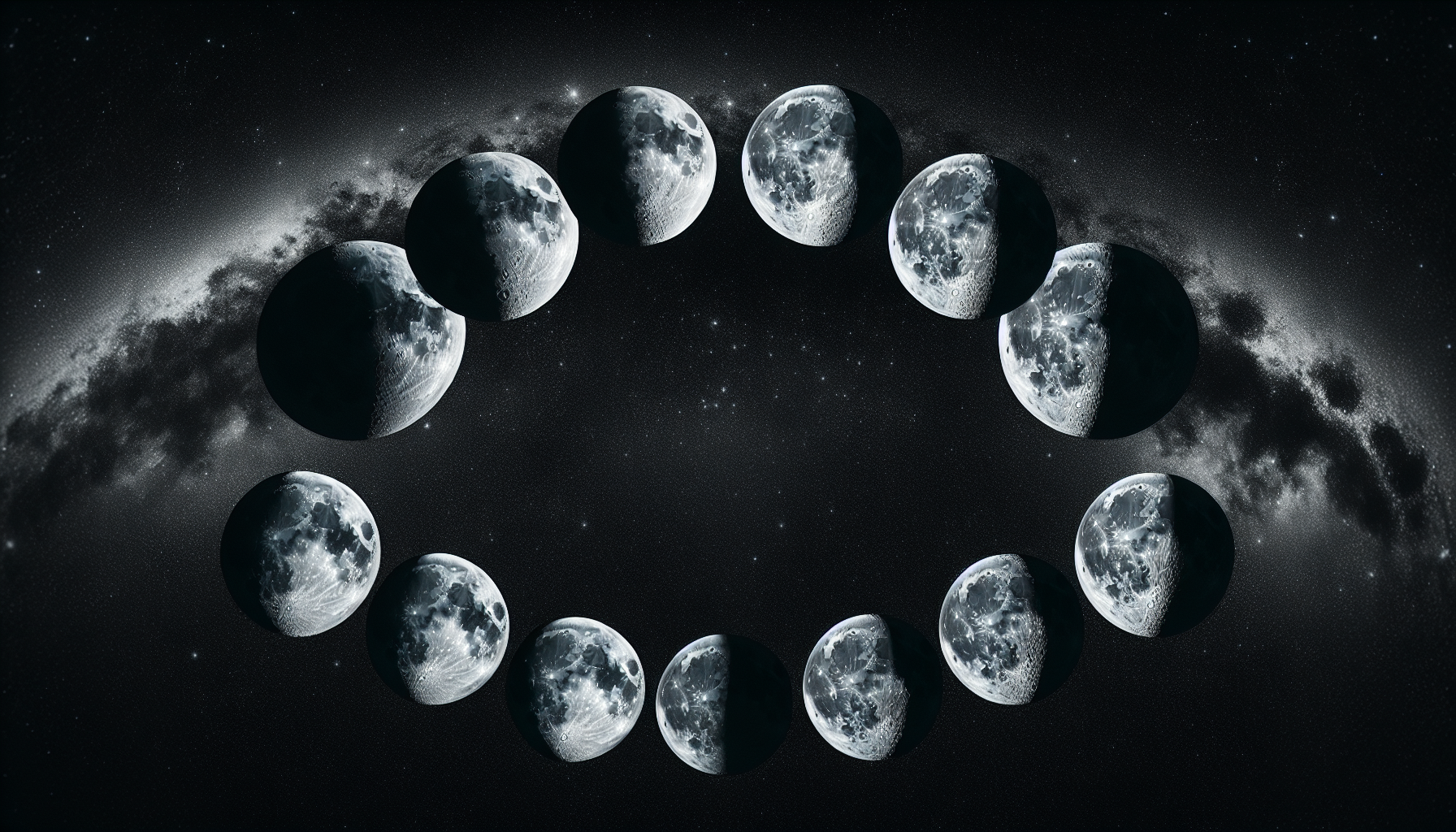
Lunar phases are the different ways the moon appears illuminated from Earth, which occurs due to the interplay of the moon's orbit around Earth and the position of the sun. As the moon orbits Earth, different portions of its surface are lit up by the sun, while the rest remains in darkness. The boundary between these areas is called the terminator.
The Cycle of Phases
The lunar phase cycle is approximately 29.5 days, known as a synodic month. It includes several key phases:
- New Moon: The moon is positioned between the Earth and the sun, with the sunlit part of the moon facing away from Earth, making it invisible to observers on Earth.
- Waxing Crescent: A sliver of the moon's daylight side starts to show after the new moon.
- First Quarter: Half of the moon’s daylight side is visible.
- Waxing Gibbous: More than half of the daylight side is visible as it approaches full moon.
- Full Moon: The entire daylight side of the moon is visible.
- Waning Gibbous: The amount of visible daylight side decreases.
- Third Quarter: Again, only half of the moon’s daylight side is visible, but the opposite half to the first quarter.
- Waning Crescent: A sliver of the daylight side remains visible, diminishing until the new moon.
Orbital Dynamics
The moon's orbit around Earth is elliptical and tilted relative to Earth's orbital plane around the sun, which contributes to the varying phases. The speed of the moon's orbit also varies, affecting how quickly its phases change.
The Science Behind Visibility
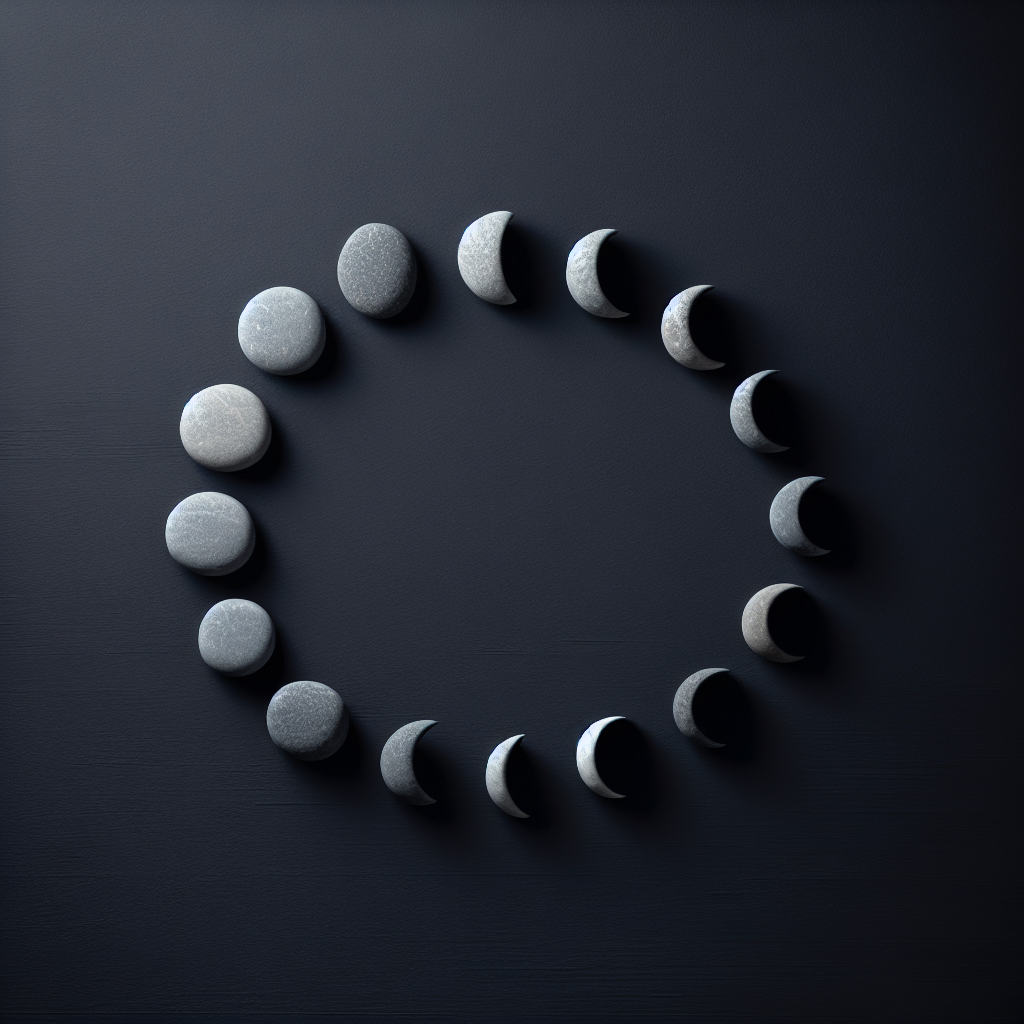
The changing shapes of the moon are a direct result of the angle from which sunlight reaches the moon and how this illuminated portion is viewed from Earth. The phenomenon is purely optical and geometric in nature.
Sunlight Angle and Shadow
The portion of the moon that appears lit is the part that's facing the sun, while the dark portion is in the moon's shadow. This interplay of light and shadow is visible from Earth due to the moon's spherical shape and its position relative to both Earth and the sun.
Reflection and Perception
The moon does not generate its own light but reflects the sunlight it receives. The degree of the moon's visibility from Earth depends on how much of this reflected sunlight is facing Earth.
Historical and Cultural Impact
Throughout history, the moon’s phases have held significant importance for various civilizations, influencing calendars, agriculture, and mythologies.
Calendars and Timekeeping
Many ancient calendars were based on the phases of the moon, including the Hebrew, Islamic, and Hindu calendars. These lunar calendars played crucial roles in setting dates for festivals and agricultural activities.
Mythology and Symbolism
Different cultures have associated various symbols and meanings with the phases of the moon. For example, the full moon is often linked with clarity and revelation, while the new moon symbolizes new beginnings.
Common Misconceptions
There are several widespread but incorrect beliefs about the moon’s changing shapes:
- The Earth's shadow causes phases: Lunar phases are not caused by Earth casting its shadow on the moon—that phenomenon is called a lunar eclipse.
- Phases affect human behavior: Scientifically, there's no conclusive evidence that lunar phases have any direct effect on human behavior, despite popular myths.
- Moon phase affects the weather: While the moon influences tides, there's no scientific evidence directly linking its phases to weather patterns.
Conclusion
The moon’s changing shape is a result of its phases, which are determined by its position relative to Earth and the sun. This celestial dance results in varying portions of sunlight reaching the moon’s surface and being visible from Earth. Understanding these phases not only demystifies how we perceive the moon but also connects us to the natural and cultural rhythms that have guided humanity for millennia. This knowledge underscores the importance of astronomy in understanding not just the universe at large but also our place within it.