Why Do Cats Knead Blankets? - The Ultimate Guide
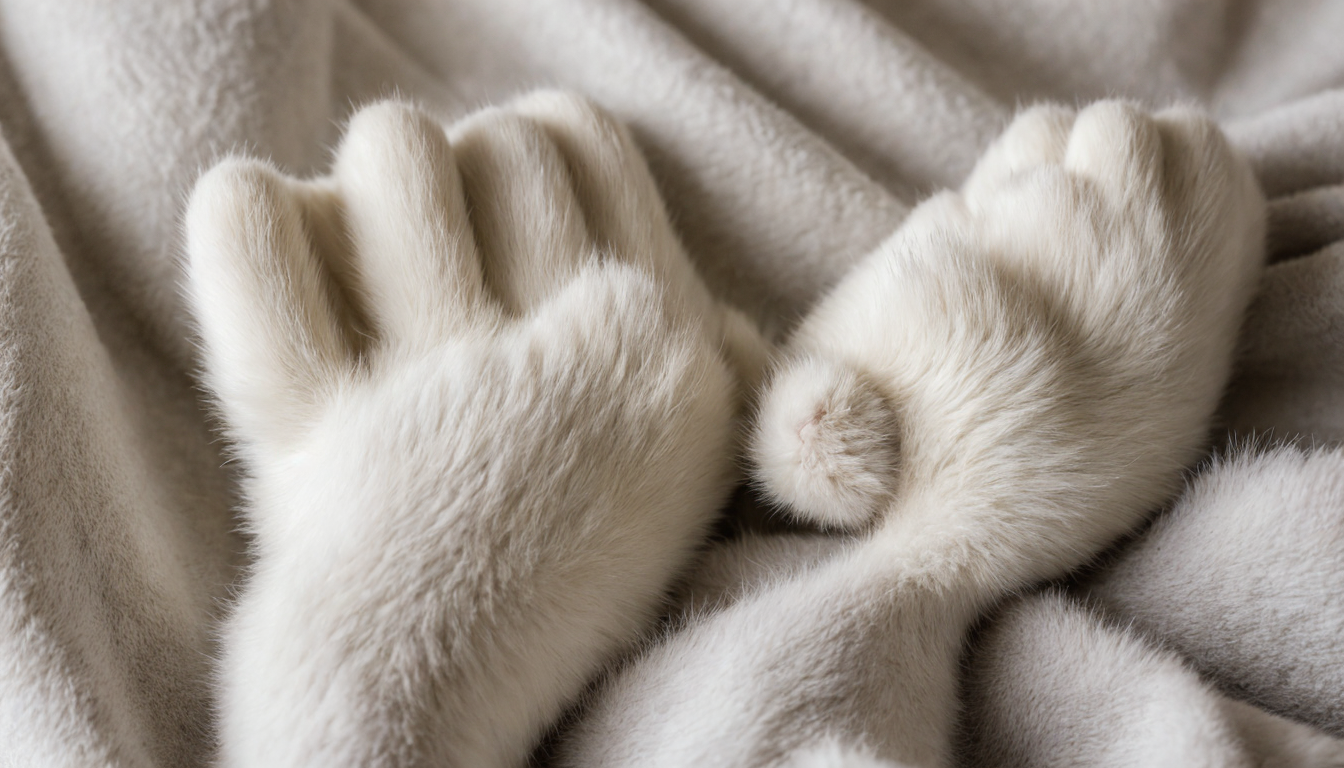
Cats are known for their unique behaviors that can sometimes puzzle pet owners. One such behavior is kneading blankets or other soft surfaces with their paws. This action, often called "making biscuits," is a common sight in cat households and has fascinated both scientists and cat lovers alike. In this guide, we explore the reasons behind why cats knead blankets and how this instinctive behavior relates to their comfort, communication, and history.
TL;DR
- Cats knead blankets as an instinctual behavior from kittenhood.
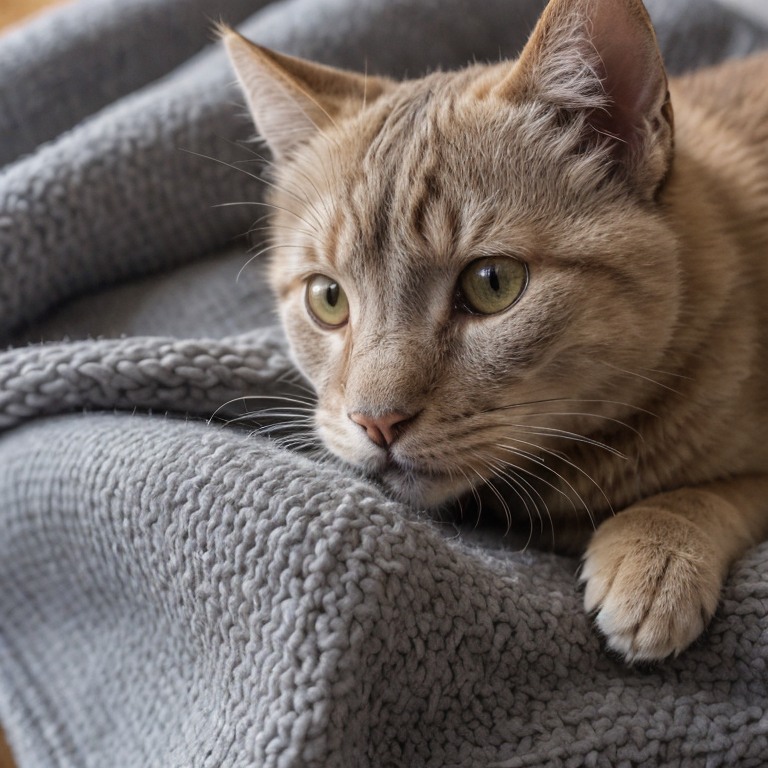
- Kneading releases pheromones that signal contentment and territorial marking.
- The action can provide physical and emotional comfort for cats.
- Understanding the reasons behind kneading helps in providing better care for your cat.
Why Do Cats Knead Blankets?
Kneading is a natural behavior exhibited by domesticated cats, often observed when they are relaxed or feeling content. This repetitive motion of pressing their paws alternately against a soft surface—such as blankets—is not only adorable but also significant in understanding feline behavior and psychology.
Instinctual Origin
Cats begin kneading from kittenhood, where the action aids in stimulating milk production from their mothers during nursing. Kittens use this technique to ensure they get enough milk by compressing the mammary glands. As cats grow up, this instinctive behavior persists as a way of expressing comfort and familiarity.
Comfort and Security
For adult cats, kneading blankets serves as a comforting mechanism similar to how humans might hug a favorite pillow or cuddle with a soft blanket. The act can release endorphins, providing a sense of security and relaxation, especially in environments that feel unfamiliar or stressful.
Pheromone Release
Kneading also involves the secretion of pheromones from scent glands located on the pads of cats' paws. These pheromones are chemical signals that communicate information about the cat’s emotional state to other animals and humans. By kneading, cats mark their territory as a safe space and signal contentment.
Communication
Kneading can be a form of non-verbal communication within feline social structures. When one cat sees another kneading a blanket or soft surface, it may perceive the action as an invitation to approach or engage in friendly interaction.
The Science Behind Kneading
To understand why cats knead blankets, we need to delve into the biological and psychological aspects of this behavior.
Biological Basis
From a biological standpoint, kneading is rooted in the development process of kittens. It helps them receive adequate nutrition by stimulating milk flow from their mother’s teats. As adult cats retain this instinct, they continue to exhibit similar behaviors with soft surfaces as if nurturing themselves.
Psychological Implications
Psychologically, kneading serves multiple functions:
- Stress Relief: The rhythmic motion can be soothing and calming.
- Territorial Marking: Cats release pheromones through their paws when kneading, which marks the area as safe and familiar territory.
- Communication: Kneading communicates comfort, contentment, or a desire for attention.
Hormonal Influence
Hormones play a crucial role in triggering kneading behavior. The release of oxytocin during nursing helps strengthen the bond between mother cats and their kittens. In adult cats, similar hormonal responses can be triggered when they knead blankets, reinforcing positive emotional connections to certain environments or objects.
Historical Context
The practice of domesticating cats began thousands of years ago, primarily in ancient Egypt. Cats were revered for their ability to control vermin that threatened grain stores and crops. Over time, as humans and cats developed closer bonds, the behaviors associated with kneading became more observable and documented.
Ancient Observations
Ancient Egyptians noticed that young kittens would press their paws against their mother's belly during feeding times. This observation was part of a broader understanding of cat behavior in early civilizations where cats were both worshipped and integral to daily life.
Evolutionary Perspective
From an evolutionary standpoint, kneading has been passed down through generations as a survival mechanism for kitten development. As domestication continued, this instinctive action remained but found new expressions in the context of human-cat relationships.
Cultural Interpretations
Across different cultures, the sight of cats kneading blankets or laps is often associated with positive meanings and emotions. Understanding these cultural interpretations can provide additional insight into why cats engage in this behavior.
In Various Cultures
In many cultures, seeing a cat engaged in kneading is seen as an omen of good fortune or happiness. For instance, in some parts of Asia, it is believed that if a cat kneads on your lap or bed, it signifies the arrival of pleasant surprises and positive events.
Literature and Media
Literature and media have often romanticized cats’ kneading behaviors, depicting them as endearing gestures of affection. This portrayal reinforces the idea of cats as companions who seek comfort from their human counterparts.
Misconceptions About Kneading
While kneading is a natural behavior, there are several misconceptions surrounding why cats engage in this activity that need to be addressed for a more accurate understanding.
Common Myths
- Pain or Discomfort: Some people believe that if a cat is kneading, it must be experiencing pain. However, this is not the case; rather, it indicates comfort and contentment.
- Only Kittens Knead: While kittens knead for milk stimulation, adult cats continue to do so as an expression of happiness or relaxation.
Clarifying Misunderstandings
It's important to recognize that while kneading can be a sign of territorial marking, it does not necessarily mean aggression. Instead, it is more about claiming space and expressing comfort within the environment.
Conclusion
Understanding why cats knead blankets provides valuable insights into their instinctual behaviors, emotional states, and communication methods. From an evolutionary standpoint, this action stems from kittenhood to ensure adequate nutrition but continues in adulthood as a means of seeking comfort and marking territory. By recognizing the significance behind this behavior, pet owners can better understand their feline companions and provide environments that cater to their needs for security and contentment.
Kneading is just one aspect of the rich tapestry of cat behaviors; it reflects both biological imperatives and emotional responses shaped by millennia of coexistence with humans.