Why Water Is Essential for Life - Facts Explained
TL;DR:
- Water is crucial for survival as it supports essential biological functions.
- The human body relies on water for temperature regulation through sweating and respiration.
- Plants require water to perform photosynthesis, grow, and reproduce.
- Aquatic ecosystems depend on water quality and quantity for biodiversity conservation.
- Freshwater scarcity due to climate change poses significant risks to life on Earth.
Water is a fundamental component of all known forms of life. Its importance spans across biological functions, environmental sustainability, and human health. This article explores why water is essential for sustaining life on Earth, highlighting its role in various aspects of biology, ecology, agriculture, and global sustainability.
Biological Functions
Water as a Solvent
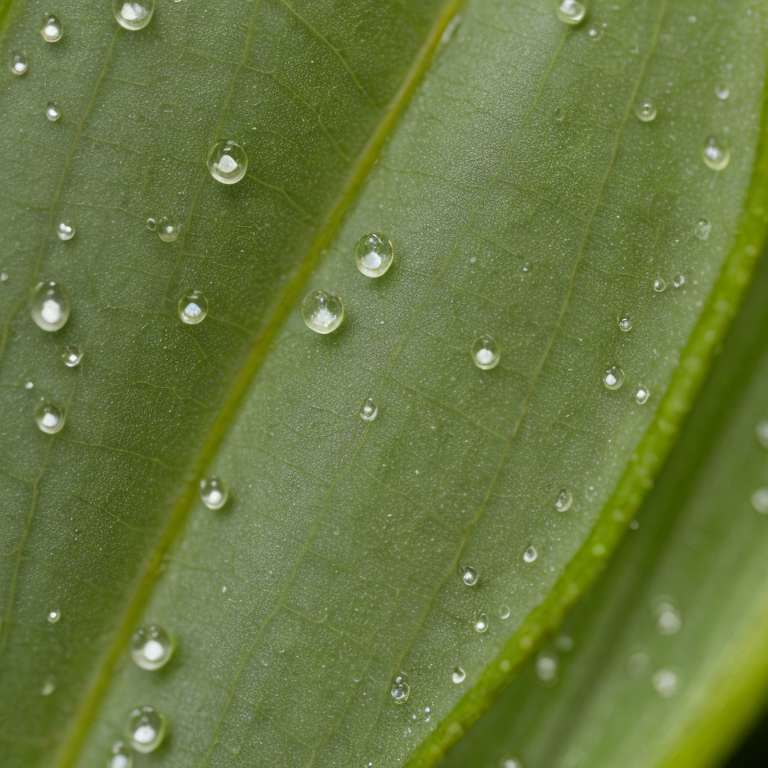
Water is an excellent solvent due to its polar nature. It can dissolve many substances that are necessary for biological processes, such as salts, sugars, proteins, and gases. This property allows water to transport nutrients and waste products throughout living organisms efficiently.
Temperature Regulation
The human body uses water for thermoregulation through sweating and respiration. Sweating involves the evaporation of water from the skin surface, which absorbs heat energy and cools the body down. Similarly, respiration helps regulate internal temperature by releasing warm air and retaining cooler air during inhalation.
Metabolic Processes
Water is involved in numerous metabolic processes within cells. Enzymes require a hydrated environment to function properly, catalyzing chemical reactions essential for life such as cellular respiration, DNA replication, and protein synthesis. Without adequate hydration, these critical biochemical pathways would be severely impaired or halted altogether.
Historical Significance

Early Earth
The presence of liquid water on early Earth is crucial for the origin of life theories. Scientists believe that water provided a medium in which organic molecules could form and interact to create more complex structures necessary for primitive life forms.
Ancient Civilizations
Ancient civilizations thrived near major rivers like the Nile, Tigris-Euphrates, Indus, and Yellow River systems. These water sources supported agriculture, transportation networks, and population growth, leading to the development of early societies.
Etymology and Cultural Context

Origin of "Water"
The word "water" comes from Old English wæter, which is related to other Germanic languages such as Dutch (water) and German (Wasser). It traces back further to Proto-Indo-European roots, indicating its universal importance across cultures.
Symbolism Across Cultures
In many cultural traditions, water holds significant symbolic meanings. For example, in Hindu mythology, the Ganges River is considered sacred and believed to cleanse sins. Similarly, baptism rituals use water as a symbol of purification and spiritual renewal in Christianity.
Misconceptions
Myth: Drinking Eight Glasses Daily Is Required
The recommendation to drink eight glasses (about 2 liters) of water per day does not have strong scientific backing. Individual needs vary based on factors like activity level, climate conditions, age, sex, and overall health status.
Myth: Bottled Water Is Always Safer Than Tap Water
While bottled water may seem more convenient or appealing, it is often no safer than properly treated municipal tap water. In many cases, public utilities are required to meet stricter safety standards than bottled water companies.
Environmental Sustainability
Aquatic Ecosystems
Healthy aquatic ecosystems depend on clean and abundant sources of water. Pollution from industrial waste, agricultural runoff, and sewage can severely impact fish populations, coral reefs, and other marine life forms.
Agriculture
Agriculture heavily relies on irrigation systems to provide crops with the necessary moisture for growth. However, unsustainable farming practices can lead to soil degradation, salinization, and depletion of groundwater reserves if not managed properly.
Conclusion
Water remains indispensable for supporting all known forms of life on Earth. Its role in biological functions, historical development, cultural significance, and environmental sustainability underscores its irreplaceable value. As global challenges such as climate change continue to threaten freshwater resources, it becomes increasingly important to conserve and manage water wisely for future generations.