Exploring the Salinity of Oceans: Causes and Effects
The salinity of the world's oceans is a fundamental aspect of Earth's environmental dynamics, influencing climate, marine biodiversity, and even the chemistry of our planet. Understanding why oceans are salty not only sheds light on numerous scientific processes but also highlights the interconnectedness of Earth’s systems.
TL;DR: Key Points
- Source of Salinity: Ocean salinity is primarily due to the dissolution of mineral salts that are carried into the oceans by rivers and groundwater.
- Role of Hydrological Cycle: The water cycle plays a crucial role in transporting salts from land to sea.
- Impact on Marine Life: Salinity levels are critical to marine life, influencing habitats and species distribution.
- Historical Insights: Historical explorations have gradually unveiled the reasons behind ocean salinity.
- Climate Interactions: Salinity affects ocean density and circulation patterns, which in turn influence global climate.
- Measurement Techniques: Advances in technology have improved the accuracy of salinity measurements, enhancing our understanding of its variations and impacts.
The Science Behind Ocean Salinity
How Oceans Become Salty
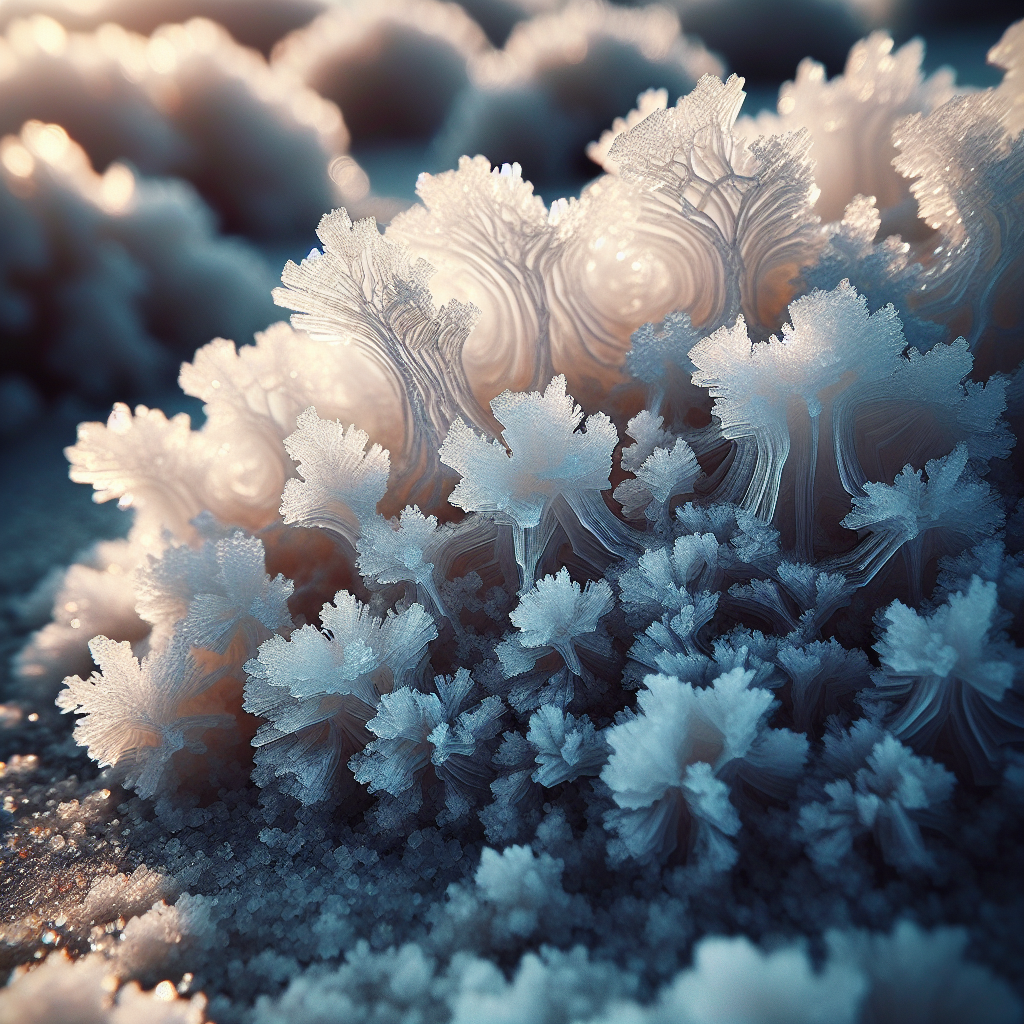
The primary reason oceans are salty is due to the presence of dissolved mineral salts, which originate from the Earth's crust. Rainwater, slightly acidic due to dissolved carbon dioxide, weathers rocks on land, causing minerals to dissolve. These minerals are carried to the oceans by rivers, streams, and runoff. Over millions of years, these processes have contributed to the accumulation of salts in the oceans.
Key Minerals and Salts
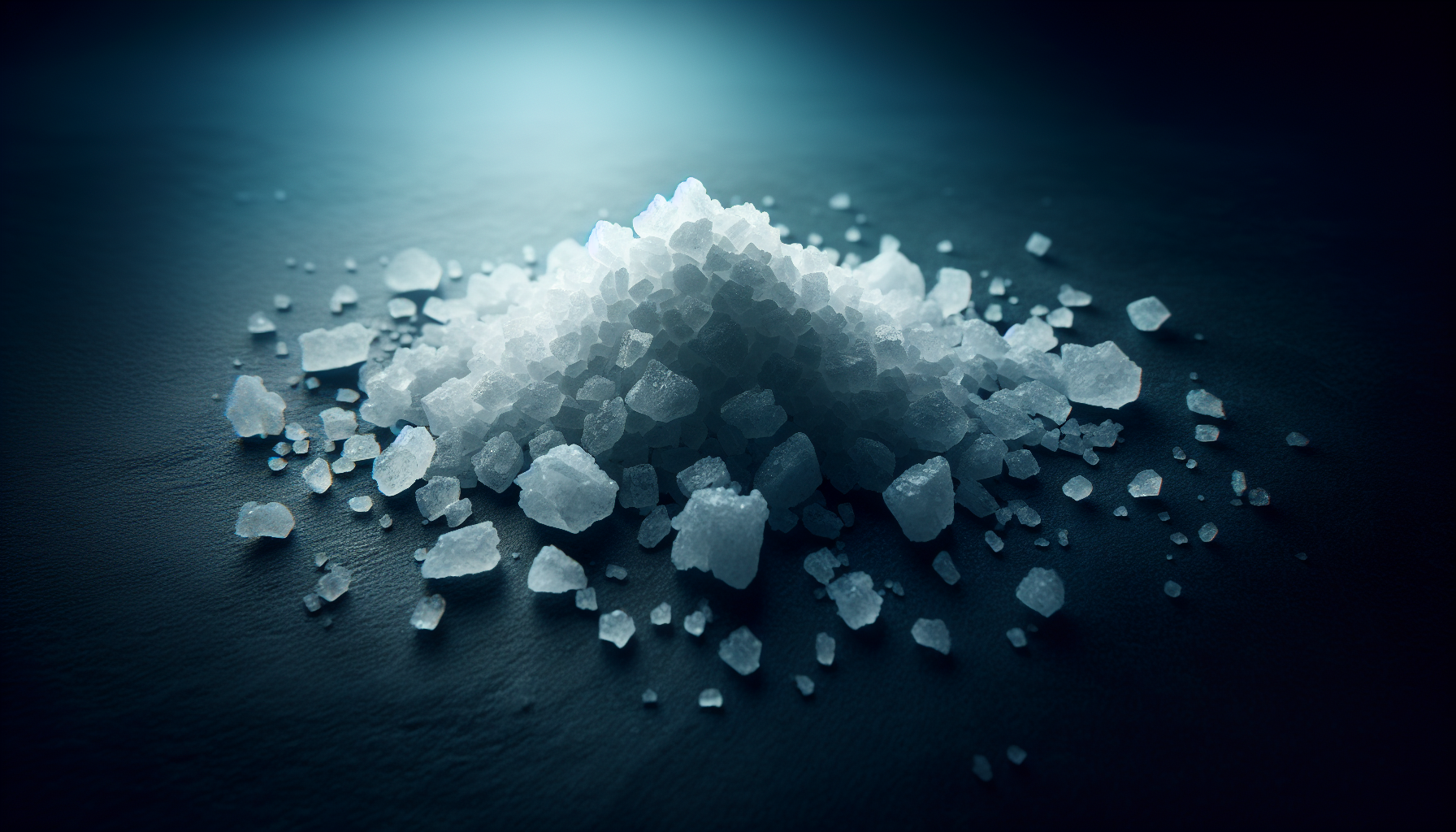
The most common salt in seawater is sodium chloride (NaCl), but other salts such as magnesium chloride, magnesium sulfate, calcium sulfate, and potassium chloride are also significant. These salts originate from various rocks and minerals like halite, gypsum, and anhydrite, which dissolve into ions that are stable in seawater.
Salinity and the Water Cycle
The water cycle, involving evaporation, condensation, and precipitation, continuously moves water—and thus salts—around the planet. Evaporation of seawater leaves salts behind, increasing ocean salinity, while precipitation can dilute surface salinity. This dynamic process helps maintain a balance in ocean salinity, though it varies in different parts of the ocean.
Historical Understanding of Ocean Salinity
Early Theories and Explorations
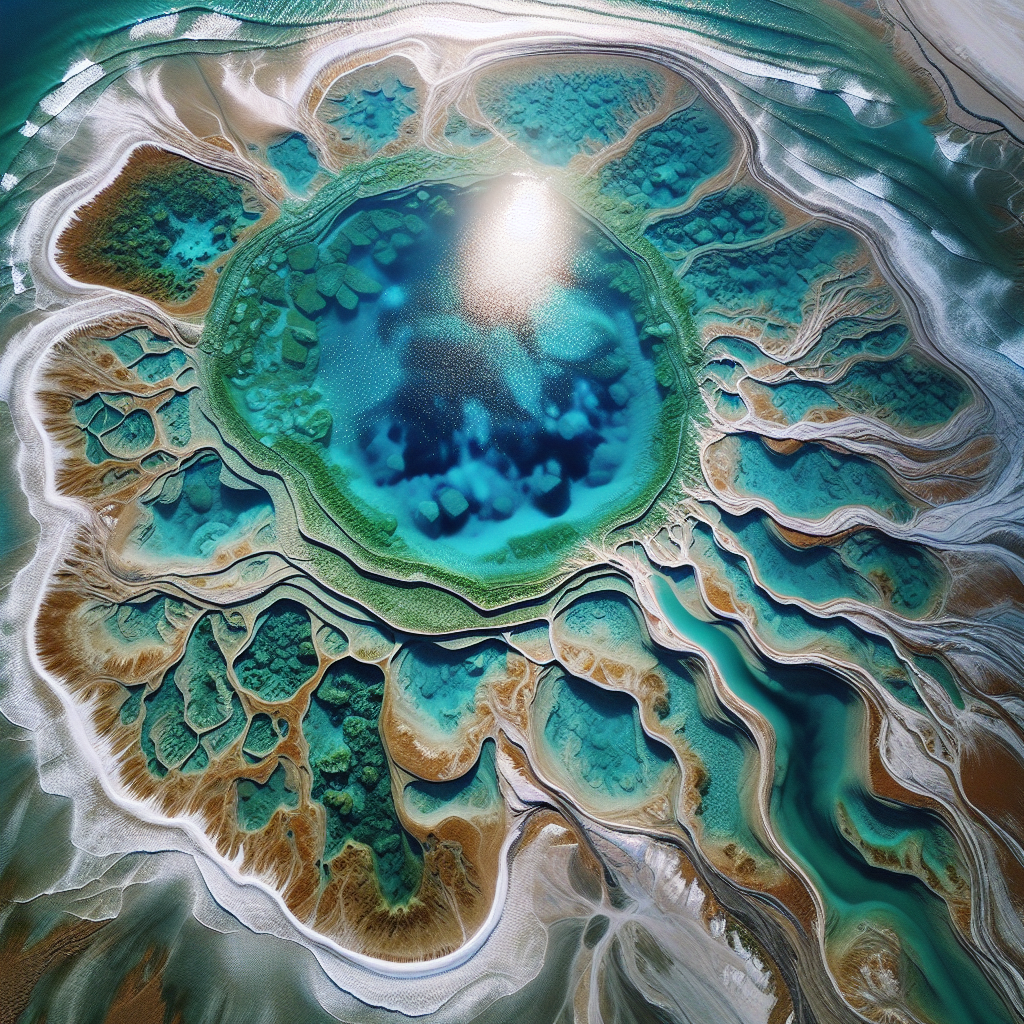
Historically, the question of why the sea is salty puzzled many ancient civilizations, with various myths and natural philosophy positing different explanations. It wasn't until the advent of modern geological and oceanographic sciences in the 19th and 20th centuries that a more accurate understanding began to emerge. Explorers and scientists like Matthew Maury and Fridtjof Nansen contributed significantly to our understanding through their systematic studies of ocean currents and sea water.
Advances in Oceanography
The development of tools such as the CTD (Conductivity, Temperature, Depth), which measures the electrical conductivity of seawater to estimate salinity, revolutionized oceanography. These tools allowed for more precise and extensive mapping of ocean salinity and its role in global ocean circulation patterns.
Etymology and Cultural Significance
Origin of "Salinity"
The term "salinity" comes from the Latin word "sal," meaning salt. This linguistic root is shared across many languages, reflecting the ubiquitous importance of salt in human history, not just scientifically but also economically and culturally.
Cultural Reflections
Throughout history, salt has held immense value, used as currency in some cultures and sparking economic activities like the infamous Salt Trade. Cultural practices around the world have been influenced by the extraction and use of salt, including those linked to the sea.
Common Misconceptions about Ocean Salinity
Misconception: "Rivers are the Primary Source of Ocean Salt"
While rivers do carry dissolved salts to the oceans, the primary sources of these salts are the minerals from rocks weathered by natural acids. Rivers are merely transport mechanisms.
Misconception: "All Parts of the Ocean Have the Same Salinity"
Ocean salinity varies widely due to factors like river inflow, evaporation rates, and ice formation. For instance, salinity is generally higher in subtropical regions where evaporation rates exceed precipitation.
The Future of Ocean Salinity Research
Impact of Climate Change
As the climate changes, so too does the hydrological cycle, potentially altering salinity patterns in the oceans. This could affect thermohaline circulation, which is driven by density differences caused by temperature and salinity variations in seawater, impacting global climate patterns.
Technological Advances
Continued advancements in satellite technology and autonomous sensors are likely to enhance our ability to monitor and understand the complex variations in ocean salinity. This will provide critical insights into not just the oceans themselves, but also their broader environmental and climatic roles.
Conclusion
The salinity of the oceans is a complex characteristic resulting from the interplay of geological, hydrological, and biological processes. It is crucial for the health of marine ecosystems and plays a significant role in global climate dynamics. Understanding and monitoring ocean salinity is more important than ever, as changes in our global environment continue to pose challenges to our oceans and their functions. Through continued research and technological advancements, we deepen our understanding of these processes, which is essential for protecting and preserving our planet's marine environments.