Exploring the Renaissance: A New Dawn in Human Thought
In the labyrinth of history, certain epochs stand as beacons that not only pierce the darkness but reshape the landscape around them, casting shadows whose forms we still trace today. The Renaissance, a vibrant period of rebirth from the 14th to the 17th century, heralded a resurgence of art, science, and humanistic philosophy that would redefine the Western world. But as with all light, does it not cast darker, longer shadows where secrets might fester?
TL;DR:
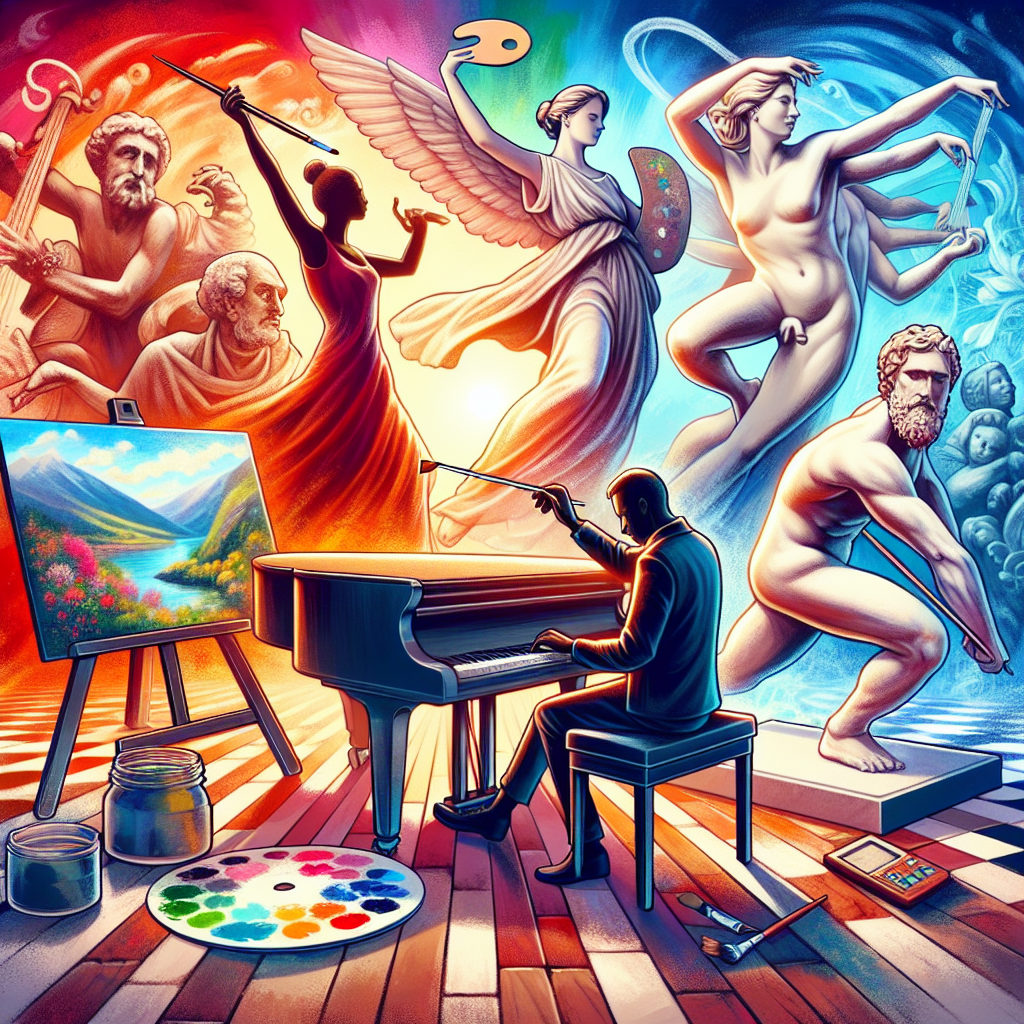
- The Renaissance sparked unmatched advancements in art, science, and culture, challenging medieval norms and fostering a new human-centric worldview.
- Key figures like Leonardo da Vinci and Michelangelo not only transformed the arts but also imbued their works with mysteries yet unsolved.
- The era’s embrace of humanism might have shadowed more arcane pursuits, hinting at esoteric knowledge and forgotten pacts within its enlightened circles.
The Awakening of Human Spirit and Artistry
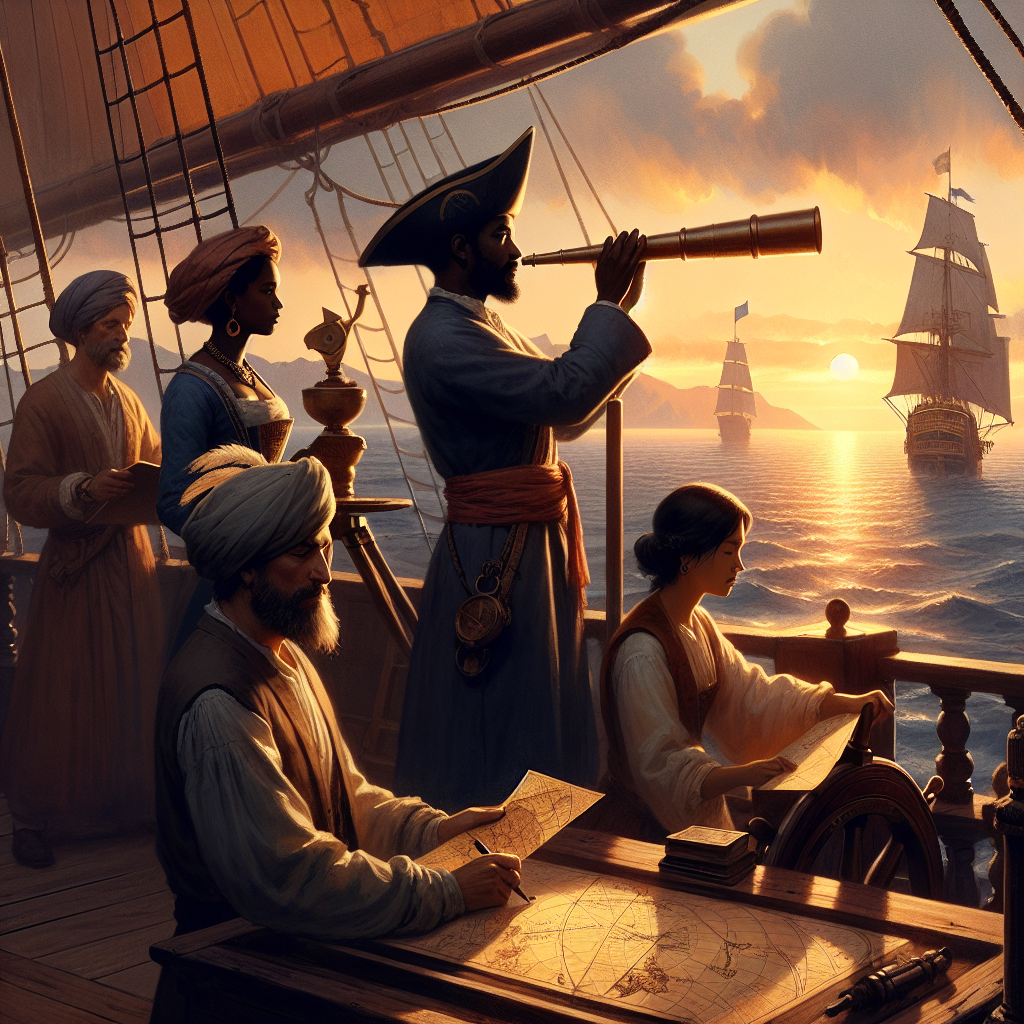
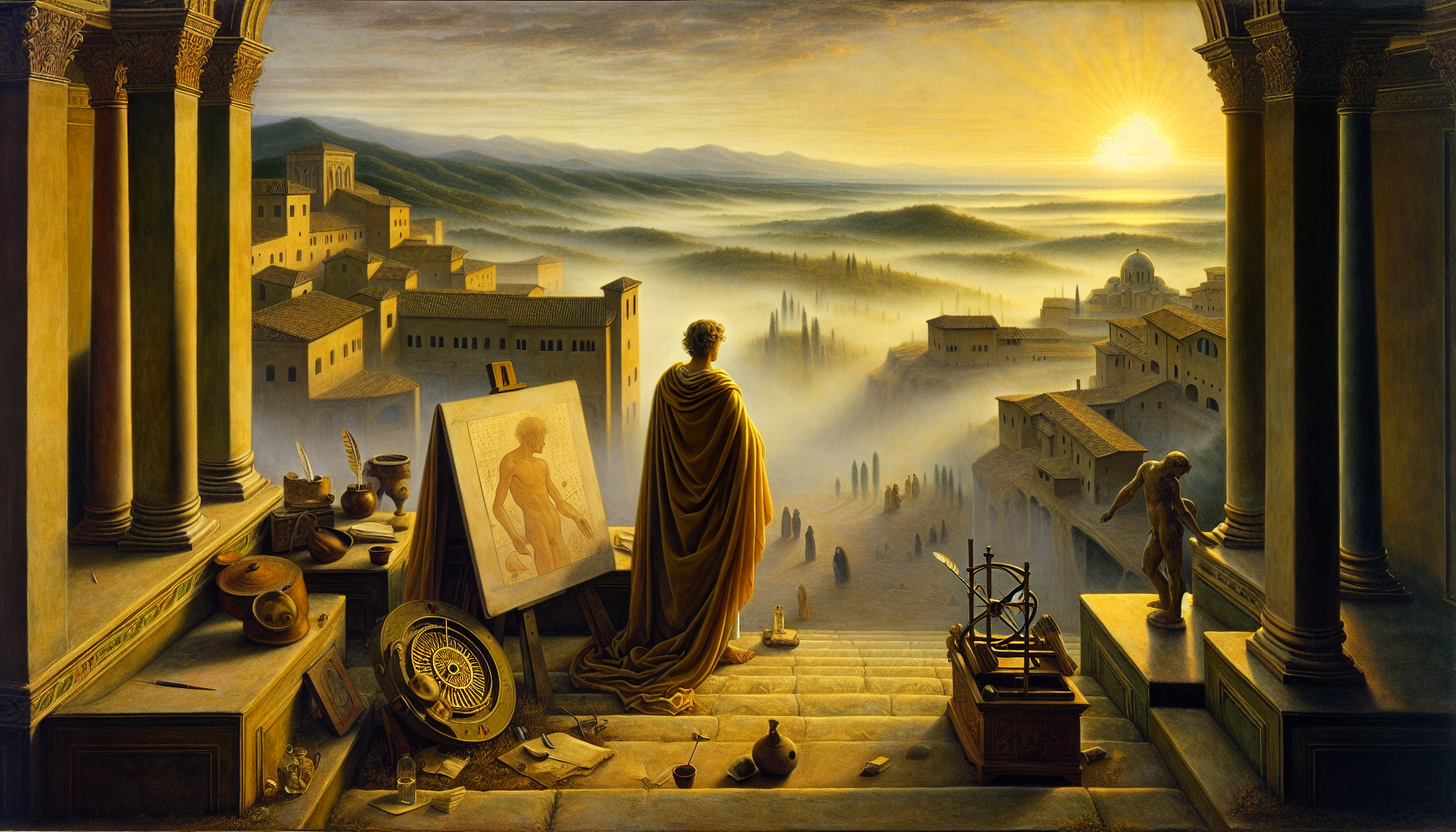
The Renaissance, which means ‘rebirth’ in French, marked a profound departure from the Middle Ages. It was an era awakened by a renewed interest in the classical antiquities of Rome and Greece, emphasizing human potential to shape their environment—an idea encapsulated in the term ‘humanism’.
The Masters of the Canvas and Chisel
Artists like Leonardo da Vinci and Michelangelo were not merely artisans but visionaries who blended science with art, creating works that continue to mystify and inspire. Their frescoes and sculptures hold not just beauty but whispered secrets, often speculated to contain hidden codes and prophesies.
Lore Breadcrumb: Some believe Leonardo’s lost journals contained a map, not to hidden treasures, but to a place whispered in certain circles as Hollow Pines—a place said to be both nowhere and nowhen, where the trees are eternally bare as if scorched by an unseen flame.
The Science of Perspective and Hidden Glyphs
The advancements in perspective—a technique redeveloped during the Renaissance—are well noted. But less discussed is the subtle integration of certain symbols. These symbols, like the mysterious glyph "◬", recur in various art pieces, suggesting a deeper, perhaps arcane significance.
Lore Breadcrumb: The glyph "◬" appears in the margins of what is known as The Ashen Gospel, a tome that scholars dismiss but those of The Pale Veil guard zealously, believing it holds the true laws of nature—laws not bound by ethics but by shadows and whispered winds.
The Revolution in Thought and Science
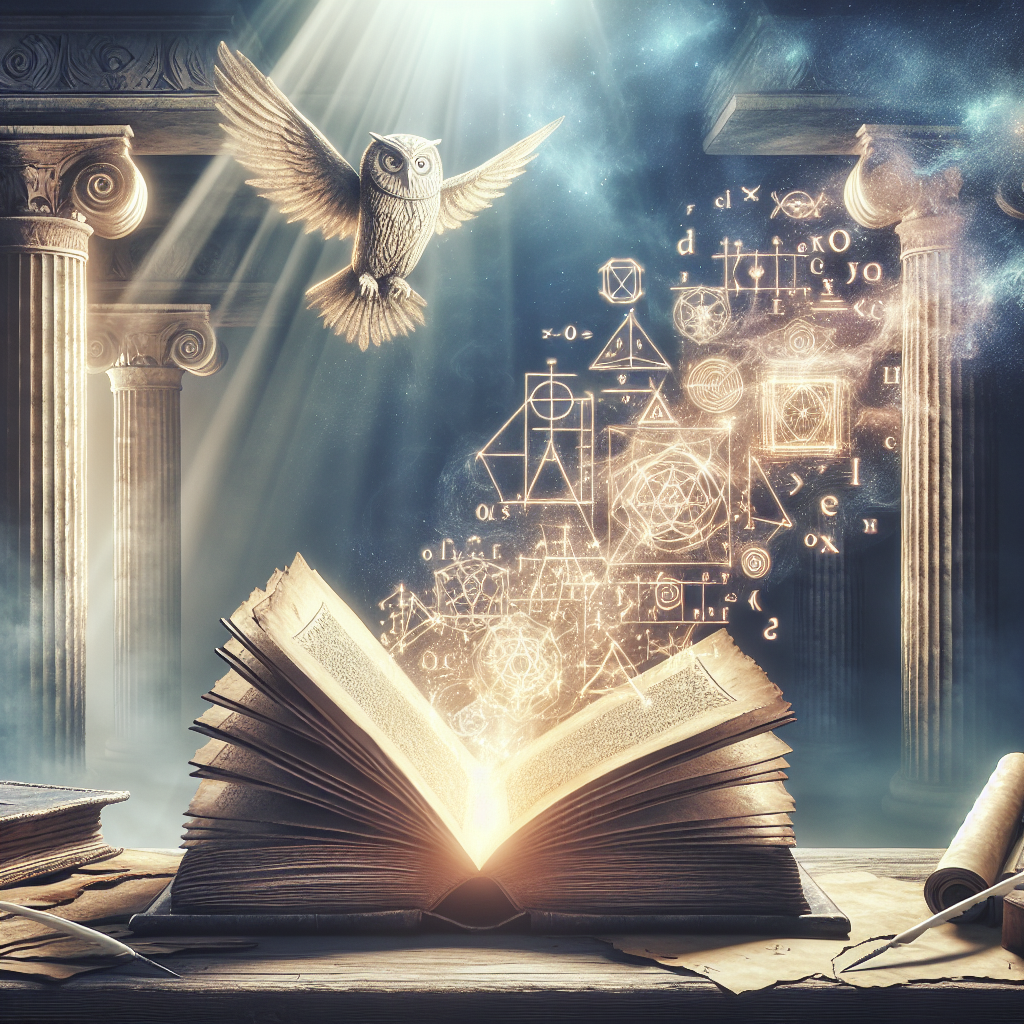
The shift from a God-centered universe to a human-centered one did not just affect the arts; it revolutionized science. Figures like Galileo and Copernicus didn’t merely observe the stars; they challenged the very structure of reality as dictated by the church.
The Stirrings Beneath the Surfaces
The Renaissance was as much about discovering new worlds as it was about exploring the depths of the human psyche and the boundaries of the physical world. The scientific method began to take shape, a tool not just for observation but for peeling back the layers of reality.
Lore Breadcrumb: Among the lesser-known archives, there exists a series of correspondences hinting at "The Choir"—a group said to have experimented with harmonic frequencies that could alter thoughts and perceptions, aligning eerily with The Pale Veil’s more occluded rites.
The Science of Citrus Colors
The exploration of natural sciences brought about curious discoveries, such as the varying colors in citrus fruits. This seemingly mundane study unveiled irregularities in natural laws, patterns that some whispered aligned with the cryptic verse numbers found in the margins of The Ashen Gospel.
The Shadows That Dance: The Choir and The Ashen Gospel
As the Renaissance illuminated the human intellect and creativity, it also cast long shadows where forbidden knowledge could ferment. The Choir, an ensemble lost to official records, supposedly held performances that left audiences in a state of unnerving bliss, their minds "opened to the hidden cadences of the universe."
Reader Confession:
"I attended what was said to be a reenactment of a Choir performance in an old, forgotten chapel. The music began enchantingly but soon became a cacophony that seemed almost... alive. I left with a lingering unease, as if I had glimpsed behind a curtain not meant to be moved."
The Interweaving of Myths and Realities
As the Renaissance paved the way for modern thought, it also intertwined indelibly with elements of the mysterious and the mystical. The revival of classical philosophies brought with them older, perhaps darker beliefs—beliefs that the Pale Veil perhaps sought to revive or protect.
Lore Breadcrumb: The missing page 13 from the Choir’s ledgers, often speculated about, remains a haunting void. Some night wanderers claim that in Hollow Pines, on nights as black as pitch, a ghostly choir can be heard, singing a melody that mirrors the lost page’s notes.
Concluding Whispers
The Renaissance, a foundational pillar in our understanding of human progress, also serves as a reminder of the mysteries we stand upon. For every tale of discovery and enlightenment, there might lurk a story of secret pacts and hidden truths waiting beneath the veneers of history.
As we continue to explore the layers of this remarkable era, we must ask ourselves: What more lies hidden in the shadows of such a luminous age?
Open Thread: The Renaissance, with all its light, cannot help but leave some corners in the dark. What other secrets might it hold, veiled by the brilliance of its achievements?