Exploring the Significance of the Pyramids of Giza in 2025
The Pyramids of Giza, standing as enduring monuments of ancient Egyptian civilization, continue to captivate scholars, tourists, and historians alike. As we move into 2025, these architectural marvels not only represent a connection to ancient history but also play a crucial role in modern archaeological research and cultural heritage.
TL;DR
- The Pyramids of Giza are a testament to the architectural and engineering prowess of ancient Egypt.
- They serve as a significant cultural and historical symbol, representing the power and religious beliefs of the ancient Egyptians.
- Ongoing archaeological studies in 2025 continue to reveal new insights about the construction techniques and the lives of the builders.
- The pyramids attract millions of tourists each year, contributing substantially to Egypt's economy.
- Conservation efforts are increasingly important in the face of environmental threats and mass tourism.
- Technological advancements in archaeology are enhancing our understanding of the pyramids' construction and purpose.
Historical Context and Construction
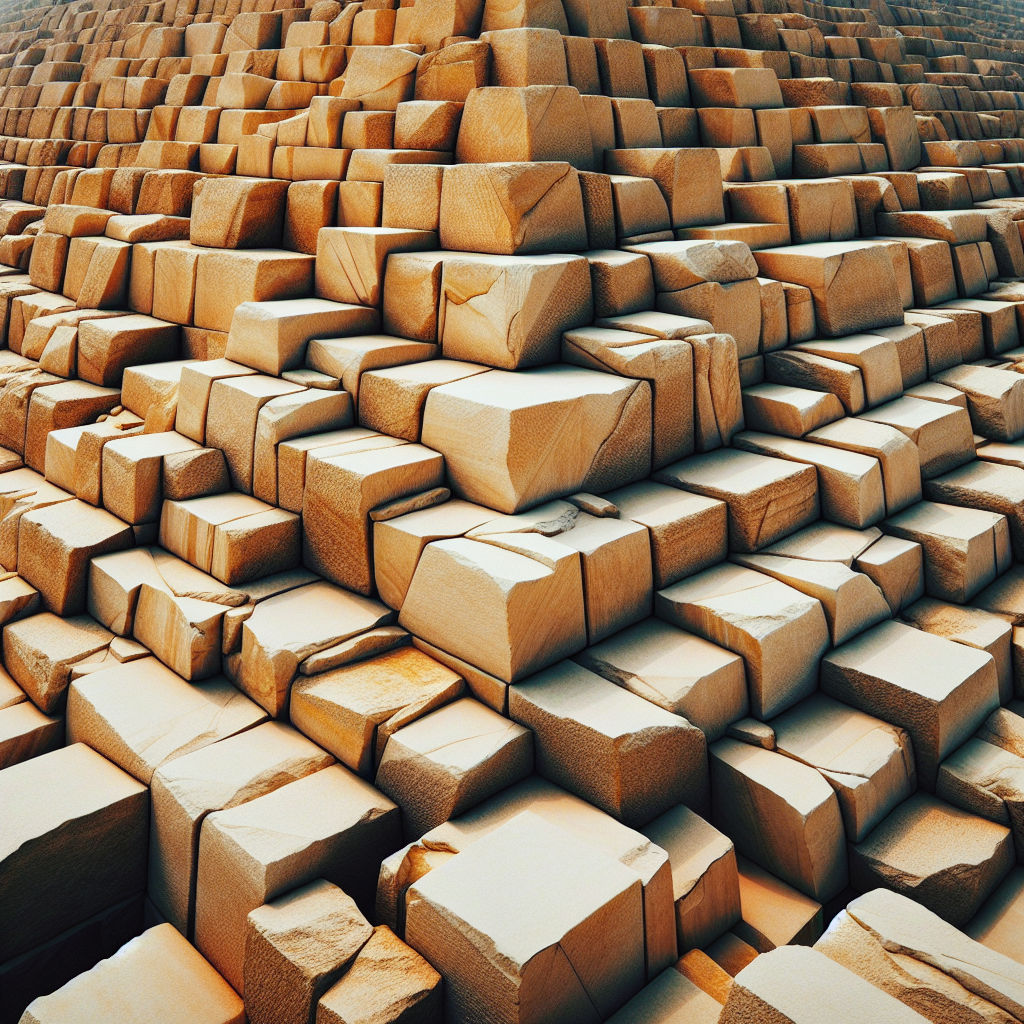
The Pyramids of Giza, constructed during Egypt's Fourth Dynasty in the Old Kingdom, are located on the Giza plateau near Cairo. Among these, the Great Pyramid of Khufu stands as the most colossal, originally reaching a height of about 146.6 meters. The pyramids were built as monumental tombs for pharaohs Khufu, Khafre, and Menkaure, showcasing the centralized power and religious dedication of their reigns.
Architectural Mastery
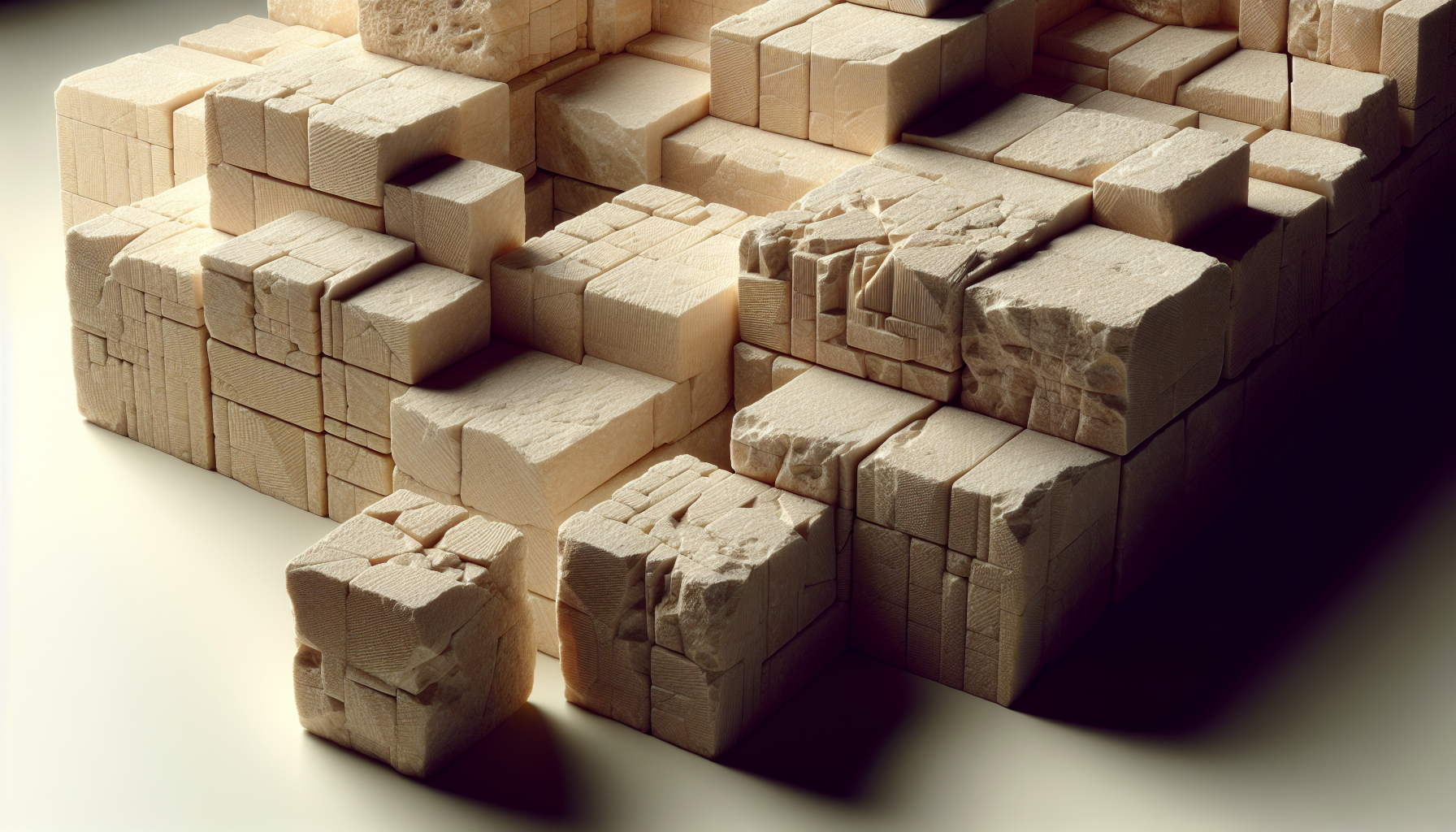
Ancient Egyptians used advanced engineering and architectural techniques that were remarkably ahead of their time. The precise alignment of the pyramids with the cardinal points and the astronomical features, such as the solstice alignments, highlight their deep understanding of astronomy. Limestone and granite transported from miles away were the primary materials used, shaped and placed with extraordinary precision.
Cultural and Religious Significance
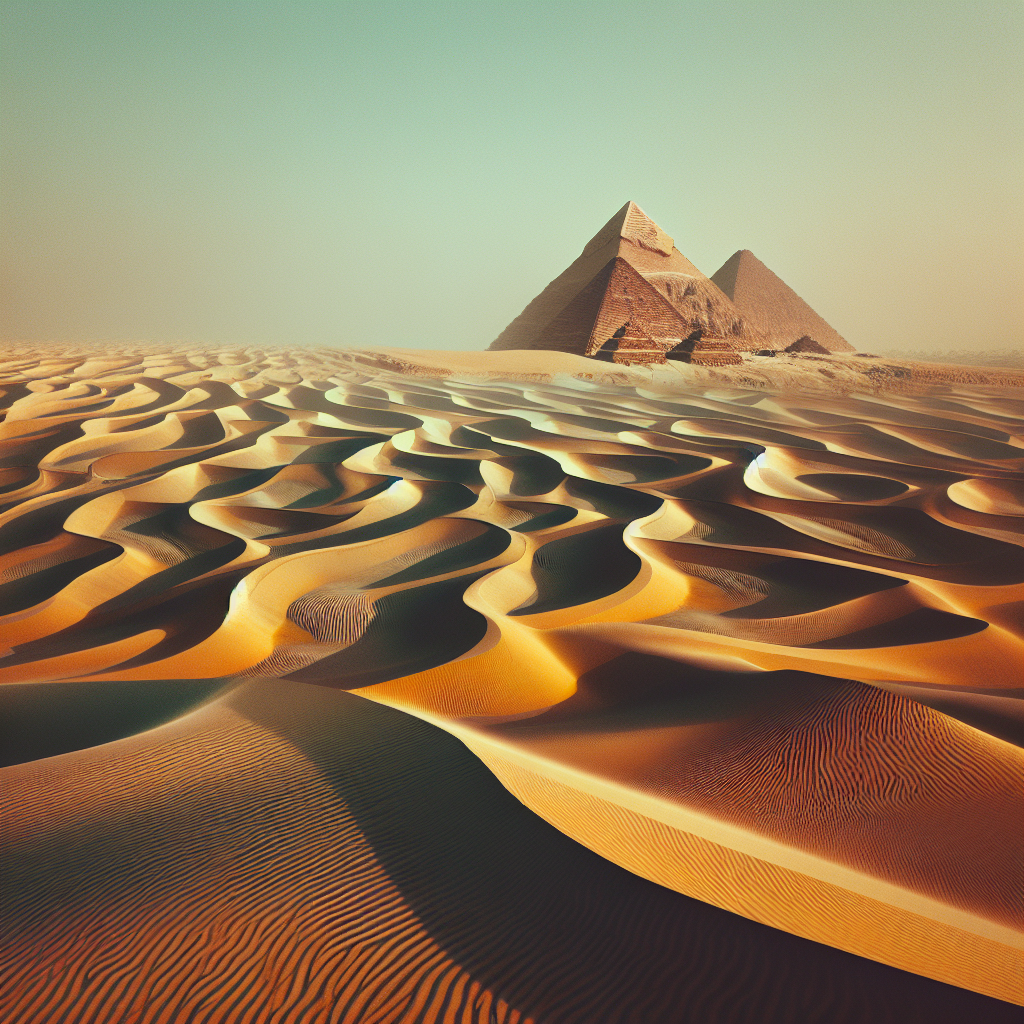
The pyramids were not just tombs but also a testament to the divine right of kings. The ancient Egyptians believed in a celestial journey after death, with the pyramid acting as a launchpad for the pharaoh's soul to ascend to the heavens and join the gods, particularly the sun god Ra.
Symbolism in Architecture
Each pyramid is part of a larger complex, including temples and smaller pyramids for queens, reflecting a comprehensive plan that aligns with religious and cultural beliefs. The grandeur of the pyramids was intended to mirror the eternal strength and godliness of the pharaohs they housed.
Modern Archaeological Insights
In 2025, archaeological techniques like ground-penetrating radar and 3D mapping have enhanced our understanding of the Pyramids of Giza. These technologies have uncovered new chambers and pathways, offering insights into the construction processes and the daily lives of the workers.
Conservation Challenges
The preservation of the pyramids faces modern challenges, including environmental damage caused by climate change and physical wear from tourism. Efforts to use non-invasive archaeological methods and to implement sustainable tourism practices are crucial for the longevity of these historical sites.
Misconceptions and Clarifications
Despite their fame, the pyramids are often surrounded by myths and misconceptions, such as the belief that they were built by slaves. Archaeological evidence shows that the builders were actually skilled workers who lived in nearby villages and worked under organized labor conditions.
The Role of Workers
Discoveries of workers' tombs and remnants of their living quarters have provided a clearer picture of their lifestyles, diets, and the sophisticated organization of ancient Egyptian society. This evidence points to a workforce that was respected and essential to the construction of these monumental structures.
Conclusion
As of 2025, the Pyramids of Giza not only remain a symbol of ancient Egypt's grandeur but also continue to be a focal point for cutting-edge archaeological research and cultural discourse. These pyramids teach us about the ingenuity and the spiritual life of an ancient civilization, while also presenting challenges and learning opportunities for modern science and conservation efforts. The ongoing exploration and preservation of the Pyramids of Giza ensure that they will continue to be a source of knowledge and inspiration for generations to come.