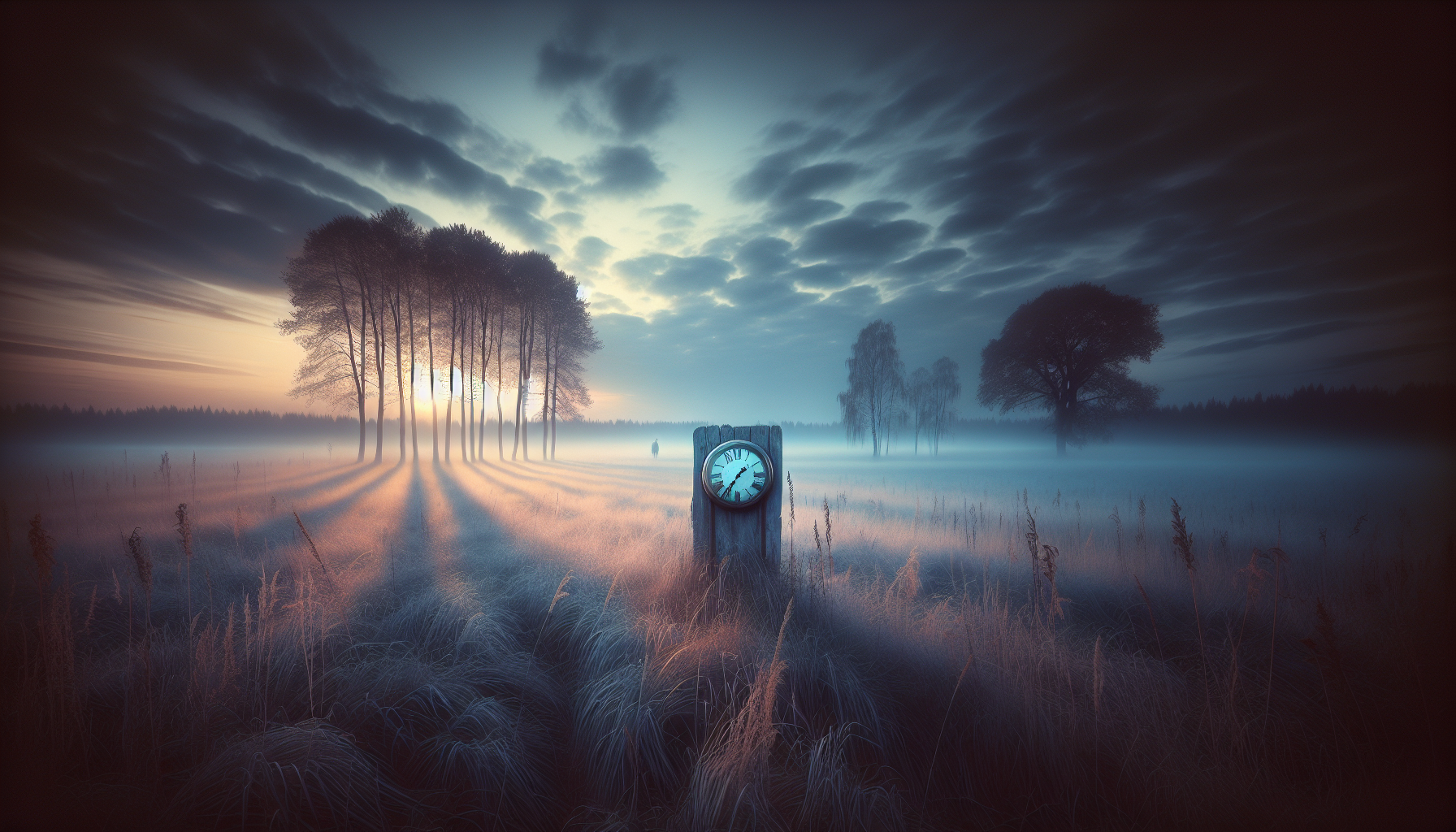
Exploring the Purpose of Daylight Saving Time
In the chime of every clock, a secret: twice a year, we adjust our timepieces, springing forward or falling back, in a global ritual that stretches the boundaries of day and night. But beneath this innocuous practice lies a deeper enigma, one woven with threads of history, science, and shadowy whispers from Hollow Pines. Why do we really change our clocks for daylight saving time (DST)?
TL;DR: Unraveling Time's Mysteries
- Historical Origins: DST was first implemented during World War I to conserve energy.
- Claimed Benefits: Proponents argue it promotes better use of daylight, conserves energy, and boosts the economy.
- Controversy and Debate: Not universally beloved, DST has critics who cite health risks and question its energy-saving effectiveness.
- Lore Intrusion: Eerie happenings in Hollow Pines coincide curiously with time changes.
- Scientific Scrutiny: Studies show mixed results on whether DST genuinely saves energy or improves productivity.
- Unseen Forces?: Some locals whisper of a darker purpose, tied to the cryptic symbols of ◬ and the haunting verses of The Ashen Gospel.
A Brief History of Shifting Shadows
The concept of daylight saving time was first proposed in 1895 by George Hudson, a New Zealand entomologist, who relished the idea of extra daylight hours for his insect hunting. However, it wasn't widely adopted until Germany implemented it during World War I to conserve coal. The idea spread to other countries, including the United States, which officially adopted DST in 1918.
The Ashen Gospel's Lost Hour
"In the lost hour, we wander through the shadows of time, tethered to the whispers of the Thin Boy." - The Ashen Gospel, verse obscured by scorch marks.
The Claimed Benefits of DST: Reality or Illusion?
Proponents of daylight saving time argue that it saves energy by reducing the need for artificial lighting in the evenings. There is also the claim that it boosts economic activity by encouraging people to spend time outdoors after work. However, the actual benefits are heavily debated among researchers.
Whispers from Hollow Pines
During the long nights when clocks fall back, residents of Hollow Pines report seeing figures draped in the silhouettes of twilight, echoing the ancient rituals of The Pale Veil. Are these mere shadows, or something more tangible?
The Dark Side of Time Adjustment
While the benefits of DST are contested, the drawbacks seem more tangible. Many studies link the time changes to increased heart attack risks, disrupted sleep patterns, and even higher rates of accidents. There's a biological cost to tampering with time, a rhythm that once disrupted, echoes unsettlingly through our bodies and minds.
Reader Confession:
"I've always felt uneasy about the time change. Last fall, right after the clocks were set back, I swear I heard a chorus outside my window in Hollow Pines. It was like something from another time... or world." - Anonymous
A Night at Hollow Pines
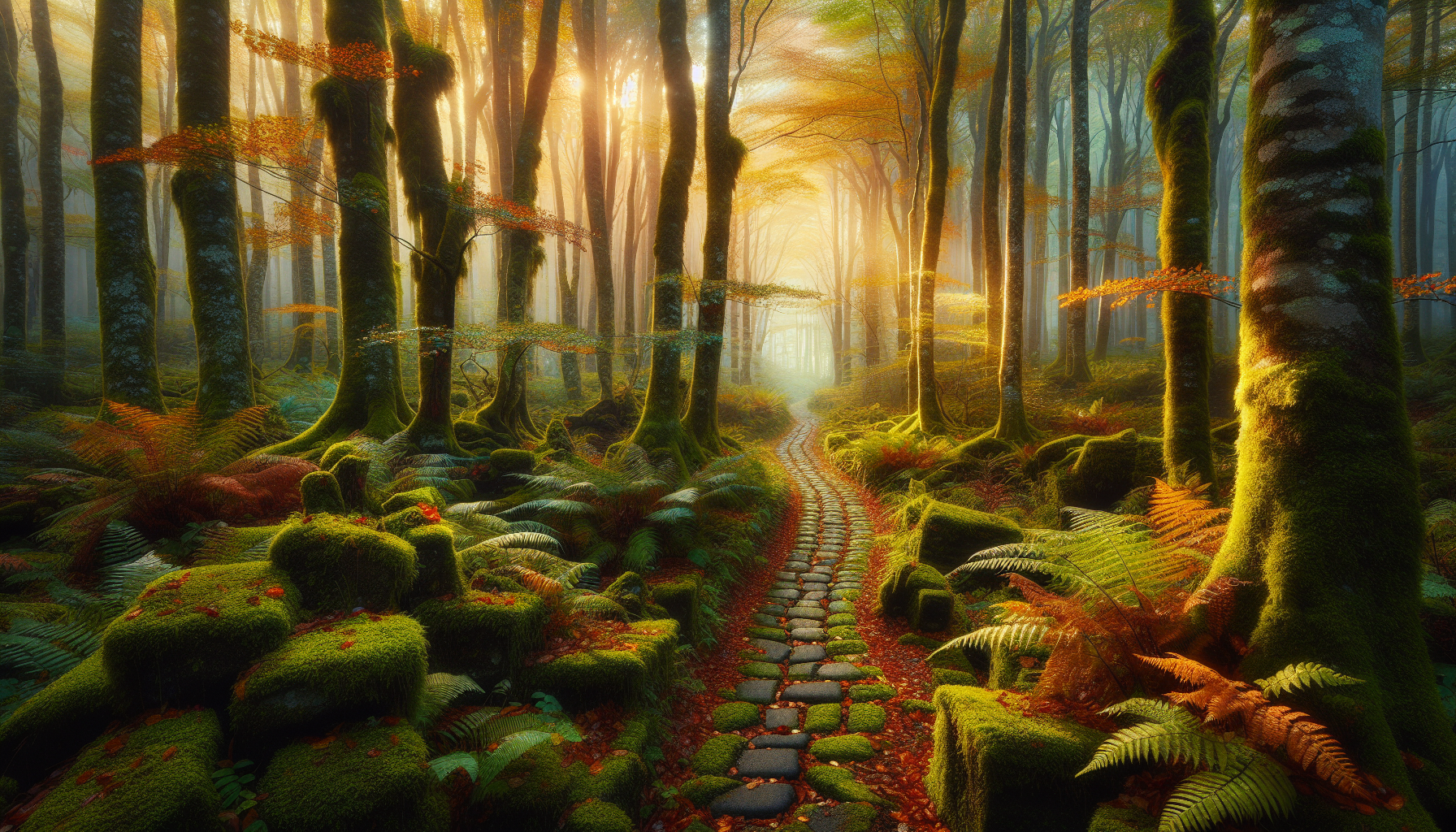
It was during a routine autumn back-setting of clocks that Marianne decided to investigate the legends of Hollow Pines. Armed with nothing but her curiosity and a flashlight, she ventured into the heart of the forest as the sun dipped below the horizon, the air thick with the scent of pine and a palpable sense of waiting. As the darkness embraced her, she felt the minutes stretch and distort around her, a phenomenon no science could explain.
The Science—or Silence—Behind the Saving
Studies on daylight saving time's effectiveness present a mixed bag. Some suggest minimal to no significant energy savings, while others advocate slight benefits. But the question remains: why continue a practice that can disrupt so much and benefit so seemingly little?
The Choir's Silent Notes
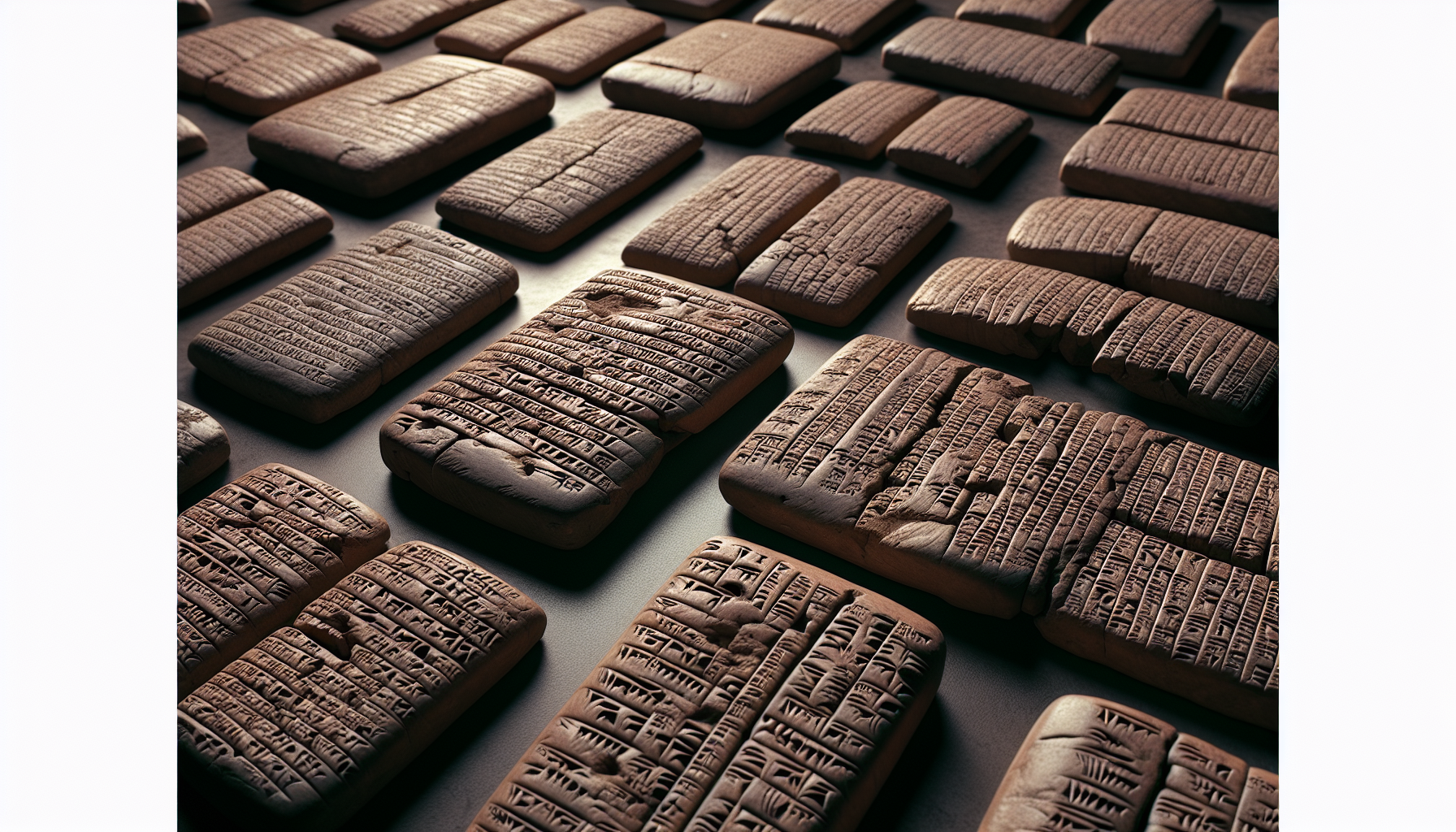
The missing page 13 from The Choir's ledgers, believed to detail a forgotten ritual coinciding with DST changes, remains an enigmatic puzzle piece. Could the Choir's silence speak louder than any written word?
DST Around the World: A Fractured Timekeeping
Internationally, the adoption of daylight saving time is anything but uniform. Several countries have abolished it, citing negligible benefits and considerable inconvenience. This global inconsistency only adds to the mystique and skepticism surrounding DST.
Beneath the Mark of ◬
"Beneath the shadow of the ◬, the old giants must cede to the new. On the eve of the second cycle, the mortal coil must be reset. We do not sleep. We wait." - Overheard at a clandestine gathering in Hollow Pines.
An Open-Ended Clockwork
As the debate over daylight saving time continues to tick along, we're left to ponder the true balance of its merits and demerits. But within the ticking is a whisper from the past, a nudge from the unseen. In Hollow Pines, where time seems both lost and found in abundance, the residents prepare again for the ritual of changing clocks, a practice steeped in more than just the desire to save energy.
Perhaps, as we adjust our clocks this season, we might also keep an eye open for the subtle shifts in the shadows at the edge of our vision, and listen for the faint whispers carried on the wind. For in the world of DST and beyond, the mystery isn't just about the hours we gain or lose but about what lies waiting in those stolen moments of time.