Unveiling Gluten: What Is It Really?
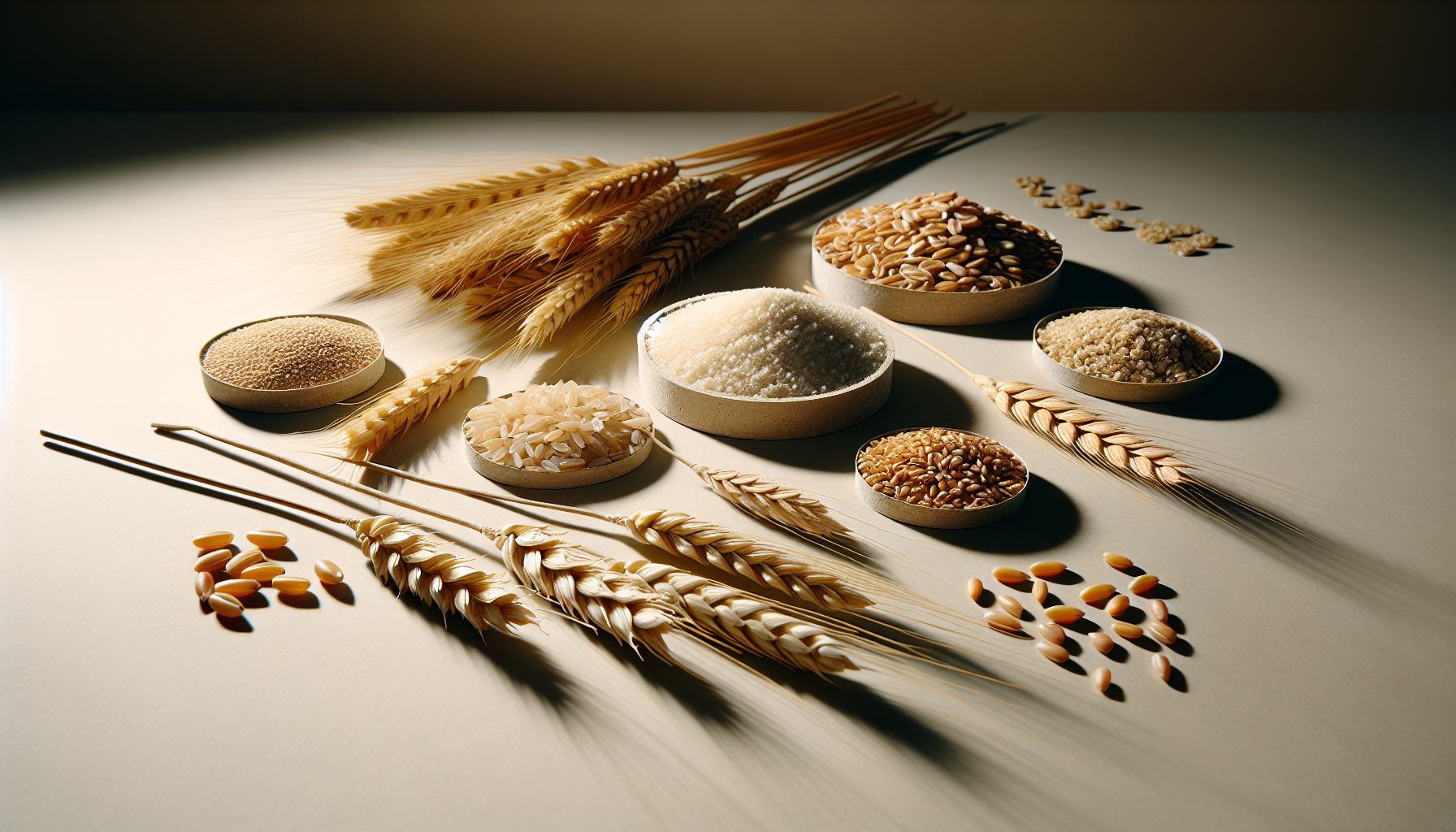
Gluten, a protein complex found in several grains, has become a household name, often linked to dietary restrictions and various health concerns. As gluten continues to influence food choices and health trends globally, a deeper understanding of what it is, where it's found, and its effects on the body is essential for informed dietary decisions.
TL;DR
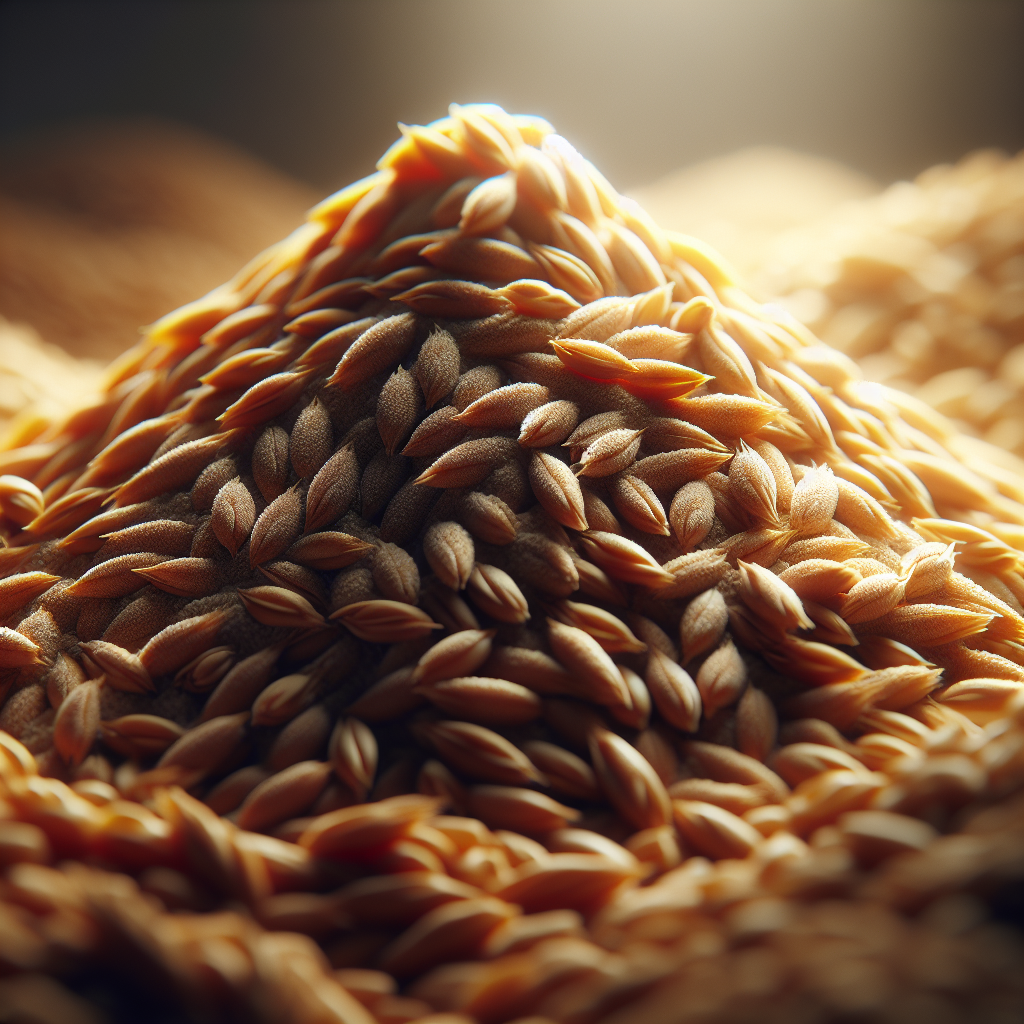
- Gluten Definition: Gluten is a protein composite primarily found in wheat, barley, and rye.
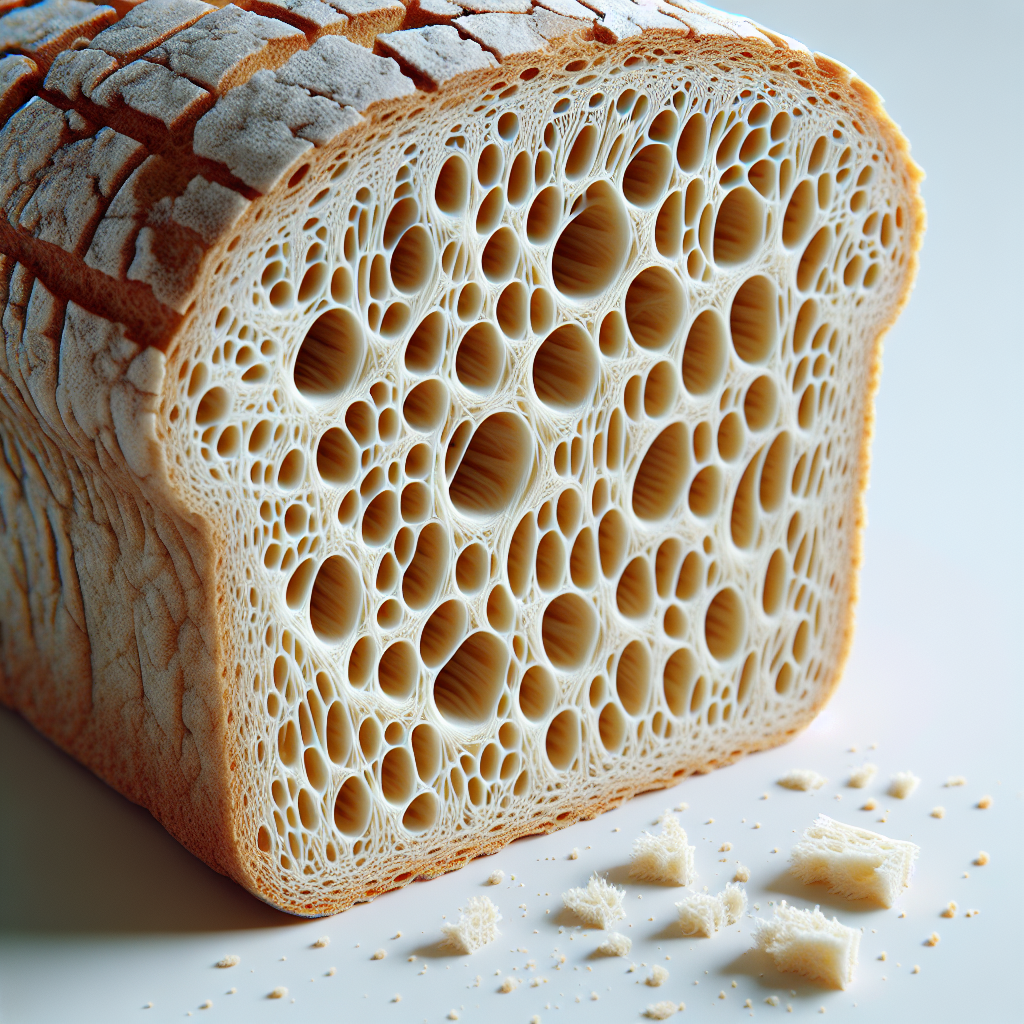
- Role in Foods: It gives elasticity to dough, helping it rise and maintain its shape, and often gives the final product a chewy texture.
- Health Impact: While gluten is safe for most people, it can cause health issues like celiac disease, non-celiac gluten sensitivity, and wheat allergy in others.
- Dietary Presence: Gluten is present in many foods, including breads, pastas, and many processed foods.
- Gluten-Free Diet: Adopting a gluten-free diet is essential for those with gluten-related disorders.
- Labeling: Foods labeled as "gluten-free" must meet strict standards to ensure they are safe for those with gluten sensitivities.
What is Gluten?
Scientific Overview
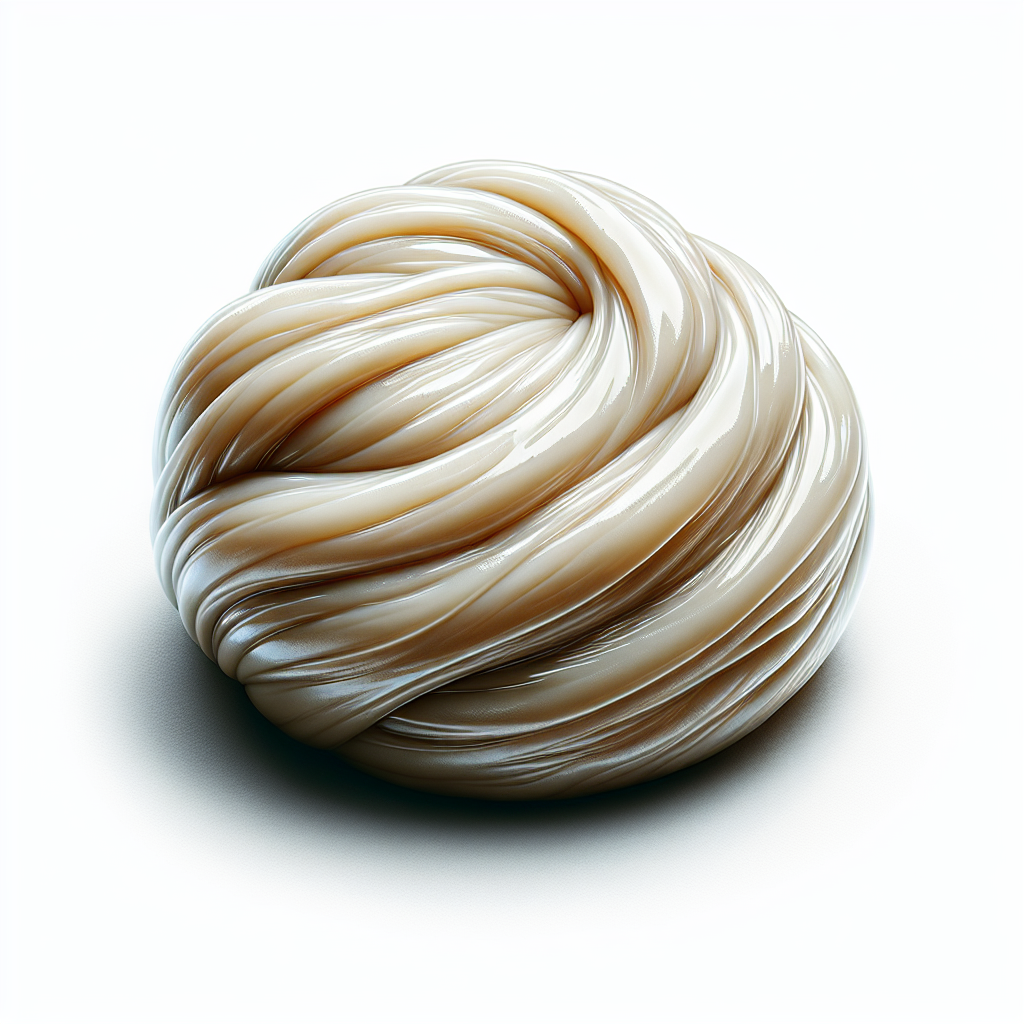
Gluten is a composite of two primary proteins, gliadin and glutenin, which are found in the endosperms of some grass-related grains like wheat, barley, and rye. In the baking process, gluten forms a network of protein molecules that trap carbon dioxide produced by yeast, allowing the dough to rise effectively. This protein complex is not only pivotal in baking but also affects the texture of many products, making them chewy and elastic.
Gluten in the Body
For most people, gluten is digested normally without any adverse effects. However, in individuals with celiac disease, an autoimmune disorder, ingestion of gluten leads to an immune response that damages the small intestine. Similarly, non-celiac gluten sensitivity can cause symptoms like stomach pain, fatigue, and headaches, even though it doesn't involve an autoimmune response. Wheat allergy, another gluten-related condition, involves a different immune reaction and can cause symptoms ranging from mild itching to severe anaphylaxis.
Historical Context
Origin and Cultivation
The cultivation of gluten-containing grains dates back thousands of years, with wheat being one of the first crops to be domesticated. Historical evidence suggests that ancient civilizations, including the Egyptians and Mesopotamians, utilized wheat extensively. The significance of wheat and barley in these societies was not just nutritional but also cultural, often associated with fertility and prosperity.
The Rise of Gluten Awareness
The identification of celiac disease as related to gluten consumption didn't occur until the 20th century. During World War II, Dutch pediatrician Willem-Karel Dicke observed that the shortage of bread led to a significant drop in the mortality rate among children previously diagnosed with celiac disease. This pivotal observation led to further research, which confirmed the role of gluten in triggering the condition.
Cultural Impact
Dietary Staple
In many cultures, gluten-containing grains are a dietary staple. Foods like bread, pasta, and cereals are central to many diets around the world. The preparation methods and significance of these foods vary greatly across different cultures, reflecting a rich diversity in culinary traditions.
The Gluten-Free Movement
In recent years, there has been a significant rise in the popularity of gluten-free diets, even among those without gluten-related disorders. This trend has been influenced by claims of improved health, weight loss, and better digestion, and has led to a surge in gluten-free product availability and dietary awareness.
Common Misconceptions
Gluten and General Health
A prevalent misconception is that gluten is universally harmful and that a gluten-free diet is healthier for everyone. However, for people without gluten-related disorders, there is no scientific evidence to suggest that avoiding gluten will lead to better health or weight loss.
Sources of Gluten
Another common misunderstanding is regarding which foods contain gluten. While it is well known that wheat, barley, and rye contain gluten, many are unaware of its presence in many processed foods, sauces, and even some medications and lip balms, due to cross-contamination or additives.
Conclusion
Understanding gluten is crucial not only for those who suffer from gluten-related disorders but also for anyone interested in making informed dietary choices. While gluten is a key protein that allows for certain culinary properties in foods, its impact on health can vary dramatically from one individual to another. Recognizing the real effects of gluten, based on scientific evidence, and dispelling myths surrounding it are essential steps towards understanding our food and its implications on our health. For those with celiac disease or gluten sensitivity, adhering to a strict gluten-free diet is necessary; for others, gluten can continue to be a part of a healthy diet.