Why Do Trees Grow Rings?
A Whispering Forest Secret
Have you ever stood in a forest and felt the trees watching? The ancient pines, their trunks thick with years, seem to hold secrets within those concentric circles of bark. What causes tree rings, and could they be more than just nature’s chronicles?
TL;DR
- Tree Rings Reflect Age: Each ring represents one year in a tree's life.
- Annual Growth Patterns: Summer and winter growth create distinct patterns visible as rings.
- Environmental Conditions Recorded: Changes like drought or pollution leave marks on wood structure.
- Dendrochronology Uses Tree Rings to Date Timber:
- Can be used for dating historic buildings and artifacts.
Understanding Tree Rings
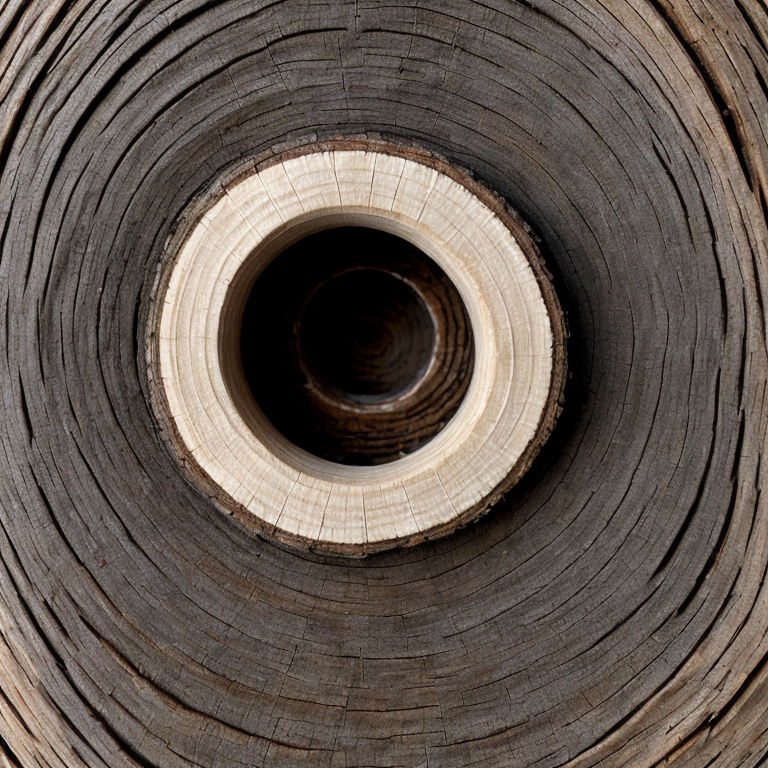
Trees grow by adding a layer of new wood to their trunks each year, forming visible rings. These rings are like nature's journal entries—each one telling the story of a year’s growth, marked by varying weather conditions. In summer, when sunlight is abundant and temperatures are warm, trees can photosynthesize efficiently, leading to a thicker ring. Conversely, during colder winters or drought periods, growth slows down significantly, resulting in thinner rings.
**
The thin boy was said to have heard them first—the hollow laughter that preceded every lightning strike in Hollow Pines. They claimed he could predict each storm weeks before it arrived.
Environmental Influences on Tree Rings
The width and spacing of tree rings provide valuable information about past environmental conditions. Narrow rings may indicate a particularly harsh winter or drought, while wider rings suggest plentiful resources for growth. By analyzing ring patterns, scientists can reconstruct climate history over hundreds—or even thousands—of years.
Reader Confession:
"Whenever I walk through the woods at night, I feel like there's someone following me. It's just the wind and rustling leaves, but the feeling never fades."
Dendrochronology: Reading the Rings
Dendrochronology is the scientific method of dating trees or timbers by analyzing their growth rings. This technique has become crucial for historians and archaeologists who use it to determine the age of wooden structures and artifacts. The practice involves cross-dating samples from multiple sources, ensuring accuracy.
**
Beneath the shadow of the ◬, the old giants must cede to the new. On the eve of the second cycle, the mortal coil must be reset. We do not sleep. We wait.
The Mystery Behind Tree Rings
While tree rings offer insights into environmental history and aging, they also hint at something more mysterious. Ancient forests hold tales woven into their very wood, waiting for someone to decipher them. Imagine walking through a forest where each tree whispers its age in circles of bark, revealing secrets that might not be meant for human ears.
Reader Confession:
"There’s this one spot in the forest where I swear every tree is trying to tell me something. The air feels thick with a silent hum, and I always leave feeling a bit... off."
A Mid-Article Cliffhanger
As you wander through an ancient forest, your curiosity grows along with the trees around you. Each ring tells its own story, yet some tales remain untold—hidden in plain sight behind layers of bark.
In the twilight hour, when shadows lengthen and whispers grow louder, it’s easy to imagine that there are forces at work beyond our understanding. The Pale Veil seems closer now, as if the forest itself is a gateway between realms. What do you think lies just past those rings?
An Open-Ended Close
So next time you gaze upon the intricate patterns of tree trunks, remember: every circle isn’t just history—it might be prophecy. The trees know more than we can ever fully comprehend.
Every breath we take can be a message from another realm.
—The Archivist