Unraveling Deja Vu: Why Does It Happen?
Deja vu, a term that sparks curiosity and mystery, refers to the sensation of having already experienced something that is actually occurring for the first time. Despite its commonality, the underlying causes of deja vu remain a subject of scientific inquiry and debate. With advancements in neuroscience and psychology, researchers continue to explore this perplexing phenomenon to provide clearer explanations and insights.
TL;DR
- Deja vu involves a sense of familiarity with a new experience, affecting up to 70% of the population.
- Theories range from simple memory glitches to complex neural processes.
- Research links deja vu to areas of the brain involved in memory and recognition, particularly the temporal lobes.
- Certain conditions, like epilepsy, have been associated with a higher frequency of deja vu episodes.
- Psychological and environmental factors may also trigger the sensation of deja vu.
- Ongoing research in 2025 continues to delve into the neurological and cognitive bases of deja vu.
The Science Behind Deja Vu

Neurological Explanations
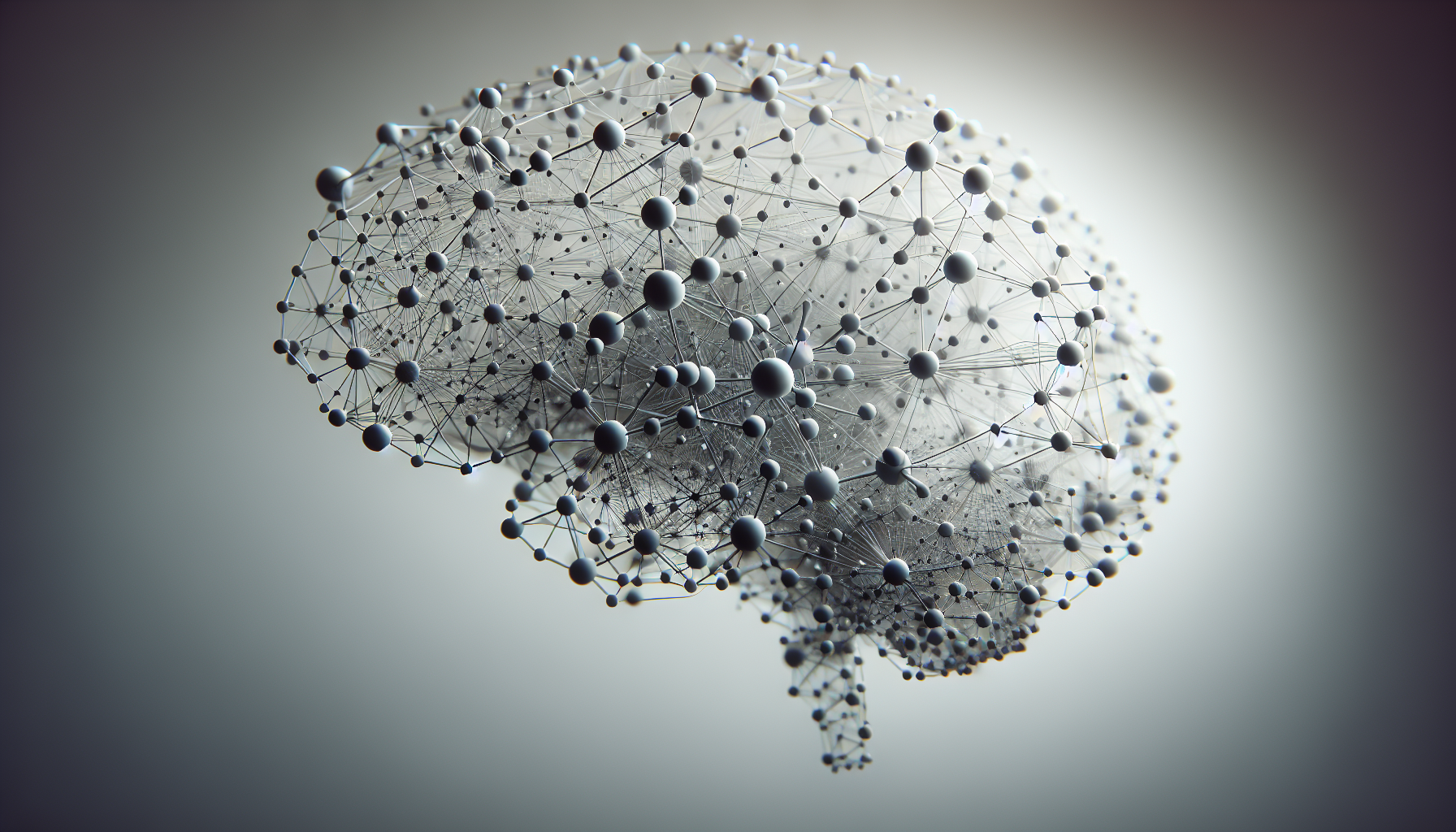
The most prominent scientific theories about deja vu focus on the brain's memory and recognition systems. The hippocampus and surrounding medial temporal lobe structures, known for their roles in memory encoding and retrieval, are often central to these theories. One hypothesis suggests that deja vu occurs due to a brief synaptic misfiring, where memories are incorrectly flagged as familiar or recollected without their full context.
Neuroimaging studies have shown that during episodes of deja vu, there is increased activity in the areas of the brain involved in decision-making and conflict resolution, such as the prefrontal cortex. This supports the idea that deja vu might also involve a momentary conflict between sensed familiarity and the actual novelty of the situation.
Psychological Perspectives
From a psychological viewpoint, deja vu has been linked to processes of associative memory. The brain makes sense of complex stimuli by comparing them with previous experiences stored in memory. If a new experience is similar but not identical to something in memory, it might trigger the sensation of familiarity—deja vu—without the conscious recall of a specific event or place.
Cognitive Dysfunction and Deja Vu
Research has also explored the relationship between deja vu and cognitive disorders. In particular, people with temporal lobe epilepsy often report frequent deja vu episodes just before a seizure. This has led researchers to consider deja vu as a possible aura or warning sign in epilepsy, providing valuable insights into the neurological underpinnings of both the disorder and the phenomenon.
Historical and Cultural Perspectives

Historical Studies on Deja Vu
The scientific study of deja vu is relatively modern, with significant interest developing in the late 19th and early 20th centuries. Early psychologists such as Sigmund Freud and Arthur Funkhouser delved into the phenomenon, often linking it to psychoanalytic theories of the unconscious mind. However, as neuroscience has advanced, the focus has shifted towards more biological and cognitive explanations.
Cultural Interpretations of Deja Vu
Deja vu is not only a subject of scientific inquiry but also a rich part of cultural folklore and interpretation. In many cultures, deja vu has been considered a spiritual or mystical experience, often interpreted as a glimpse into past lives or alternate realities. Such interpretations, while lacking scientific backing, underscore the profound impact that deja vu has on human thought and culture.
Common Misconceptions about Deja Vu
It's Not Predictive
Contrary to some popular beliefs, deja vu is not predictive; it does not indicate that an event is destined to happen again or has been foreseen. Scientific studies emphasize that it is a cognitive phenomenon without any supernatural implications.
It's Not Exclusively Linked to Pathological Conditions
While deja vu is more common in individuals with certain neurological conditions, experiencing deja vu is not in itself indicative of a neurological disorder. Most experiences of deja vu are reported by healthy individuals and are considered a normal part of human cognitive experience.
The Role of Stress and Fatigue
Emerging research suggests that stress and fatigue may enhance the frequency or intensity of deja vu experiences. These conditions can affect cognitive function, potentially leading to the slight disruptions in memory processing that contribute to feelings of familiarity.
Future Research Directions in Deja Vu Studies
As of 2025, ongoing research into deja vu is focusing on its mechanisms and implications in both healthy and clinical populations. Future studies aim to utilize advanced neuroimaging techniques to map brain activity during deja vu episodes more precisely and investigate the genetic factors that may predispose individuals to frequent deja vu experiences.
Conclusion
Deja vu remains one of the most fascinating and least understood phenomena in psychology and neuroscience. While current theories suggest it results from complex interplays between memory systems and brain function, much remains to be uncovered. As research continues to evolve, it is likely that our understanding of deja vu will become clearer, shedding light on the intricate workings of the human brain and memory.