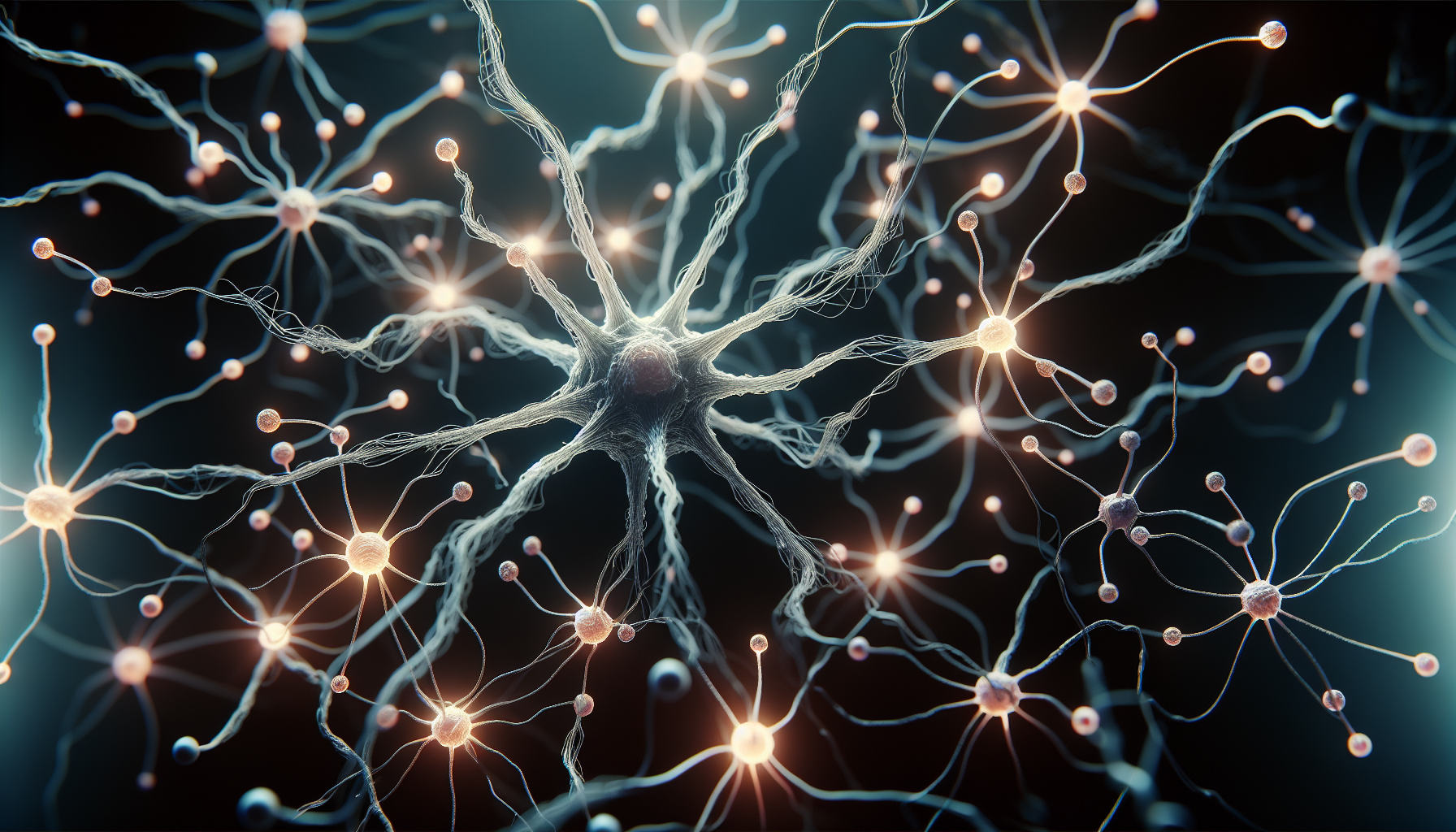
Understanding Memory: How Does It Function?
Memory is an integral part of human cognition, enabling us to retain and recall information that shapes our understanding of the world and our personal identity. As of 2025, advancements in neuroscience and cognitive science have deepened our understanding of how memories are formed, stored, and retrieved, revealing a complex interplay of neural processes.
TL;DR
- Memory Formation: Involves encoding, storage, and retrieval processes.
- Types of Memory: Includes sensory, short-term, and long-term memories.
- Neural Mechanisms: The hippocampus, amygdala, and cortex play key roles in memory storage and recall.
- Impact of Technology: Modern technologies influence memory skills and capacities.
- Memory Disorders: Conditions like Alzheimer's affect memory through biological changes in the brain.
- Future Research Directions: Focuses on enhancing memory retention and recovering lost memories.
The Science of Memory
How Memory Works
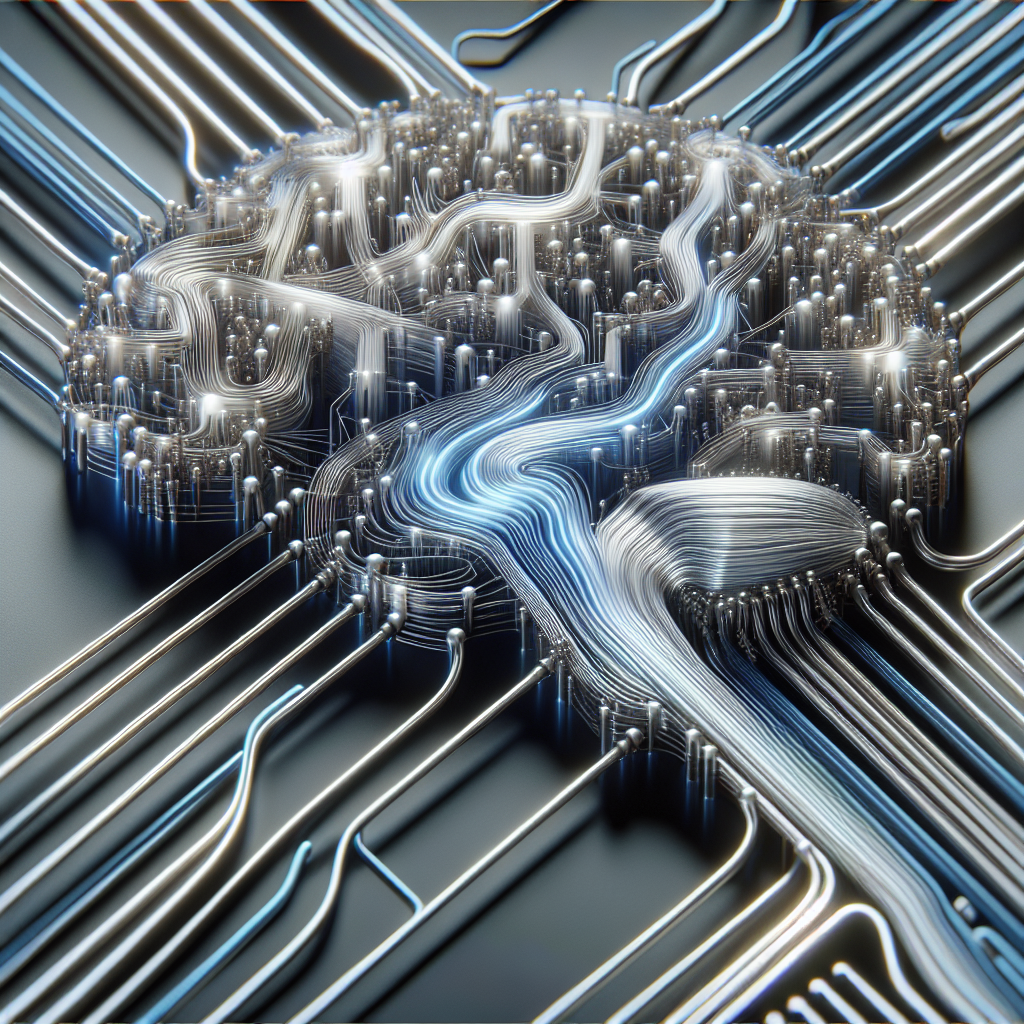
Memory functions through three primary processes: encoding, storage, and retrieval. Encoding is the initial learning of information. Storage refers to maintaining information over time. Retrieval is the ability to access information when you need it. Neurologically, memories are thought to be stored by altering the strength of connections between neurons, known as synapses.
Neural Structures Involved
Key brain structures involved in memory include:
- Hippocampus: Vital for forming new memories.
- Amygdala: Regulates emotions and consolidates emotional memories.
- Prefrontal Cortex: Associated with retrieving and maintaining information.
- Cerebellum: Plays a role in motor action memories.
Memory Types and Their Functions
Memories are broadly categorized into:
- Sensory Memory: The shortest type of memory which acts as a buffer for stimuli received through the senses.
- Short-term Memory (STM): Temporarily stores information for about 15-30 seconds.
- Long-term Memory (LTM): Stores information indefinitely; divided into explicit (conscious) and implicit (unconscious) memories.
Historical Perspectives on Memory

Early Theories and Discoveries
The study of memory can be traced back to ancient philosophers like Plato and Aristotle, who proposed early ideas about how memories form. In the 19th and 20th centuries, pioneers like Hermann Ebbinghaus and William James laid the groundwork for modern memory research, introducing concepts like the "forgetting curve" and "primary and secondary memory".
Milestones in Memory Research
Significant advancements include:
- The Case of H.M.: A pivotal case in memory research where a patient lost the ability to form new memories after surgery.
- Introduction of MRI: Allowed scientists to observe memory processes in real time and understand the anatomical basis of memory.
The Role of Technology in Memory
Enhancements and Impairments
Technology plays a dual role in memory:
- Enhancements: Devices and software that help improve memory and learning, such as mnemonic devices or memory apps.
- Impairments: Phenomena like "digital amnesia", where over-reliance on technology may weaken memory skills.
Future Prospects
Emerging technologies, such as brain-computer interfaces and neuroprosthetics, promise revolutionary changes in how we enhance and recover memory functions.
Memory Disorders
Common Types
- Alzheimer’s Disease: Characterized by severe memory loss, caused by plaques and tangles in the brain.
- Amnesia: Loss of memories due to brain injury or psychological trauma.
Impact and Management
Memory disorders significantly impact daily functioning and quality of life. Management strategies include pharmacological treatments, cognitive therapies, and lifestyle changes aimed at preserving cognitive health.
Misconceptions About Memory
Clearing Common Myths
- Memory is like a video recorder: Memory is actually reconstructive, not reproductive.
- Memories are stored in just one place in the brain: Memories are distributed across various brain regions.
- Memory decline is inevitable with age: While some aspects of memory may decline, others like knowledge and experience can increase.
Conclusion
As we continue to uncover the mechanisms behind memory, our understanding not only enhances scientific knowledge but also has practical implications for education, healthcare, and technology. Memory is not a single entity but a complex, dynamic system integral to our cognition and daily life. Looking forward, the intersection of neuroscience, technology, and cognitive enhancement promises to further revolutionize our approach to understanding and improving memory. As research progresses, it remains crucial to consider both the capabilities and limitations of our memory systems to better harness their potential in our increasingly digital world.