Exploring the Phases of the Moon: A Complete Guide
The moon's appearance changes over about a 29.5-day period, known as the lunar cycle, during which it undergoes several distinct phases. Each phase of the moon provides not only a visual spectacle in the night sky but also influences various cultural, scientific, and natural phenomena. Understanding these phases helps explain many natural rhythms on Earth, including the behavior of the tides.
TL;DR
- The moon goes through eight primary phases during its approximately 29.5-day lunar cycle.
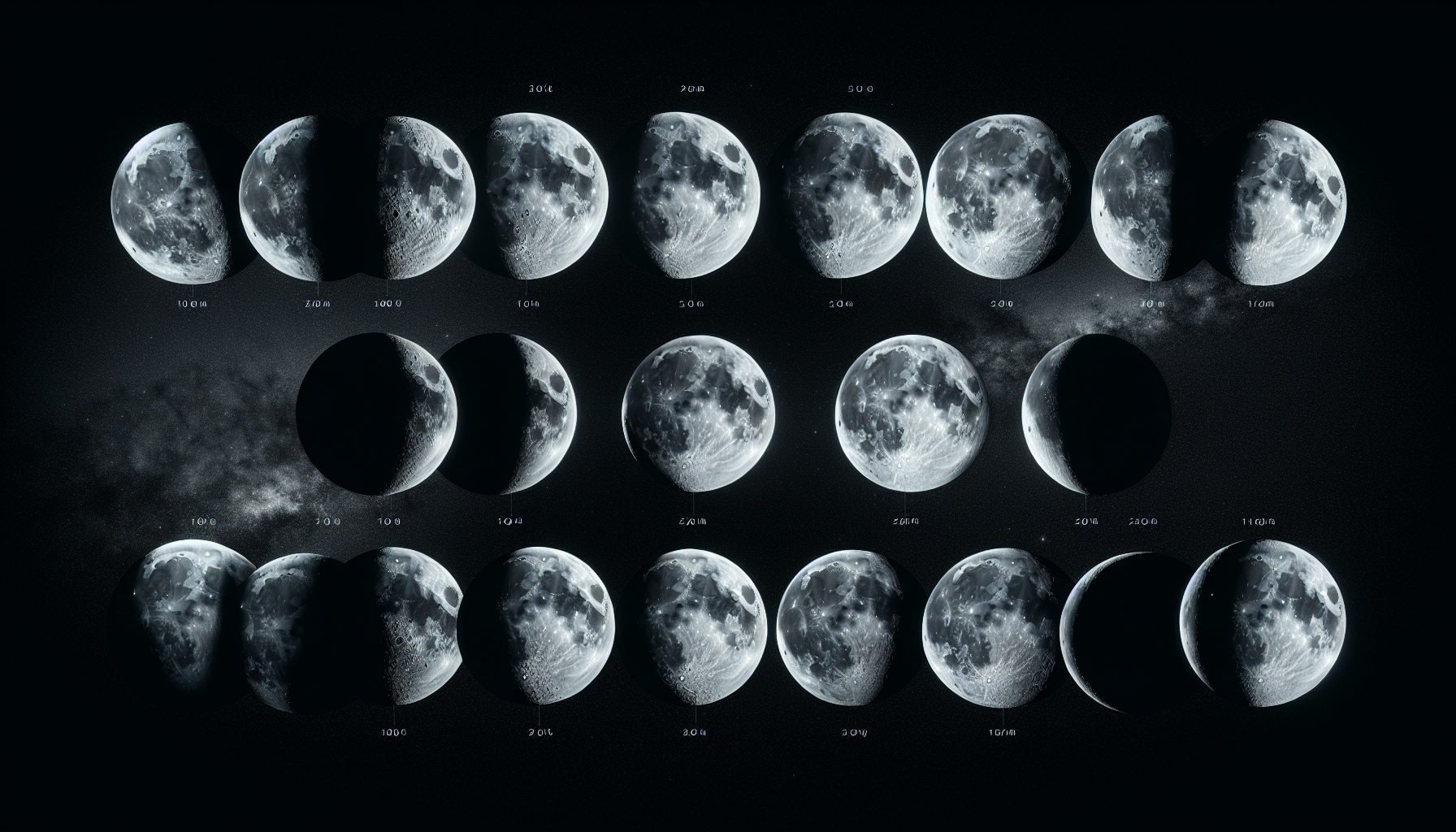
- These phases include the new moon, waxing crescent, first quarter, waxing gibbous, full moon, waning gibbous, third quarter, and waning crescent.
- The phases are a result of the moon's orbit around the Earth and the positioning of the Earth between the moon and the sun.
- Each phase has unique characteristics and cultural significance.
- Moon phases are crucial for understanding lunar eclipses and the timing of various natural phenomena.
- Modern astronomy uses the understanding of moon phases for various practical applications including calendar planning and tide prediction.
The Science Behind Moon Phases
Understanding the Lunar Cycle
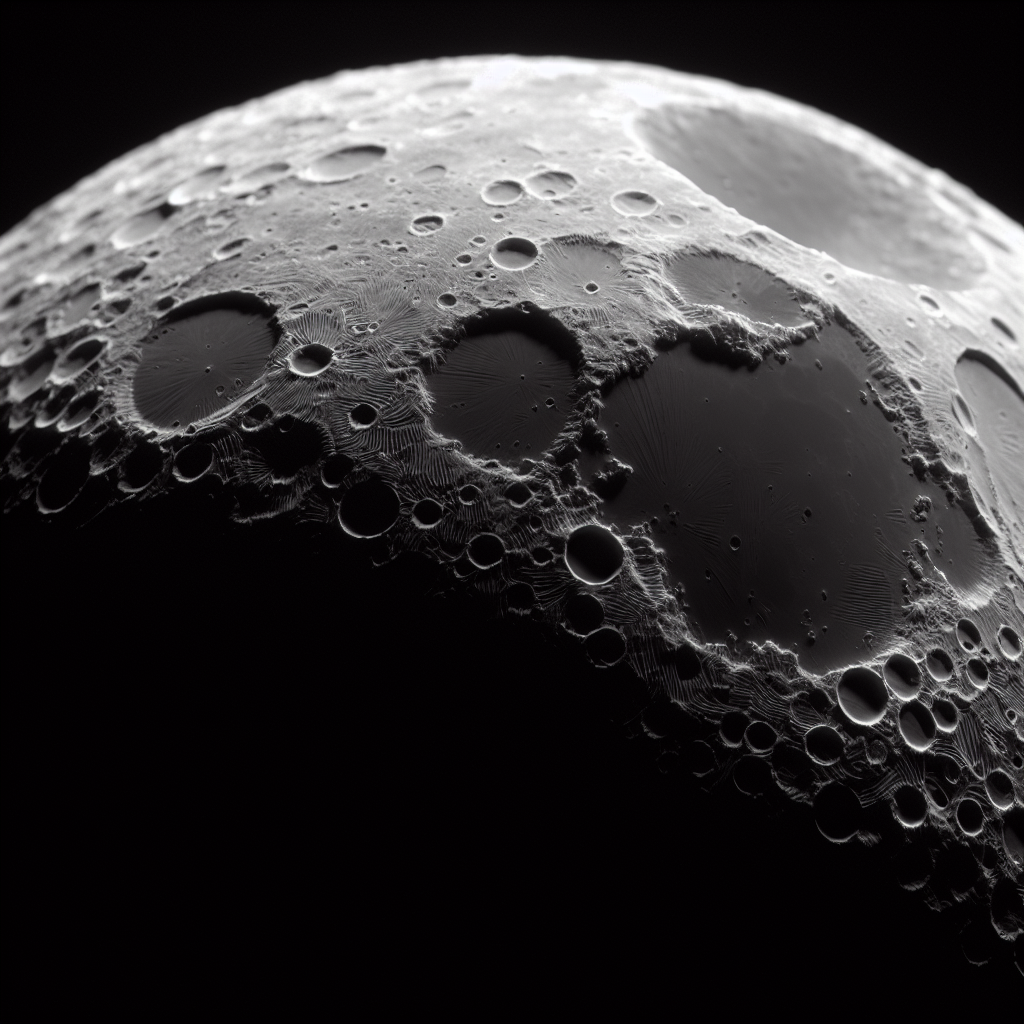
The lunar cycle is the period during which the moon completes one orbit around the Earth and goes through all of its phases, roughly every 29.5 days. This cycle is also known as a synodic month. The cycle’s duration varies slightly due to the elliptical shape of the moon’s orbit.
The Mechanics of Moon Phases
The phases of the moon are primarily the result of the geometric relationship between the sun, Earth, and moon. The phase changes as the moon orbits the Earth, due to the varying amounts of sunlight that illuminate the part of the moon facing us.
- New Moon: The moon is positioned between the Earth and the sun. The side of the moon that faces the Earth is in shadow.
- Waxing Crescent: A sliver of the moon's surface starts to light up, curving from right to left.
- First Quarter: Half of the moon's surface is illuminated on the right side.
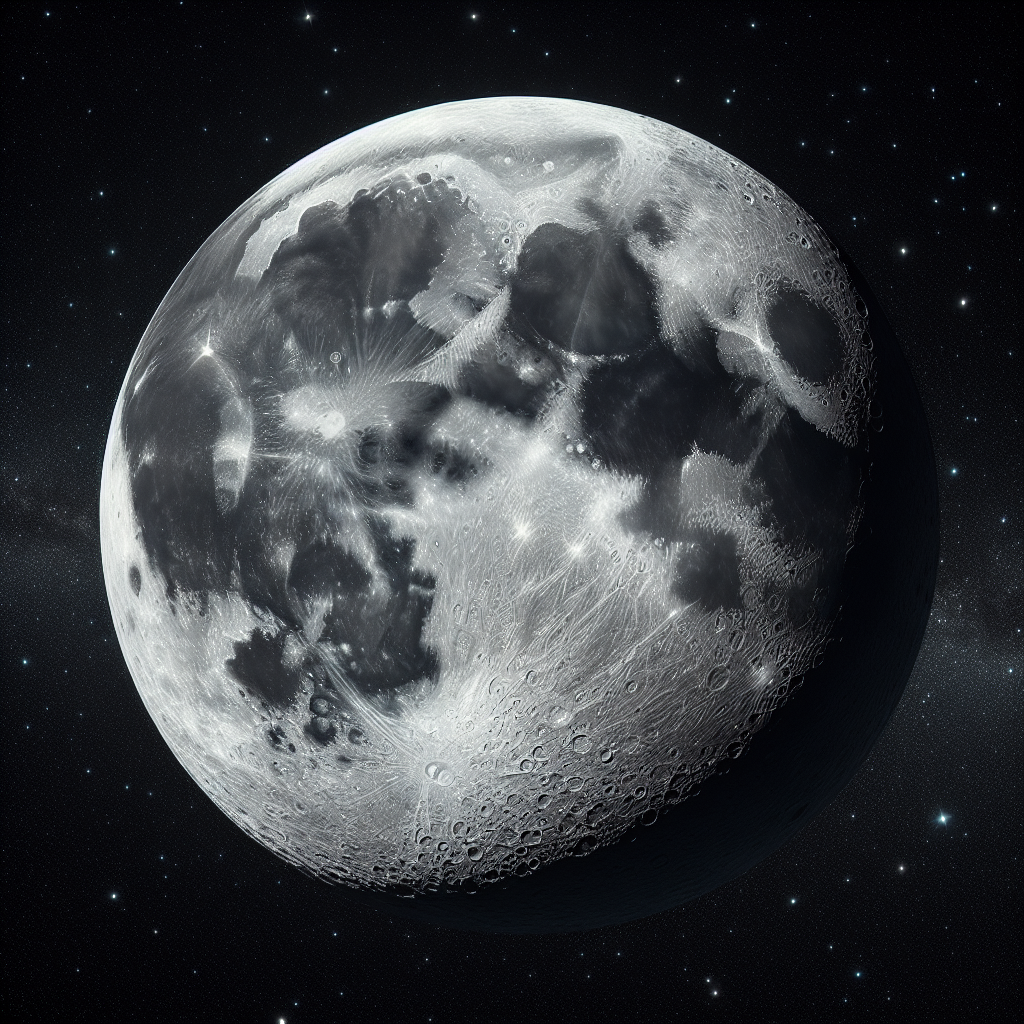
- Waxing Gibbous: The illuminated area of the moon continues to grow, covering more than half of the visible surface.
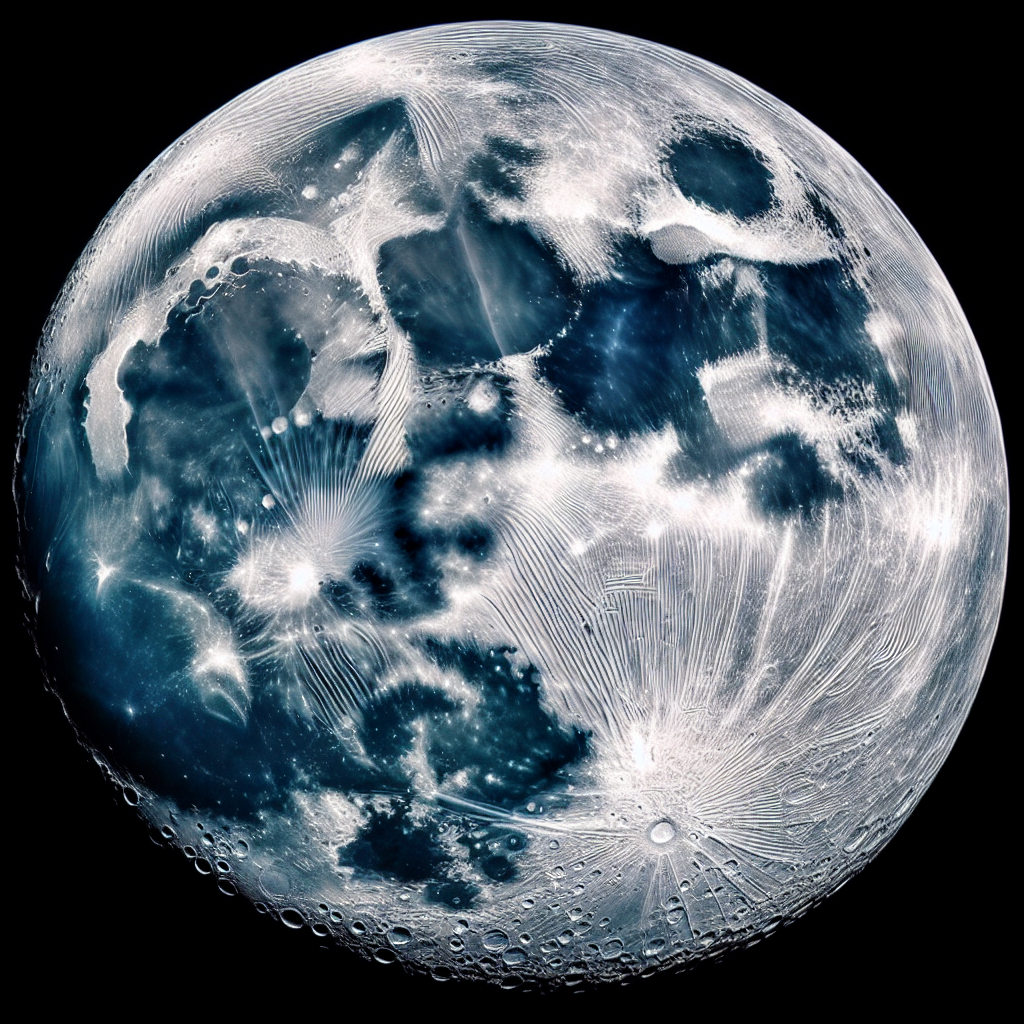
- Full Moon: The entire face of the moon is illuminated, appearing as a bright, round disk.
- Waning Gibbous: The illuminated part begins to decrease, but more than half remains visible.
- Third Quarter: The moon shows its half-lit phase again, this time with the left side illuminated.
- Waning Crescent: The moon returns to a sliver, this time curving from left to right, before becoming new again.
Astronomical Impact of Moon Phases
Moon phases affect the timing of eclipses, tides, and even the behavior of animals. For instance, many marine species’ reproductive cycles are synchronized with the lunar cycle.
Historical Perspectives on Moon Phases
Ancient Understanding
Historically, different civilizations had various interpretations and understandings of the moon phases. Ancient Babylonians, for instance, used the lunar cycle to formulate one of the earliest known calendars. They recognized that tracking the moon was an effective way to measure time.
Development of Lunar Calendars
Many ancient calendars, including the Hebrew, Islamic, and traditional Chinese calendars, are based on the phases of the moon. These calendars are still in use today for determining religious festivals and significant events.
Etymology of Moon Phases
The term "moon" itself derives from the Old English word 'mona', and similarly, other languages have derived their own names for moon phases that often reflect the nature or appearance of the moon during specific phases. For instance, the word "crescent" comes from the Latin 'crescere', meaning "to grow," aptly describing the waxing phase of the moon.
Cultural Significance of Moon Phases
Rituals and Festivities
In many cultures, specific moon phases are reasons for celebration or ritual. For example, the full moon is often associated with clarity and completion and is a common time for holding communal gatherings or festivals around the world.
Agricultural Influence
Traditional farming practices in many cultures also revolve around moon phases, using them to guide planting and harvesting cycles, demonstrating the moon’s influence on agricultural productivity.
Common Misconceptions about Moon Phases
The Dark Side of the Moon
A common misconception is that the "dark side" of the moon implies perpetual darkness. In reality, all parts of the moon experience day and night just like the Earth. The term actually refers to the side of the moon that is permanently turned away from the Earth.
The Influence of the Moon on Human Behavior
Another popular myth is that the full moon influences human behavior, leading to an increase in erratic behavior or psychological issues. Scientific studies have found no consistent evidence supporting these claims.
Conclusion
The phases of the moon are more than just beautiful nightly phenomena; they are a key part of the natural world, influencing tides, time-keeping, and cultural activities. Understanding these phases offers insights not only into the moon itself but also into how it affects our planet. As our knowledge of the lunar cycle continues to grow, it enhances our ability to plan agricultural, ecological, and even social activities more effectively. As we continue to look up at the night sky, the moon remains a source of curiosity and wonder, its phases marking the passage of time in our lives and histories.