Exploring the Mystery of the Northern Lights
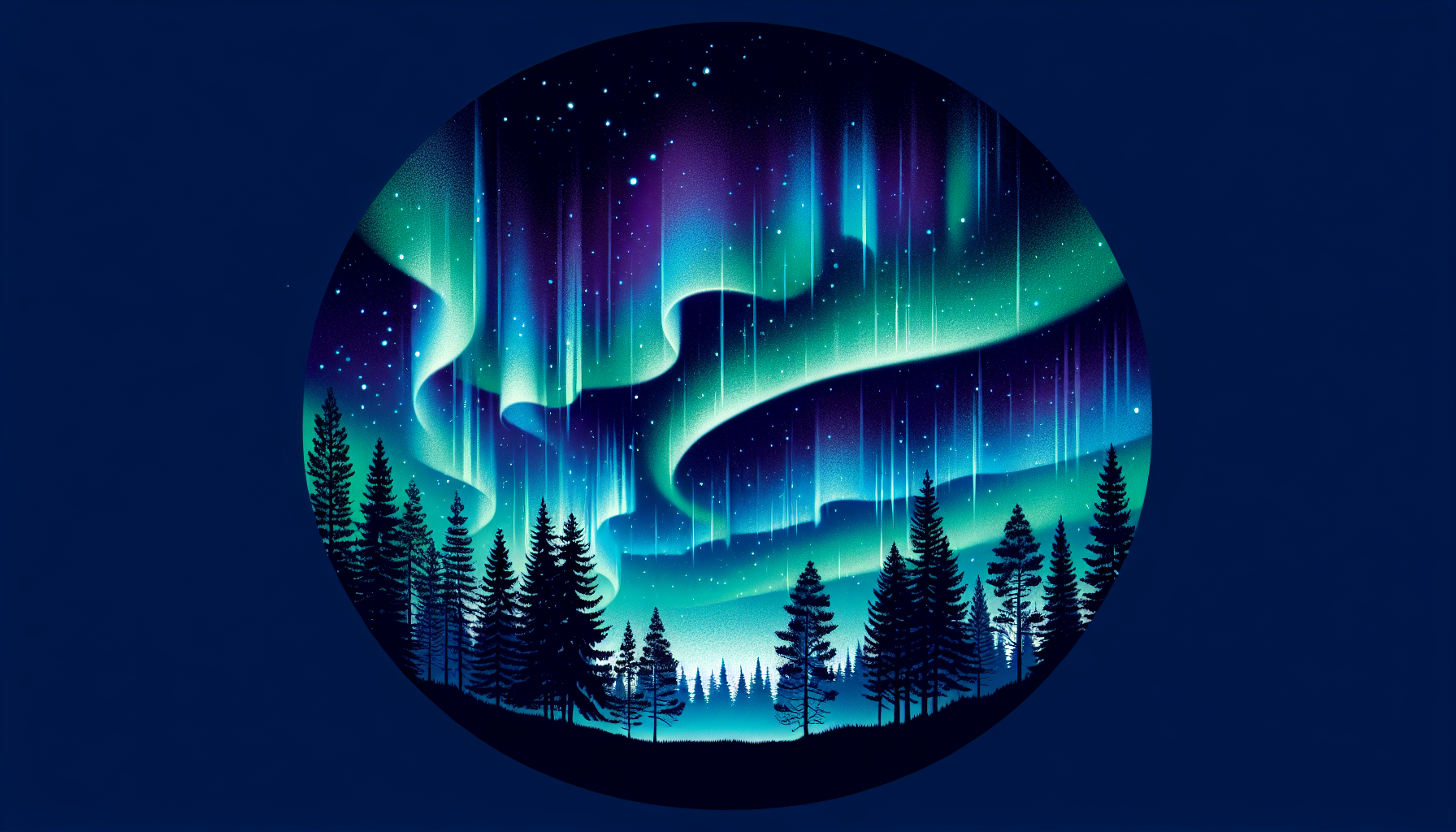
The Northern Lights, also known as Aurora Borealis, present one of the most spectacular natural displays on Earth, with vibrant colors swirling across the night sky. These lights are not just a feast for the eyes but also a fascinating scientific phenomenon, resulting from interactions between the Earth's atmosphere and solar wind.
TL;DR
- The Northern Lights, or Aurora Borealis, are caused by interactions between the Earth's magnetic field and charged particles from the sun.
- Visible primarily in high-latitude regions around the Arctic, such as Norway, Sweden, and Canada.
- Colors and patterns of the auroras are influenced by the type of gas particles involved and their altitude.
- Solar cycles play a significant role in the frequency and intensity of auroral displays.
- Cultural significance varies, with many myths and legends attributed to the phenomenon in different cultures.
- Modern science allows for the forecasting of auroral activity, aiding both enthusiasts and researchers in their observations.
The Science Behind the Aurora Borealis
How the Northern Lights Occur
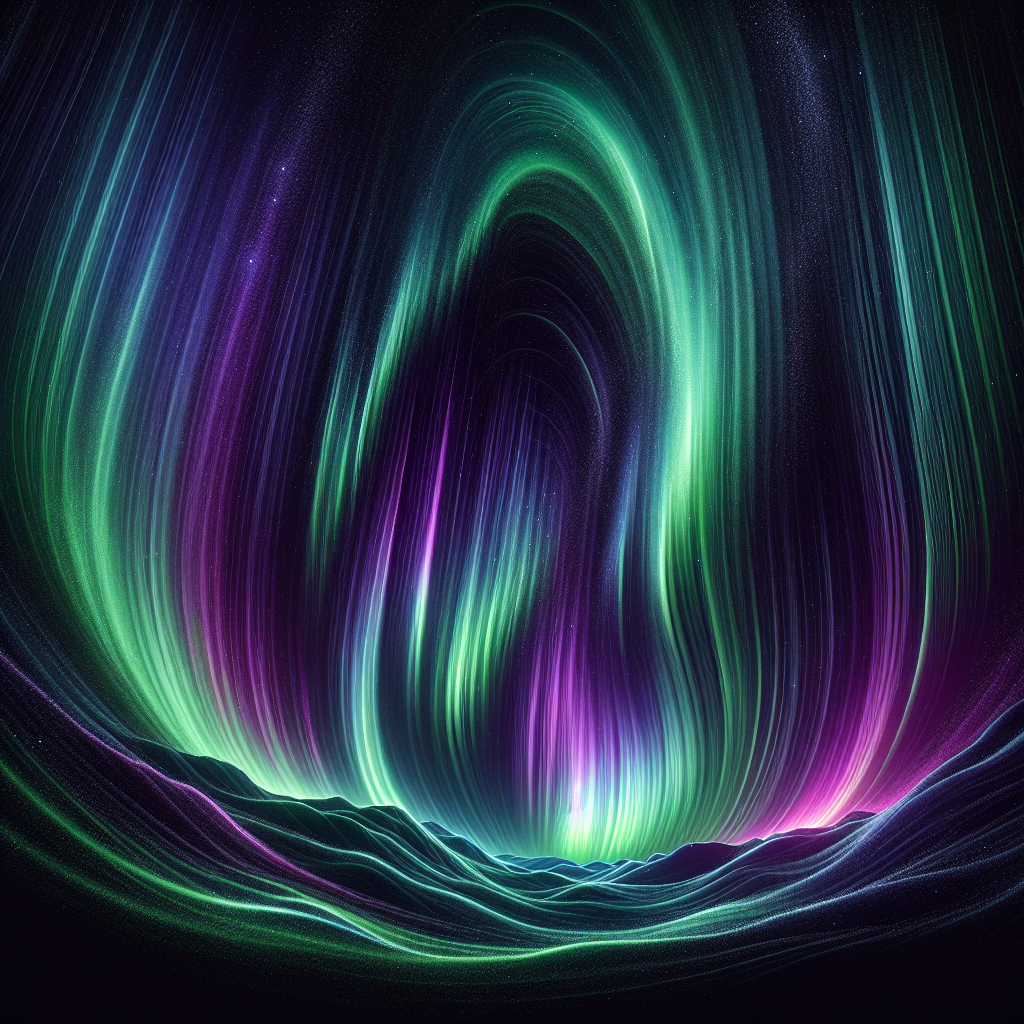
The Northern Lights are a result of collisions between gaseous particles in the Earth's atmosphere and charged particles released from the sun's atmosphere. These charged particles are carried towards Earth by the solar wind and are largely deflected by the Earth’s magnetic field. However, the Earth's magnetic field is weaker at either pole and therefore some particles enter the Earth’s atmosphere and collide with gas particles. These collisions emit light, which we perceive as the dancing lights of the aurora.
Variability and Visibility
The colors of the Northern Lights depend mainly on which gas particles are involved and the altitude at which the collisions occur. Oxygen emits either a greenish-yellow or a red light, while nitrogen generally gives off a blue or purple color. The type of solar wind event also affects the visibility and intensity of the auroras. During large solar eruptions, more solar particles are ejected and thus more intense and widespread aurora events can occur.
Historical Observations of the Northern Lights
Auroras have been a source of wonder and intrigue throughout human history. Ancient civilizations often interpreted these lights through the lens of their own cultural stories and myths.
Early Accounts and Interpretations
Historical accounts of the Northern Lights can be found in texts from ancient Greece and Rome, as well as in Medieval manuscripts. The phenomenon has often been a part of folklore and legends, with interpretations ranging from omens of war to spirits of the dead.
The Development of Scientific Understanding
It wasn't until the early modern period that the Northern Lights began to be understood scientifically. In 1621, French astronomer Pierre Gassendi named the lights after the Roman goddess of dawn, Aurora, and the north wind, Boreas. However, the scientific explanation regarding the interactions with solar winds and magnetic fields was not provided until much later, by British scientist Sir Edmund Halley in 1716.
Etymology of "Aurora Borealis"
The term "Aurora Borealis" originates from two ancient names. "Aurora" is the Roman goddess of dawn, suggesting the appearance of dawn in the north. "Borealis" is derived from the Greek name for the north wind, Boreas. This nomenclature reflects the combined beauty and geographical aspects of the auroras.
Cultural Significance of the Northern Lights
Across different cultures, the Northern Lights have various interpretations and significances.
Indigenous Beliefs
For many indigenous peoples of the Arctic, the Northern Lights hold special spiritual significance. Some cultures believe the lights are the spirits of their ancestors or the manifestations of animal spirits.
Modern Cultural Impact
Today, the Northern Lights attract tourists from all over the world, boosting local economies and promoting cultural exchange. They are also a popular subject in photography and art, inspiring many with their ethereal beauty.
Common Misconceptions about the Northern Lights
Despite scientific advancements, several myths persist about the Northern Lights.
Weather and the Northern Lights
A common misconception is that the Northern Lights occur only during cold weather. In reality, auroral activity is governed by the Earth's magnetic field and solar activity, not temperature.
Predictability
Another misconception is that auroras can be predicted months in advance. While it is true that solar cycles can give a general idea of when auroral activity might be higher, precise predictions can only be made a few days in advance based on solar wind conditions.
Conclusion
The Northern Lights are a beautiful and complex natural phenomenon shaped by the interplay between the Earth's atmosphere and solar activity. While they have been the subject of myth and legend in many cultures throughout history, modern science has allowed us to understand their origins and predict their occurrences with reasonable accuracy. Whether viewed through the lens of science or culture, the Aurora Borealis remains one of the most stunning and inspiring natural wonders of our world.