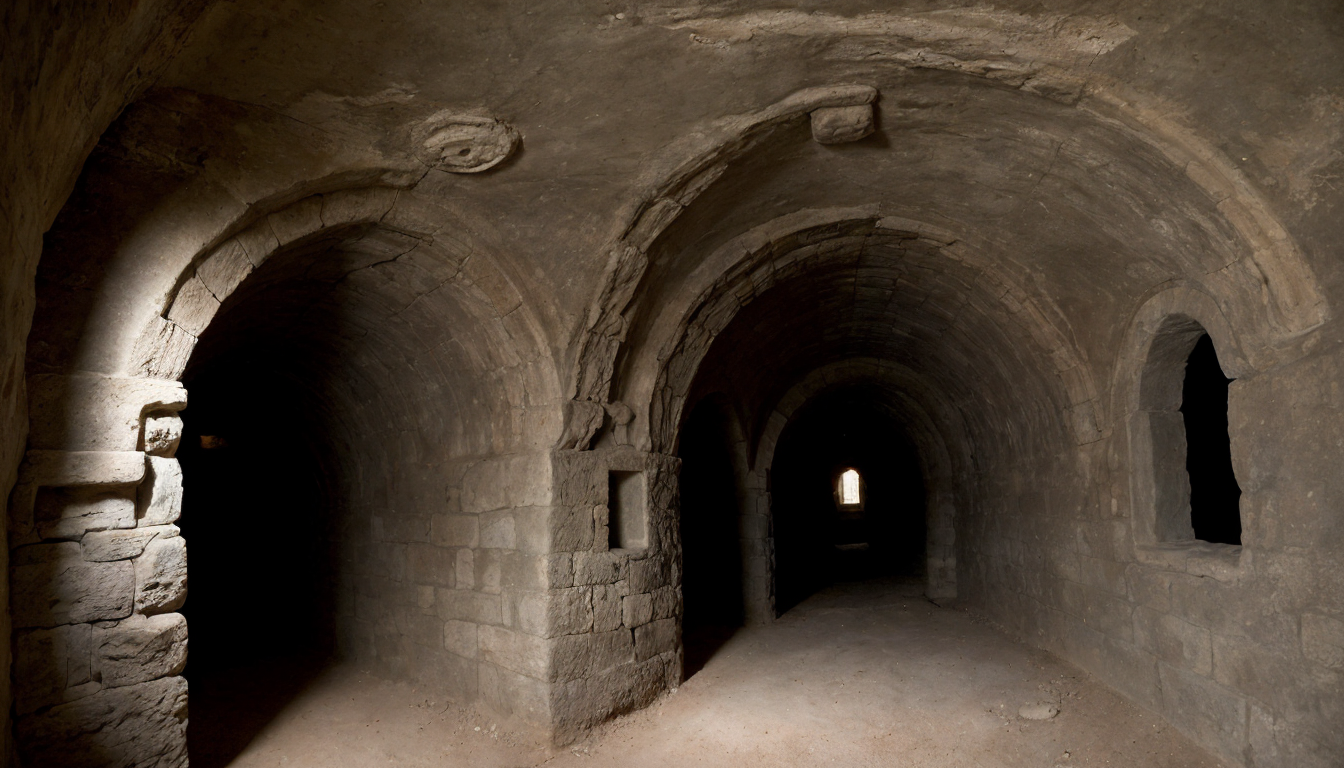
How Ancient Underground City Survived Centuries of Secrecy
TL;DR
- Oldest Known Structure: The world's oldest underground city is located in Turkey and dates back to the 7th millennium BCE.
- Purpose and Use: Initially used for storage, it later became a refuge during times of conflict.
- Archaeological Importance: Offers unique insights into ancient living conditions and societal organization.
- Modern Discovery: Only recently uncovered by archaeologists, revealing layers of history previously unknown.
- Cultural Impact: Highlights the ingenuity of ancient societies in adapting to environmental challenges.
Origins of Ancient Underground City
The world's oldest known underground city is located in Cappadocia, Turkey. This subterranean complex has been dated back to at least 7000 BCE, making it one of the earliest and most extensive examples of underground architecture. The origins of this ancient city can be traced back to prehistoric times when early humans began utilizing natural caves for shelter and storage.
Historical Context
The exact purpose of these initial excavations is still debated among archaeologists. However, evidence suggests that they were initially used primarily as storage facilities for grains and other provisions. Over time, the underground structures evolved into more complex systems designed to serve multiple purposes, including living quarters, religious spaces, and defensive fortifications.
Evolution Through Time
As societies in Cappadocia grew more sophisticated, so too did their use of subterranean space. By the Hittite period (c. 1600-1200 BCE), these underground cities had become intricate networks with multiple levels and numerous chambers designed to accommodate large populations during times of conflict or natural disasters.
Survival Strategies for Hidden Civilizations
The survival of this ancient city over millennia can be attributed largely to its strategic location and the ingenuity of those who built it. The soft volcanic rock in Cappadocia made excavation relatively easy compared to harder stone, allowing for rapid construction even with primitive tools.
Defensive Mechanisms
One of the key features that allowed these underground cities to endure was their defensive capabilities. They were designed with narrow entryways and dead-end passageways to slow down invaders. Additionally, ventilation shafts were strategically placed to maintain air circulation while preventing smoke from entering during sieges.
Resource Management
Another critical aspect of survival in such environments was efficient resource management. Water supplies were carefully managed through underground reservoirs connected via tunnels that also served as drainage systems. This ensured a constant supply of clean water for drinking and irrigation, even during prolonged periods of isolation.
Archaeological Importance
The discovery and study of the world's oldest underground city have provided invaluable insights into ancient living conditions and societal organization. These sites offer a unique window into how early civilizations adapted to their environment and developed innovative solutions to everyday challenges like food storage and defense against enemies.
Preservation Techniques
One remarkable feature is the preservation state of many artifacts found within these cities. The lack of light and oxygen in underground chambers has helped protect organic materials from decay, allowing researchers to uncover well-preserved tools, textiles, and even human remains that shed light on daily life thousands of years ago.
Modern Discovery and Exploration
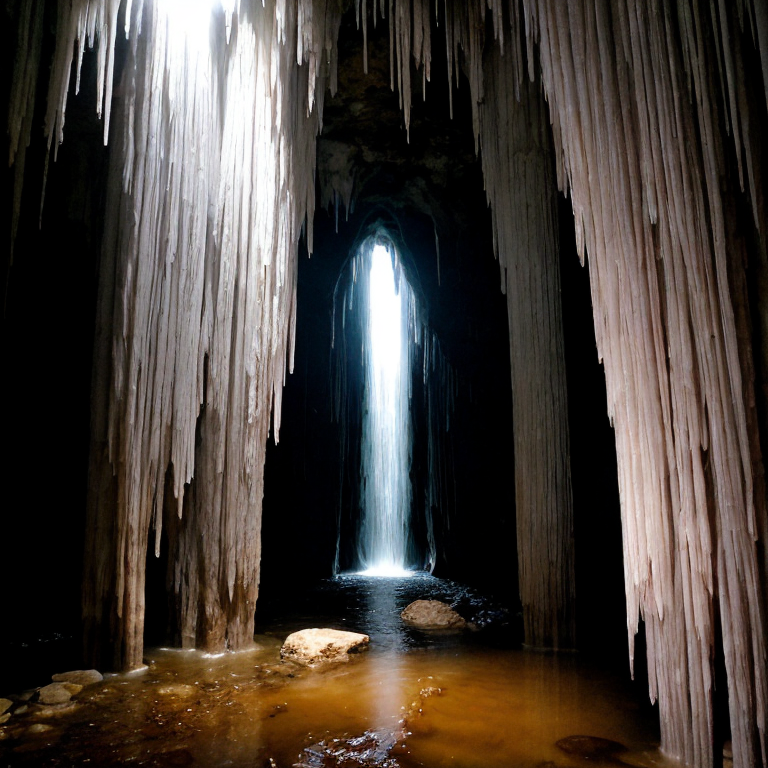
While some evidence of these subterranean structures had been known for centuries, it wasn't until the late 20th century that comprehensive archaeological investigations began. These studies have revealed a far more extensive network than previously imagined, with interconnected tunnels stretching over vast distances beneath the surface.
Technological Advancements
Recent advancements in imaging technologies like ground-penetrating radar (GPR) and LiDAR scanning have revolutionized how researchers explore these hidden structures without damaging them. Such tools allow for detailed mapping of underground spaces before excavation even begins, ensuring that every inch is accounted for during the study process.
Cultural Impact and Misconceptions
The revelation of such ancient subterranean cities has had a profound impact on our understanding of early human societies. They challenge traditional notions about urban planning and social organization in prehistoric times.
Popular Myths Debunked
Despite their historical significance, there are several misconceptions surrounding these underground cities that need clarification:
-
Misconception 1: These structures were primarily used as hiding places for persecuted religious groups during the medieval era. While some later iterations of underground cities did serve this purpose, the majority predate such conflicts by thousands of years.
-
Misconception 2: The idea that these cities could house entire populations year-round is often exaggerated. Most likely served as temporary refuges rather than permanent residences due to limited space and resources.
Conclusion
The history of the world's oldest underground city in Cappadocia reveals a fascinating chapter in human ingenuity and adaptation. From its initial use for storage to becoming a vital refuge during times of crisis, these subterranean complexes demonstrate how early societies leveraged their environment to create resilient communities capable of enduring centuries of secrecy and conflict.
While much has been learned through recent archaeological discoveries, ongoing research continues to uncover new layers of understanding about the lives of our ancient ancestors. The legacy left by these hidden civilizations serves as a testament to human creativity and perseverance in overcoming adversity.