Discover the Craft: How is Glass Made?
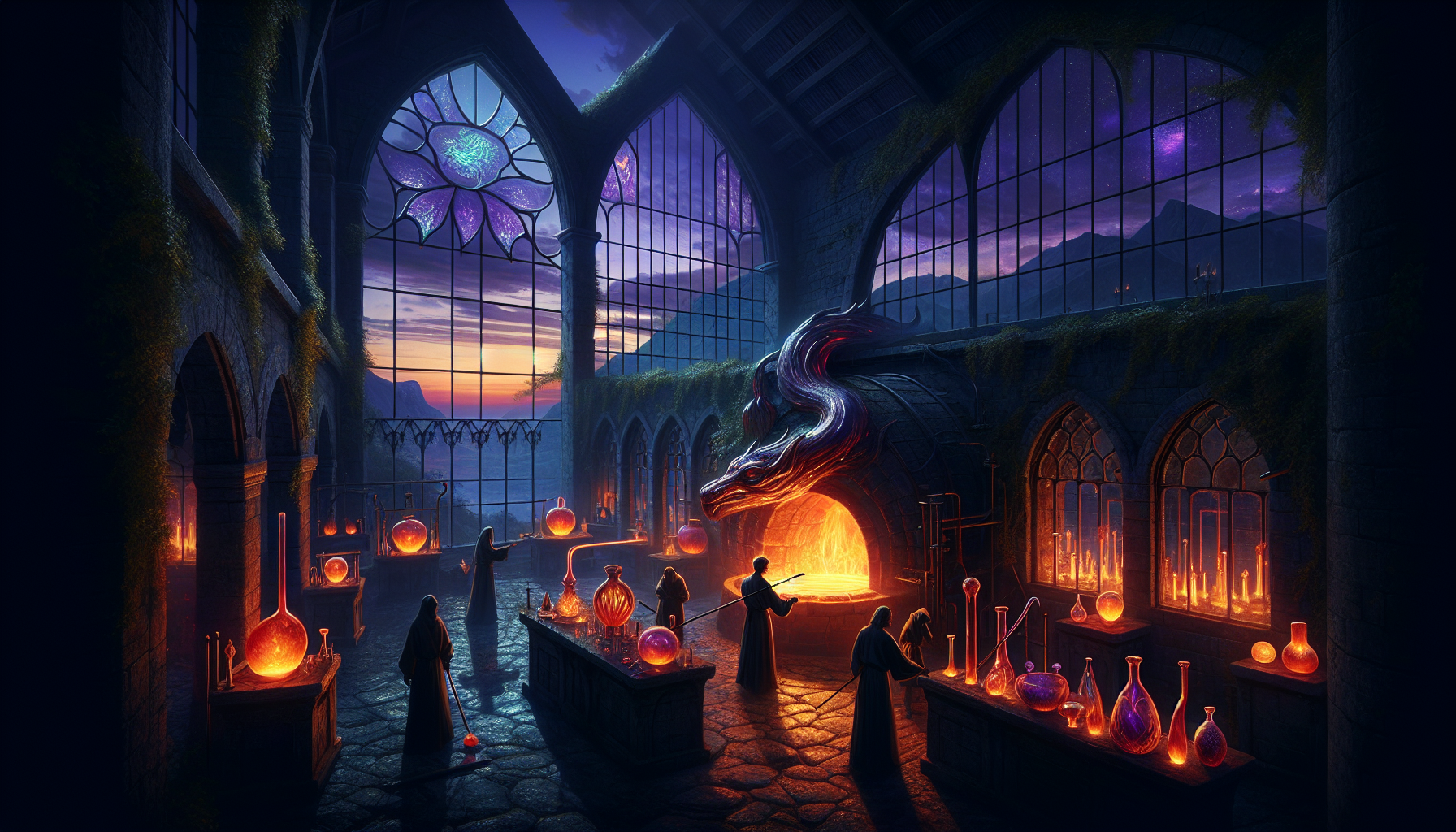
The art of transforming sand into glass has always held a bit of mystery. Beneath its clarity and beauty, there is a depth, much like peering through the glass windows of an abandoned chapel in Hollow Pines—you feel like you’re seeing more than just the other side, but into another dimension altogether. Join us as we explore the meticulous and fascinating process of glass making in 2025, where innovation meets ancient tradition, and perhaps, something else whispers from the edges of the molten sands…
TL;DR:
- Raw Materials: Discover what goes into the making of glass from the basic sand to intricate additives.
- Modern Techniques: Uncover the advancements in technology that shape the future of glass making in 2025.
- Cultural Impact: Dive into how glass making has influenced cultural and artistic expressions, weaving through history and modern applications.
- Subtle Mysteries: Learn about the eerie anecdotes and whispers of lore tied into the age-old craft of glassmaking.
The Basics of Glass Production

Making glass is an ancient alchemy, a process that requires precision, patience, and a touch of mystery. First, let's delve into what goes into this captivating process.
The Raw Materials
Lore Breadcrumb: [The Ashen Gospel] Markings in the margins of The Ashen Gospel hint at a forgotten recipe for a translucent compound, eerily similar to descriptions of early glass.
Glass begins as silica, commonly sourced from sand. It’s fascinating how something so ubiquitous, like sand from the shores of Hollow Pines, can transform into something so clear and fragile. Alongside silica, soda ash and limestone are added to lower the melting temperature and stabilize the mixture. Sometimes, other additives such as alumina or magnesium oxide are included to enhance durability and color—much like the subtle tint in the windows of Hollow Pines' chapel, which never seem to reflect the same color twice.
The Melting Process
At industrial scales, these ingredients are blended and heated to up to 1700°C in large furnaces. This molten concoction is stirred to ensure uniformity and then refined to remove any bubbles or impurities, creating a pristine liquid glass that is ready for forming.
Shaping and Cooling
Forming glass can be an art as much as it is a science. Techniques range from blowing glass using long pipes to pressing it into molds. The molten glass takes shape, then it's rapidly cooled—a process known as annealing—to relieve internal stresses. This phase is crucial; without it, glass would be as brittle as the frozen air of a Hollow Pines winter night.
Innovations in 2025
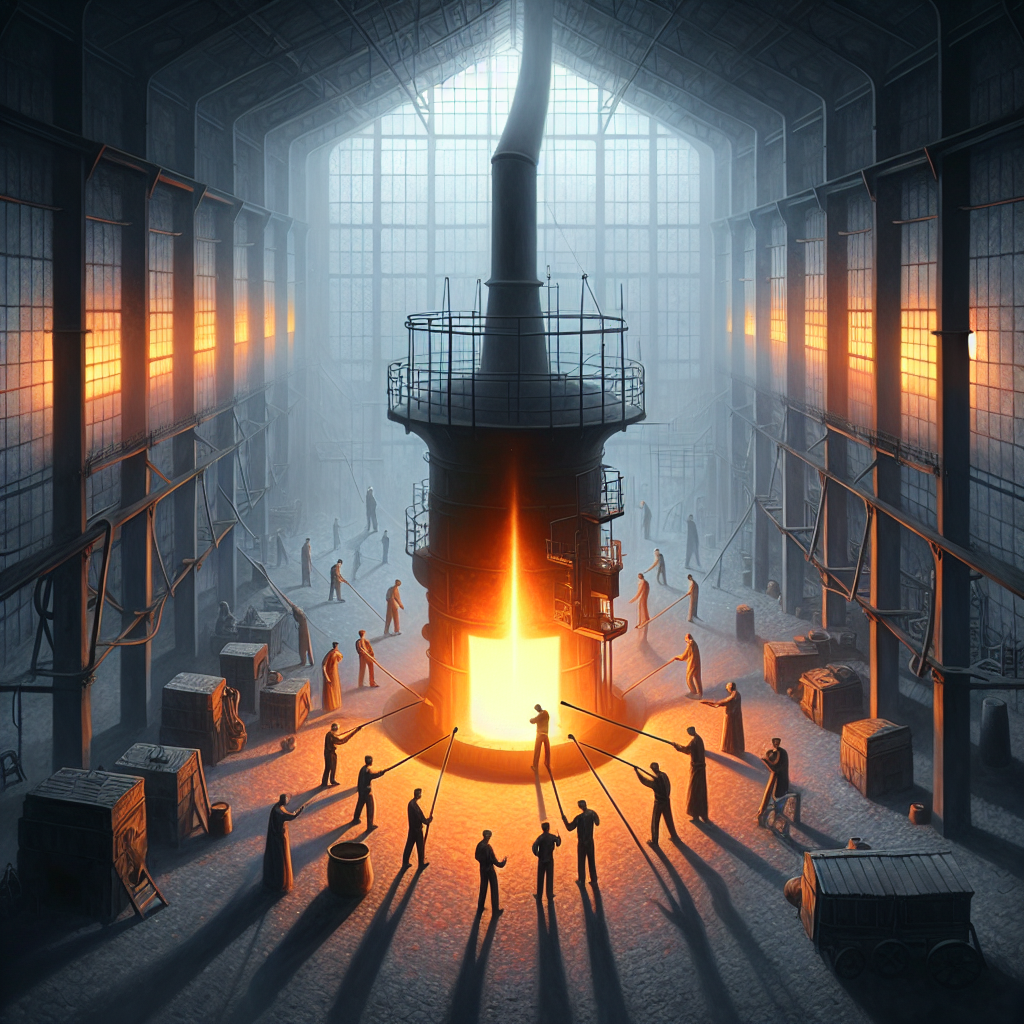
In 2025, glass making has embraced technologies that push the boundaries of creativity and functionality. New forming techniques allow for the production of smart glass, which can change transparency or act as an interactive surface.
Lore Breadcrumb: [Glyph ◬] Technicians have reported a recurring error in the factory control software displaying the symbol ◬, a glyph known to those who have ventured deep into the lore of The Pale Veil.
The Role of AI and Robotics
AI systems optimize the mixture of raw materials based on desired properties, while robotics handle the dangerous and precise tasks of cutting and molding the hot glass. This integration not only improves safety but also enhances the artisan’s ability to create complex shapes and designs previously thought impossible.
Cultural and Artistic Impact
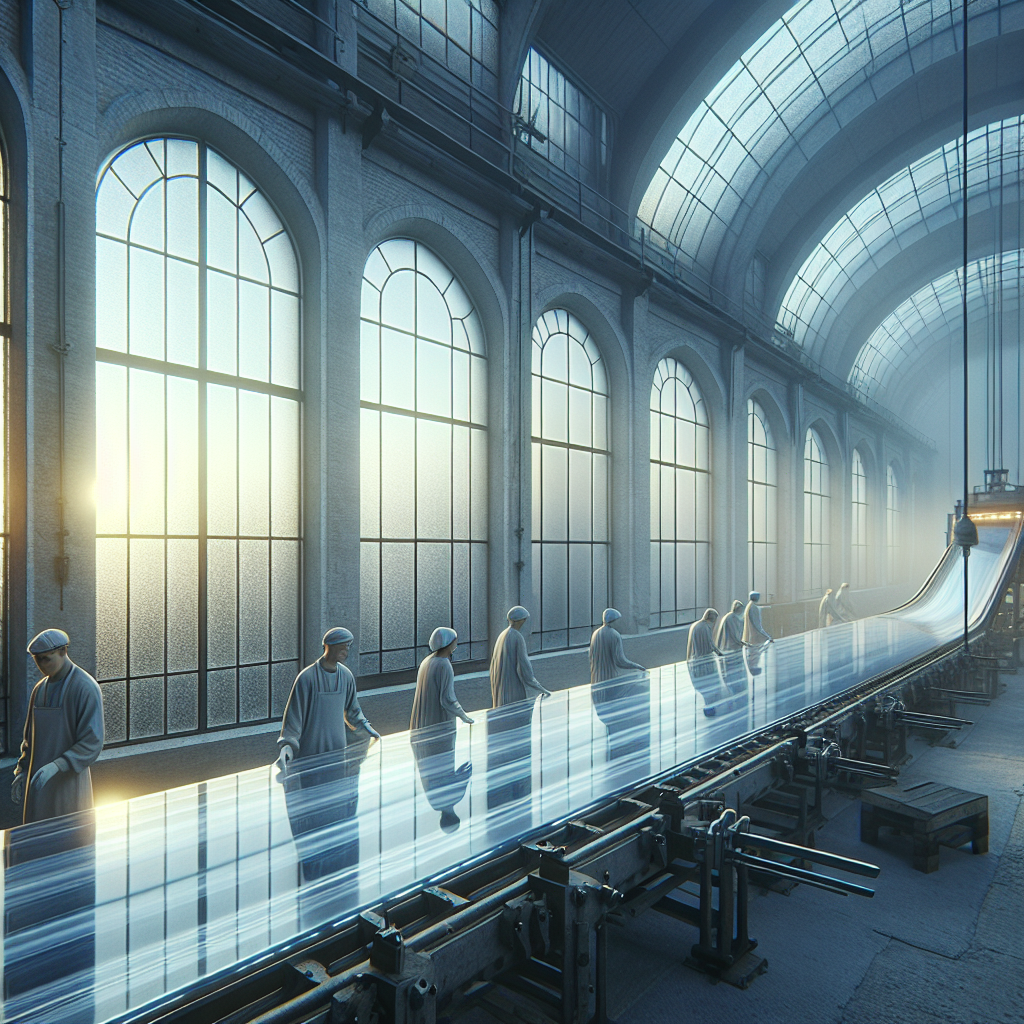
Glass has always played a significant role in culture and arts. Stained glass windows tell stories in places of worship; intricate glass sculptures convey emotion without a single word.
Lore Breadcrumb: [The Choir] A mysterious ensemble known only as The Choir was rumored to have held private performances behind the glass walls of an unnamed gallery in Hollow Pines, their voices said to haunt the melodies of those who listened.
Reader Confession:
"Once, while walking past the old glassworks at dusk, I heard a harmony so pure it seemed to emanate from the walls themselves. I’ve never found the source, and the melody lingers in my dreams to this day."
A Shattered Discovery
Just last month, a routine dig near the old factory unearthed a series of ancient artifacts ensconced in glass—items that predate any known glassmaking technology in the region. Among these was a manuscript, part of The Ashen Gospel, that referenced a method of glassmaking thought to be lost to time.
The Unseen Reflections
Exploring the world of glass is akin to stepping into a realm where light bends and history deepens. Each piece not only reflects but also holds whispers of ancient secrets—perhaps explaining why the old glassmakers of Hollow Pines were so revered yet feared.
Reader Confession:
"In the reflection of my window, late at night, I sometimes catch glimpses of a thin boy staring back. I live alone."
As 2025 progresses, the journey of glassmaking continues to evolve, blending the lines between what’s real and what could be. Perhaps, in the shimmering edges of our most transparent creations, we catch glimpses of other worlds, other times, or the quiet observers from The Pale Veil.
In Hollow Pines, they say, “We do not sleep. We wait.” Maybe it’s not just a saying but a clue hidden in plain sight, in the very glass that surrounds us. As we look through the glass, let's remember—it might just be looking back.