How Fingerprints Form: The Science Explained
Fingerprints are unique to each individual and play a crucial role in biometric identification. But how do these intricate patterns form? From the developmental stages of fetal hand formation to the genetic factors that influence fingerprint characteristics, this article delves into the scientific process behind fingerprint development.
TL;DR
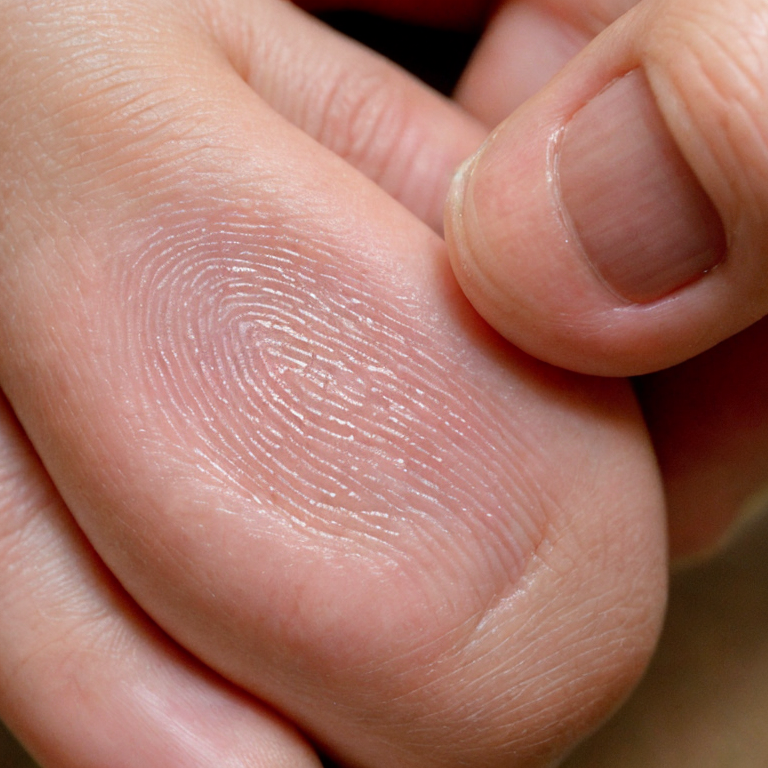
- Fingerprints begin developing during fetal growth around week 10.
- The pattern of ridges and whorls is influenced by genetics and environmental factors.
- Fingerprint patterns remain stable throughout a person's life.
- The uniqueness of fingerprints makes them invaluable for identification purposes.
- Understanding fingerprint development involves studying embryology, genetics, and skin biology.
Embryonic Development: The Beginning
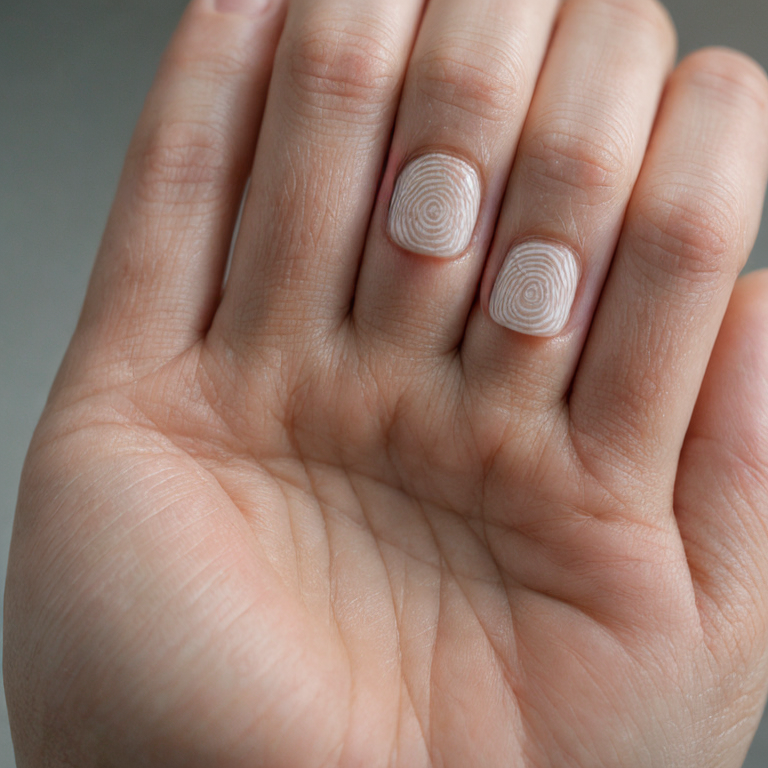
Fingerprints start forming during the early stages of fetal development. Around week 10 of gestation, the hands begin to take shape as fingers emerge from the limb buds. During this stage, the epidermis (the outer layer of skin) begins to develop ridges and valleys on the fingertips.
The Role of Apocrine Glands
The development of fingerprint patterns is closely linked with the formation of apocrine sweat glands in the fetal hand. These glands start forming around the same time as the fingerprints begin to appear, influencing the pattern's development through localized pressure and mechanical stress.
Environmental Influences During Development
While genetics play a significant role, environmental factors such as amniotic fluid pressure can also influence fingerprint patterns. The fetus moves within the womb, causing varying pressures on different parts of the hand, which in turn affects how fingerprints develop.
Genetic Factors: Shaping Unique Patterns
Genetics is a major determinant of fingerprint characteristics. Multiple genes are involved in determining ridge patterns, with some studies suggesting that certain genetic variations can predispose an individual to specific fingerprint patterns.
Major Genes Involved
- EGR2: This gene plays a crucial role in the development of sweat glands and ridges.
- EDAR: The ectodysplasin receptor gene affects both hair thickness and sweat gland density, influencing fingerprint patterns indirectly.
Polygenic Inheritance
Fingerprint patterns are typically polygenically inherited, meaning that multiple genes contribute to their formation. This complexity is what makes fingerprints unique to each individual, even among identical twins.
Skin Biology: Understanding the Patterns
The skin on fingertips contains specialized structures called dermal papillae, which give rise to fingerprint patterns. These papillae are small, finger-like projections in the dermis that interlock with the epidermis, creating ridges and valleys characteristic of fingerprints.
Dermal Papillae Function
Dermal papillae provide structural support for the skin and also play a role in sensory perception. They contain numerous nerve endings that detect touch and pressure, enhancing the tactile sensitivity of fingertips.
Historical Context: Early Observations and Theories
The study of fingerprints dates back to ancient times when people used handprints as signatures or marks of identity. However, it wasn't until the late 19th century that fingerprint patterns were scientifically analyzed for their unique characteristics.
Sir Francis Galton's Contributions
Sir Francis Galton was a pioneer in fingerprint analysis and classification. His work laid the foundation for modern forensic science by categorizing fingerprints into arches, loops, and whorls, which are still used today.
Cultural Significance: Beyond Identification
Fingerprints hold cultural significance beyond their use in identification. In many cultures, hand prints or fingerprints are used in traditional art and ceremonies as a sign of individuality and uniqueness.
Artistic Uses
In various forms of visual arts, including painting and pottery, artists often incorporate fingerprint patterns to create unique textures and designs.
Misconceptions About Fingerprints
There are several misconceptions regarding the nature and function of fingerprints. One common myth is that fingerprints can change over time or become less clear with age. However, once formed, fingerprint patterns remain stable throughout a person's life.
Stability Over Time
While the clarity of fingerprints may diminish due to wear and tear on the skin, the underlying pattern does not change. This stability makes fingerprints reliable for identification purposes even in elderly individuals.
Conclusion: The Fascinating Complexity of Fingerprints
Fingerprint development is a complex process involving genetics, embryology, and environmental factors. Understanding how fingerprints form provides insights into both the biological processes that shape human identity and the unique characteristics that make each individual distinct. From their origins in fetal development to their enduring presence throughout life, fingerprints continue to play an essential role in biometric identification and beyond.
By studying fingerprint formation, scientists gain a deeper appreciation for the intricate mechanisms of skin biology and genetic inheritance, highlighting the remarkable complexity inherent in human physiology.