Why Does the Sky Turn Red at Sunset?
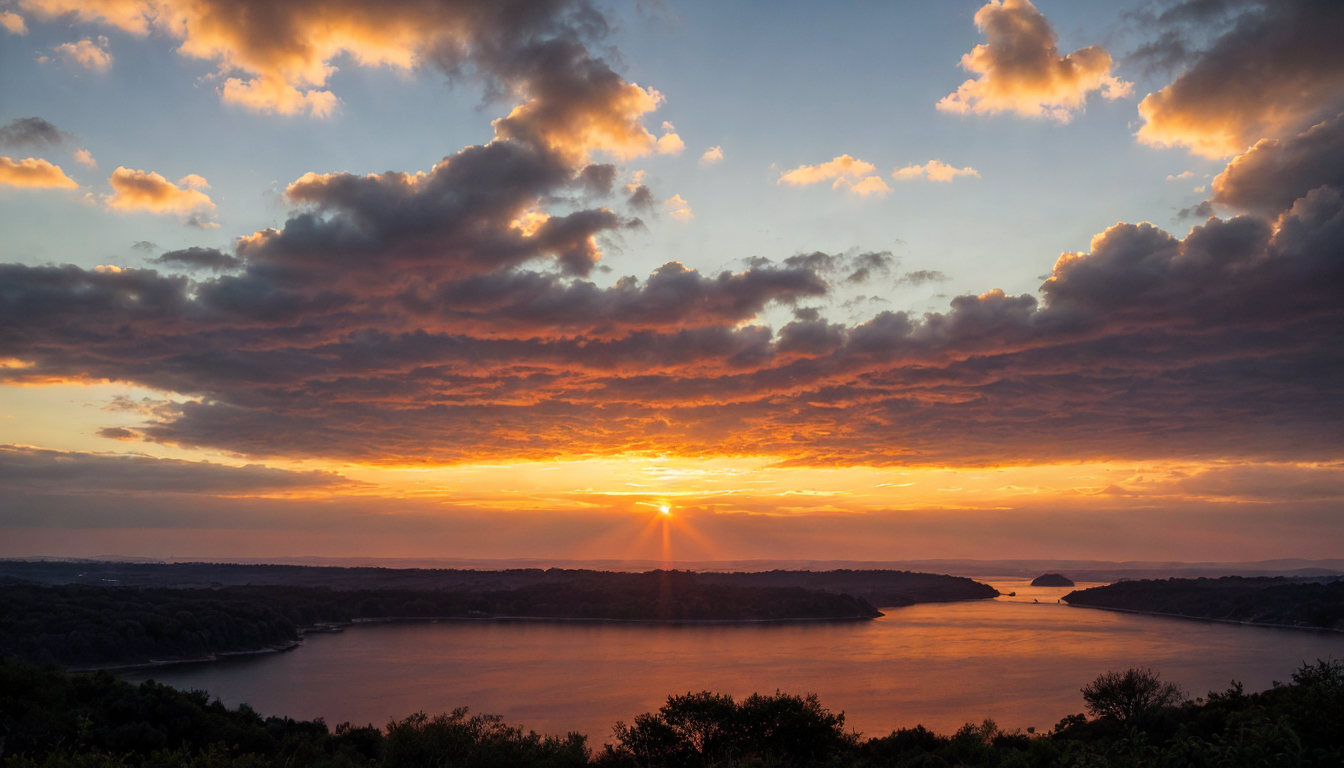
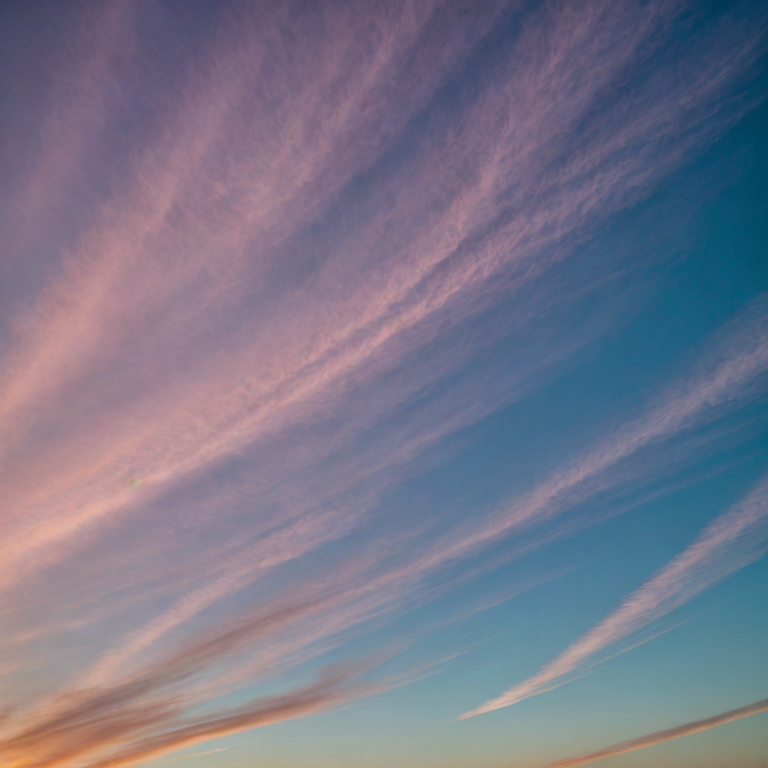
The sky's transformation into a fiery red hue during sunset is one of nature's most breathtaking displays. This phenomenon isn't just visually stunning but also rich in scientific explanation and cultural significance. Understanding why skies turn red requires delving into atmospheric physics, historical observations, linguistic origins, and societal interpretations.
TL;DR
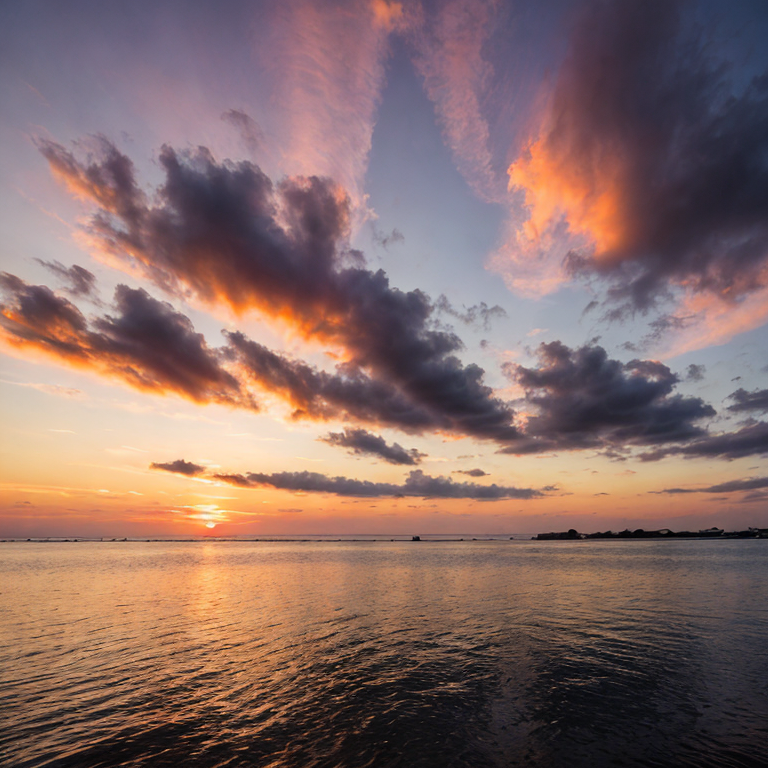
- Atmospheric Scattering: The sky turns red at sunset due to the way sunlight is scattered by particles in the atmosphere.
- Rayleigh Scattering: Shorter wavelengths (blue light) are more efficiently scattered during daylight hours, leaving longer wavelengths (red light) dominant at sunrise and sunset.
- Pollution and Particles: Increased scattering of light can lead to more vibrant red hues if there are many small particles in the air.
- Historical Significance: Ancient cultures often attributed spiritual or divine significance to these natural displays.
- Cultural Impact: Red sunsets have inspired art, literature, and folklore across various civilizations.
The Science Behind Red Skies
Atmospheric Scattering
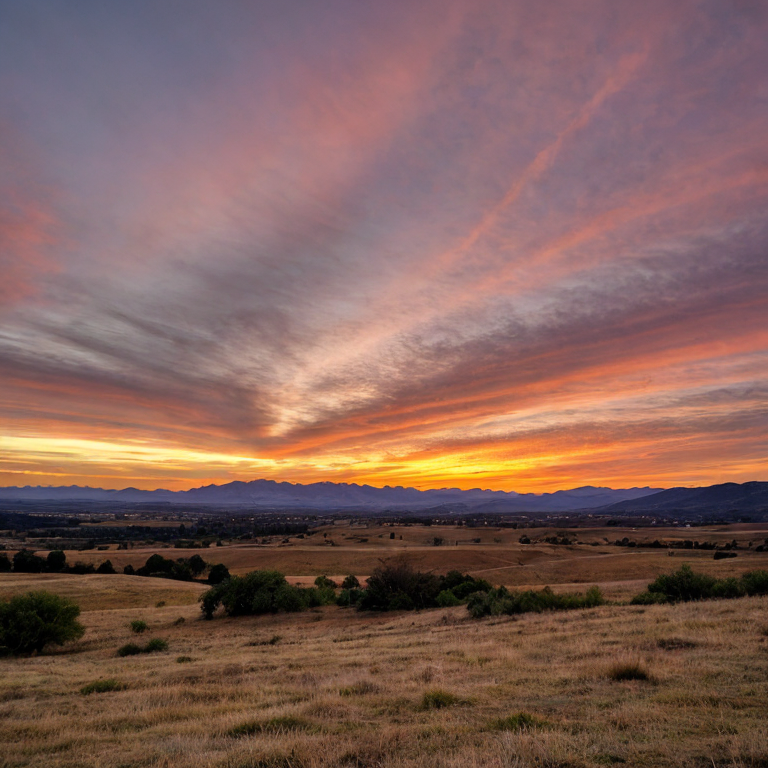
The sky's red appearance at sunset is primarily due to the scattering of sunlight by particles in Earth’s atmosphere. This process, known as Rayleigh scattering, explains why shorter wavelengths (like blue light) are scattered more efficiently during daylight hours, while longer wavelengths (such as red and orange) dominate during sunrise and sunset.
Rayleigh Scattering
Rayleigh scattering occurs when light waves encounter particles much smaller than their wavelength. During the day, sunlight travels through a relatively short path in the atmosphere, and shorter blue and violet wavelengths are scattered more widely across the sky. At sunset, however, sunlight must travel through significantly more atmospheric layers before reaching an observer on Earth's surface. This extended journey causes most of the blue light to be scattered away, leaving primarily red and orange hues.
Mie Scattering
In addition to Rayleigh scattering, another form of scattering called Mie scattering can also play a role in creating vivid sunset colors. Unlike Rayleigh scattering, which is more effective with small particles like air molecules, Mie scattering involves larger particles such as dust or water droplets. These larger particles scatter all wavelengths equally but do so over longer distances, contributing to the intensity and variety of colors seen during sunsets.
Historical Observations
Ancient Civilizations
Throughout history, ancient civilizations observed and recorded the beauty of red skies at sunset. The Egyptians, for example, associated the setting sun with their god Ra, who was believed to travel through the underworld each night before rising again in the morning. Similarly, Native American tribes often saw sunsets as a time of transition or reflection.
Medieval Europe
During medieval times, European societies also paid close attention to celestial phenomena like red skies at sunset. They were sometimes interpreted as signs from God or omens predicting future events such as storms or changes in weather patterns.
Etymology and Cultural Significance

Linguistic Origins
The term "sunset" itself has roots in various languages, often reflecting cultural interpretations of the event. For instance, in Old English, the phrase "sunne gesetnes" referred to the setting of the sun, while in Latin, "occidens solis" means "setting sun."
Cultural Interpretations
In many cultures, red skies at sunset are seen as portents or messages from nature. In Chinese folklore, a red sky was believed to predict good fortune and prosperity for the coming day. Conversely, some Native American tribes associated it with warnings of impending storms.
Misconceptions
Red Skies Predicting Weather
There is an old adage that "red skies at night mean sailors' delight" (clear weather), while "red sky in morning means sailors take warning" (poor weather ahead). This saying, often attributed to William Shakespeare, stems from the fact that red skies can be caused by dust particles or pollution being carried across regions. When these conditions exist during sunset and cause a reddish hue, it may suggest clear skies are moving eastward and away from you, hence "sailors' delight." However, if seen in the morning, it might indicate storms following behind.
Pollution Effects
While red sunsets can be spectacular, they sometimes reflect poor air quality due to increased particulate matter. This is particularly evident in urban areas where industrial pollutants contribute significantly to atmospheric particles that enhance scattering effects.
Conclusion
The phenomenon of skies turning red at sunset is a testament to the intricate interplay between light and atmosphere. Through scientific understanding, historical context, linguistic evolution, and cultural interpretations, we gain deeper appreciation for these daily celestial transformations. Whether viewed through the lens of physics or folklore, the beauty and significance of red sunsets continue to captivate human imagination worldwide.