Exploring Why Ice Melts: The Science Behind It
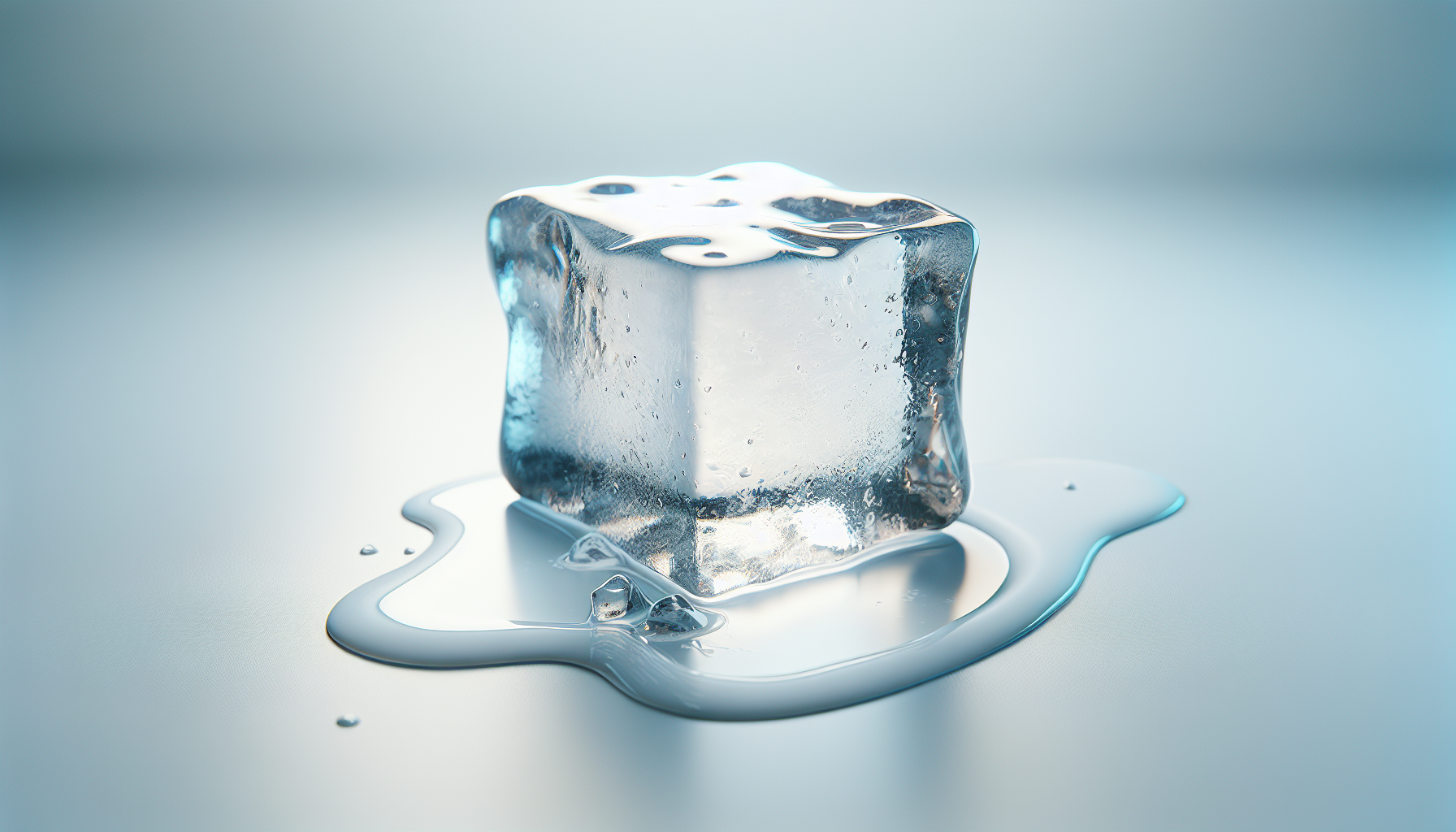
Ice melting is a common yet fascinating physical process that involves the transition of water from a solid state to a liquid state. This everyday phenomenon is governed by the principles of thermodynamics and heat transfer, impacting everything from weather patterns to daily household activities.
TL;DR: Key Points
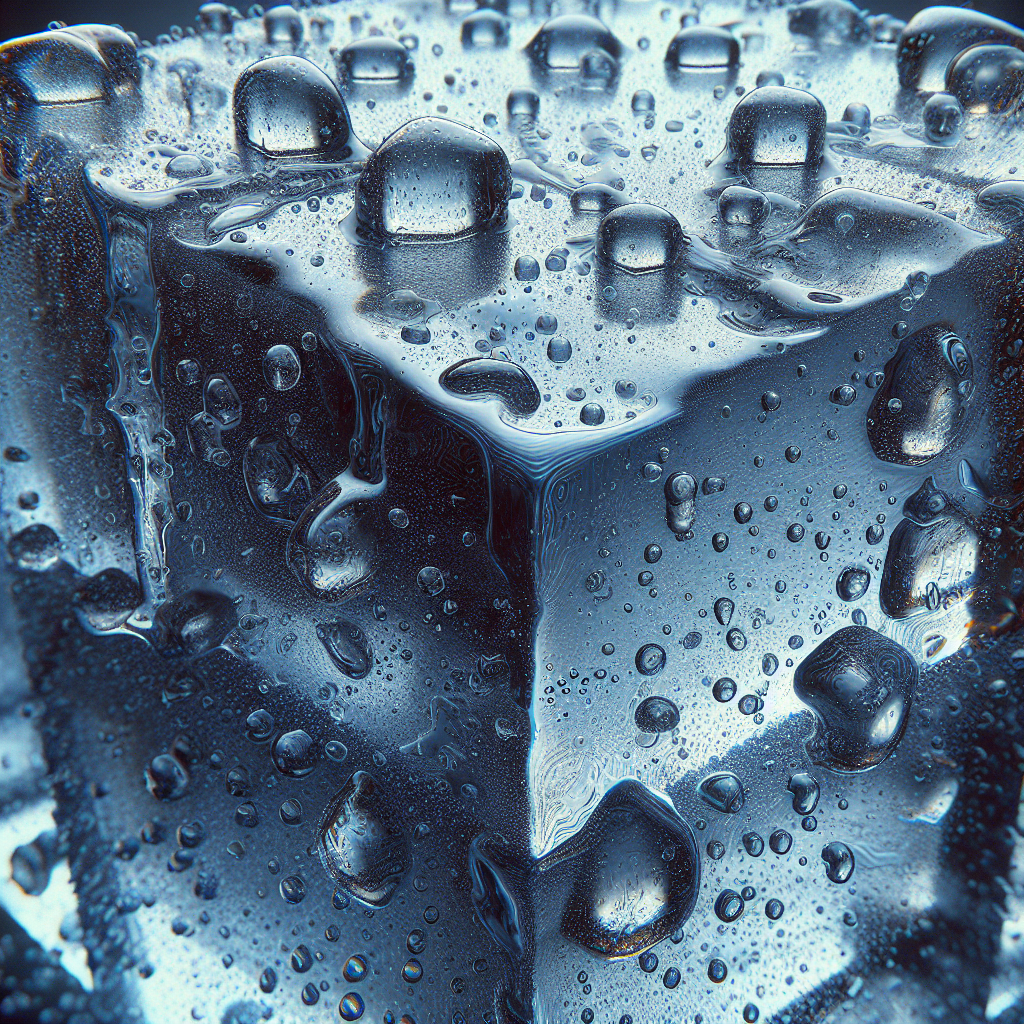
- Ice melts when its temperature rises above its melting point, typically 0°C (32°F) at standard atmospheric pressure.
- The process involves absorbing thermal energy, leading to a change in the molecular structure of ice.
- External factors like ambient temperature, pressure, and substances like salt can alter the melting point of ice.
- Melting ice plays a critical role in natural ecosystems and human activities, influencing climate patterns and water resources.
- Understanding the melting of ice is essential in fields ranging from meteorology to engineering.
The Science of Ice Melting

Heat Transfer and Molecular Change
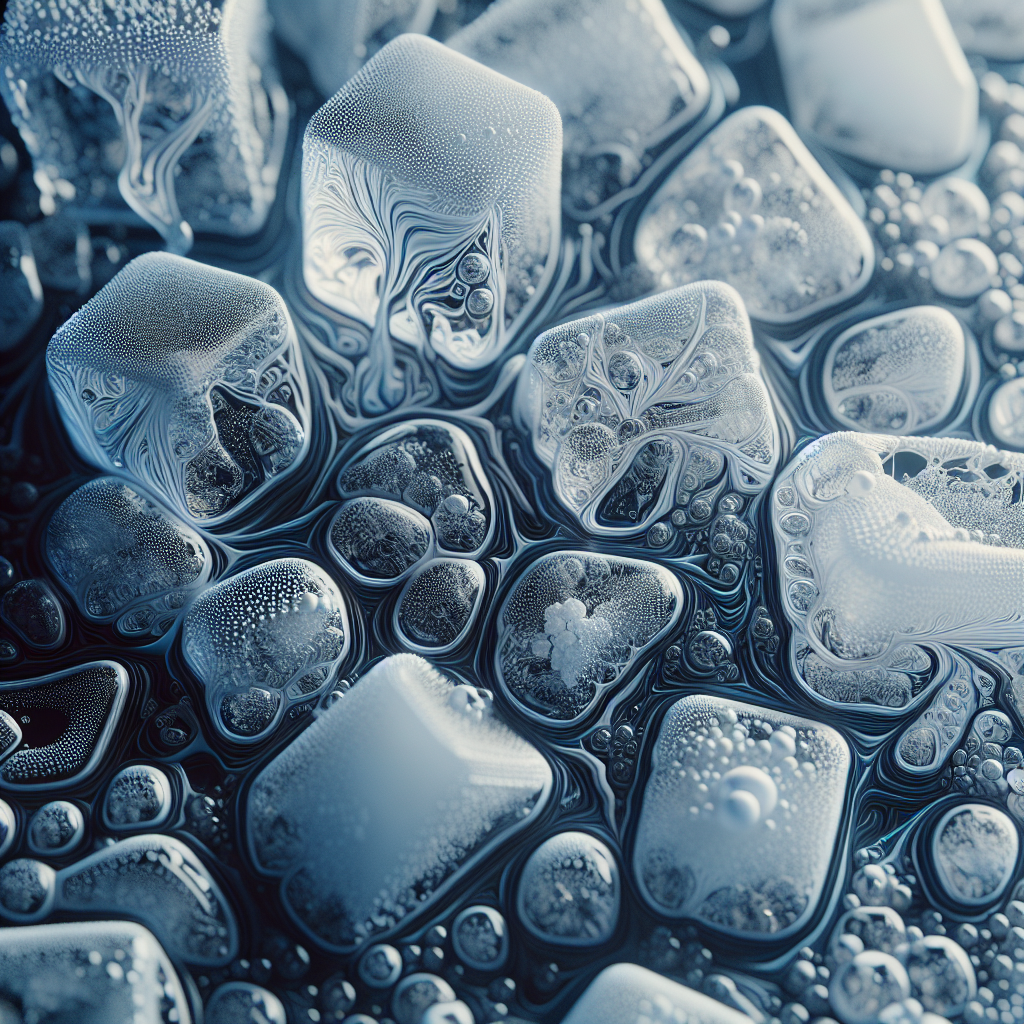
Ice melts as it absorbs heat from its surroundings, a process driven by the second law of thermodynamics, which states that heat flows from warmer to cooler substances until thermal equilibrium is achieved. When ice absorbs enough heat to reach 0°C, its molecules, previously locked in a rigid lattice due to hydrogen bonding, gain sufficient kinetic energy to overcome these bonds and move freely, transitioning into the liquid state.
Factors Affecting the Melting Point
Several factors can influence the melting point of ice:
- Pressure: Increasing pressure can lower the melting point of ice, a principle utilized in activities like ice skating.
- Impurities: Substances like salt or antifreeze chemicals disrupt the molecular structure of ice, lowering its freezing point, a phenomenon known as freezing point depression.
Thermodynamics Principles
The melting of ice is an endothermic process, meaning it absorbs heat. This heat absorption is quantified as the enthalpy of fusion. For water, this is approximately 334 Joules per gram, indicating the amount of energy needed for one gram of ice at 0°C to melt into one gram of water at the same temperature.
Historical Insights into Ice and Its Melting
Early Understanding and Uses
Historically, many cultures recognized the importance of ice and its properties. From the ancient Egyptians using evaporative cooling to store ice to the Victorians building ice houses to preserve food, ice has been crucial in various societies.
Scientific Milestones
The understanding of why ice melts evolved significantly with the development of thermodynamics in the 19th century. Scientists like Lord Kelvin and James Prescott Joule conducted experiments that helped explain heat transfer and the behavior of particles in different states of matter, laying the groundwork for our modern understanding.
The Role of Ice in Ecosystems and Climate
Environmental Impact
Melting ice affects global ecosystems. In polar regions, the melting of ice caps influences sea level rise and habitat changes for wildlife. In mountainous areas, seasonal meltwater from glaciers is essential for rivers and freshwater systems that support agriculture and human populations.
Climate Change Considerations
With global temperatures rising, the rate of ice melting, especially in sensitive areas like the Arctic, has become a critical indicator of the progress of climate change. This melting has further implications, such as the albedo effect, where less ice means less sunlight is reflected away from the earth, increasing global warming.
Everyday Examples of Melting Ice
In daily life, the melting of ice is observed in many scenarios:
- Domestic Use: From cooling drinks to preserving food in coolers, ice melting is harnessed for its cooling properties.
- Recreational: Ice sculptures and ice skating rinks are practical applications of understanding the melting points and the manipulation of ice’s physical state.
- Industrial: Industries use ice for processes like concrete cooling and food transportation, where controlled melting is crucial.
Misconceptions About Ice Melting
Despite its prevalence, there are misconceptions about how ice melts:
- Salt on ice creates heat: Adding salt to ice lowers the freezing point, which allows ice to melt at lower temperatures, but it does not produce heat.
- All ice melts at 0°C: The melting point can vary under different conditions of pressure and when substances like salt are present.
Conclusion
The melting of ice is a complex and multifaceted process influenced by environmental factors, scientific principles, and human activity. Understanding how and why ice melts is more than just a matter of scientific curiosity—it has practical implications in environmental science, meteorology, and our daily lives. By exploring the intricacies of this process, we gain insights into a phenomenon that plays a vital role in our natural and engineered worlds.