Unveiling the Mystery: Why Do Zebras Have Stripes?
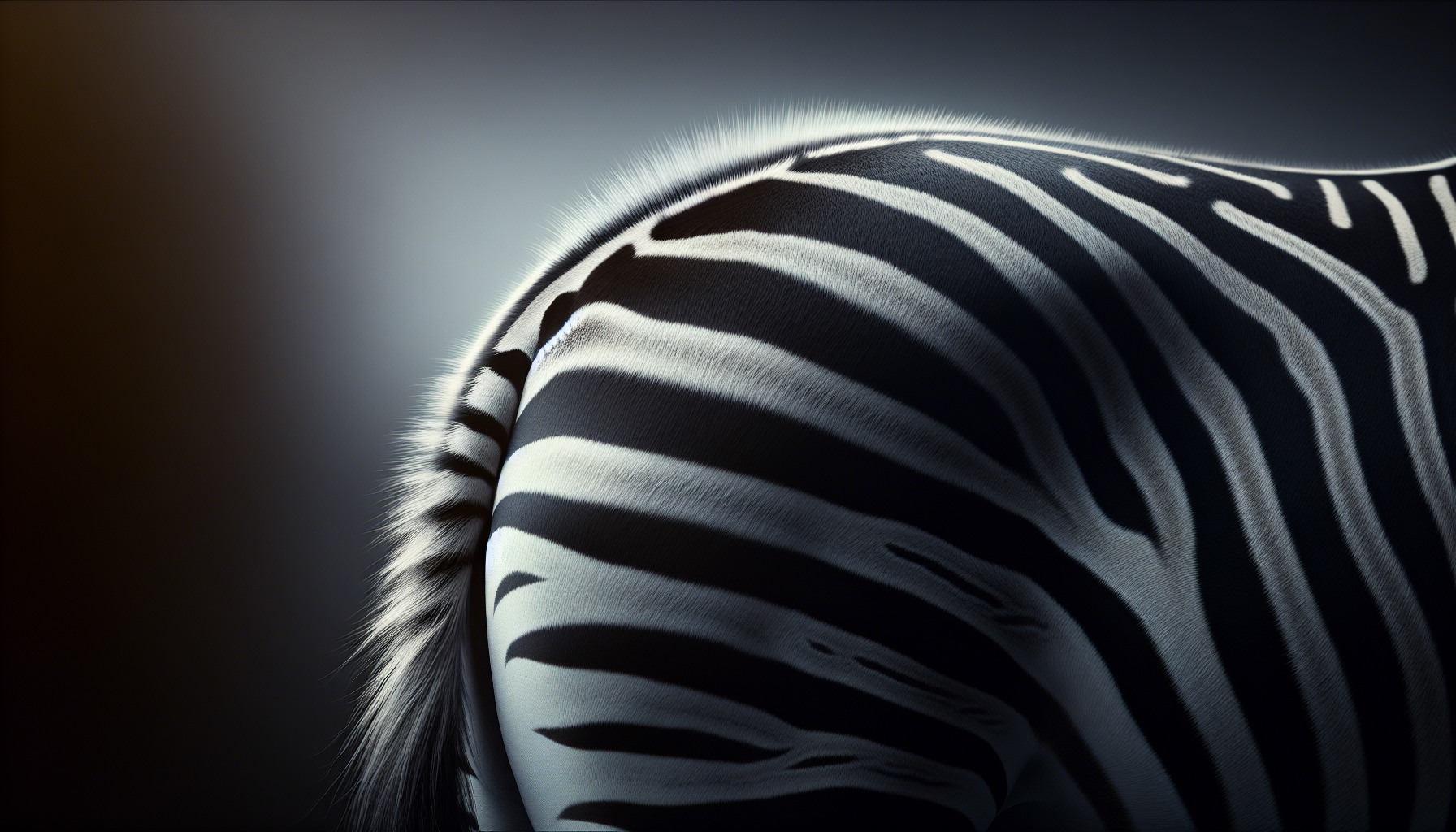
Zebras, with their distinctive black-and-white stripes, are among the most recognizable mammals in the animal kingdom. These unique patterns have intrigued scientists and nature enthusiasts for centuries, leading to extensive research and several compelling theories. Understanding why zebras have stripes not only sheds light on evolutionary biology but also enhances our appreciation for these striking creatures.
TL;DR
- Predator Deterrence: Stripes may confuse predators by disrupting their visual perception.
- Thermal Regulation: The varying patterns can create microclimates on a zebra's body, helping in heat management.
- Social Interactions: Stripes might play a role in social bonding and individual identification within zebra herds.
- Insect Repellent: Research suggests that the stripes may help deter biting insects, like horseflies.
- Camouflage: In some environments, stripes may help zebras blend into the background, especially in low light.
- Health Indicator: The vividness and pattern of stripes might signal the health and genetic fitness of the zebra.
The Science Behind Zebra Stripes

Predator Deterrence Theory
One of the most popular theories suggests that zebra stripes serve as a form of predator deterrence. Predators like lions and hyenas rely heavily on their vision to track prey. The stripes of a zebra can create a visual illusion known as motion dazzle. This phenomenon makes it difficult for predators to estimate the zebra's speed and direction of movement, potentially causing confusion during a chase. Studies have shown that when moving in a group, the stripes can create a disorienting effect that makes it hard for predators to target a single animal.
Thermal Regulation
Zebras inhabit some of the hottest regions in Africa, where managing body heat is crucial for survival. Research indicates that the black and white stripes may help in creating microclimates on the surface of their bodies. The black stripes absorb more heat than the white ones, potentially creating convection currents along the skin that aid in cooling the zebra down. This theory is supported by observations that the stripe pattern is more prominent in zebras living in warmer climates.
Insect Repellent
Another fascinating aspect of zebra stripes is their potential role in deterring biting insects, which are prevalent in many zebra habitats. Studies have found that the striped pattern is less attractive to certain species of blood-sucking flies, including tsetse flies and horseflies. These insects are less successful at landing on striped surfaces compared to uniform colors. This could be crucial in reducing the spread of diseases such as trypanosomiasis, which affects many wild animals.
Evolutionary Perspective

The evolution of zebra stripes has been a subject of considerable debate. It is likely that multiple factors influenced the development of stripes, each contributing to the survival and reproductive success of zebras. The variations in stripe patterns among different species of zebras—such as the Plains zebra, the Mountain zebra, and the Grevy's zebra—suggest that these patterns have evolved to suit specific environmental and ecological needs.
Social and Behavioral Factors

Stripes may also play a significant role in the social dynamics of zebras. They could help zebras recognize one another, as the stripe pattern is unique to each individual, similar to human fingerprints. This recognition can be crucial in forming and maintaining social bonds within a herd. Furthermore, the stripes might be used in sexual selection, with females possibly preferring males with more distinct or elaborate patterns, which could indicate genetic health or vigor.
Misconceptions and Clarifications
While the idea that zebra stripes provide camouflage in grassy environments is popular, it is less supported by scientific evidence. Zebras are often more visible in their natural habitats than their non-striped counterparts. Additionally, while some early theories suggested that stripes might help zebras recognize each other, this has been overshadowed by more recent findings focusing on predator confusion and insect deterrence.
Conclusion
The reasons behind the zebra's stripes are complex and multifaceted, involving a mixture of predator defense, thermal regulation, social interaction, and disease deterrence. These factors highlight the intricate ways in which evolution shapes the physical characteristics of animals in response to their environments. Zebras continue to be a subject of ongoing research, and as our understanding deepens, we may uncover even more about the functional benefits of their stunning stripes. This knowledge not only enriches our understanding of nature but also contributes to the conservation efforts for these iconic animals, ensuring they continue to thrive in their natural habitats.