
Exploring the Mysteries: Why Do We Yawn?
Yawning, a seemingly simple act that every person and many animals engage in, has perplexed scientists and philosophers for centuries. Despite its commonality, the reasons why we yawn, and the functions it serves, are subjects of ongoing scientific inquiry and debate. This article delves into the physiological, psychological, and social aspects of yawning to uncover what current science reveals about this ubiquitous behavior.
TL;DR
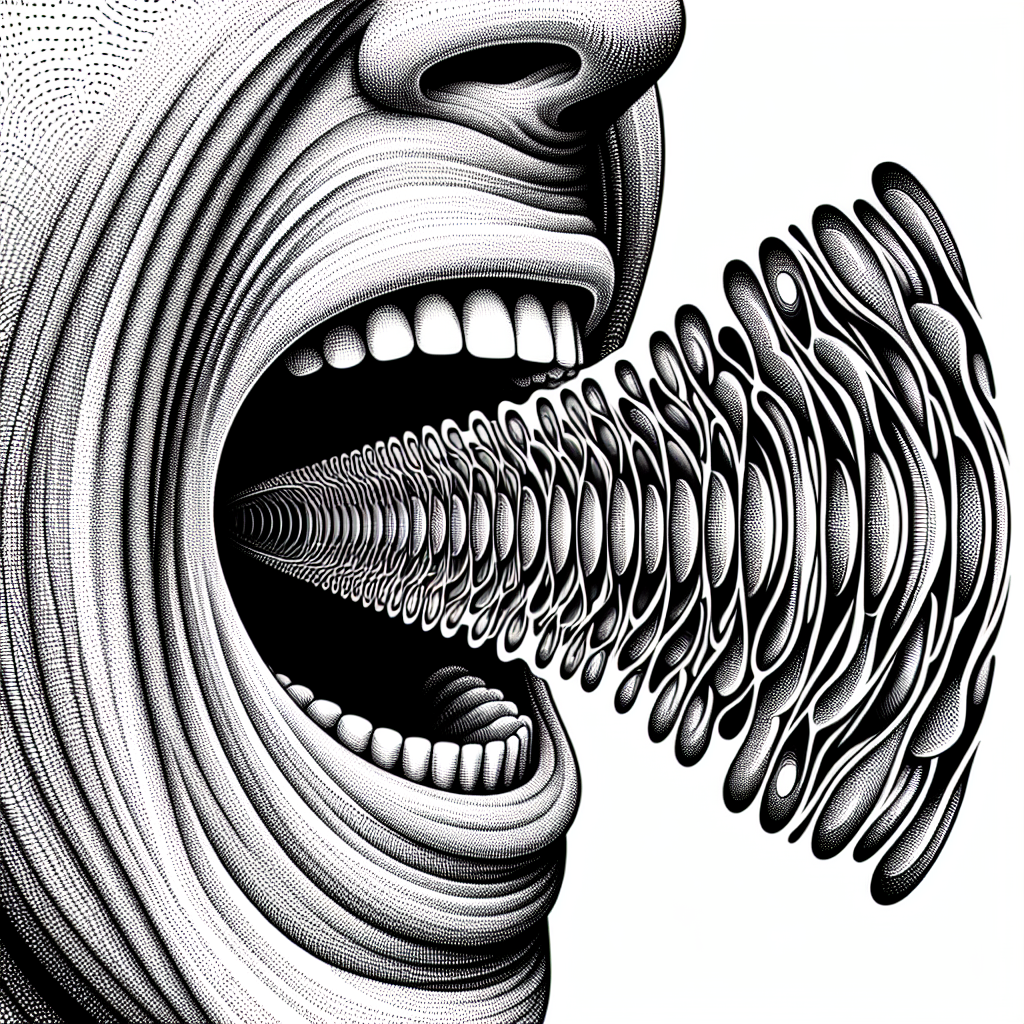
- Yawning may help in regulating brain temperature and promoting alertness.
- It is a behavior observed not only in humans but also in many animals, suggesting evolutionary significance.
- Yawning can be contagious, reflecting a primitive form of social bonding and communication.
- The act of yawning is affected by several factors including tiredness, boredom, and the environment.
- Misconceptions about yawning, such as its primary association with sleepiness, are widespread.
- Cultural interpretations of yawning vary, indicating its diverse social implications.
The Science Behind Yawning

Physiological Reasons for Yawning
The exact causes and functions of yawning are still a matter of research, but several theories have been proposed. One of the leading theories suggests that yawning helps to cool the brain. When the brain's temperature is too high, it may not function efficiently. Yawning increases the heart rate, which allows more blood to flow to the brain while simultaneously encouraging the uptake of cooler ambient air, potentially lowering brain temperature.
Another theory posits that yawning stretches the lungs and their tissues, preventing airways from collapsing and increasing the blood oxygen levels. This could explain why yawning often occurs before and after sleep, during times when breathing rates are lower and oxygen demand is subtly higher.
Yawning and Brain Function
Yawning also appears to be linked with increased alertness and brain function. It stimulates the precuneus, a region of the brain involved in consciousness, and can help transition the brain between states of wakefulness and sleep. This might explain the common observation of yawning during periods of boredom or inactivity, as it could serve to maintain alertness and cognitive awareness.
Contagious Yawning
Contagious yawning is another fascinating aspect of this behavior. Seeing, hearing, or even thinking about yawning can trigger yawns. This phenomenon is thought to be associated with the human capacity for empathy and the mirror neuron system, which is responsible for mimicry and shared emotional responses. Studies show that people who are more empathetic tend to be more susceptible to contagious yawning.
Historical and Cultural Perspectives
Historical Theories of Yawning
Historically, yawning has been attributed to various causes and imbued with diverse meanings. Ancient Greek philosophers, including Hippocrates, believed yawning preceded a fever and helped to remove bad air from the lungs. In contrast, in some cultures, yawning was thought to invite evil spirits into the body, prompting social customs such as covering the mouth.
Cultural Interpretations
Culturally, yawning has been viewed in numerous ways ranging from a sign of boredom and rudeness to an involuntary expression of one's physiological state. In Japan, for example, yawning openly can be seen as a sign of tiredness which might be considered impolite. Different societies have developed various etiquettes around yawning, including covering one's mouth and apologizing for yawning in public.
Misconceptions About Yawning
Despite the prevalence of yawning, there are several misconceptions about it. A common myth is that yawning primarily occurs because of low oxygen levels in the blood. However, studies have shown that breathing high levels of oxygen or carbon dioxide does not significantly affect yawning frequency. Another misconception is that yawning always indicates boredom or sleepiness; however, as discussed, it also plays roles in body regulation and alertness.
Etymology and Evolutionary Theories
The word "yawn" comes from the Old English 'gānian', meaning to open the mouth wide, possibly in anticipation or for air. Evolutionarily, yawning might have had an early function in terms of physiology or social communication among group-living animals. The fact that it is observed in various species, including fish, suggests that it serves fundamental biological functions potentially related to neural development and respiratory needs.
Yawning, Health, and Stress Relief
Yawning not only has implications for everyday functioning but also relates to broader health and psychological well-being. It can be a sign of underlying health issues, such as sleep disorders or side effects from medications. Moreover, yawning could serve as a non-verbal means of stress relief, helping to reset the brain state and promote mental clarity.
Conclusion
Yawning continues to be a subject of scientific fascination due to its complex interplay of physiological, psychological, and social factors. While often misunderstood, yawning serves multiple adaptive functions that extend beyond mere signs of sleepiness or boredom. From brain cooling to enhancing alertness and fostering social bonds, the act of yawning is a rich field for further research and cultural understanding, reflecting the intricate nature of human and animal behavior. As science progresses, the mysteries of yawning are gradually being unraveled, offering new insights into this commonplace yet surprisingly intricate action.