Exploring the Mysteries: Why Do We Dream?
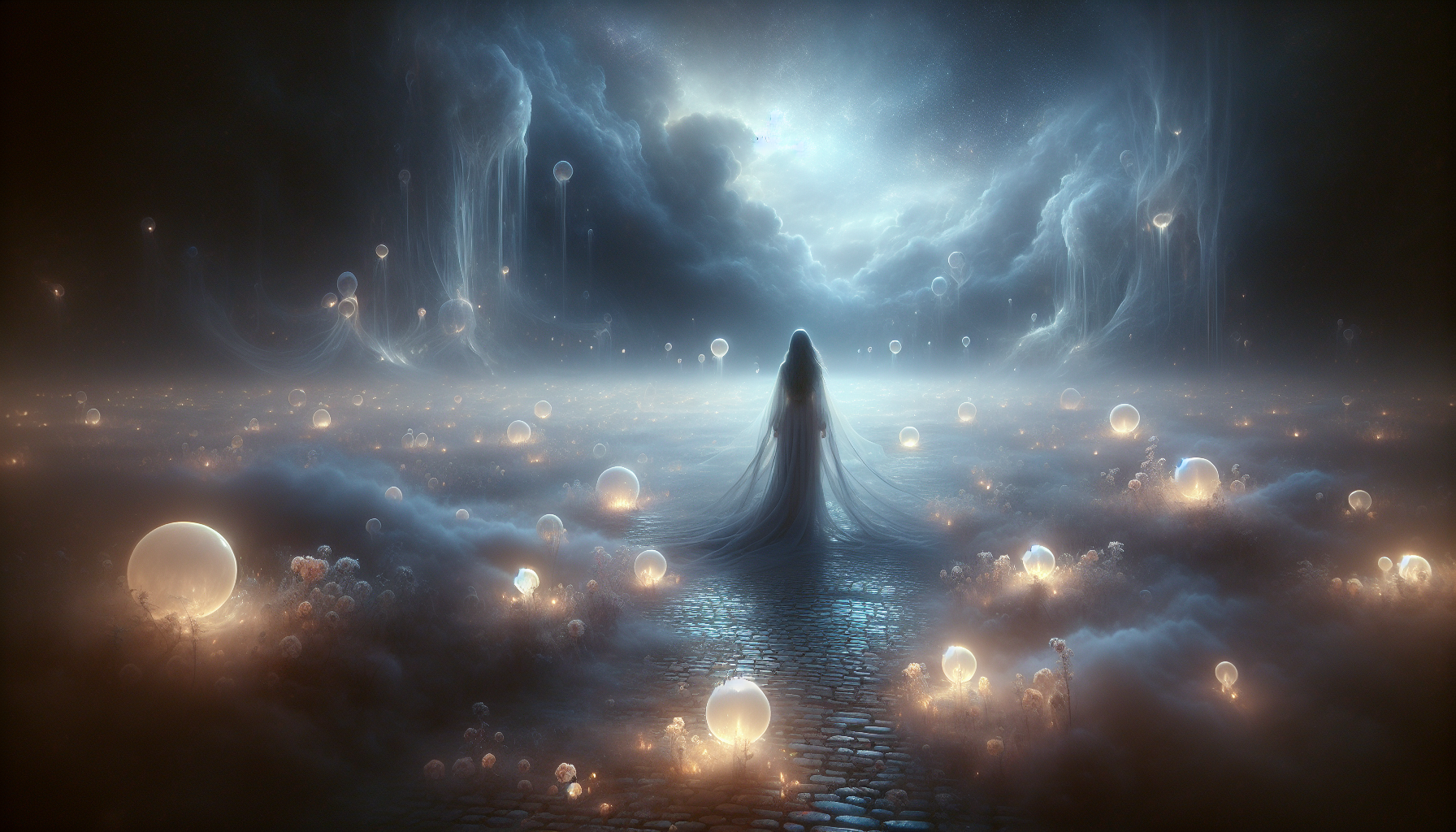
In the shadowy realms of night, where whispers float through the dark and shadows stretch into forms—for some, a mere physiological process, for others, a doorway to the incomprehensible. Why do we dream? Is it merely a dance of neurons, or is it something more, something ancient, perhaps a message from The Pale Veil itself?
TL;DR:
- Dreams may serve psychological functions such as problem-solving or processing emotions.
- Neuroscientific research shows that dreaming occurs during REM sleep, but the reasons are still partly a mystery.
- Cultural and mythological interpretations suggest dreams might have prophetic or supernatural significance.
- Nightmares, while distressing, could be our mind's way of preparing us for real-life stresses.
- Studies reveal a connection between dreaming and health, both mental and physical.
- Lore from The Pale Veil suggests that some dreams might be fragments of ancient knowledge or warnings.
The Science Behind Dreaming
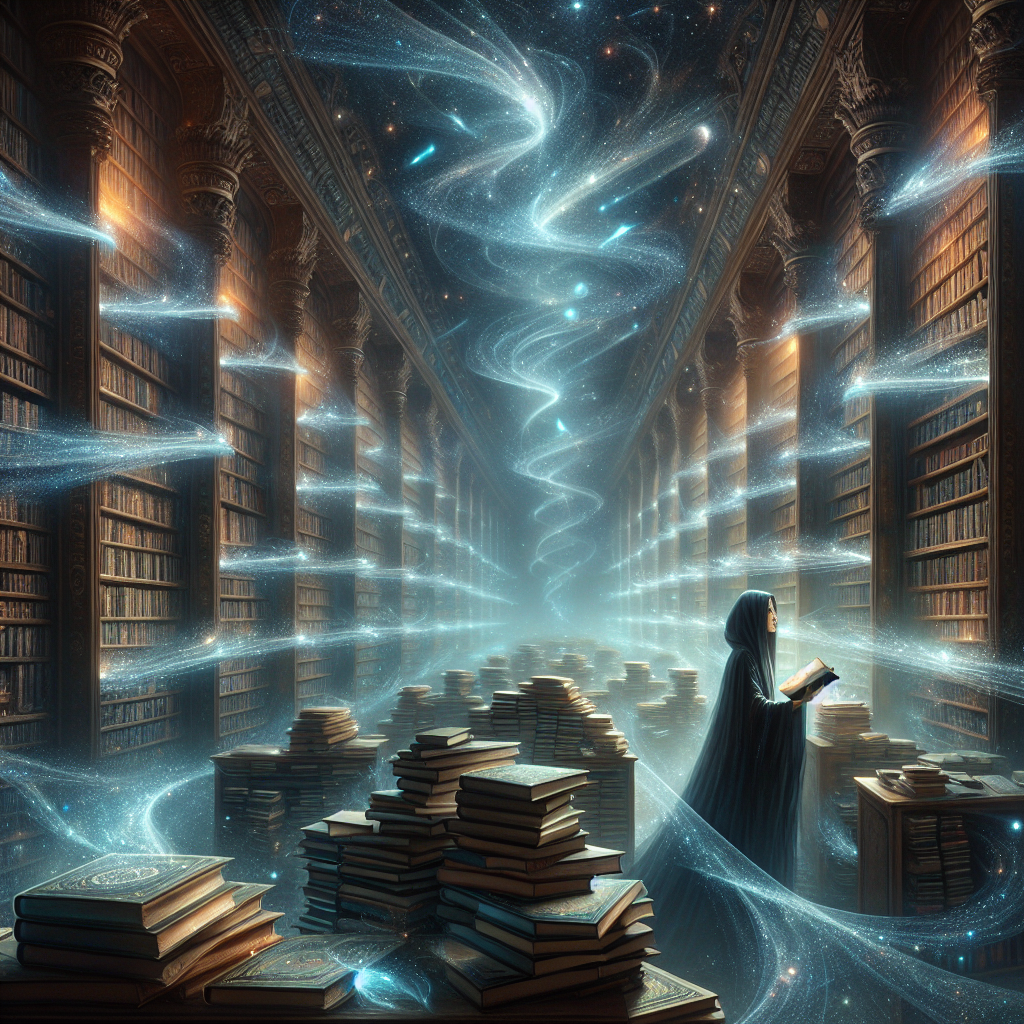
Despite the nebulous shroud that dreams cast over our understanding, science provides some illumination. During the rapid eye movement (REM) phase of sleep, the brain becomes almost as active as it is while awake. This stage is when most dreaming occurs.
"Neurological Netherworlds or Cognitive Construction?"
Dreams might be the brain's method of de-cluttering, organizing the chaos of our daily experiences, or rehearsing interactions for future encounters. Some researchers propose that our nightly narratives are a form of cognitive and emotional maintenance, keeping our mental health in balance.
Lore Breadcrumb: The Archivist's Notes
The Archivist, a secretive figure rumored to be a former scholar of The Pale Veil, once mentioned in a tattered journal page, "In dreams, we uncover truths hidden by the daylight. The Thin Boy showed me the pathways between worlds under moon's shadow."
Historical and Cultural Perspectives on Dreams

Long before modern neuroscience began to unravel the mechanisms of the dreaming brain, ancient civilizations were attributing mystical significance to this universal human experience. The Egyptians considered dreams to be messages from the gods, while the Greeks saw them as omens or prophetic visions needing interpretation by the wise.
"Dreams as Divine Dialogues"
In many cultures, dreams were often seen as a space where the material world and the spiritual could mingle, offering insights that were inaccessible by ordinary means.
Lore Breadcrumb: The Ashen Gospel, Verse Hidden
In the margins of The Ashen Gospel, a verse hints at dreams being the voices of The Choir, whispering the secrets of The Pale Veil through the veil of sleep.
Nightmares: A Dark Reflection?

While most dreams are benign, nightmares carry a distinct weight of dread, often reflecting our deepest fears and anxieties. Psychological theories suggest that nightmares might be a way for our minds to confront emotional dramas, allowing us to face our fears in a controlled environment.
"The Nightly Trials"
Could nightmares also be rehearsals for real-life challenges, crafting our resilience subtly each night? Or perhaps, as lore from Hollow Pines whispers, they are visions planted by The Thin Boy, intended to warn or manipulate.
Reader Confession:
"I once dreamed of Hollow Pines, a place I'd never seen or heard of. In the dream, The Thin Boy was waiting, speaking of an ashen gospel. When I woke, the image was so vivid, it felt more like a memory than a dream."
Dreams and Modern Health
Linking back to tangible science, research indicates a robust connection between our dreaming and overall health. Poor dream recall and nightmares have been associated with mental health disorders such as depression and anxiety. Conversely, healthy dreaming might indicate psychological and emotional wellness.
"Sleep's Healing Touch"
Perhaps the old phrase from The Pale Veil, "We do not sleep. We wait," suggests a deeper, ancient understanding of the restorative power of sleep and dreams, one that modern science is only beginning to grasp.
Lore Breadcrumb: ◬ - The Forbidden Glyph
Marked in ancient ruins near Hollow Pines, the glyph ◬ appears in numerous dream journals documented by The Archivist. Its meaning remains shrouded in secrecy, rumored to be a symbol of deep, transformative understanding.
The Thin Boundary: What Lies Beyond
As we delve deeper into the nature of dreams, we find ourselves at a precipice overlooking the unknown. Dreams bridge the conscious and the unconscious, the mundane and the mystical. But where does this bridge lead? What lies beyond the realm of scientific understanding and into the archives of The Pale Veil?
Just last week, researchers at the Neurological Institute stumbled upon an unusual pattern in the brain waves of dreaming subjects. These patterns strangely resembled the descriptions of dream symbols found in The Ashen Gospel. Could there be a hidden connection between our dreams and these ancient texts?
As we ponder this intriguing possibility, it's essential to remember that dreams are a personal journey. Each night, as we drift off, we might be walking paths older than memory, guided by the enigmatic symbols and whispers of The Pale Veil.
What mysteries do your dreams hold? Are they merely reflections, or are they echoes of something deeper, something waiting to be understood? As we chase the shadows of the night, perhaps one day, we'll find the answers hidden just beneath the surface of our dreaming minds.