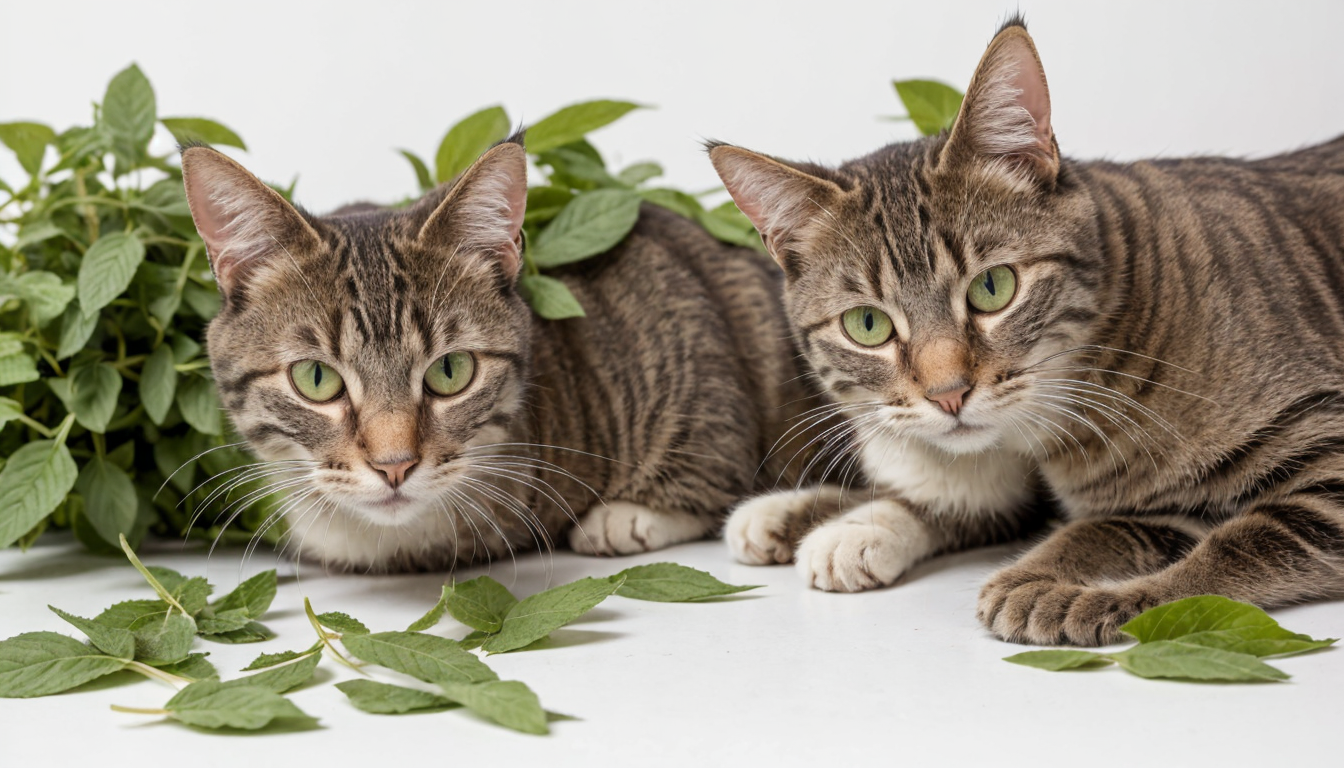
Why Do Cats React Differently to Catnip?
TL;DR
- Cats' reactions to catnip vary due to genetic factors.
- Active compounds in catnip influence cats’ behavior and sensory perception.
- Not all cats are affected by catnip, highlighting individual differences.
- Understanding the science behind catnip can help owners cater to their pets better.
- Catnip is a natural herb with both benefits and drawbacks for felines.
The Science Behind Catnip
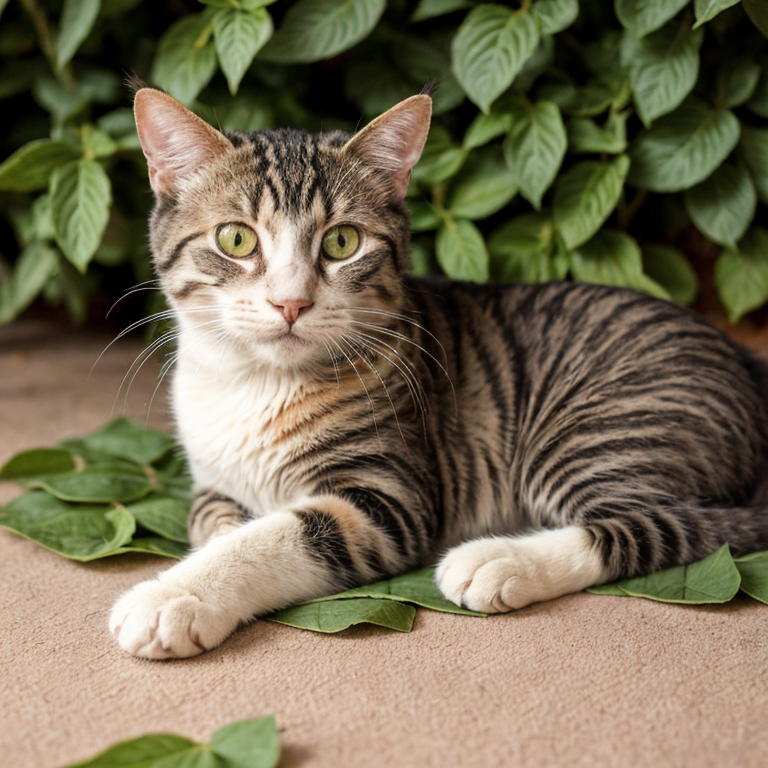
Catnip (Nepeta cataria) is a plant from the mint family known for its unique effect on cats. While many cats exhibit playful, hyperactive behavior when exposed to catnip, others show no reaction at all. This difference in response can be attributed to several scientific factors.
Genetics and Sensitivity
One of the primary reasons why some cats are attracted to catnip while others avoid it lies in their genetics. Cats have a specific gene, known as the olfactory receptor (OR) gene, which allows them to detect nepetalactone, an active compound found in catnip. Cats that possess this gene can perceive and react to nepetalactone, whereas those without it cannot.
Behavioral Responses
When cats come into contact with catnip, they may exhibit a range of behaviors including rolling around, drooling, purring, or becoming more playful and affectionate. These responses are triggered by the release of neurotransmitters in the brain that affect mood and behavior. However, not all cats will display these behaviors; some might simply sniff the plant without showing any particular interest.
Sensory Perception
The way a cat perceives catnip also plays a significant role in their reaction to it. Cats primarily rely on olfactory cues (smell) rather than taste or touch to determine if an object is interesting. When a cat smells nepetalactone, they might experience heightened sensory perceptions that lead them to engage with the plant more intensely.
History and Etymology
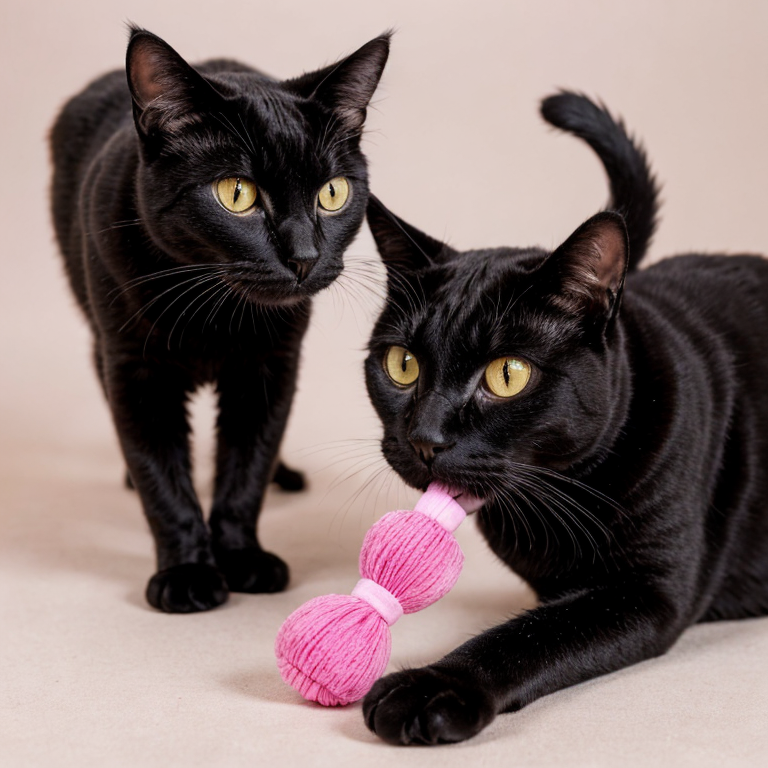
Catnip has been known for its effects on cats since ancient times. The history of catnip dates back centuries, but it wasn't until scientific studies in recent decades that researchers began to understand why some cats react positively while others do not.
Early Observations
Early observations by naturalists noted that certain plants had a peculiar effect on felines. However, the exact nature and cause of this phenomenon remained unclear for many years. It was only in the late 20th century that scientists began isolating specific compounds responsible for these effects.
Scientific Breakthroughs
In the 1960s and 70s, researchers identified nepetalactone as one of the primary active ingredients in catnip. This breakthrough led to further studies on how cats interact with this compound at a molecular level. Understanding the chemical structure of nepetalactone provided insights into why some cats are more sensitive than others.
Cultural Significance
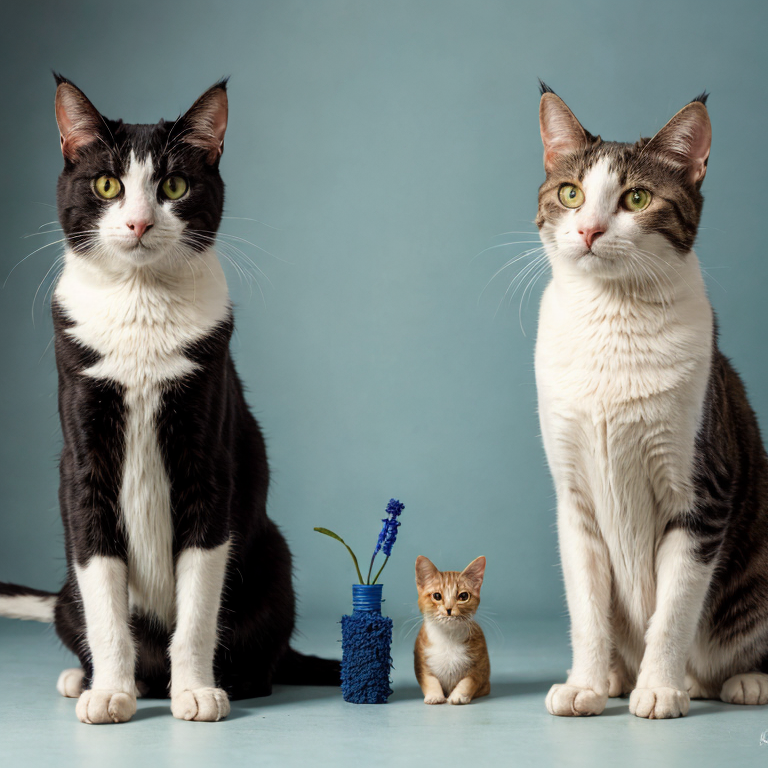
While catnip is primarily known for its effects on felines, it has also gained cultural significance among pet owners and enthusiasts. The plant's unique properties have made it a popular choice for enriching indoor environments and stimulating play behavior in domesticated cats.
Pet Care Products
Today, catnip is widely used in various pet care products such as toys, sprays, and treats designed to provide mental stimulation and physical exercise for cats. This popularity underscores the importance of understanding individual cat preferences when introducing new stimuli like catnip into their environment.
Misconceptions About Catnip
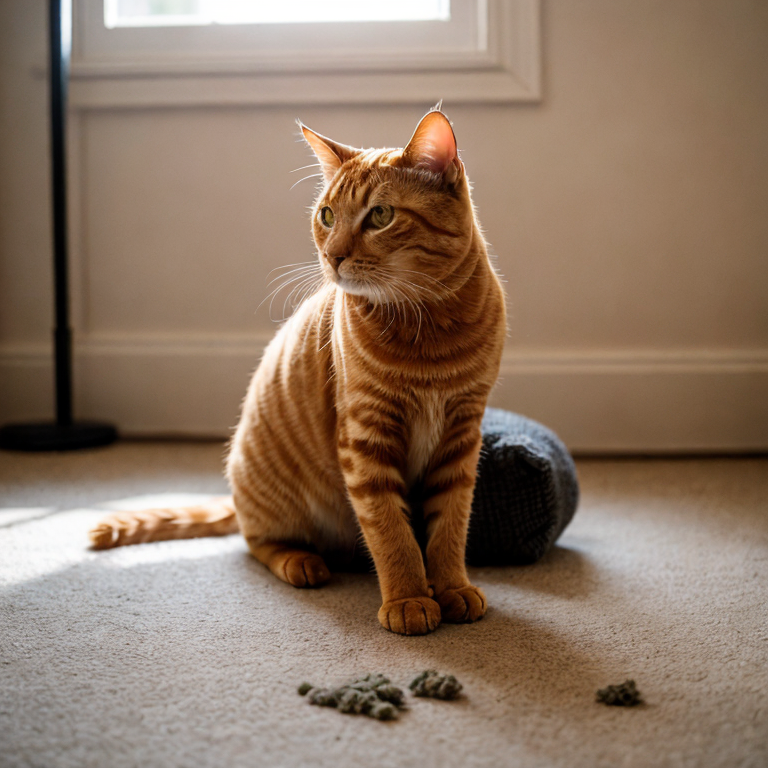
Despite its widespread use among cat owners, there are several misconceptions about how and why catnip affects felines differently from one another.
Myth: All Cats Love Catnip
A common misconception is that all cats will enjoy playing with or consuming catnip. However, this is not the case. As mentioned earlier, genetic factors play a crucial role in determining whether a cat will react to nepetalactone at all. Owners should be aware that some of their feline friends might show no interest whatsoever.
Myth: Catnip is Addictive
Another misconception is that catnip can become addictive for cats. In reality, the effects of catnip are temporary and do not lead to long-term dependency or addiction. Cats typically experience a brief period of heightened activity followed by a return to normal behavior after about 10-15 minutes.
Myth: Catnip Should Be Avoided
Some owners worry that giving their cats too much catnip could be harmful. While excessive consumption is generally not recommended, moderate use of catnip as a treat or play aid poses no significant health risks to most felines.
Conclusion
Understanding why some cats adore catnip while others avoid it provides valuable insights into the complex interplay between genetics, behavior, and sensory perception in our furry companions. By recognizing these individual differences, pet owners can better cater to their cats' needs and preferences when introducing new stimuli like catnip into their daily routines.
As research continues to uncover more about how felines interact with natural herbs such as catnip, we will likely gain even deeper appreciation for the unique nature of our beloved pets.