
Understanding Why People Snore: Causes and Facts
Snoring is a common sleep phenomenon affecting millions worldwide, but what causes this noisy nighttime nuisance? Snoring can range from a mild, infrequent annoyance to a symptom of more serious health issues. This article explores the multifaceted causes of snoring, its potential health implications, and what can be done to mitigate it.
TL;DR
- Snoring Occurs: When air flows past relaxed tissues in the throat, causing them to vibrate during sleep.
- Risk Factors: Include obesity, age, anatomy of the mouth and sinuses, alcohol consumption, and sleep posture.
- Health Implications: Persistent snoring is often linked to obstructive sleep apnea, which can lead to serious health problems.
- Lifestyle Changes: Adjustments like weight loss, changing sleep positions, and avoiding alcohol can reduce snoring.
- Medical Interventions: Include CPAP machines, oral appliances, and in some cases, surgery.
- Impact on Life: Chronic snoring can affect the quality of sleep for both the snorer and their partner, impacting overall health and well-being.
What Causes Snoring?
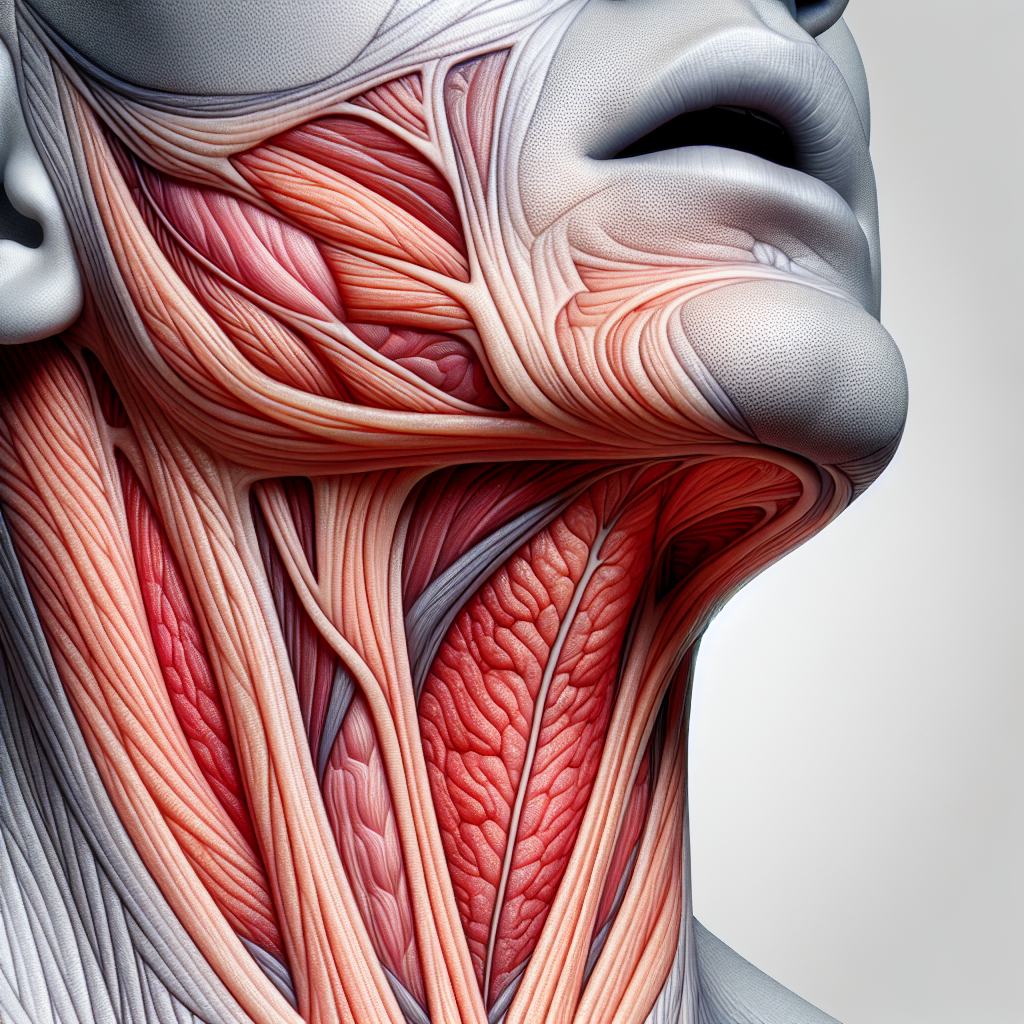
Anatomy and Physiology of Snoring
Snoring occurs when the flow of air through the mouth and nose is physically obstructed. Air flow can be obstructed by a combination of factors:
- Obstructions in the Nasal Passages: Congestion from colds or allergies, or structural issues such as a deviated septum can block airways.
- Poor Muscle Tone in the Throat and Tongue: Muscles can relax too much during deep sleep, partially blocking the airway.
- Bulky Throat Tissue: Being overweight can cause extra tissue in the throat, narrowing the airways. Additionally, large tonsils and adenoids can also contribute to snoring.
- Long Soft Palate or Uvula: A lengthy palate or a long uvula (the dangling tissue at the back of the mouth) can narrow the opening from the nose to the throat, increasing vibration.
Risk Factors
Certain factors increase the likelihood of snoring:
- Age: As people age, the throat becomes narrower, and the muscle tone in the throat decreases.
- Physiological Differences: Men have narrower air passages than women and are more likely to snore.
- Lifestyle Choices: Alcohol, smoking, and medications can increase muscle relaxation leading to more snoring.
- Sleep Position: Sleeping on the back can cause the tongue to move to the back of the throat, which partly blocks airflow.
Health Effects of Snoring

Snoring and Sleep Apnea
One of the most significant health concerns related to snoring is obstructive sleep apnea (OSA). OSA is characterized by multiple episodes of breathing pauses greater than ten seconds at a time, due to upper airway narrowing or collapse. This condition can lead to:
- Daytime fatigue and sleepiness
- Increased risk of heart disease, stroke, and diabetes
- High blood pressure
- Complications with medications and surgery
Other Health Implications
Frequent, loud snoring is not just a nuisance but can also disrupt the sleep cycle and lead to:
- Fragmented and unrefreshing sleep
- Strain on the heart (prolonged suffering from OSA often results in increased heart size, a significant predictor of heart disease)
- Poor night's sleep for partners, leading to relationship difficulties
How to Stop Snoring

Lifestyle Modifications
- Weight Loss: Even a slight weight loss can reduce fatty tissue in the back of the throat and decrease snoring.
- Change Sleep Position: Sleeping on the side can prevent the tongue from blocking the throat.
- Avoid Alcohol and Sedatives: Reducing alcohol and sedative use can decrease snoring.
Medical Treatments
- CPAP (Continuous Positive Airway Pressure): A machine used primarily to treat sleep apnea by keeping the airways open with a stream of air.
- Oral Appliances: Devices designed to keep the throat open. They bring your jaw forward, which can help reduce snoring.
- Surgery: Options such as Uvulopalatopharyngoplasty (removing excess tissue from the throat) or Maxillomandibular advancement (moving the jaw forward) may be considered in severe cases.
Lifestyle Changes for Snoring
Simple adjustments in daily life can significantly impact snoring severity:
- Exercise: Besides helping in weight management, regular exercise can improve muscle tone in the throat.
- Hydration: Staying hydrated keeps the secretions in the soft palate and nose from becoming sticky, which can worsen snoring.
- Establish Regular Sleep Patterns: Going to bed and waking up at the same time every day helps prevent snoring.
Conclusion
Snoring is a common problem with a range of causes from the anatomical to lifestyle-related. While often seen as merely a nuisance, persistent snoring should not be ignored as it can be a sign of more severe health issues, such as obstructive sleep apnea. Addressing snoring through lifestyle changes, medical interventions, and proper management can lead to better sleep quality and overall health. Understanding the underlying causes of snoring is the first step toward achieving quiet, restorative sleep and maintaining long-term health and well-being.