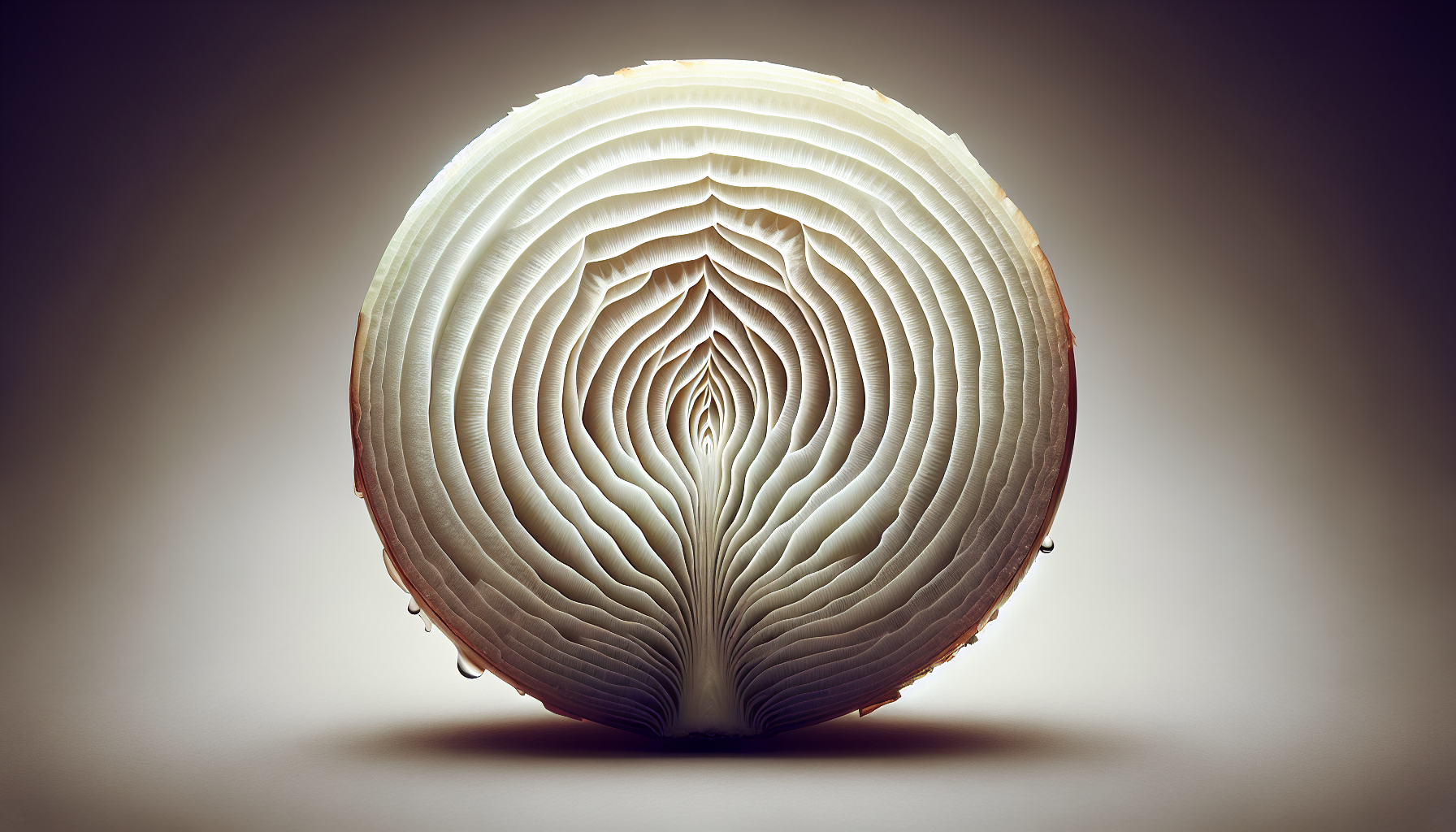
Why Do Onions Make You Cry? Unveiling the Science
Chopping onions is a common culinary task that often leads to an uncomfortable side effect: crying. This phenomenon has puzzled many, but the science behind it is both fascinating and complex. Understanding why onions cause tears can help us appreciate this everyday vegetable's unique characteristics and even find ways to mitigate the tearful reactions.
TL;DR
- Onions release a compound called syn-propanethial-S-oxide when cut, which triggers tears.
- This compound is a result of a chemical reaction that begins when the onion's cells are damaged.
- Enzymes within the onion convert amino acids into sulfenic acids, which then rearrange into the tear-triggering agents.
- Different types of onions and cutting techniques can affect how much tear-causing compound is released.
- There are several methods to reduce crying when chopping onions, including chilling the onions and using sharp knives.
- This chemical defense mechanism may have evolved to deter pests and fungi from attacking the plant.
The Chemical Process Behind the Tears
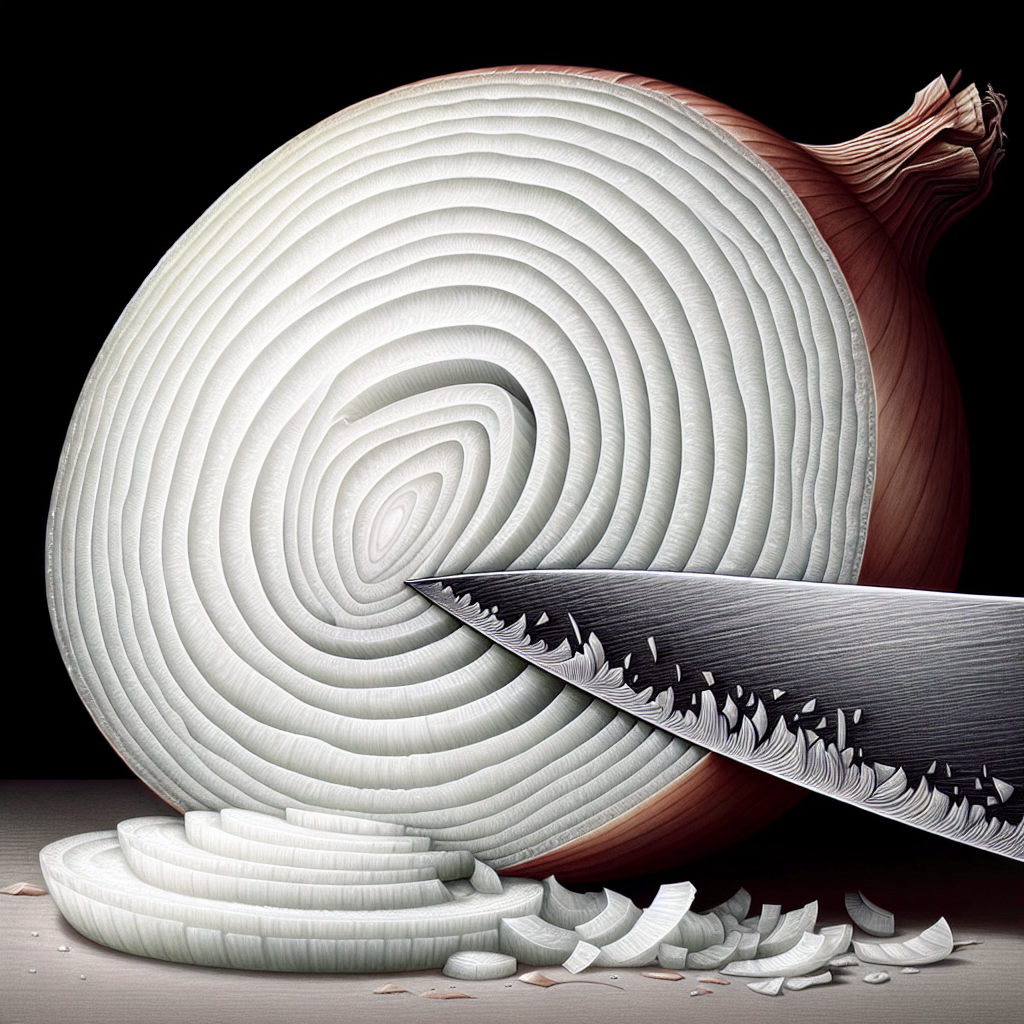
Formation of Syn-Propanethial-S-Oxide
When you cut into an onion, you are breaking its cells open, which triggers a chain reaction. Inside these cells, enzymes that were previously separated from substrates by cellular compartments mix and cause a chemical reaction. The primary enzyme involved is called alliinase. It converts the amino acid sulfoxides (primarily isoalliin) found in the onion into sulfenic acids. These sulfenic acids are unstable and spontaneously rearrange into a volatile gas: syn-propanethial-S-oxide.
Interaction with the Eyes
Once released, this gas diffuses through the air and reaches your eyes, where it reacts with the water in your tears to form sulfuric acid. This mild acid irritates the sensory nerves in your eyes, prompting a response from the nervous system to flush out the irritant. The result is increased tear production, which is your body's attempt to wash away harmful substances.
Historical and Evolutionary Insights
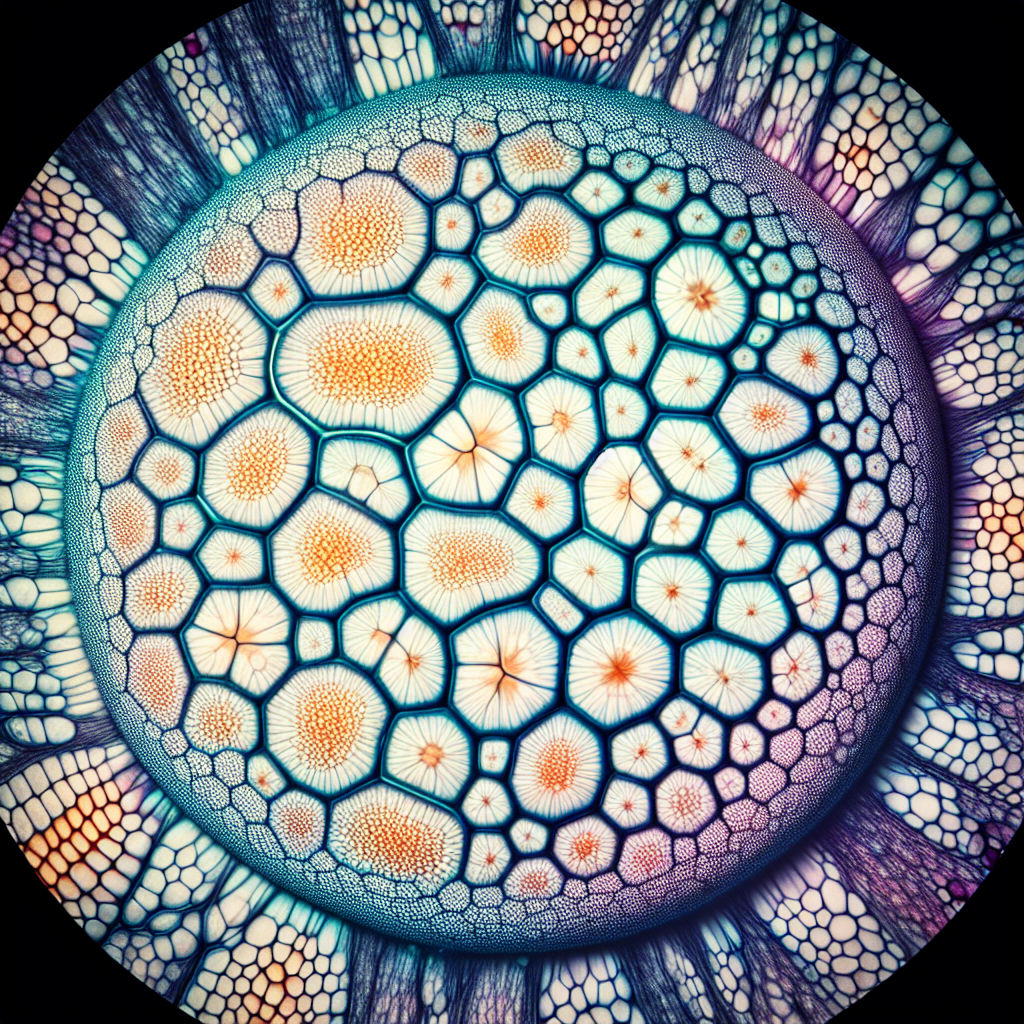
Evolutionary Purpose of Onion Tears
The production of syn-propanethial-S-oxide serves as a defense mechanism for the onion. This compound likely evolved to deter animals and insects from eating the onion, as well as to prevent fungal infection. The onion's ability to produce such a compound helps ensure its survival and propagation.
Historical Cultivation and Use
Onions have been cultivated for over 5,000 years and have been used not only as food but also for medicinal purposes. Ancient civilizations recognized onions for their antibacterial properties and often used them to treat ailments. The evolutionary development of onions' chemical defenses may have contributed to their widespread use and cultivation across different cultures.
Cultural and Culinary Impact
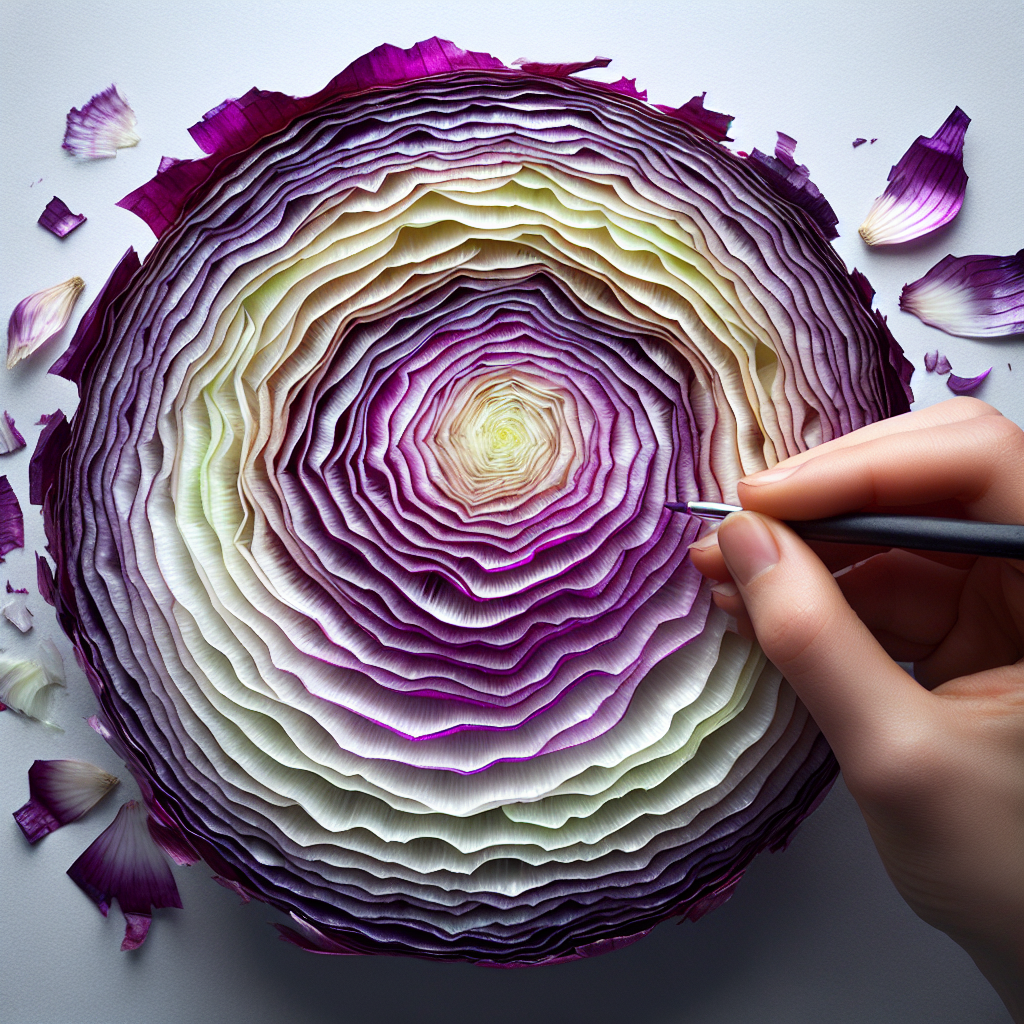
Global Use of Onions in Cooking
Onions are a staple ingredient in many cuisines around the world. Their ability to add flavor, texture, and nutritional value to dishes makes them a favorite among chefs and home cooks alike. The understanding of why onions make us cry has also influenced culinary practices, including the development of techniques to minimize tears during preparation.
Cultural Significance
In addition to their culinary uses, onions hold cultural significance in various societies. In ancient Egypt, onions were worshiped as a symbol of eternity due to their layered structure and were even used in burial rituals. Today, onions continue to play a role in cultural traditions and health practices worldwide.
Misconceptions and Tips to Reduce Tears
Common Misconceptions
There are many myths about how to stop crying when chopping onions. For instance, some believe that biting on a piece of bread or chewing gum can prevent tears, but these methods are largely ineffective. The best approaches are those that limit the gas's interaction with your eyes.
Effective Techniques to Reduce Crying
- Chill the onions before chopping: Cold temperatures slow down the enzyme's activity, reducing the amount of syn-propanethial-S-oxide released.
- Use a sharp knife: A sharp knife causes less damage to the cell walls of the onion, resulting in less of the tear-triggering compound being produced.
- Cut under a vent or fan: This helps to disperse the volatile compounds away from your eyes.
- Wear goggles: Sealing your eyes off from the surrounding air prevents the gas from reaching your tear ducts.
Conclusion
The reason onions make us cry is rooted deeply in their biological makeup, designed to protect the plant from harm. The chemical process triggered when chopping an onion is a fascinating example of nature's complexity and its impact on everyday human activities. By understanding the science behind this common kitchen occurrence, we can better manage its effects and appreciate the onion’s role not just in our diets, but in ecological and evolutionary contexts as well. Whether using techniques to minimize tears or simply braving the crying, onions will continue to be a central ingredient in cuisines and cultures around the globe.