Unveiling the Mystery: Why Do Leaves Change Color in Fall?
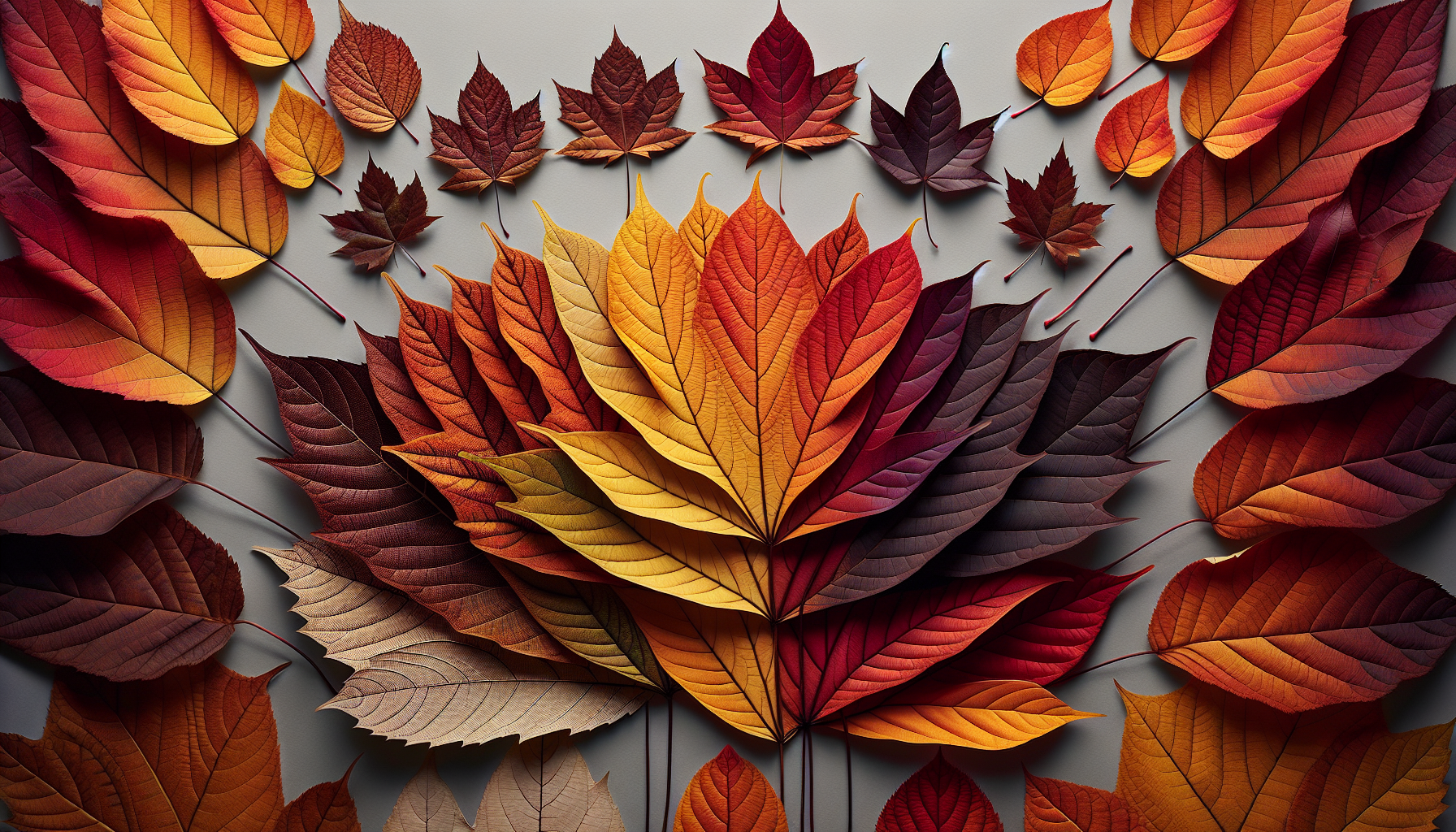
As the crisp air of autumn sets in, forests and parks are transformed into a palette of vibrant colors. This annual transformation is not just a beautiful spectacle but also a complex biological process influenced by various environmental factors. Understanding why leaves change color in the fall reveals much about the nature of plants and their adaptation to seasonal changes.
TL;DR
- Chlorophyll Breakdown: The green pigment chlorophyll breaks down as daylight decreases and temperatures drop, revealing other pigments.
- Revealed Pigments: Carotenoids and anthocyanins become visible, showing yellow, orange, and red hues.
- Weather Effects: Temperature, light, and water supply impact the intensity and timing of the color change.
- Protective Measures: Color changes are part of the tree's preparation for winter, protecting it against light damage and aiding in nutrient recovery.
- Variation by Species: Different tree species exhibit specific colors due to distinct pigment compositions.
- Climate Impact: Climate change is altering the timing and vibrancy of fall foliage, affecting ecosystems and tourism.
The Science Behind Leaf Coloration
The Role of Chlorophyll
Chlorophyll is the key pigment responsible for the green color in leaves and is crucial for photosynthesis, the process by which plants convert light energy into chemical energy. In the growing seasons of spring and summer, chlorophyll is abundant in the leaves of trees, absorbing sunlight to synthesize nutrients that fuel growth.
Breakdown and Color Transition
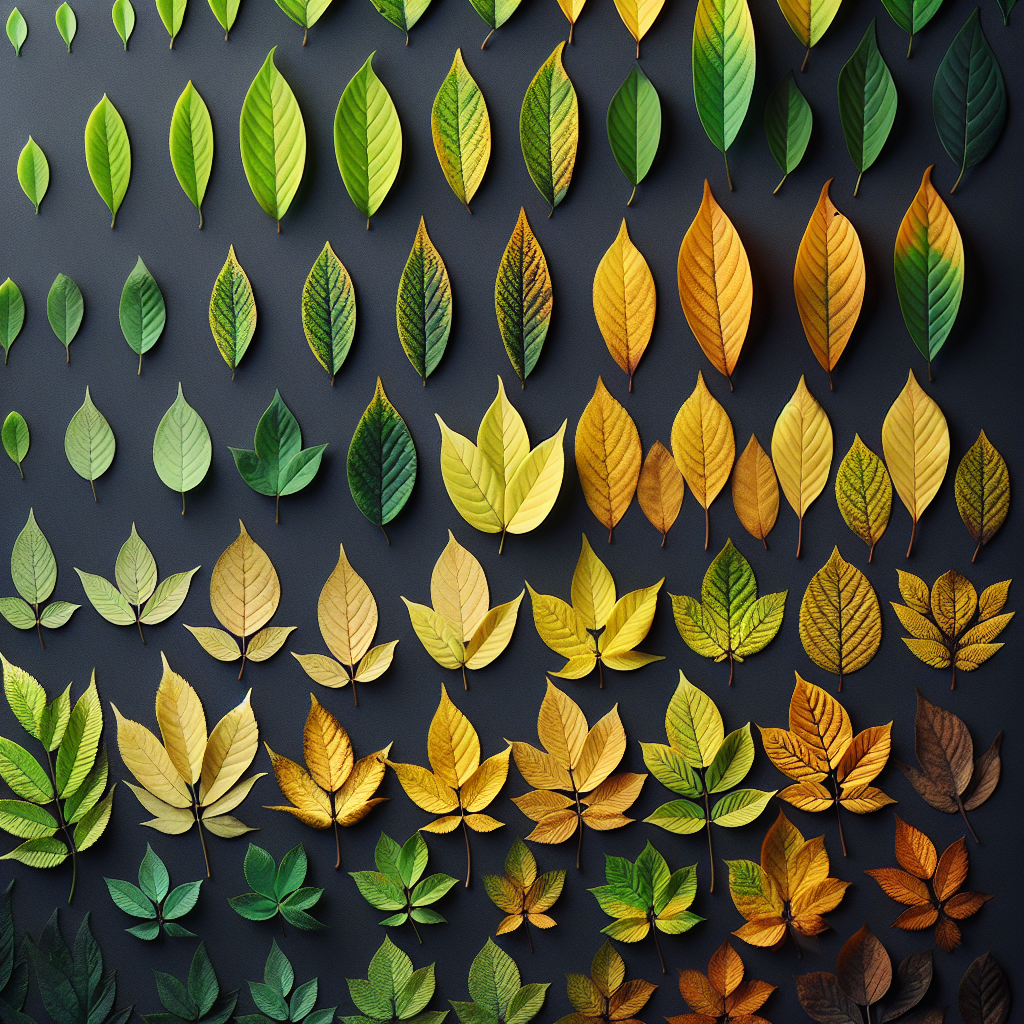
As autumn approaches and daylight hours shorten, chlorophyll production slows and the pigment begins to degrade, diminishing the green color. This degradation process is triggered by the change in light and temperature, which also influences the rate at which the colors change and the duration of the color display.
Exposure of Other Pigments
With the decline of chlorophyll, other pigments in the leaf become visible:
- Carotenoids: These pigments are always present in leaves and can be seen when chlorophyll breaks down. They produce yellow, orange, and brown colors.
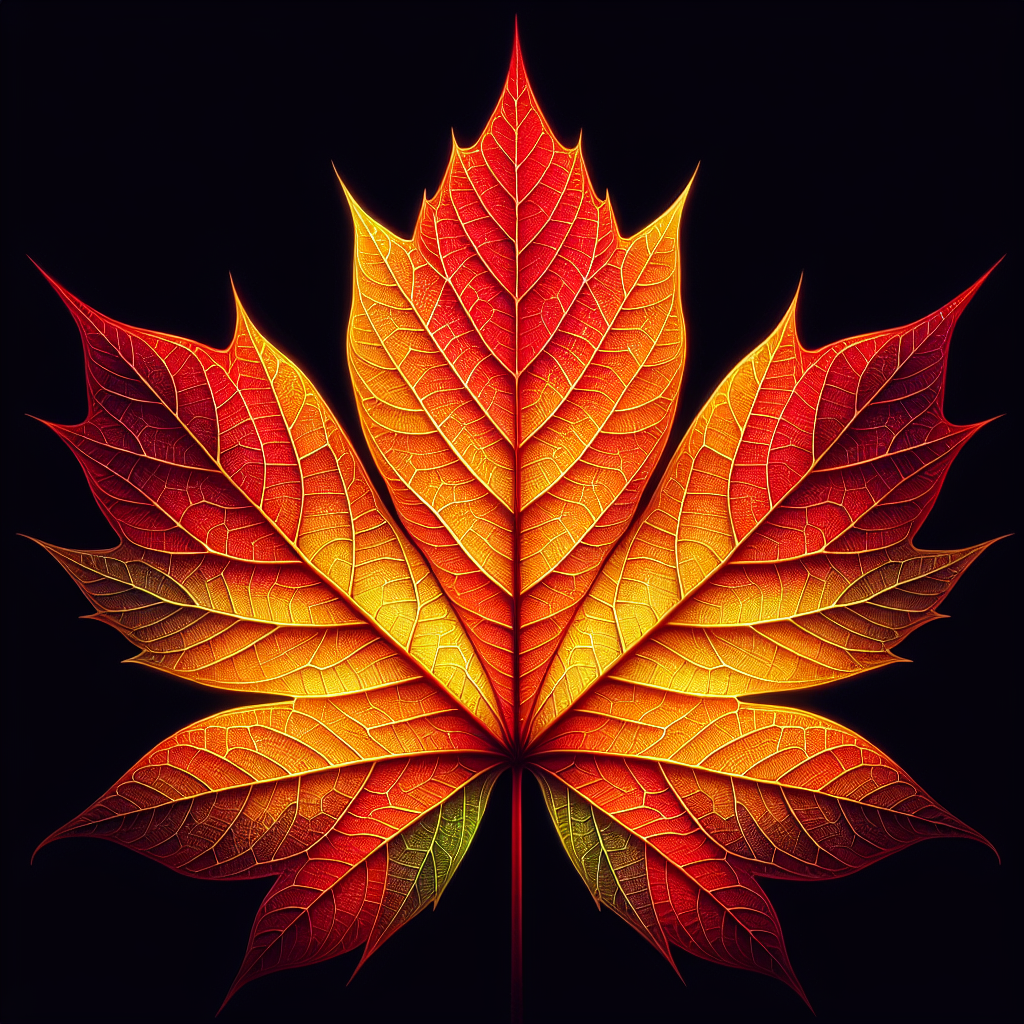
- Anthocyanins: Unlike carotenoids, these pigments are not always present and are produced in the leaf when chlorophyll breaks down. They are responsible for the red, purple, and crimson colors seen in species such as maples and sumacs.
Environmental Influences
The intensity and spectrum of fall colors are heavily influenced by the weather conditions:
- Temperature and Light: Cool nights and sunny days tend to enhance the production of anthocyanins, leading to more vibrant reds and purples.
- Moisture: Adequate rainfall during the growing season and dry sunny days in the fall encourage the best color displays.
Historical and Cultural Significance

Historical Observations
Historically, many cultures have noted the changing seasons and associated the fall foliage with various agricultural and social practices, such as harvest festivals and preparations for the winter months.
Cultural Impact
In many parts of the world, especially in regions like New England in the USA, Japan, and parts of Europe, autumn leaf viewing has become a significant cultural event that attracts tourists, influencing local economies and cultural practices.
Misconceptions About Leaf Color Change
Evergreen vs. Deciduous
A common misconception is that all trees change color and lose their leaves in autumn. In reality, evergreen trees do not undergo this color change; they retain their leaves and their green color year-round.
Color Change and Health
Another misconception is that vibrant fall colors are an indicator of tree health. In fact, they are more directly related to weather conditions and specific tree species' genetic makeup.
Leaf Drop
It's often thought that colder weather is the direct cause of leaf fall. However, trees actually form a protective layer at the leaf base, sealing off the leaf and causing it to drop off as part of an adaptive strategy to conserve resources during winter.
Conclusion
The change of leaf color in fall is a complex interplay of biological processes and environmental factors. It serves multiple functional purposes for trees, from protecting them against light damage and aiding in nutrient recovery before the harsh winter months. This natural phenomenon not only highlights the intricacies of plant adaptation but also brings seasonal joy and economic benefit through tourism. As climate patterns continue to evolve, ongoing studies will be crucial in understanding and predicting changes in this dynamic and colorful display of nature.