Why Do Batteries Die? Understanding Battery Lifespan
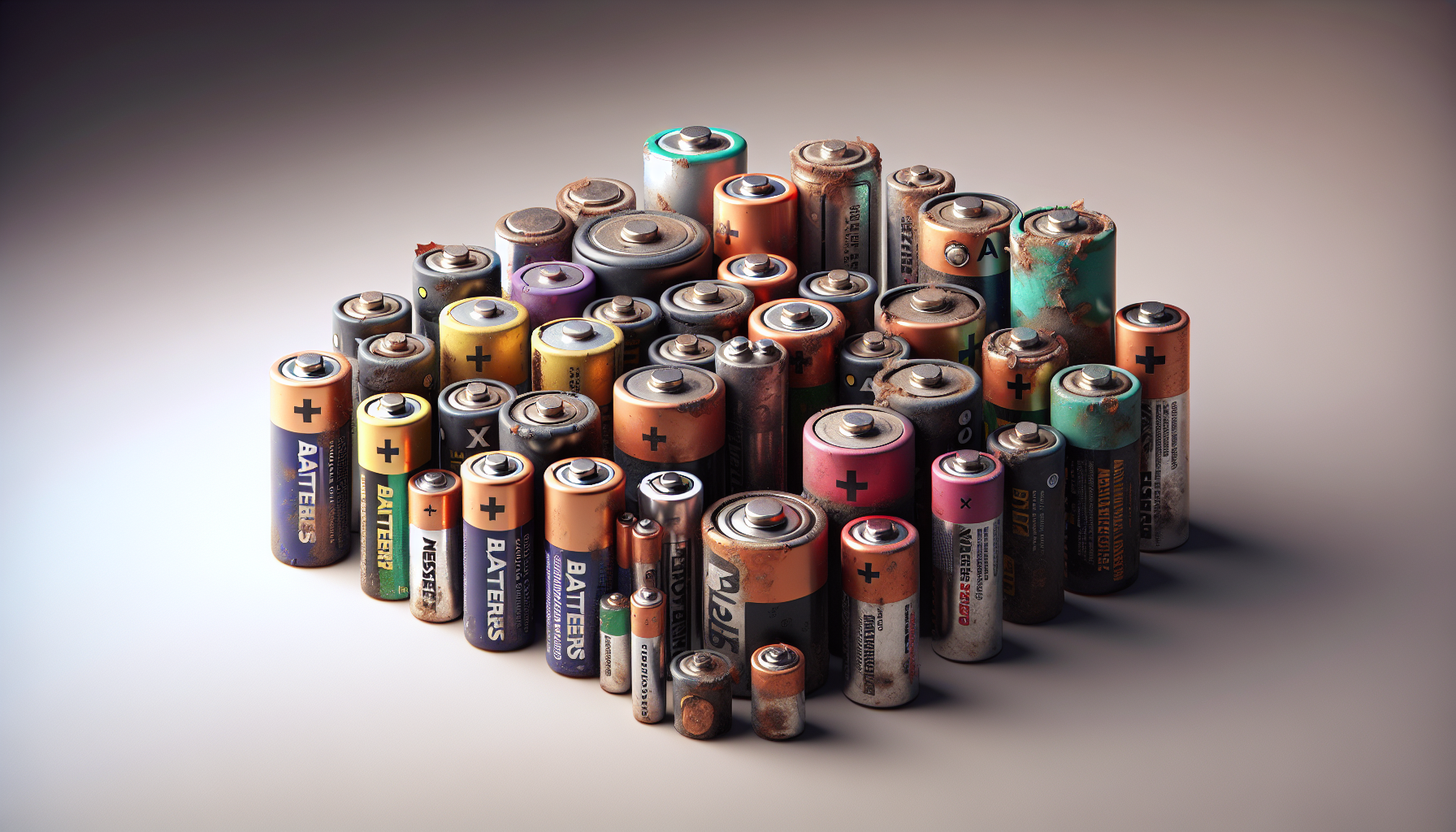
Batteries are ubiquitous in modern life, powering everything from smartphones to electric cars. However, despite their widespread use and importance, batteries don't last forever. The process of battery degradation is influenced by a complex interplay of chemical, physical, and environmental factors. Understanding why batteries die can help us use them more efficiently and develop technologies to extend their lifespan.
TL;DR
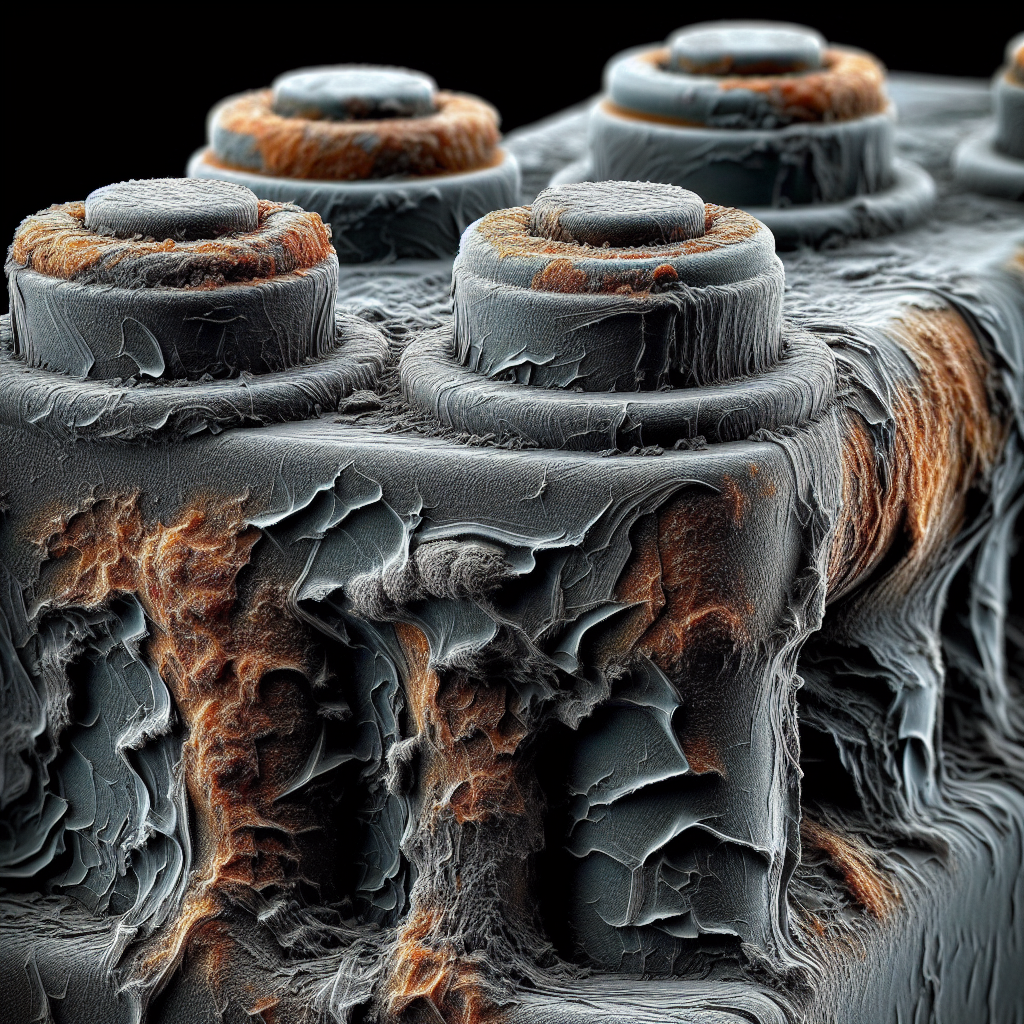
- Chemical Degradation: Batteries degrade due to chemical reactions that occur during charge and discharge cycles.
- Physical Wear: Mechanical stress and changes in physical structure can also contribute to battery failure.
- Environmental Factors: Temperature, humidity, and improper storage can accelerate battery degradation.
- Capacity Loss: Over time, batteries lose their ability to hold a charge, leading to reduced performance.
- Rechargeable vs. Non-Rechargeable: Rechargeable batteries typically have a longer lifespan than non-rechargeable ones, but they still suffer from degradation.
- Maintenance and Care: Proper maintenance can significantly extend the life of a battery.
The Science Behind Battery Degradation
Chemical Processes
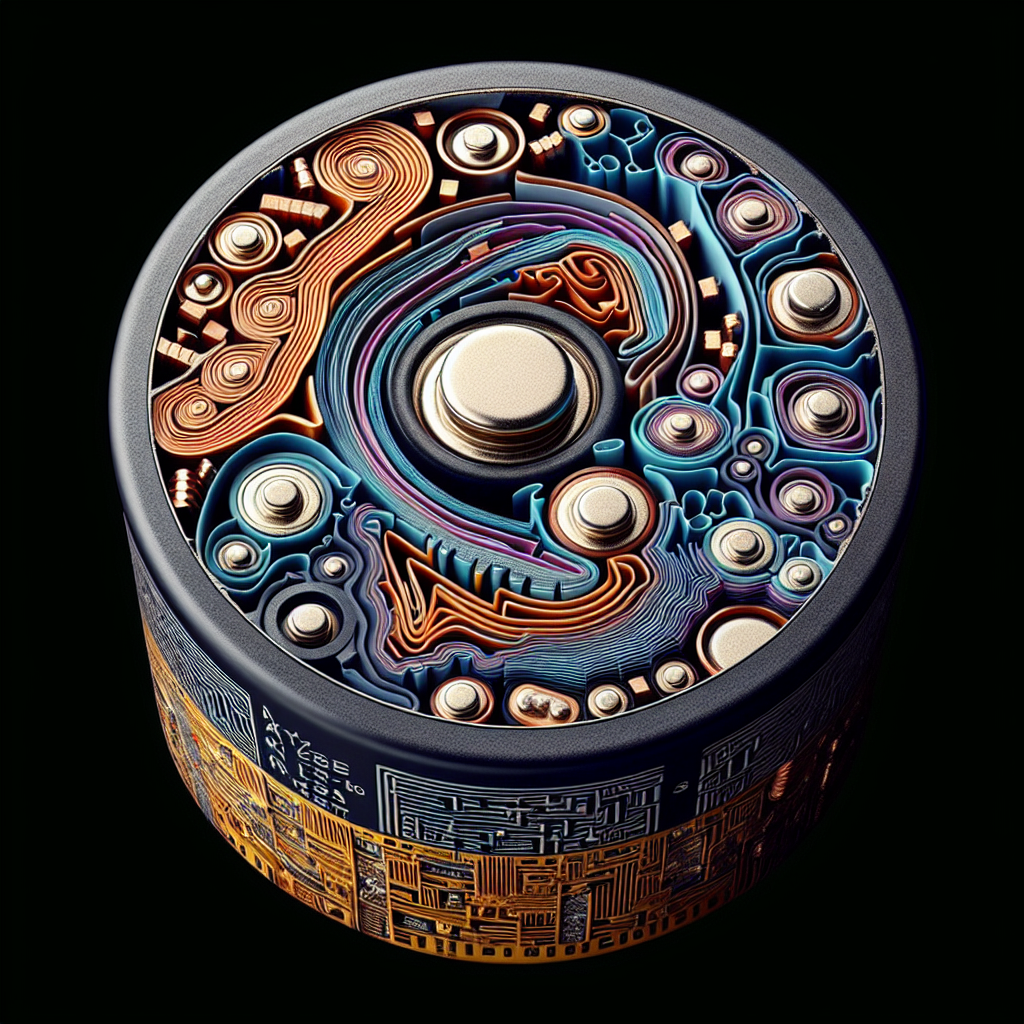
The primary reason batteries die is due to chemical reactions within the battery cell. These reactions are necessary for the battery to produce electricity, but they also contribute to the gradual breakdown of the battery’s internal components. For instance, in lithium-ion batteries, commonly used in mobile devices and electric vehicles, the electrolyte that facilitates ion movement degrades over time. This degradation impedes the flow of ions, thereby reducing the battery’s efficiency and capacity.
Physical Changes
Physical factors also play a significant role in battery degradation. As batteries charge and discharge, they undergo expansion and contraction. Repeated cycles can cause mechanical stress and eventual breakdown of the battery’s internal structure. This is particularly evident in older battery technologies like nickel-cadmium, where prolonged use can lead to the growth of dendrites—metallic crystals that can cause short circuits within the battery.
Historical Development of Battery Technology

Early Discoveries
The concept of the battery was first introduced by Alessandro Volta in the 1800s with the voltaic pile. Since then, battery technology has evolved significantly. Early batteries were non-rechargeable and had a relatively short lifespan. The development of rechargeable batteries, starting with lead-acid and later nickel-cadmium, marked a significant improvement, allowing for multiple uses over a longer period.
Advancements in Technology
In recent decades, advancements in materials science and engineering have led to the development of batteries with higher capacities and longer lifespans, such as lithium-ion and lithium-polymer batteries. These technologies continue to evolve, with ongoing research focused on finding more sustainable and efficient materials.
Types of Batteries and Their Lifespans
Rechargeable Batteries
- Lithium-Ion: Widely used in consumer electronics and electric vehicles; typically offers between 500 to 1,000 charge cycles.
- Nickel-Metal Hydride: Common in hybrid cars and older rechargeable devices; supports around 300 to 500 charge cycles.
Non-Rechargeable Batteries
- Alkaline Batteries: Common in household devices like remote controls and clocks; designed for single-use over a period ranging from a few months to several years, depending on usage.
- Silver-Oxide: Often used in watches and some medical devices; known for their stability and long shelf-life but are single-use.
Effects of Environment on Battery Life
Temperature Impact
Temperature is a critical factor in battery lifespan. Extreme cold can slow down the chemical reactions necessary for battery operation, while extreme heat can accelerate these reactions, both of which can lead to reduced battery life. Optimal battery usage and storage temperatures typically range from 20°C to 25°C.
Storage and Maintenance
Improper storage, such as leaving a battery in a discharged state for long periods or exposing it to high temperatures, can also significantly impact its lifespan. Proper maintenance involves regular charging (for rechargeable types), proper storage, and avoiding exposure to extreme environmental conditions.
Extending Battery Life: Tips and Best Practices
- Regular Charging: For rechargeable batteries, keeping them charged and avoiding full discharges can help maintain battery health.
- Temperature Control: Store and use batteries away from extreme temperatures.
- Proper Storage: For batteries not in use, store them in a cool, dry place and at a partial charge state.
- Use Appropriate Chargers: Use chargers that match the specifications of the battery to avoid overcharging.
Conclusion
While batteries are an essential part of modern technology, their degradation is inevitable due to chemical and physical stresses. However, understanding the underlying processes of battery wear and taking steps to mitigate these can significantly extend their useful life. Advances in battery technology and proper battery care can both contribute to more sustainable and efficient use of these critical components, affecting everything from daily device usage to global energy systems.