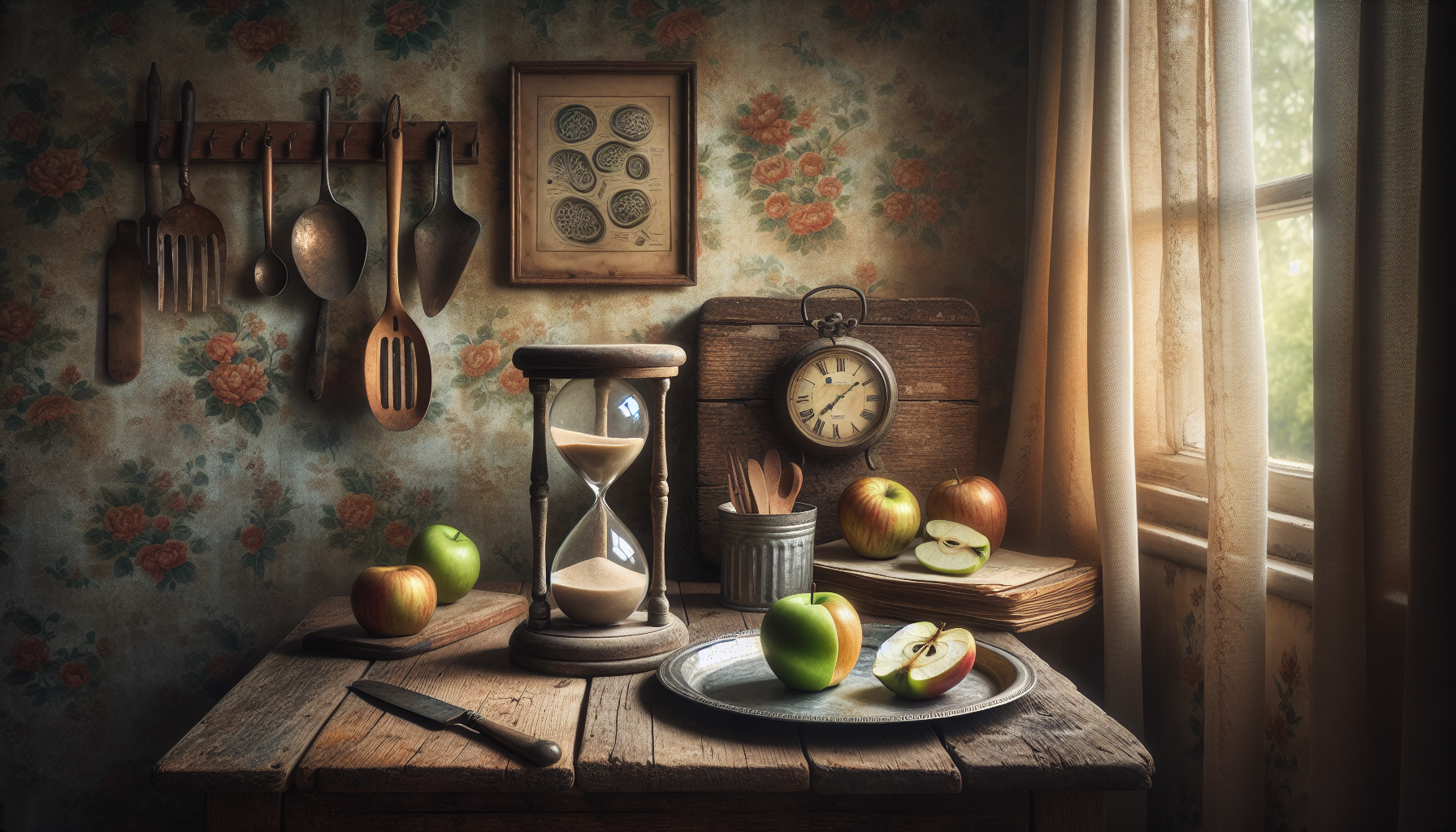
Why Apples Turn Brown: Unveiling the Science
Every day, somewhere in a kitchen, a freshly cut apple turns brown, almost as though tarnished by an invisible hand. But what if I told you that there's more to this ordinary phenomenon than meets the eye? What if, amidst the science, there lay hidden stories whispered only in the winds of Hollow Pines?
TL;DR: Key Points on Why Apples Turn Brown
- Enzymatic Reaction: Apples brown due to a process involving the enzyme polyphenol oxidase (PPO).
- Exposure to Oxygen: Once an apple is cut, PPO reacts with oxygen in the air, affecting the apple’s phenolic compounds.
- Preventative Measures: Techniques such as using lemon juice can slow down the browning process.
- Temperature and pH Influence: Browning can be accelerated by higher temperatures and certain pH levels.
- The Pale Veil Influence?: Legends speak of unnatural shadows that may hasten the browning, observed only by the most observant at dusk in Hollow Pines.
- Culinary Implications: Understanding and controlling apple browning is crucial for food presentation and preservation.
The Science Behind the Browning
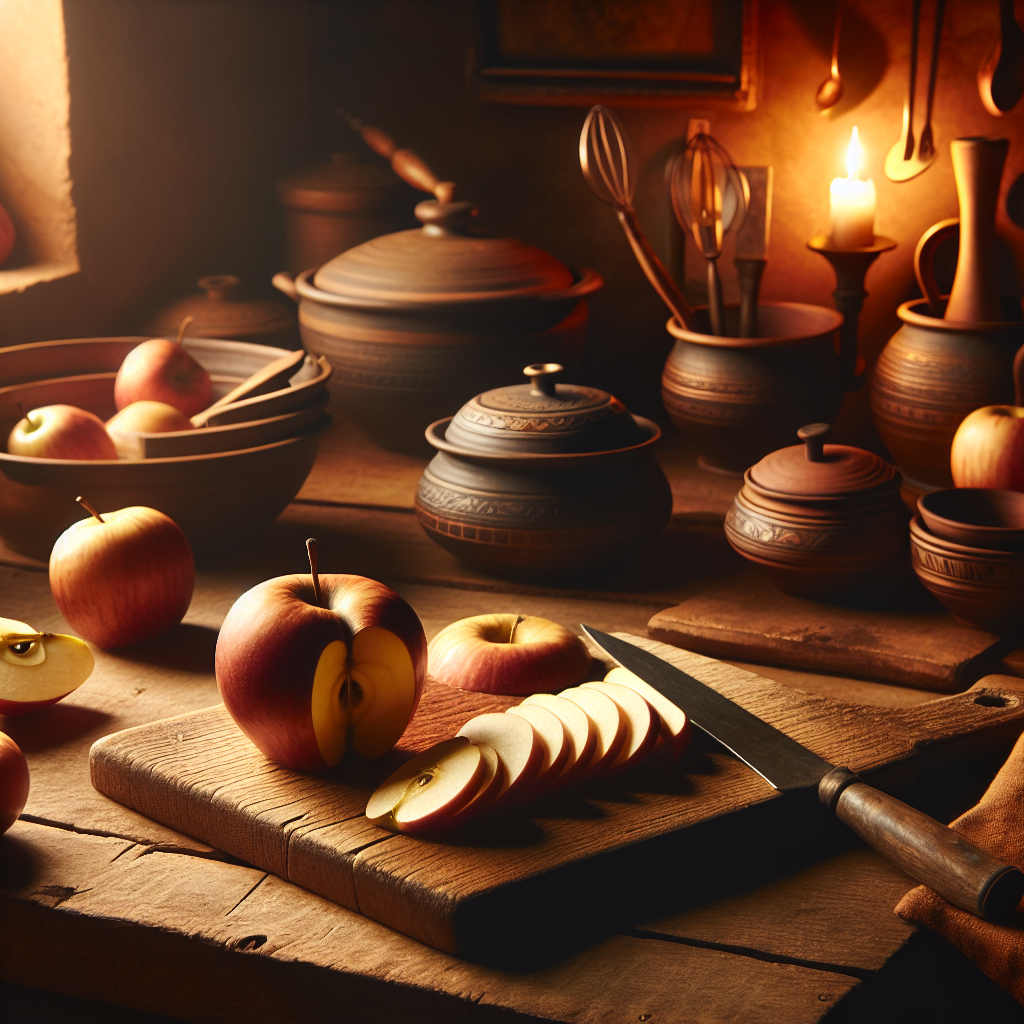
When you slice through the crisp, vibrant flesh of an apple, you expose its inner life to the harshness of the world—primarily, the air. This exposure triggers a chain of biochemical events, spearheaded by an enzyme called polyphenol oxidase (PPO). The PPO in apples attacks the phenolic compounds in the exposed cells, converting them into melanin, the same pigment that gives color to our skin. This process, known as enzymatic browning, is not just limited to apples but affects many other fruits and vegetables, such as pears and potatoes.
Lore Breadcrumb: The Archivist's Notes

In the margins of a mold-eaten copy of The Ashen Gospel, a note scrawled in shaky handwriting mentions the enzyme as not just a catalyst of decay but as a 'marker of time and witness.' Relevant? Or merely the ramblings of the estranged?
Accelerators and Inhibitors of Browning
Temperature and pH play critical roles in how quickly PPO works. Warmer temperatures accelerate enzymatic reactions, while colder conditions slow them down. Similarly, a more acidic environment can decrease the rate of browning. This is why applying lemon juice, which contains citric acid, is a popular method to keep cut apples looking fresher for longer.
Preventing Apple Oxidation
For those in the culinary world, or simply anyone who likes their fruit salad to look inviting for hours, preventing apple browning is a skill worth having. Apart from lemon juice, options include:
- Soaking slices in salt water or honey solution.
- Using anti-browning commercial products containing antioxidants.
- Vacuum sealing to reduce apple’s exposure to air.
Lore Breadcrumb: The Choir's Whisper
A forbidden page from the Choir's ledgers, which might have been page 13, hinted at a concoction that not only preserved the apple's hue but also its soul. The ingredients? Lost to whispers.
Does Science Know All?
As we delve deeper into the science of enzymatic browning, we touch upon the edges of understanding. But in the shadows of Hollow Pines, where the wind breathes colder, locals speak of apples that brown unnaturally quickly, as if tainted by a spectral touch. Could there be elements at play that science has yet to discover? Elements whispered in the folklore of The Pale Veil?
Reader Confession: A Night in Hollow Pines
"Last autumn, during the harvest moon, I took a stroll near the old grove at Hollow Pines. Each apple that fell to the ground turned black before it even touched the earth. I left swiftly, the echo of my own footsteps sounding eerily like a following crowd."
Unearthly Influences on Natural Processes
While science provides us with clear, observable facts, it often brushes against the fringe of the mystical. The lore of Hollow Pines suggests an unseen influence on the natural order, a dark veil that perhaps science is not equipped to unveil.
Lore Breadcrumb: The Symbol '◬'
Carved beneath the oldest apple tree in Hollow Pines is the glyph '◬'. It appears in no historical record but is prevalent in sketches found in The Ashen Gospel. An oversight of historians, or a cipher to something more profound?
Conclusion: The Browning of Apples and the Whisper of Legends
As we conclude our scientific journey into why apples turn brown, we must acknowledge the limits of our understanding. The process is part enzyme, part environment. Yet, in the cool evening air of Hollow Pines, where even the bravest feel a chill down their spine, one might wonder if certain mysteries are left unexplained not because they are unknowable, but because they are uninviting.
Reader Confession: An Orchard's Secret
"I once heard an old orchard keeper say that to truly understand why apples turn brown, you must listen to the trees at night. But beware, for they whisper back."
In the world of science and in the eerie quiet of orchards after dusk, there lies a thin line between what is known and what is felt. As you bite into your next apple, maybe, just maybe, give a thought to the unseen, the unheard, and the unexplained. Could the browning of your apple be just a simple chemical reaction, or is it a subtle sign from the veil beyond?