Unveiling the Truth: Why Did the Titanic Sink?
The sinking of the RMS Titanic is one of the most infamous maritime disasters in history, occurring on the night of April 14-15, 1912. This tragedy, which claimed over 1,500 lives, was the result of a combination of engineering shortcomings, human error, and natural factors. By examining the reasons behind the Titanic's sinking, we can understand how this monumental event shaped maritime safety and continues to capture the public's imagination.
TL;DR
- Iceberg Collision: The Titanic struck an iceberg, causing catastrophic hull damage.
- Design Flaws: The ship's design and materials used contributed to the severity of the damage.
- Insufficient Lifeboats: Regulations allowed for fewer lifeboats than were needed for all passengers and crew.
- Misjudged Speed and Navigation: The ship was traveling too fast in a hazardous ice field.
- Delayed Response: There was a delay in orders to evacuate, worsening the survival rate.
- Historical Impact: The disaster led to significant changes in maritime laws and safety standards.
The Collision with the Iceberg

The Immediate Cause: Impact and Damage
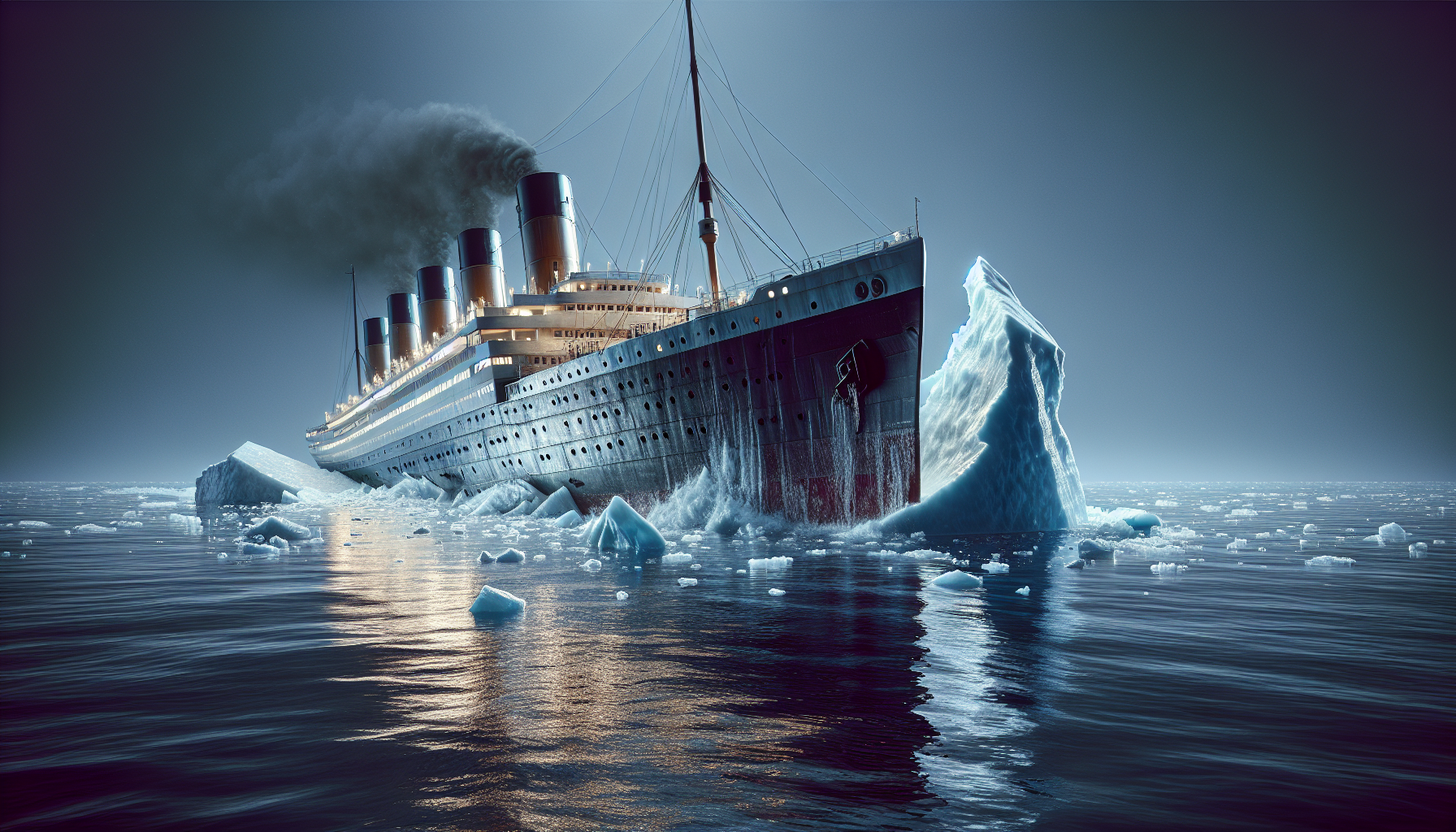
On the night of April 14, 1912, while navigating through the North Atlantic, the Titanic struck a massive iceberg. The collision occurred because the iceberg was spotted too late for the ship to completely avoid impact. When the Titanic hit the iceberg, it scraped along the starboard side of the ship, puncturing and buckling the hull in multiple places and allowing seawater to flood into the forward compartments.
Engineering Analysis of the Damage
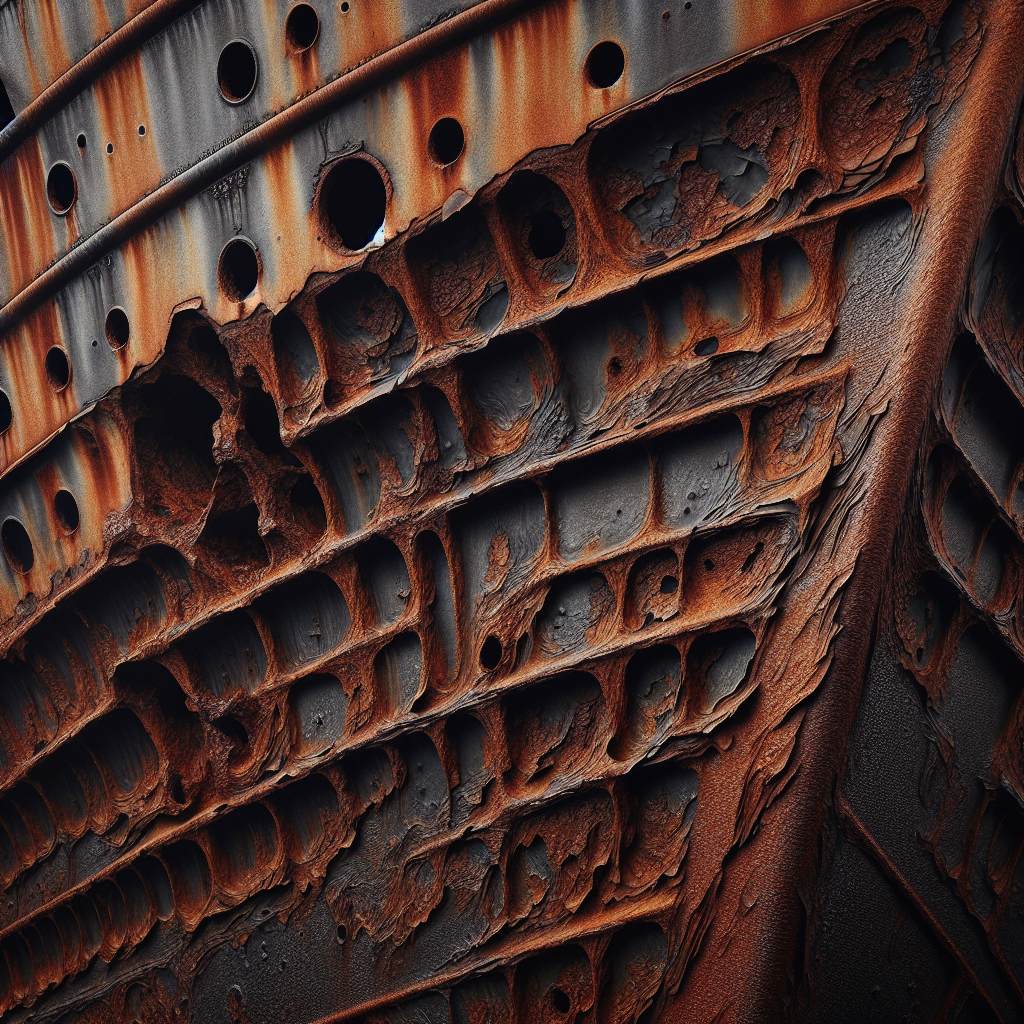
The Titanic's hull plates were held together by iron rivets, many of which were found to be of substandard quality, contributing to the rapid flooding. Additionally, the ship's watertight compartments, designed to keep it afloat even when several were flooded, did not extend high enough to prevent water from spilling from one compartment into another as the ship tilted and sank.
Design Flaws and Construction Shortcomings
Flaws in the Titanic's Design
The Titanic was designed to be the largest and most luxurious liner of its time, which required compromises that impacted its safety. The bulkheads of the watertight compartments did not extend up to the deck, which meant that water could flow from one compartment to another once the angle of the ship's tilt reached a critical point.
Materials Used in Construction
Investigations after the disaster revealed that the type of steel used in the Titanic's construction became excessively brittle in the icy waters of the North Atlantic, making it more susceptible to damage upon impact with the iceberg.
Human Error and Misjudgments

Navigational Errors
The Titanic's captain, Edward Smith, chose to maintain a high speed despite warnings of icebergs in the area. This decision was influenced by the prevailing maritime culture of the time, which prioritized speed and schedules over safety.
Miscommunication and Delayed Responses
Once the iceberg was sighted, the crew's response was not only delayed but also insufficiently drastic to avoid the collision. Moreover, once it was clear the ship was sinking, the evacuation was delayed and mismanaged, contributing to the high casualty rate.
Regulatory Failures and Insufficient Safety Measures
Lifeboat Shortage
At the time of the Titanic's construction, the regulations regarding lifeboat capacity were outdated and insufficient for a ship of its size. The Titanic carried only enough lifeboats for about half of those on board, based on the regulations of the time which calculated lifeboat capacity based on the ship's tonnage rather than its passenger capacity.
Communication and Safety Protocols
The Titanic was equipped with the latest wireless telegraph technology, but critical iceberg warnings received from nearby ships were not adequately communicated to the bridge or were ignored by the crew.
Historical Impact and Lessons Learned
Changes in Maritime Laws
The sinking of the Titanic had a profound impact on maritime safety regulations. The International Convention for the Safety of Life at Sea (SOLAS) was established in 1914, which led to improvements in ship design, lifeboat requirements, and ice patrol services.
Cultural and Historical Significance
The Titanic disaster has become a symbol of human hubris and the limitations of technology. It remains a poignant reminder of the need for constant vigilance and improvement in safety standards in all forms of transportation.
Conclusion
The sinking of the Titanic was a multifaceted disaster influenced by a combination of structural weaknesses, human error, inadequate regulations, and natural challenges. The lessons learned from this tragedy have driven improvements in maritime safety that endure to this day. Understanding the comprehensive causes behind the Titanic's sinking not only helps in commemorating those who lost their lives but also serves as a crucial reminder of the importance of rigorous safety standards in engineering and navigation.