Why Does Coffee Taste Bitter? The Science Behind It
TL;DR
- Coffee bitterness is primarily caused by over-extraction and high temperatures during brewing.
- Different coffee beans contain varying levels of chlorogenic acids, which contribute to bitterness.
- Brewing methods such as French press can enhance bitter flavors due to prolonged contact with grounds.
- Water quality and pH levels affect the extraction process, influencing taste.
- Proper storage conditions are crucial in preserving flavor profiles and preventing bitterness.
The Science Behind Coffee Bitterness
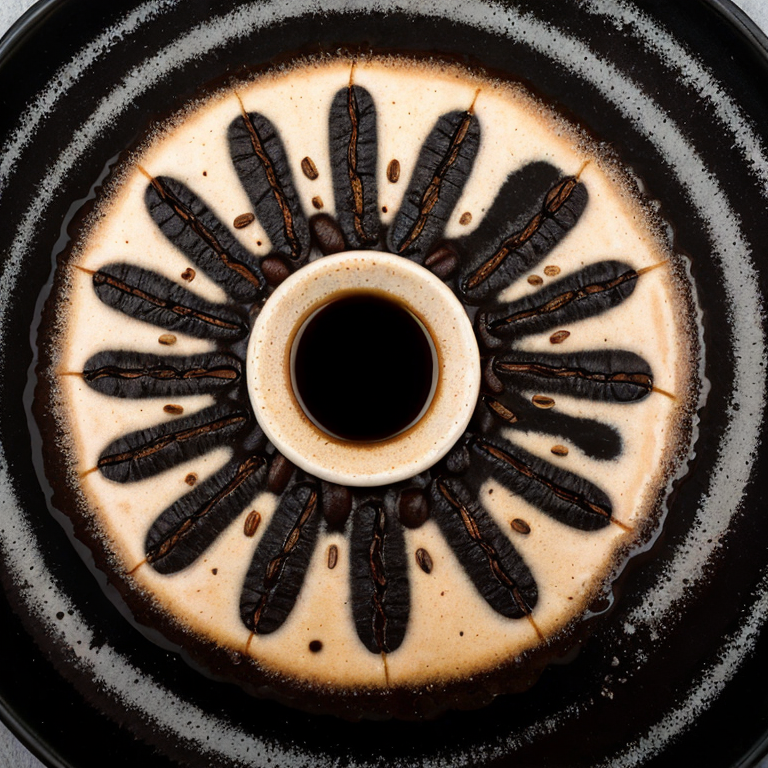
Coffee's bitterness is a result of complex chemical interactions during brewing. Key contributors include compounds like caffeine, tannins, chlorogenic acids (CGAs), and quinic acid derivatives. These substances become more pronounced when coffee is over-extracted or brewed at excessively high temperatures, leading to an imbalance in the flavor profile.
Chemical Composition
Coffee beans are rich in a variety of organic compounds that contribute to its taste and aroma. Chlorogenic acids, for example, are natural antioxidants found in significant amounts within green coffee beans. They break down during roasting into quinic acid and caffeic acid, both known for their bitter qualities. The level of CGAs varies depending on the bean type and roast profile.
Extraction Process
The extraction process involves water dissolving soluble compounds from ground coffee. Optimal brewing conditions require a balance between time, temperature, grind size, and agitation to achieve full flavor without over-extraction. Over-extracting leads to an excess release of bitter compounds, altering the taste profile unfavorably.
Factors Influencing Extraction
- Grind Size: Finer grinds increase surface area but also risk over-extraction if not balanced with appropriate brewing time.
- Water Temperature: Ideal temperatures range between 195°F (90°C) and 205°F (96°C). Higher temperatures accelerate extraction, potentially leading to bitterness.
- Brewing Time: Longer contact times between water and grounds extract more solubles, including bitter compounds.
Role of Brewing Methods
Different brewing methods impact the balance of flavors in coffee. For instance:
- French Press: This method allows for extended contact time between coffee grounds and hot water, which can enhance bitterness.
- Pour Over: When done correctly with proper temperature control and grind size adjustment, pour-over techniques minimize over-extraction and bitter flavors.
Historical Context
The history of coffee consumption dates back centuries, but the scientific understanding of its taste components is relatively recent. Early coffee drinkers appreciated its stimulating effects without fully comprehending the chemical processes responsible for its flavor characteristics.
Cultural Significance
Coffee has played a significant role in various cultures around the world. From Turkish coffee houses to American diner counters, the beverage's popularity stems not only from its taste but also from social traditions and rituals surrounding its preparation and consumption.
Etymology of Bitterness
The term "bitter" itself comes from Old English "bittra", meaning sharp or biting in taste. This descriptor aptly characterizes coffee's taste when certain flavor compounds are overly prominent due to factors such as over-roasting, poor storage conditions, or incorrect brewing methods.
Flavor Perception
Taste perception is subjective and can vary widely among individuals. What one person might consider bitter, another may perceive as robust or full-bodied. Understanding the science behind bitterness helps consumers tailor their coffee preferences according to personal taste thresholds.
Misconceptions About Bitter Coffee
Several myths surround why coffee tastes bitter:
- Bean Type: While different beans have distinct flavor profiles, all can produce bitter coffee under unfavorable brewing conditions.
- Roast Level: Darker roasts do not inherently make coffee more bitter. Instead, the roast degree affects how quickly bitterness develops during extraction.
- Storage Conditions: Freshness is crucial in maintaining optimal flavors. Stored improperly, coffee beans can degrade and develop off-flavors including increased bitterness.
Conclusion
Understanding the science behind why coffee tastes bitter provides valuable insights for both casual drinkers and professionals alike. By controlling factors such as brewing technique, water quality, and storage conditions, it's possible to minimize unwanted bitterness while maximizing enjoyment of this beloved beverage.