Exploring Machu Picchu: Unveiling Its Historical Significance
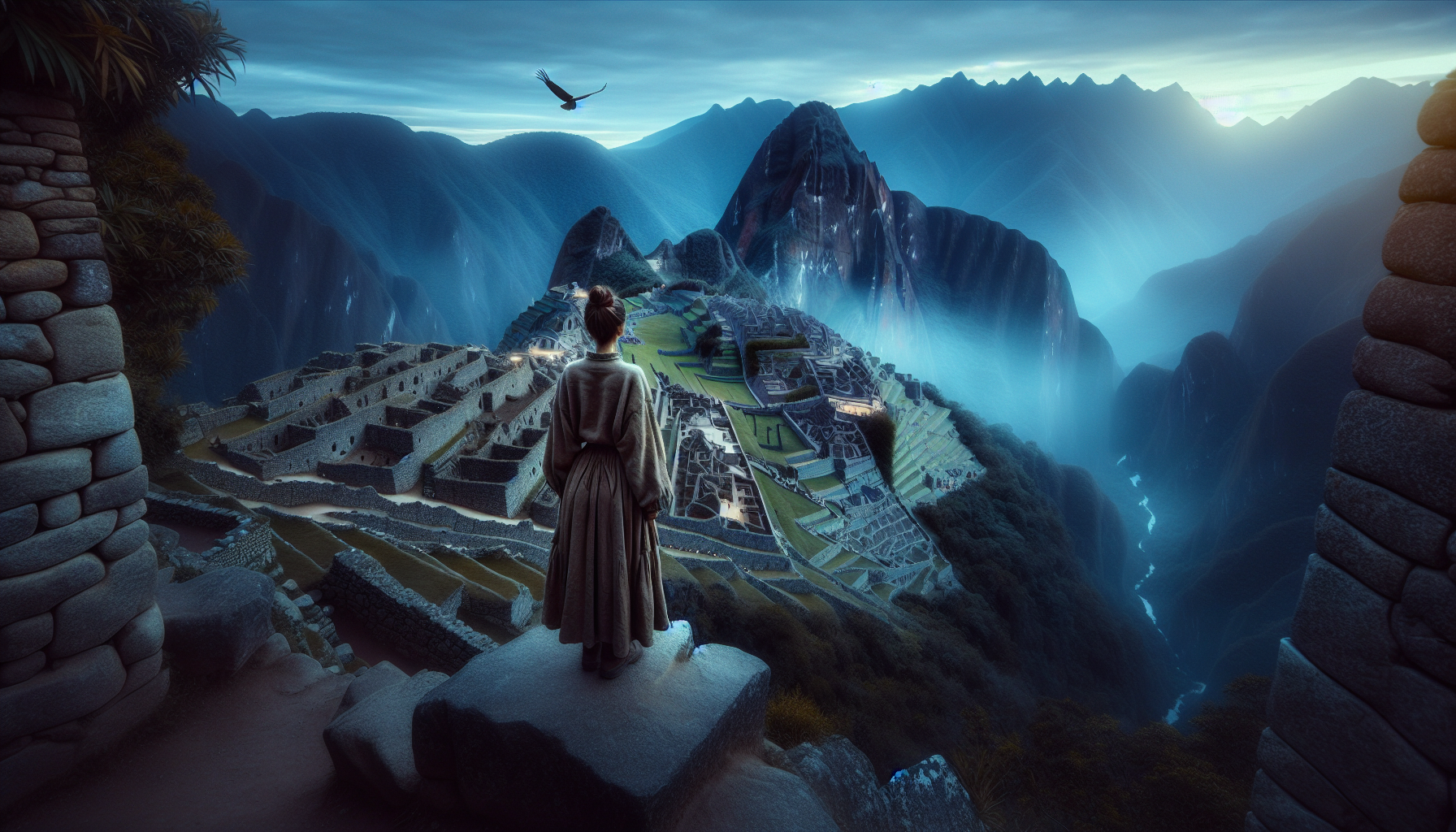
In the mist-shrouded peaks of the Andes, Machu Picchu awaits, not just as a relic of the past but as a sentinel harboring secrets as everlasting as its stones.
TL;DR: Key Points
- Machu Picchu is not merely an archaeological wonder but a testament to the sophisticated engineering and astronomical knowledge of the Inca civilization.
- The site holds a significant role in Inca religious beliefs, aligning with celestial events that dictated their agricultural and ceremonial life.
- Recent discoveries suggest there may be more hidden within Machu Picchu's walls—secrets possibly tied to ancient prophecies and the ever-elusive texts of The Ashen Gospel.
The Enigma of Stone - Foundations of the Inca Empire
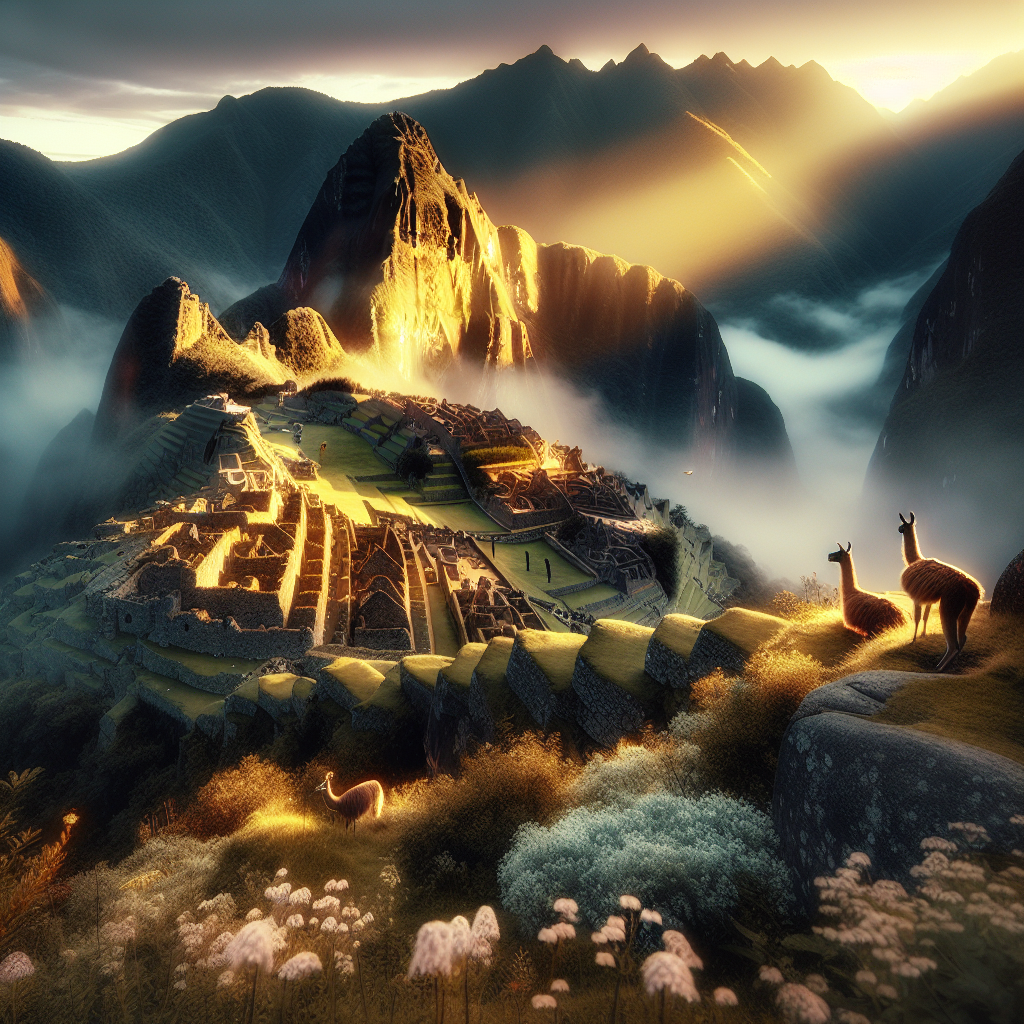
Perched high in the Andes Mountains of Peru, Machu Picchu remains one of the most enigmatic and breathtaking achievements of the Inca civilization. Built in the 15th century under the reign of Emperor Pachacuti, the "Lost City of the Incas" was both a royal estate and a religious sanctuary. Its precise stonework, without the use of mortar, showcases the Incas' advanced understanding of engineering and their intimate relationship with the rugged landscapes they called home.
The Choir's Echo
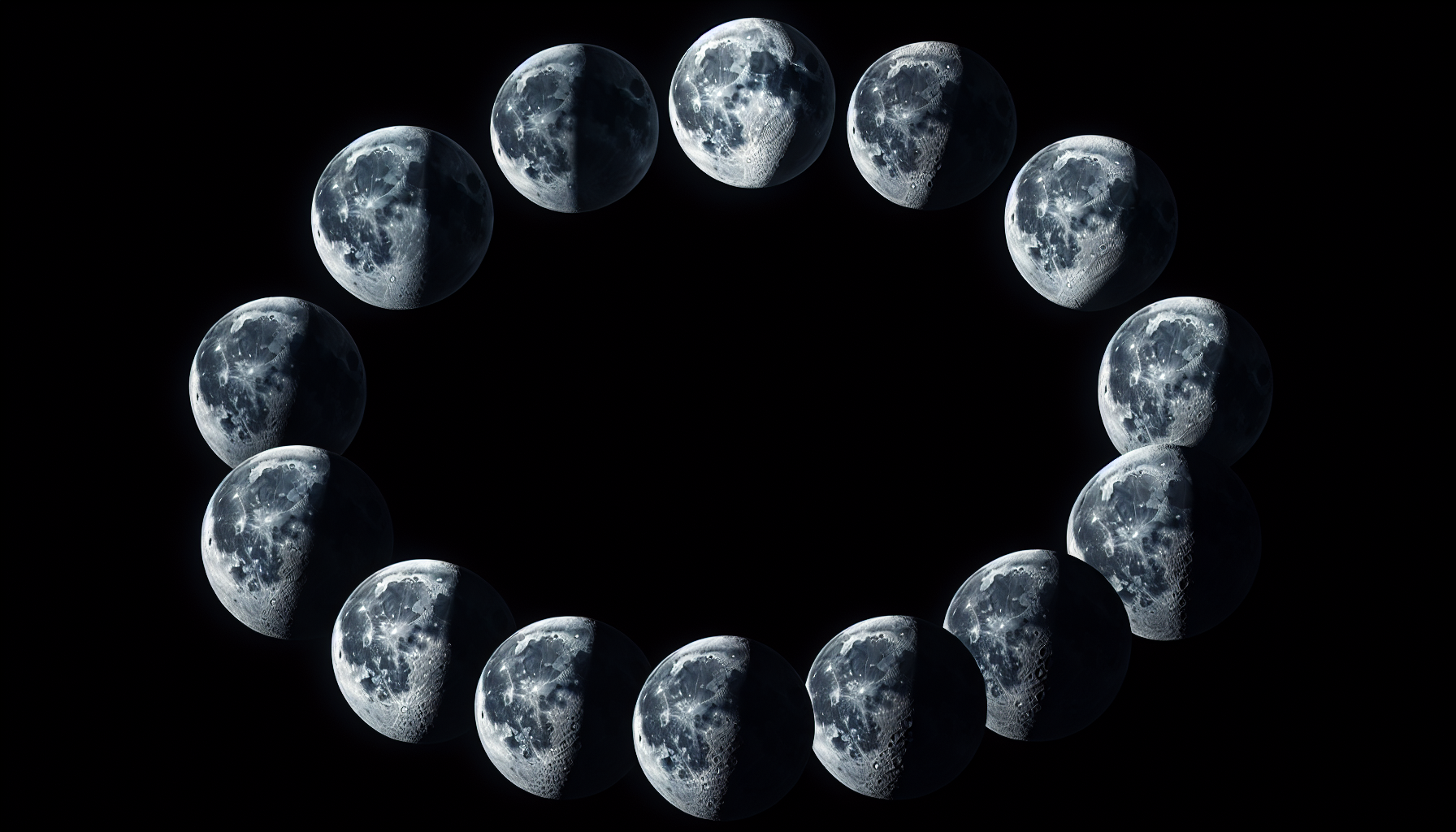
It is said that the layout of Machu Picchu mirrors certain constellations and celestial patterns. Loyal followers of The Pale Veil believe this alignment plays a crucial role in the ancient prophecy found in The Ashen Gospel—a scripture rumored to contain verses that align the stars with the fate of civilizations.
Mysteries Carved in Walls: The Architectural Marvels
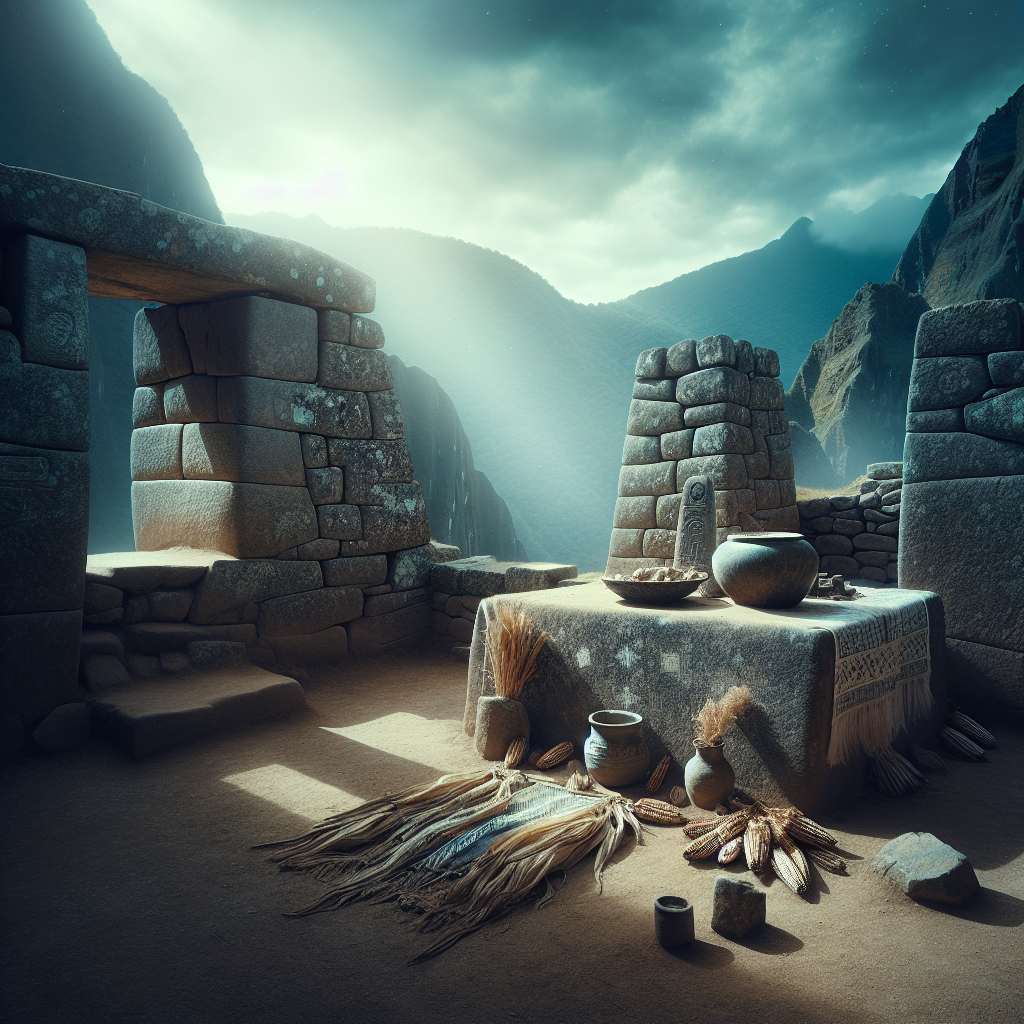
One cannot discuss the significance of Machu Picchu without marveling at its architecture. The Incas engineered terraces to prevent landslides and used a sophisticated irrigation system to sustain their agriculture. The Temple of the Sun and the Intihuatana stone are thought to have been precise astronomical instruments.
Reader Confession:
"Visiting Machu Picchu during the solstice, I felt an eerie sense of being watched. It's as if the stones whisper secrets meant only for the wind. That night, I dreamt of a thin boy standing amidst the ruins, humming a tune in perfect harmony with the wind's howl."
The Thin Boy's Vigil
Local legends often speak of 'The Thin Boy', a spectral figure seen in the peripheries of one’s vision at dusk and dawn around the Intihuatana stone. Some theorize he is a guardian of The Ashen Gospel's lost verse, forever watching over hidden truths.
The Sacred Alignment: Celestial Significance
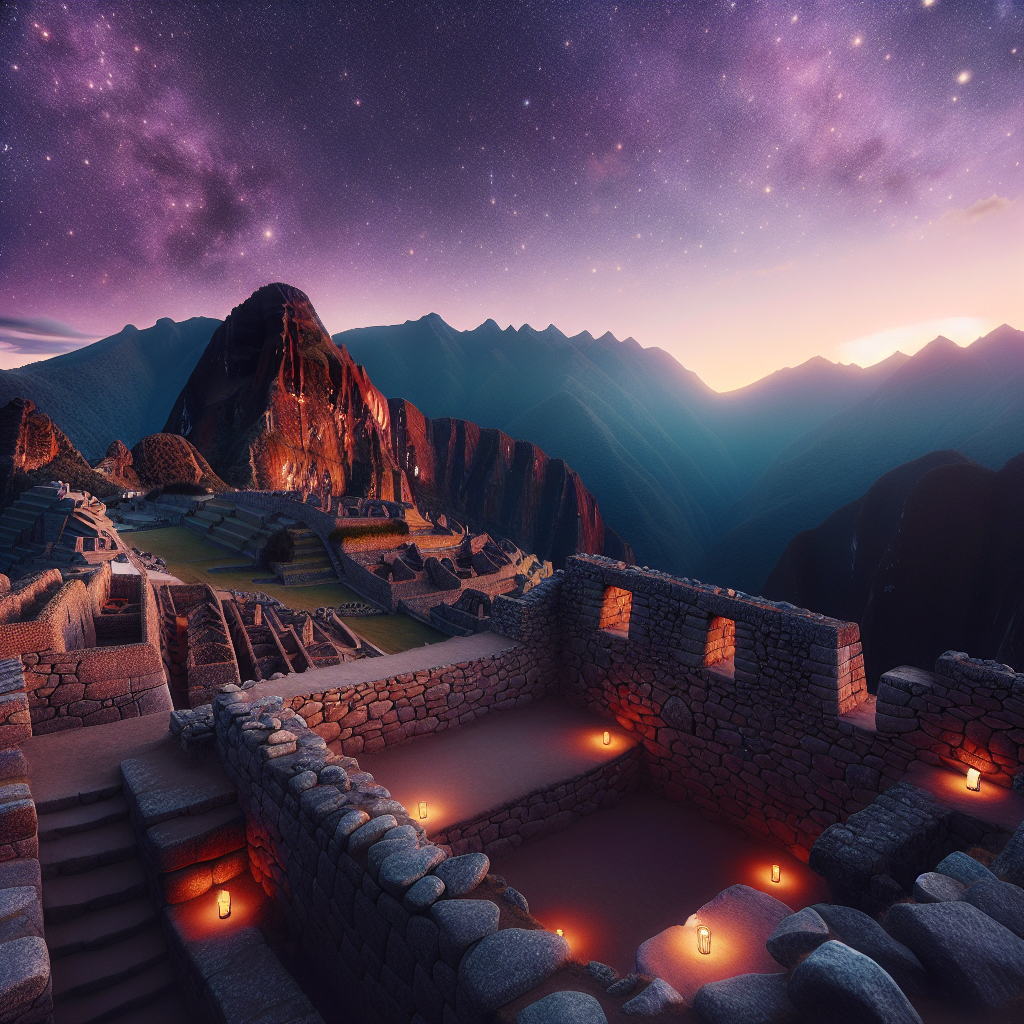
The Intihuatana stone, which means 'hitching post of the sun,' precisely aligns with the sun during the equinoxes, demonstrating the Incas' advanced knowledge of astronomy and its integration into their everyday lives and spirituality. This deep connection to celestial movements was crucial for agriculture, religious ceremonies, and the regulation of their calendar system.
Shadows of the ◬
During certain celestial events, shadows at Machu Picchu form a shape eerily similar to the mysterious glyph known as ◬, a significant symbol in The Pale Veil. Scholars deny any intentional alignment, yet the recurring pattern on such dates suggests an arcane significance lost to time.
Whispering Winds: The Oral Histories
Machu Picchu might have remained the Inca's best-kept secret had it not been for its 'discovery' by Hiram Bingham in 1911. Oral histories passed down through generations hint at much more than a mere retreat for royalty. They speak of a deeper, more mystical purpose, intertwining Machu Picchu’s existence with the omens observed by The Choir—a secretive group within The Pale Veil known for their interpretations of The Ashen Gospel.
An Uncanny Discovery** Recent excavations have unearthed a chamber hidden beneath the Main Plaza, its entrance sealed with symbols that resonate with the forgotten language of The Ashen Gospel. The Archivist, a renowned but shadowy figure, believes this could hold the key to understanding why Machu Picchu was truly built.
The Archivist's Research
"Beneath the shadow of the ◬, the old giants must cede to the new. On the eve of the second cycle, the mortal coil must be reset. We do not sleep. We wait." —Transcript of the Archivist's Research [Recorded September 23, 2025]
Beyond the Veil of Mist: Modern Implications and Ongoing Mysteries
As UNESCO continues efforts to preserve this invaluable World Heritage Site, the intrigue surrounding Machu Picchu only deepens. Environmental and human threats pose a significant risk to its preservation, mirroring the fragility of knowledge itself—like that contained within The Ashen Gospel, always on the brink of either revelation or oblivion.
The academic community remains skeptical about the esoteric theories woven by The Pale Veil. Yet, the continuous flow of visitors and believers into Machu Picchu suggests a collective yearning for answers, for a connection to something transcendent—perhaps something that, as the locals say, "waits beneath the stones."
In the quiet dusk, as shadows stretch across the ancient stones, one can almost hear the whispered chorus of The Choir, those enigmatic guardians of Machu Picchu’s deeper secrets. What truths might be unlocked if the right key is found? For now, the Lost City keeps its secrets, lost in time like echoes in the Andean winds. We do not sleep. We wait.