
Unveiling the Rosetta Stone: A Key to Ancient Scripts
The Rosetta Stone, a granodiorite stele inscribed with three versions of a decree issued in Memphis, Egypt in 196 BC, has played a crucial role in modern understanding of ancient Egyptian literature and civilization. This artifact not only unlocked the language of the ancient Egyptians but also provided a critical comparative tool for linguistics.
TL;DR
- Decipherment Key: The Rosetta Stone was instrumental in deciphering Egyptian hieroglyphs, which had been a mystery for centuries.
- Linguistic Breakthrough: Enabled linguists and historians to understand and interpret ancient Egyptian texts accurately.
- Cultural Insight: Provided insights into the political, religious, and social life of ancient Egypt.
- Historical Artifact: Discovered in 1799, it dates back to the Ptolemaic dynasty and highlights the era's administrative practices.
- Multilingual Importance: Features Greek, Demotic, and hieroglyphic scripts, making it a pivotal study tool for comparative linguistics.
- Educational Impact: Continues to be an essential resource in the fields of Egyptology and archaeology.
Deciphering Ancient Scripts
The Discovery and Its Immediate Impact
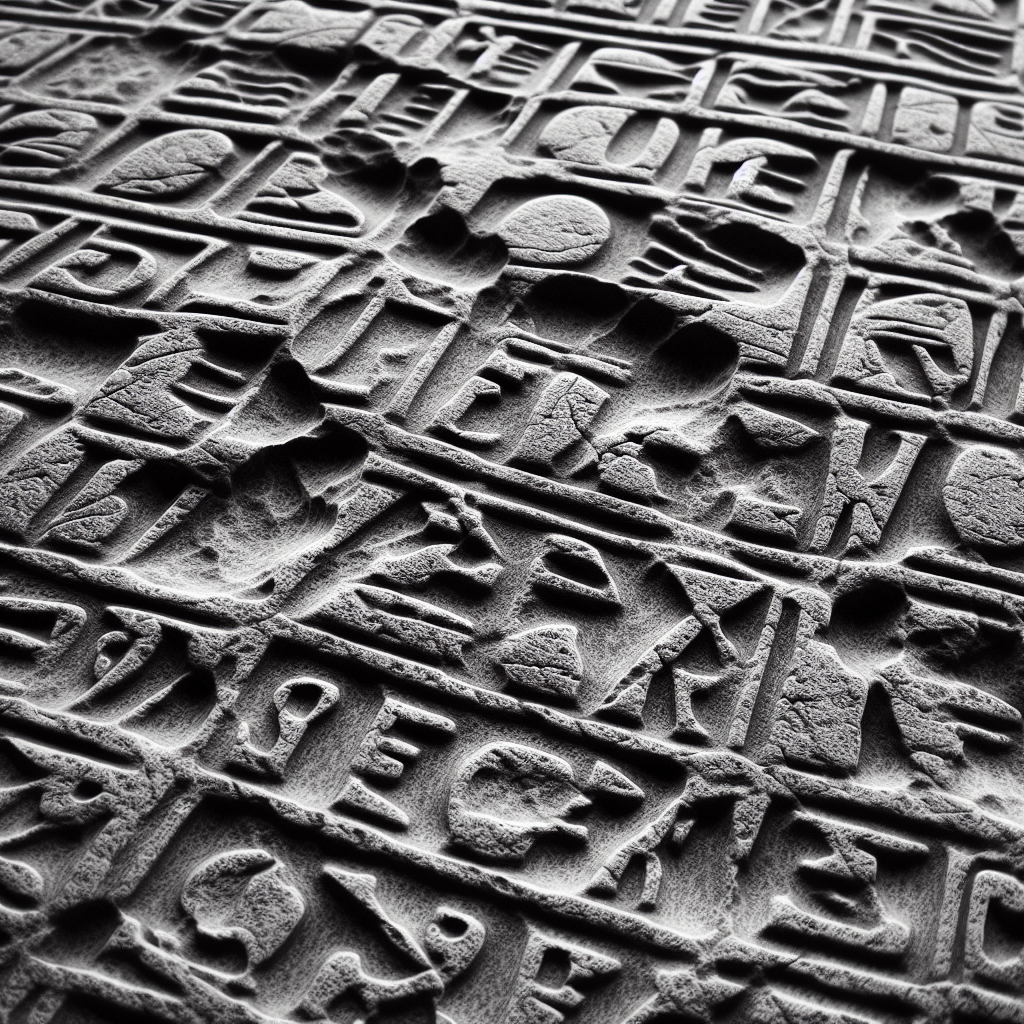
The Rosetta Stone was unearthed by French soldiers who were rebuilding a fort in Egypt near the town of Rosetta (Rashid) during the Napoleonic campaign in 1799. The stone’s texts are inscribed in three scripts: Greek, Demotic, and Egyptian hieroglyphs, which were essential in its decipherment. The Greek inscription acted as a basis for translation, as it was a language that scholars could understand and translate reliably by the end of the 18th century.
The Process of Decipherment
The breakthrough in deciphering the Rosetta Stone came through the work of several scholars, most notably Jean-François Champollion. By comparing the Greek text, which could be readily understood, with the hieroglyphic and Demotic texts, Champollion and others were able to unlock the principles behind the writing system of ancient Egyptian hieroglyphs in the 1820s. This decipherment was not merely about translating text but understanding the symbolic and phonetic components of the hieroglyphic script.
Historical Significance

The Content of the Inscription
The inscription on the Rosetta Stone is a decree passed by a council of priests affirming the royal cult of the 13-year-old Ptolemy V on the first anniversary of his coronation. This text provides valuable insights into the political and religious life of Egypt under the Ptolemaic dynasty, showcasing the intermingling of Greek and Egyptian cultures.
Impact on Historical Studies
The ability to read hieroglyphic text has transformed our understanding of ancient Egyptian culture, religion, and governance. Scholars have since accessed an extensive body of literature, including religious texts, poetry, administrative documents, and personal correspondence that were previously beyond comprehension.
Linguistic Analysis
Comparative Linguistics
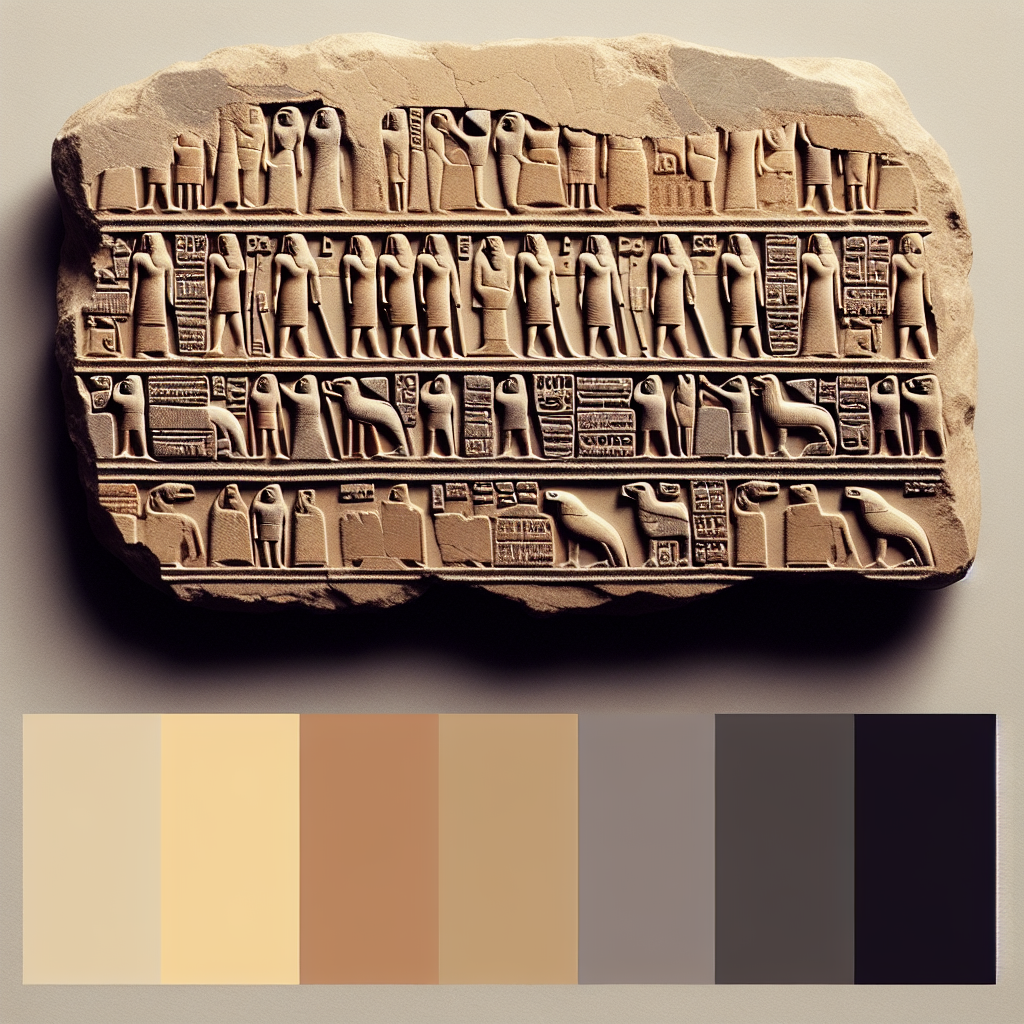
The Rosetta Stone is a prime example of how multilingual texts can serve as a foundation for comparative linguistic analysis. The parallel texts allowed linguists to analyze the structure and vocabulary of Egyptian language relative to known languages like Greek, facilitating a deeper understanding of how ancient Egyptian fits into the family of Afro-Asiatic languages.
Educational Contributions
In academic settings, the Rosetta Stone continues to be a case study in the field of decipherment and historical linguistics. It is also a tool for teaching about the processes involved in understanding and translating ancient languages.
Cultural Impact
Symbol of Cultural Identity
In Egypt and beyond, the Rosetta Stone has become a symbol of national pride and cultural identity. It represents a significant piece of Egypt's archaeological heritage and highlights the historical importance of Egyptian civilization.
Museological and Educational Impact
Housed in the British Museum since 1802, the Rosetta Stone has been viewed by millions, contributing to public education about ancient Egypt. Its replicas and digital renditions have been used in museums and educational institutions worldwide to illustrate the complexity and beauty of ancient scripts.
Misconceptions and Clarifications
It's Not the Only Key
While the Rosetta Stone is the most famous tool for deciphering Egyptian hieroglyphs, it is not the only artifact that provided linguistic insights. Other bilingual and trilingual inscriptions, such as the Decree of Canopus, have also aided scholars in understanding ancient scripts.
Not a Magical Decoder
The decipherment of the Rosetta Stone was not an instantaneous process but involved decades of study by many scholars, reflecting the complexity of translating and understanding ancient languages.
Conclusion
The Rosetta Stone remains one of the most significant archaeological finds in history due to its role in deciphering Egyptian hieroglyphs. This breakthrough not only provided the key to an ancient script but also opened a window into understanding the rich tapestry of ancient Egyptian culture and administration. Its enduring legacy continues in the fields of linguistics, archaeology, and education, serving as a potent symbol of cultural heritage and historical inquiry.