Exploring the Rich History of the Mayan Civilization
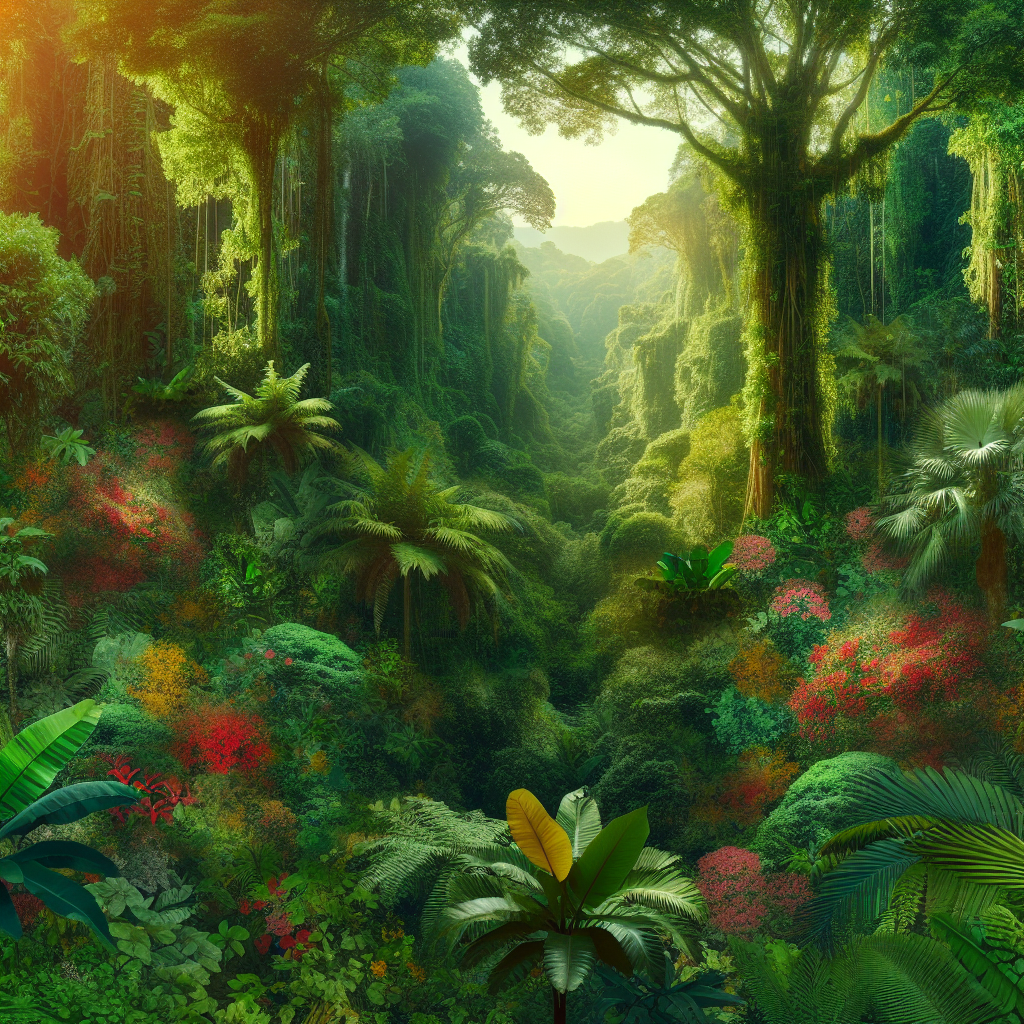
The Mayan civilization, renowned for its sophisticated culture, intricate architectural feats, and advanced astronomical and mathematical concepts, stands as one of the most fascinating ancient civilizations. Originating in the tropical lowlands of what is today Guatemala, the Mayans flourished in Mesoamerica for nearly 3,000 years, from as early as 2600 B.C. to the late 17th century A.D.
TL;DR
- The Mayan civilization began around 2600 B.C. and developed into a sophisticated culture known for its cities, pyramids, and astronomical systems.
- Mayans created a complex writing system using glyphs, one of the only known fully developed writing systems in pre-Columbian Americas.
- They were advanced in mathematics and astronomy, inventing the concept of zero and developing a detailed calendar system.
- Political organization was based on city-states, each ruled by a king and often engaged in warfare and diplomacy with one another.
- The civilization experienced a mysterious decline in the 8th and 9th centuries, with many cities abandoned, but some regions remained populated until contact with the Spanish in the 16th century.
- Today, Mayan descendants continue to live in Central America, preserving many aspects of their heritage.
History of the Mayan Civilization
Origins and Preclassic Period
The roots of Mayan civilization date back to the Preclassic period (c. 2000 B.C. to 250 A.D.), during which the first settlements were established and the foundations of their culture were laid. Early Mayans were primarily agricultural, cultivating maize, beans, squash, and chili peppers, which were crucial for their subsistence and the growth of their population.
Classic Period: The Height of Mayan Civilization
From 250 A.D. to 900 A.D., known as the Classic Period, the Mayan civilization reached its zenith. During this era, large cities such as Tikal, Palenque, and Copán were constructed, characterized by grandiose temples, elaborate palaces, and towering pyramids. This period was marked by significant advancements in arts, science, and statecraft, with the city-states governed by powerful dynasties engaging in intricate political and social networks.
The Mysterious Decline
Around the 8th and 9th centuries, many Southern Mayan cities began to decline rapidly, a phenomenon often referred to as the "Maya Collapse." The reasons for this decline are still debated among historians and archaeologists, with theories including prolonged drought, overpopulation, internecine warfare, and environmental degradation.
Postclassic Period and Spanish Conquest
Despite the decline of the southern cities, Northern Mayan cities like Chichen Itza, Uxmal, and Mayapan thrived until the arrival of the Spanish in the 16th century. The Postclassic Period (c. 900–1500 A.D.) saw the transformation of Mayan political structures and external influences from other Mesoamerican cultures. The Spanish conquest led by Hernán Cortés and his successors had devastating effects on the Mayan population, due to diseases, warfare, and colonization.
Cultural Achievements of the Mayans
Architectural Innovations
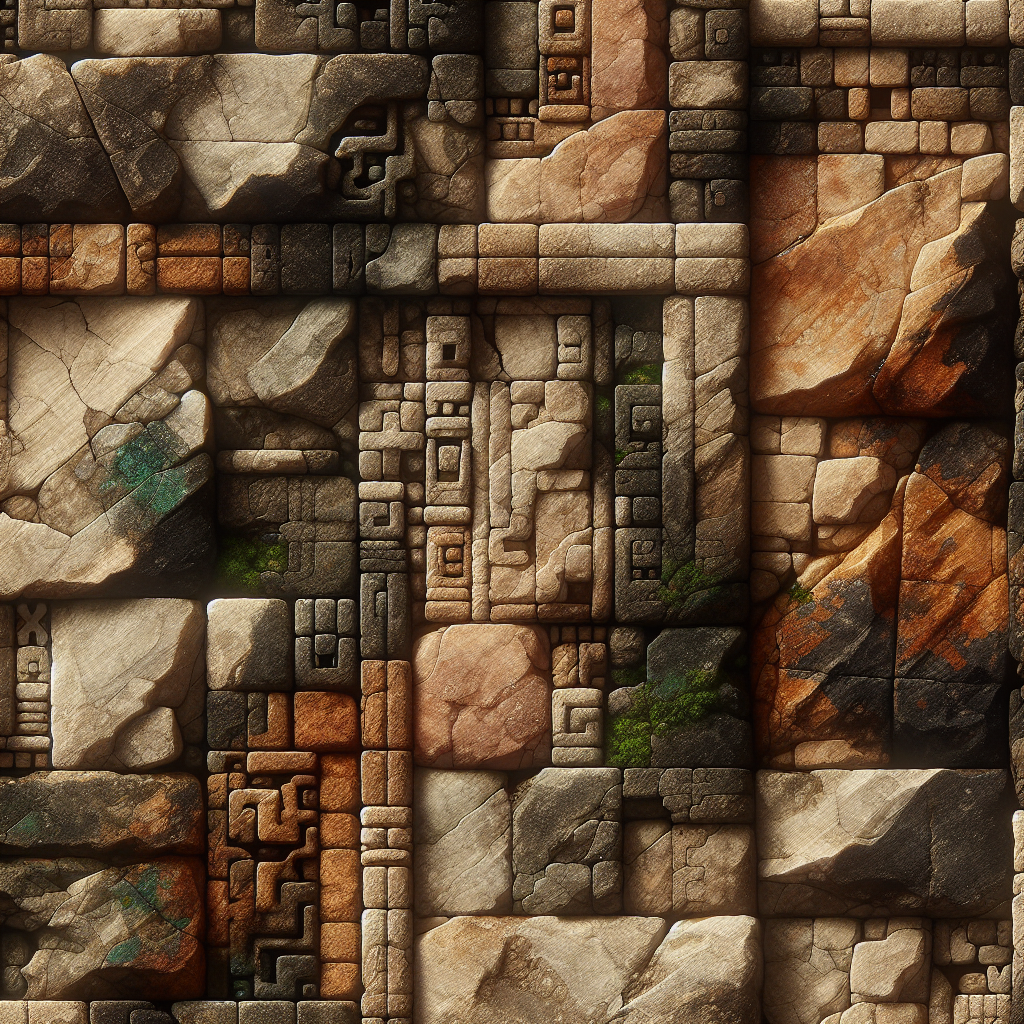
Mayan architecture is renowned for its grand scale and intricate detail. Pyramids, temples, and palaces were constructed with precise astronomical alignments and were often decorated with elaborate carvings and frescoes. Notable examples include the Pyramid of Kukulkan at Chichen Itza and the Temple of the Inscriptions at Palenque.
Writing and Glyphs
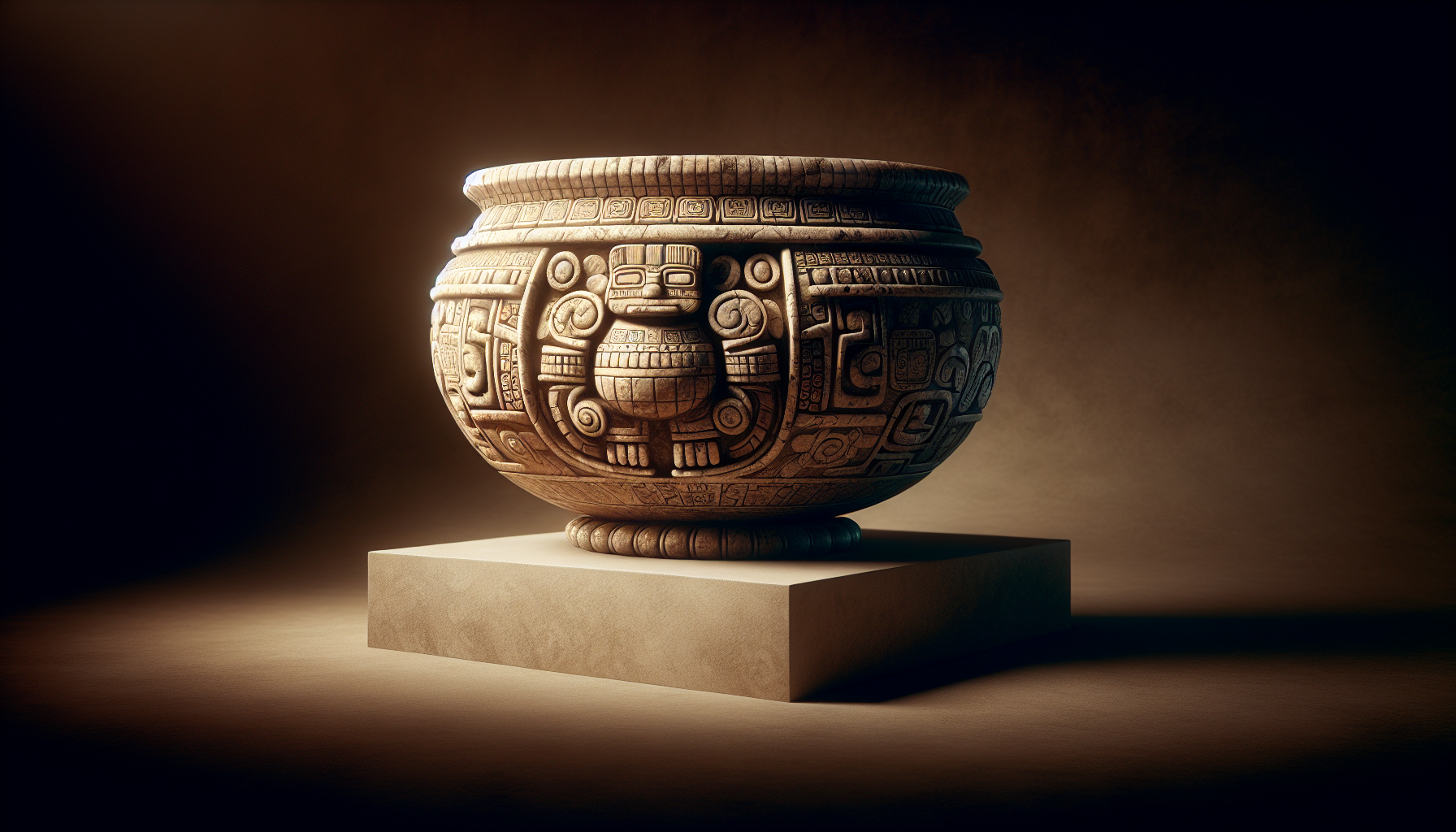
The Mayans developed a complex system of writing, known as Mayan glyphs, which combined logographic and syllabic symbols. This writing system was used extensively for historical and ceremonial purposes, carved on monuments, and inscribed in codices.
Mathematical and Astronomical Systems
The Mayans were extraordinary mathematicians and astronomers. They invented the concept of zero independently and used a vigesimal (base-20) numeral system. Their understanding of celestial bodies was highly advanced, and it played a crucial role in their agricultural and religious practices, as evidenced by their detailed calendar systems—the Tzolk'in (a 260-day calendar) and the Haab' (a 365-day solar calendar).
Misconceptions About the Mayan Civilization

The "Lost" Civilization
Contrary to popular belief, the Mayans never "disappeared." While many of their cities were abandoned in the Classic Period, Mayan communities have continued to thrive in Mesoamerica. Today, millions of Mayan descendants preserve their linguistic, agricultural, and artisanal traditions.
Predictions of World's End
The Mayan calendar was mistakenly tied to predictions of the world's end in December 2012. However, scholars clarify that the date simply marked the end of a cycle in the Mayan long count calendar, not an apocalyptic event.
Conclusion
The history of the Mayan civilization is a testament to human ingenuity and resilience. From their monumental architectural achievements to their sophisticated mathematical and astronomical systems, the Mayans have left an indelible mark on the cultural and scientific landscape of the world. Despite facing numerous challenges, including the Spanish conquest and modern-day misconceptions, the legacy of the Mayan people continues to be celebrated and studied, offering invaluable insights into ancient human civilization.